Top 5 Repeated CBSE Class 12 English Previous Year Questions
If we were to get real, preparing for board exams is like wandering through a maze without a map. Lack of proper study strategy is not the main culprit; instead, students are usually foggy about high-weightage and core question patterns. Understanding the pattern of CBSE Class 12 English previous year questions changes how you prepare for that subject.
So, let's go through the format of past papers and see what questions are most likely to come up.
Importance of Previous Year Questions in CBSE Class 12 English
Students typically read casual and effortless chapter summaries when preparing their final language papers. But to get those marks, you need to understand how the marking scheme works and what questions they ask. They give students a clear idea of how questions are made and the depth needed in short answers as well as long answers; thus, practicing many CBSE Class 12 English previous year question papers will help you get familiar with this realistic scenario.
The official curriculum splits the exam into clear sections to assess separate language abilities:
-
Section A (Reading Comprehension): Tests unseen passages for literal understanding, inference and vocabulary.
-
Section B (Creative Writing Skills): Evaluates format accuracy and expression across short and long formats, such as notices, formal invitations, letters to the editor, and job applications.
-
Section C (Literature Textbook and Supplementary Reading Text): Judges global comprehension, character evaluation & thematic analysis of Flamingo (Textbook) and Vistas (Supplemental Reader).
Common CBSE Class 12 English Previous Year Questions
Certain chapters and poems in the literature section reappear often as they contain significant themes with ties to historical events. An analysis of the past few years' trends in exams shows that five important questions are frequently asked from English CBSE Class 12 previous year papers.
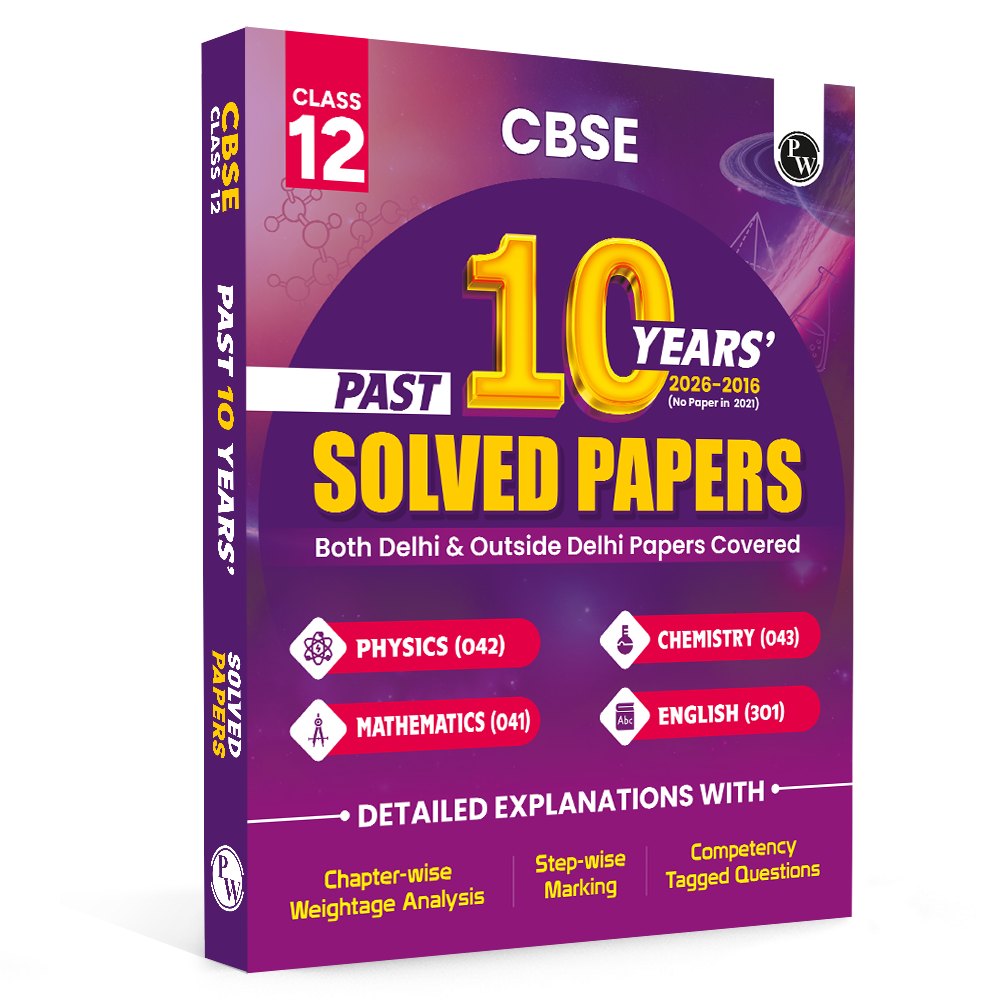
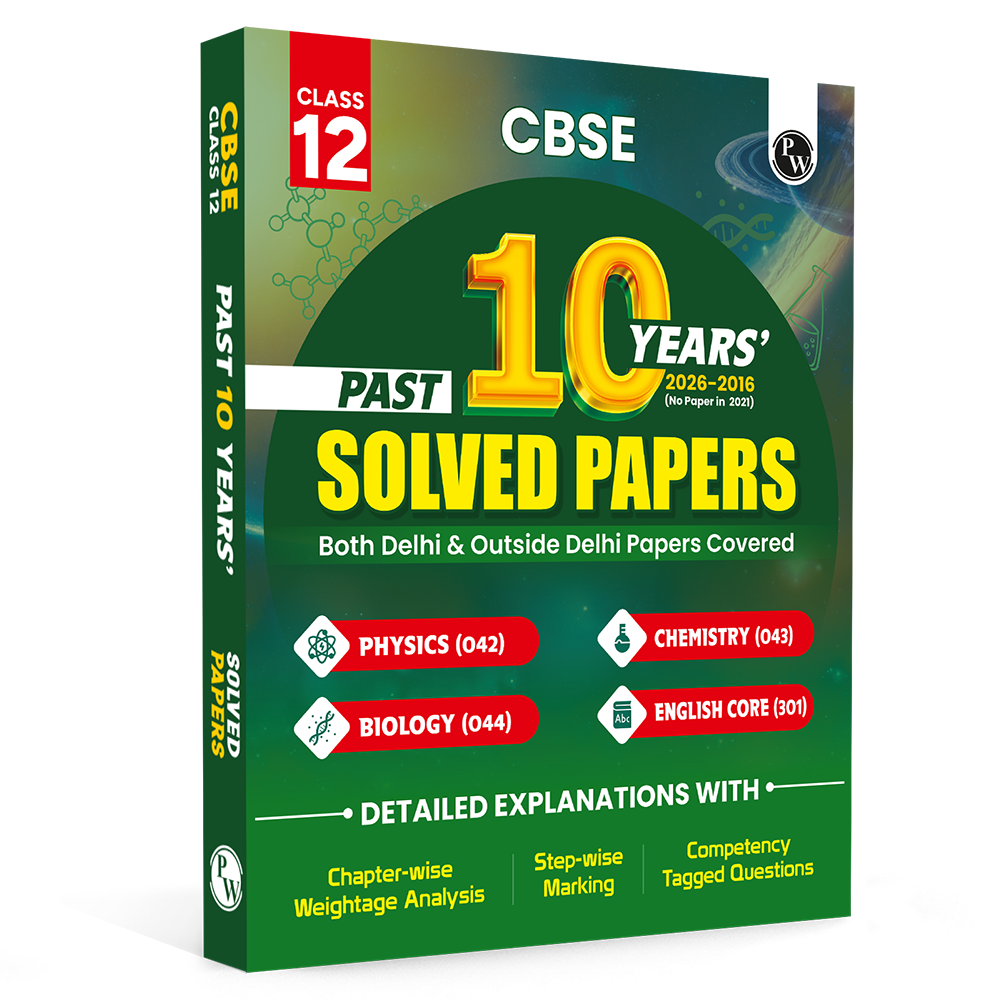
To prepare more effectively and recognise these recurring themes, students should also practise CBSE Class 12 PYQs, as previous year questions help improve answer framing, strengthen textual understanding, and build confidence for board-level writing.
1. The Order from Berlin and Its Impact in "The Last Lesson"
This original prose piece by Alphonse Daudet makes for a popular text with examiners. It usually poses a question something like this: What was embedded in an order from Berlin, and how did it change things at school? or “How was the class atmosphere when M. Hamel delivered his final lesson in French?”
-
Core Focus: This question assesses your understanding of linguistic chauvinism, unpatriotic sentiment, torture as endless emotional suffering, and the realisation of the significance of our mother tongue.
-
Key Elements to Include: Mention that the order banned the teaching of French, allowing only German in the schools of Alsace and Lorraine.
-
Describe the unusual, Sunday-like silence that replaced the typical morning bustle.
-
Highlight the presence of the village elders sitting quietly at the back of the room to show their respect.
-
Note M. Hamel’s dignified demeanour, his beautiful Sunday clothes, and his final emotional message written on the blackboard.
2. The Metaphor of the World as a Rattrap in "The Rattrap"
The story by Selma Lagerlöf uses a question contained in the thought that occurs frequently for long-form evaluative questions: Why did the peddler believe that "the world was a rattrap"? OR "Write on the metaphor of a rattrap and what it has to say about human temptation."
-
Core Focus: This question turns the spotlight on human avarice, temptation of earthly goods and how we cage ourselves mentally.
-
Key Elements to Include: *Describe how the peddler perceives worldly comforts (shelter, food & water, clothing & wealth) as bait that has been set out against humanity.
-
Equate the cheese or meat placed in a real trap with material joys that seduce people.
-
Show how the world turns dark and full of chains as soon as one acts on temptation, especially stealing the crofter's thirty kronor.
3. The Significance of the "Late Winter’s Moon" in "My Mother at Sixty-Six"
Kamala Das's heart-wrenching poetry is a popular source of short choices and passages for literary analysis. Commonly, they will ask why the mother is likened to that of a moon in late winter. or "What kind of discomfort and anguish does this narrator suffer?
-
Core Focus: This question measures your awareness of poetic devices, biology (e.g., the physical realities of ageing) and psychology (the fear related to losing a parent).
-
Key Elements to Include: * This could be winter as it represents the end of life, dormancy and losing colour or vitality.
-
Relate the weak, hazy moon of late winter, which is thin and colourless; it could never be bright like her ash-like face.
-
Tell of the narrator's childhood fear of separation and death, which she tries to mask with a comforting smile.
4. Douglas’s Victory Over Fear in "Deep Water"
William Douglas, in his autobiography, narrates an inspiring story which is regularly asked as both a short and long question with the same title: "How did William Francisco finally overcome the fear of water?” Or, "How did what happened at the YMCA pool impact him?"
-
Core Focus: This question demonstrates perseverance, methodical guidance, and conquering inferior authenticity.
-
Key Elements to Include: * The initial incident at the YMCA pool, where he was left with an extreme fear of water that pretty much ended fishing and boating trips.
-
For months, he was dependent on a belt and rope connected to what seemed to be a complex pulley system that was frequently run by his mother or swimming instructor.
-
Emphasise his independent practice at Lake Wentworth in New Hampshire to ensure that he completely removed the last remnants of his terror.
5. Gandhi’s Strategy and the Turning Point in "Indigo"
The historical and character-driven questions are at the centre of Louis Fischer’s account about Champaran: why did Gandhi regard the episode in Champaran as a turning point in his life? Or the follow-up question to this inquiry: why did he feel that going to court with his case was useless?
-
Core Focus: This question addresses ground-level leadership, self-reliance and release from mental fear.
-
Key Elements to Include: * Movement started simply as a vehicle for relieving the plight of thousands of impoverished sharecroppers.
-
The peasants had to be free from fear before any legal victory would matter since frightened, demoralised and dehumanised people cannot fight for their rights.
-
Describe how the eventual settlement compelled British planters to pay back a portion of money and how it broke their image of omnipotence and taught them peasants bravery.
Benefits of Solving CBSE Class 12 English Previous Year Questions
Textbook-alone prep may not fully prepare you for the specifics of a timed exam paper. Integrating a good CBSE Class 12 English PYQ routine into your schedule comes with its own unique set of advantages:
-
Mastering Formats: It aids in recalling the accurate formatting and important components of brief writings such as notices, formal invitations, letters to the editors with full forms, job applications, etc., which otherwise might give you a doubt during your examination
-
Accurate Time Management: Complete papers give you scope to balance long comprehension passages with creativity in writing and literature answer dissertations.
-
Identifying Weaknesses: Long before the exam, solving real board papers uncovers typical errors like grammatical mistakes or inappropriate word choices or more than 250 words too early
-
Precision in Writing: Going through the solutions helps you align your answer to exactly what is required in our guidelines and point systems used by board examiners.
-
Familiarity with Patterns: Solving past papers helps alleviate test anxiety because, when you attempt your actual question paper for the scheduled exam, its formatting, language style, and structural layout will feel familiar.
For more complete preparation, students can combine PYQ practice with CBSE Class 12 Study Materials, which provide structured theory, revision support, and exam-oriented learning to strengthen overall board performance.
CBSE Class 12 English Previous Year Questions FAQs
1. Where can I find reliable CBSE Class 12 English previous year questions with complete answers?
You can get genuine questions from the official academic website of CBSE or even through other educational websites.
2. How many years of CBSE Class 12 English previous year question papers should I solve?
Solving at least the last 5 to 10 years of papers is strongly advised. This broad aspect exposes you to various types of questions, evolving blueprints, and all creative writing formats used by the board.
3. Are questions from the literature section repeated in CBSE English previous year question papers Class 12?
Some of the core thematic questions are repeated often. The wording might be different, but central questions on important topics are bound to repeat themselves.
4. How can CBSE previous year English question papers Class 12 help improve my time management?
Solving PYQ papers helps you practice the pacing of your writing. It lets you know how much time to allocate for locating responses within reading excerpts, writing tasks, and literature questions.
5. Should I practise CBSE PYQ Class 12 English if my syllabus has been rationalised?
You should practice English PYQs using recent study resources that clearly mark old or removed topics. Updated study material will constantly point out the questions that are beyond the syllabus and restrict active chapters to what is relevant.