How to Utilise the Gap Between CBSE Class 10 Board Exams?
Maximize your CBSE Class 10 Board Exams gap days by using a "Reverse Revision" strategy. Focus on Sample Papers for long gaps and Quick Revision Notes for short 2-day breaks to ensure consistent recall and peak performance during the actual examination.
The announcement of the date sheet often brings a mix of relief and anxiety. While some subjects have a generous week-long break, others might only give you 48 hours to prepare. Learning how to manage these intervals is the secret to scoring 95% and above. Many students make the mistake of relaxing too much during long gaps or panicking during short ones. A solid cbse class 10 board exam gap strategy ensures that you maintain your momentum without burning out. Whether you are looking for a cbse 10th board exam revision plan or tips on how to revise in 2 days for board exam, this guide provides a tactical roadmap for your success.
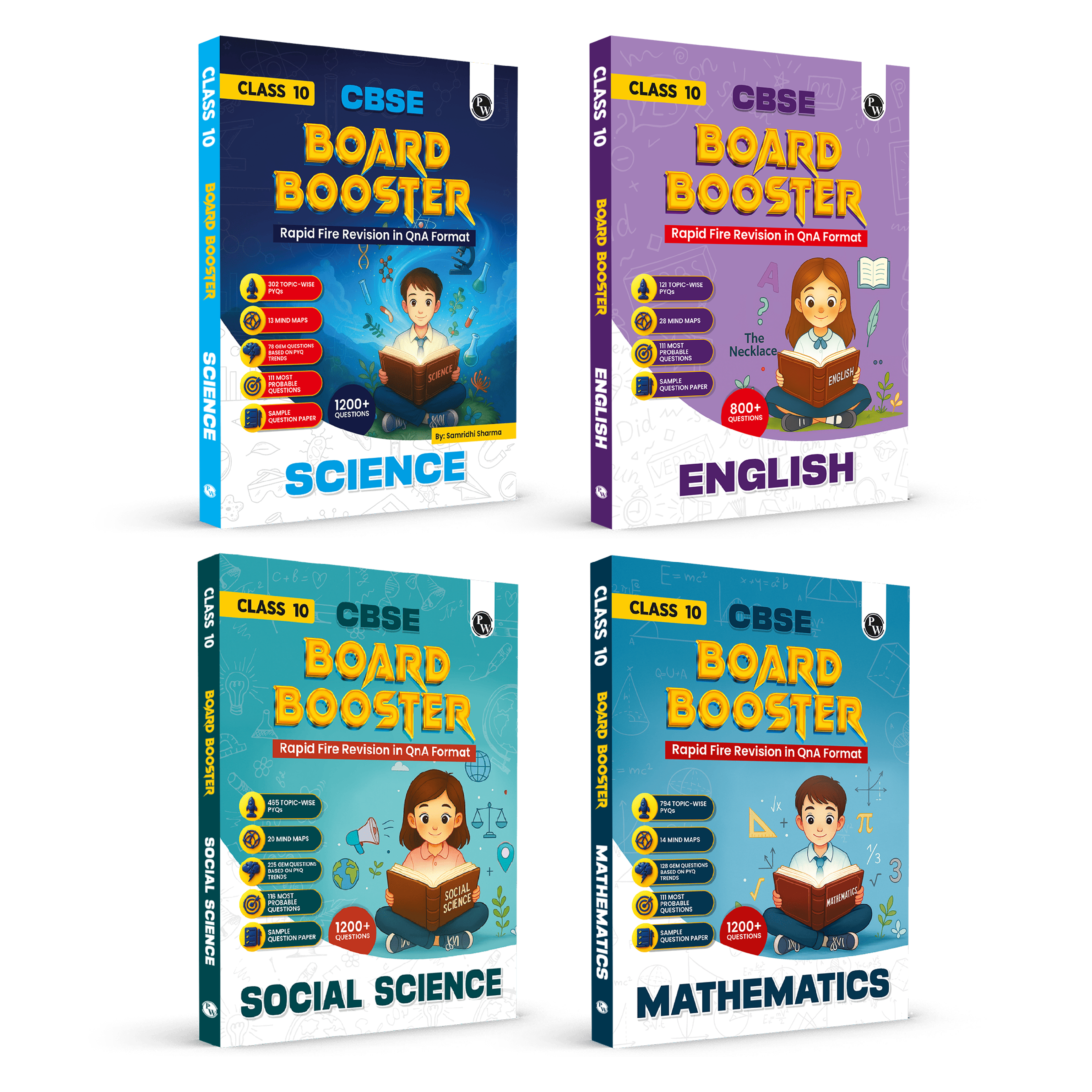
Check out: CBSE Class 10th Books
Understanding the "Gap Day" Psychology in CBSE Class 10 Board Exams
During the CBSE Class 10 Board Exams, your brain is under constant pressure. The gap days are not just for studying; they are for active recovery and strategic consolidation. The key to cbse board exam time management tips is to divide your time based on the length of the break.
1. The Short Gap (1–2 Days)
When you only have 48 hours, there is no time to read new chapters. Your focus should be entirely on:
-
Formula Sheets & Flashcards: For Maths and Science.
-
Character Sketches & Formats: For English and Hindi.
-
High-Weightage Chapters: Refer to the blueprint and focus only on units that carry the most marks.
-
Last minute preparation cbse class 10: Avoid picking up new reference books. Stick to your NCERT highlights.
2. The Long Gap (4+ Days)
Longer breaks can be dangerous because they often lead to procrastination. Use this cbse 10th board exam revision plan:
-
Day 1-2: Deep dive into your weakest topics.
-
Day 3: Solve at least two full-length Sample Question Papers (SQP) in a timed environment (10:30 AM to 1:30 PM).
-
Day 4: Final revision of diagrams, maps, and important dates.
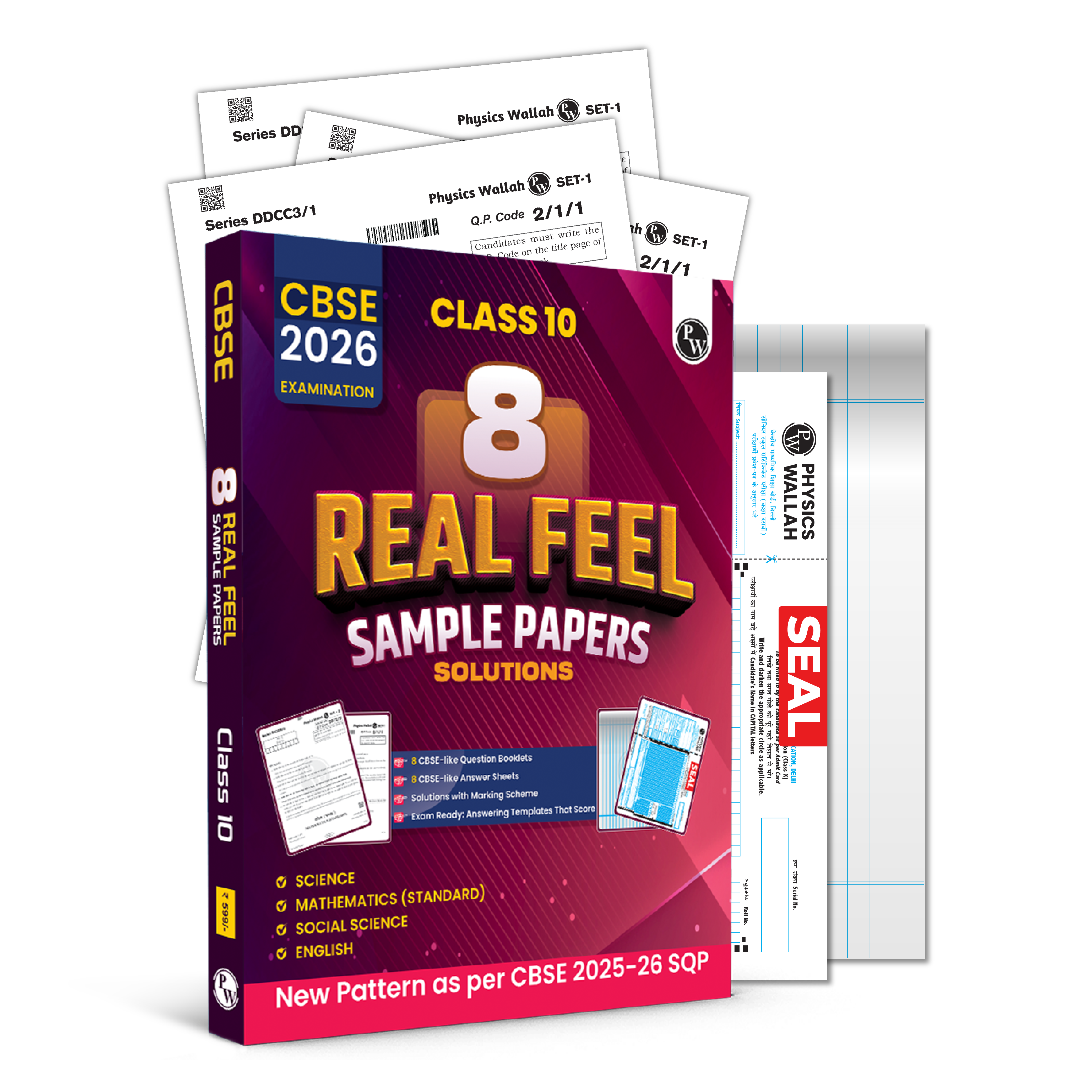
Check out: CBSE Class 10th Sample Papers
What to Do in CBSE Class 10 Board Exams Gap Days: A Daily Schedule
To maintain peak focus, follow this structured routine regardless of the subject:
|
Time Slot |
Activity |
Purpose |
|
7:00 AM - 10:00 AM |
High-Difficulty Topics |
Brain is freshest for complex concepts. |
|
10:30 AM - 1:30 PM |
Solving Previous Year Papers |
Mimics the actual CBSE Class 10 Board Exams timing. |
|
2:30 PM - 5:00 PM |
Analysis & Correction |
Finding mistakes made in the morning session. |
|
6:00 PM - 8:30 PM |
Lightweight Revision |
Diagrams, Map work, or Formula memorisation. |
|
9:00 PM onwards |
Relaxation & Sleep |
Vital for memory consolidation. |
Strategy for Last Minute Preparation CBSE Class 10 Board Exams
When the exam is the next morning, your cbse class 10 board exam gap strategy should shift toward mental readiness.
-
Avoid Discussion Groups: Don't ask friends how much they have studied. This only increases "FOPO" (Fear of Picking up Others' stress).
-
The "3-Hour Simulation": If you have a 3-day gap, dedicate Day 2 to writing a full paper. This builds writing stamina, which is essential for subjects like Social Science.
-
How to revise in 2 days for board exam: Use the "20/80 Rule." Spend 20% of your time reading and 80% of your time active-recalling (closing the book and trying to explain the concept out loud).
Check Out: CBSE Class 10 Question Banks
Mistakes to Avoid During the Gap in CBSE Class 10 Board Exams
Here are the few mistakes which students should avoid during the gap in CBSE Class 10 board exams:
-
Over-sleeping: While rest is important, sleeping until noon ruins your circadian rhythm for the 10:30 AM exam start.
-
New Resources: This is the worst time to buy a new guide book. Stick to the notes you have used all year.
-
Ignoring Health: Dehydration leads to brain fog. Drink plenty of water and avoid heavy, oily meals that make you feel lethargic.
Read More: How to Write Answers in Board Exams
Gap Between CBSE Class 10 Board Exams FAQs
1. What to do in exam gap days if I have already finished the syllabus?
Focus on "Presentation Skills." Practice drawing neat margins, underlining keywords, and ensuring your handwriting is legible. Solve the official CBSE topper answer sheets to see how they structure their responses.
2. How to revise in 2 days for board exam for a heavy subject like Social Science?
Focus on the "Four Pillars": History (Dates/Timeline), Geography (Map work), Civics (Key definitions), and Economics (Core concepts). Use flowcharts instead of reading long paragraphs.
3. Is it okay to study late at night during the gap?
It is better to avoid "Night Owl" habits during CBSE Class 10 Board Exams. Your exam is in the morning; you need your brain to be most active during the day, not at 3:00 AM.
4. How many Sample Papers should I solve in a 5-day gap?
Aim for at least 2 or 3. Solving too many can lead to fatigue, but solving none can leave you "rusty" for the actual exam.
5. What is the most important cbse board exam time management tip for the gap?
The "Active Recall" technique. Instead of reading the same page five times, look at a heading and try to write down everything you remember about it on a blank piece of paper.