Score Improvement Strategy with UGC NET Computer Science PYQ

Mastering the UGC NET exam requires more than just reading textbooks; it demands a tactical approach to problem-solving. Many aspirants struggle to translate theoretical knowledge into marks because they overlook the pattern of the actual exam. Utilising UGC NET Computer Science PYQ is the most effective way to bridge this gap, helping you understand the weightage of topics such as Discrete Structures, Optimisation, and Computer System Architecture.
By systematically analysing these papers, you can identify recurring themes and refine your time management skills to ensure you are exam-ready.
Check Out: UGC-NET Books
Importance of UGC NET Computer Science PYQ
The journey to Junior Research Fellowship (JRF) or Assistant Professorship is competitive. Using a UGC NET PYQ allows you to step into the examiner’s mind. These papers serve as a blueprint, revealing the complexity level of questions asked in recent years. Instead of wandering through vast syllabi, candidates can focus on high-yield areas that frequently appear in the previous year's question paper.
When you practice with a PYQ UGC NET computer science set, you familiarise yourself with the language of the questions. Often, the difficulty lies not in the concept but in how the question is framed. Regular practice reduces exam anxiety and builds the mental stamina needed to tackle a three-hour paper without losing focus.
UGC NET Computer Science PYQ Syllabus
The syllabus for Computer Science and Applications is vast, covering everything from Unit 1 (Discrete Structures) to Unit 10 (Emerging Technologies). A strategic look at computer science UGC NET previous papers shows a consistent trend in how marks are distributed.
Core Mathematical Foundations
Discrete Structures and Optimisation often form the backbone of the exam. By reviewing previous question papers, UGC NET computer science students will notice a heavy emphasis on:
-
Sets, Relations, and Functions
-
Group Theory and Boolean Algebra
-
Linear Programming Problems (LPP) and Simplex methods
System Architecture and Programming
Computer System Architecture and Programming Languages (C, C++, Java) are units where precision is key. A computer science previous year paper usually contains specific questions on pipeline registers, instruction formats, and object-oriented concepts. Practising these ensures you don't lose "easy" marks in technical sections.
How to Use UGC NET Computer Science PYQ
To get the most out of your UGC NET PYQ, you should follow a structured approach rather than solving them randomly.
1. Topic-Wise Segregation
Don't jump straight into full-length mocks. Start by solving questions topic-wise. If you finish studying Database Management Systems (DBMS), immediately find all DBMS questions in the UGC NET computer science previous papers. This reinforces the specific concept you just learned.
2. Time-Bound Practice
Once you have covered 70% of the syllabus, start solving a full UGC NET computer science previous year paper within the official time limit. This simulates the actual pressure of the exam hall. It helps you decide which sections to attempt first and where you might be wasting too much time.
3. Error Analysis and Feedback Loop
The most crucial step is the post-exam analysis. If you get a question wrong in a PYQ UGC NET computer science session, don't just look at the answer. Go back to your notes, find the concept, and understand why your logic failed. This ensures you never make the same mistake twice.
Topics Covered in UGC NET Computer Science PYQ
Based on an analysis of the computer science UGC NET previous year question paper, certain units consistently carry more weight. Focus on these to boost your score:
-
Data Structures and Algorithms: Expect questions on complexity analysis (Big O notation), trees, and sorting algorithms.
-
Theory of Computation: Regular expressions, Finite Automata, and Turing Machines are staples in almost every UGC NET PYQ.
-
Operating Systems: Focus on CPU scheduling, memory management, and deadlock prevention.
-
Data Communication and Networking: Pay attention to the OSI model layers and TCP/IP protocols.
-
Software Engineering: Study the SDLC models and testing strategies, which are frequently tested in previous question papers of the UGC NET computer science.
Benefits of Solving UGC NET Computer Science PYQ
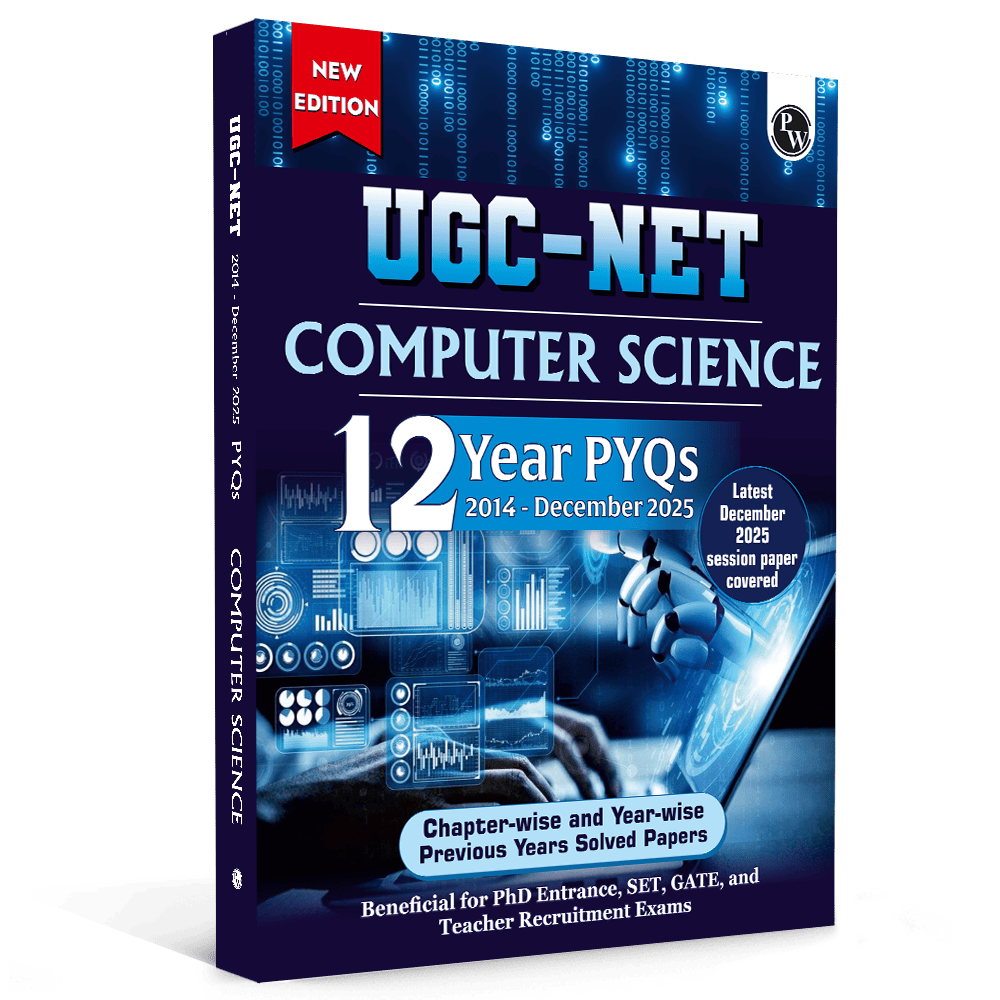
Some educational platforms offer a comprehensive collection of 12 years of UGC NET PYQ. Solving a decade's worth of papers provides a massive advantage.
-
Trend Identification: You can see how the focus shifted from traditional computing to modern concepts like Cloud Computing and IoT.
-
Question Repetition: While exact questions might not repeat, the logic and patterns behind them almost always do.
-
Accuracy Improvement: Constant exposure to the computer science UGC NET previous papers sharpens your ability to eliminate wrong options quickly.
Time Management Strategy for UGC NET Computer Science PYQ
Time is your biggest enemy in the UGC NET. Many students find themselves rushing through the last 20 questions. By practising with a UGC NET computer science previous year paper, you learn to allocate minutes effectively.
-
Paper 1 vs Paper 2: Ensure you don't spend too much time on Paper 1 (General Aptitude) at the expense of your core subject.
-
The Two-Pass Method: Use your PYQ UGC NET computer science practice to master the two-pass method. In the first pass, answer all "sure-shot" questions. In the second pass, tackle the time-consuming numerical problems.
Read More: UGC NET Syllabus 2026 for Paper 1 and Paper 2
Mistakes to Avoid with UGC NET Computer Science PYQ
While using a computer science UGC NET previous year question paper, avoid these common mistakes:
-
Memorising Answers: Never just memorise the answer key. The UGC often changes the values or the "not" condition in a question. Understand the underlying logic.
-
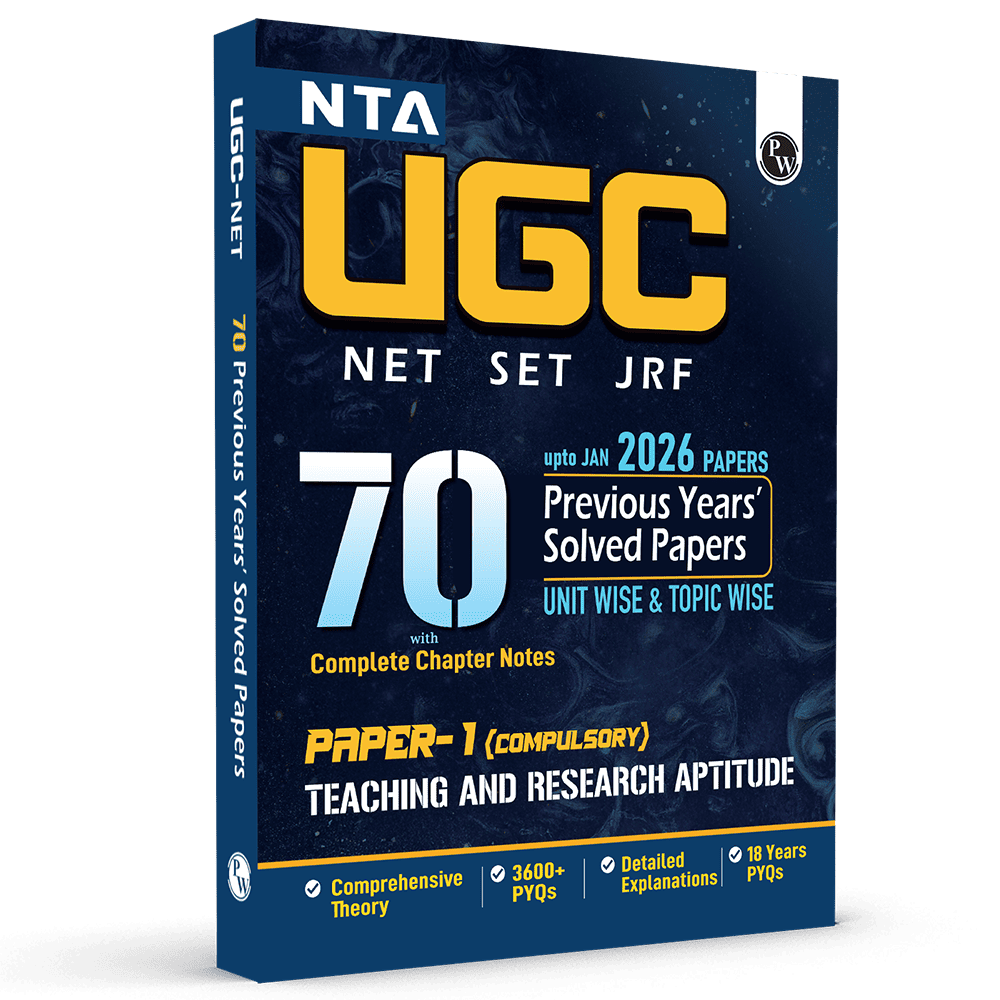
Ignoring Paper 1: Your total score depends on both papers. Use previous question papers UGC NET computer science alongside Paper 1 sets to ensure a balanced preparation.
-
Overlooking New Topics: The syllabus was updated recently. Ensure your UGC NET PYQ practice includes the latest papers from 2019 onwards to cover Artificial Intelligence and Data Science topics.
Right Resources for UGC NET Computer Science PYQ
For those looking for a consolidated source, some educational platforms provide a 12-year PYQ book specifically designed for this exam. It includes detailed explanations for each UGC NET PYQ, which is vital for clearing doubts instantly. Having a physical or digital copy of the UGC NET computer science previous year paper allows you to highlight and annotate important points for last-minute revision.
A simple answer key tells you what the answer is, but a detailed explanation from a computer science UGC NET previous year question paper resource tells you why. This "why" is what helps you solve a slightly different version of the same question in the future.
| UGC NET computer science previous year paper |
UGC NET Computer Science PYQ FAQ
How many years of UGC NET PYQ should I solve?
It is recommended to solve at least the last 10 to 12 years of papers. This gives you a clear view of how the exam pattern has evolved and covers a wide range of topics.
Are questions repeated in the computer science UGC NET previous year question paper?
Direct questions are rarely repeated word-for-word, but the concepts and the logic required to solve them are frequently reused. Practising them helps you recognise these patterns.
Where can I find the latest PYQ UGC NET Computer Science?
You can find them on the official UGC NET website or through specialised educational platforms, which provide solved versions of the UGC NET computer science previous year paper.
Is Paper 1 included in the previous question papers, UGC NET computer science books?
Most comprehensive books and resources provide both Paper 1 and Paper 2, but it is always right to check the specific resource to ensure it covers the full computer science UGC NET previous papers requirement.
Can I clear the exam only by solving UGC NET PYQ?
While PYQs are essential for understanding the pattern and improving speed, you should use them alongside a thorough study of the syllabus to ensure your conceptual foundation is strong.