When to Start Solving EPFO and CDS PYQs in a 4-month Preparation Window

A 4-month preparation window leaves little room for error when clearing major competitive exams. Aspirants often struggle to balance foundational reading with active question practice. Knowing exactly when to introduce the UPSC EPFO CDS CAPF PYQ into your daily routine determines whether you finish the syllabus on time or get overwhelmed.
This article provides a clear timeline to integrate past papers, understand recurring themes, and build the speed necessary to secure a top rank.
What Is UPSC EPFO CDS CAPF PYQ?
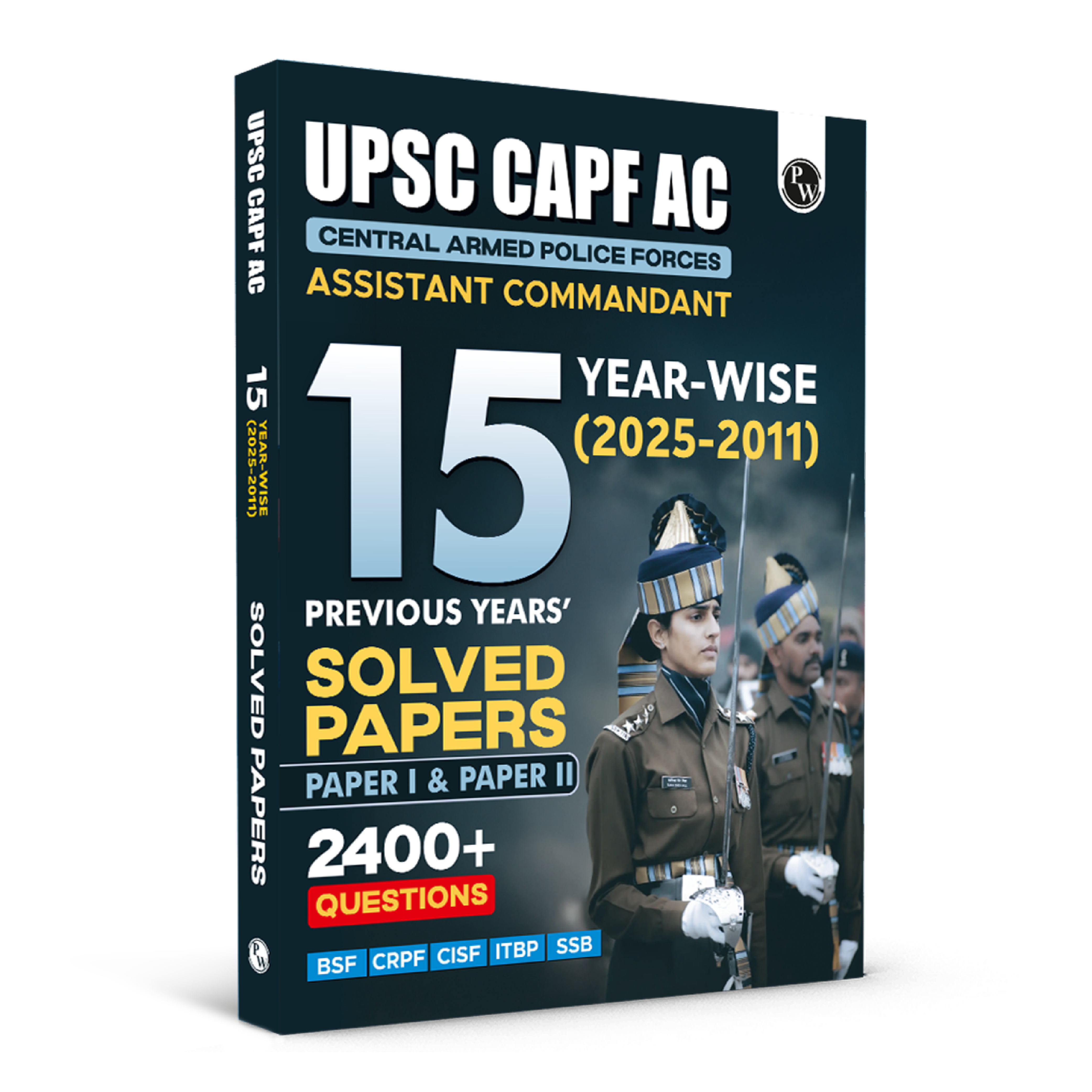
The UPSC EPFO CDS CAPF PYQ refers to the official compilation of past examination papers conducted by the Union Public Service Commission for various specialized services. While the Civil Services Examination focuses heavily on analytical depth, exams like the Enforcement Officer/Account Officer (EPFO), Combined Defense Services (CDS), and Central Armed Police Forces (CAPF) test a unique blend of conceptual clarity and factual accuracy.
These past questions serve as an authentic benchmark to understand the changing nature of General Studies questions. Instead of relying on random mock test series, solving these official papers gives candidates a precise understanding of the factual depth, statement-based patterns, and subject weightage preferred by the commission.
Why UPSC EPFO CDS CAPF PYQ Should Be Part of a 4-Month Study Plan?
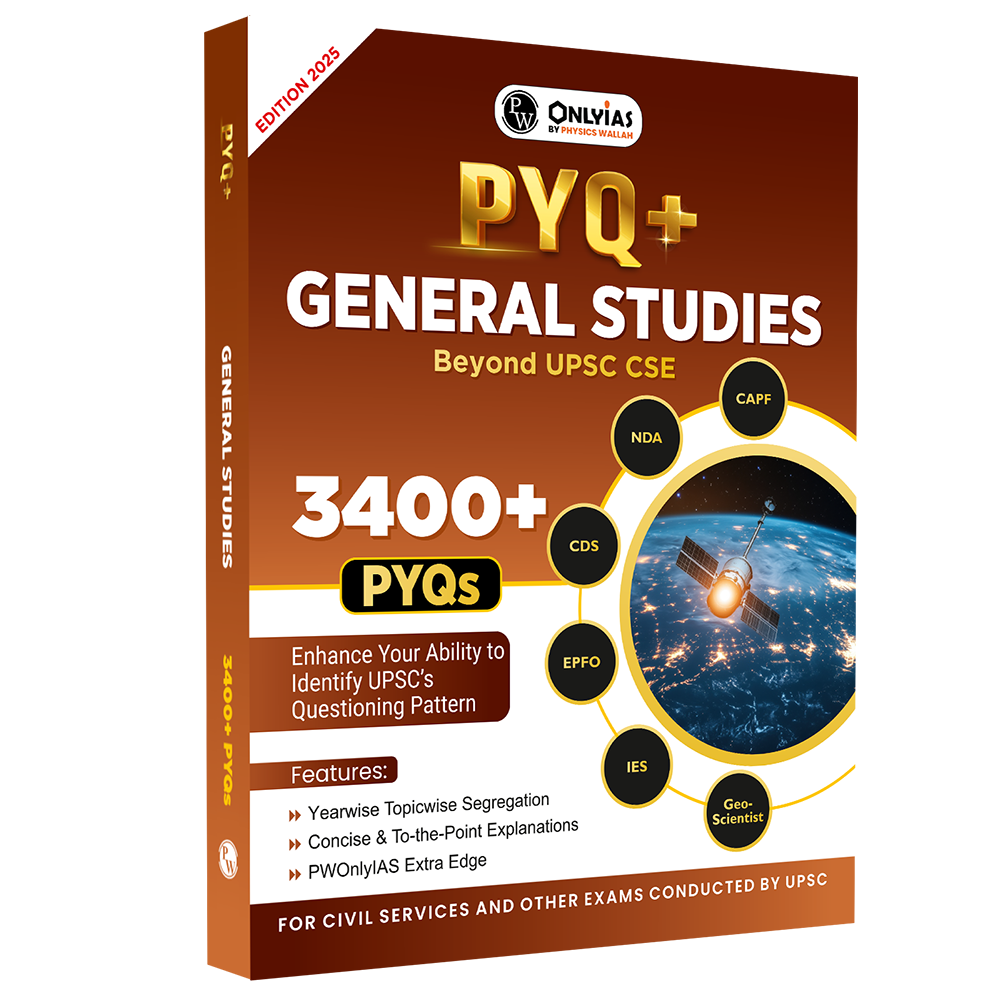
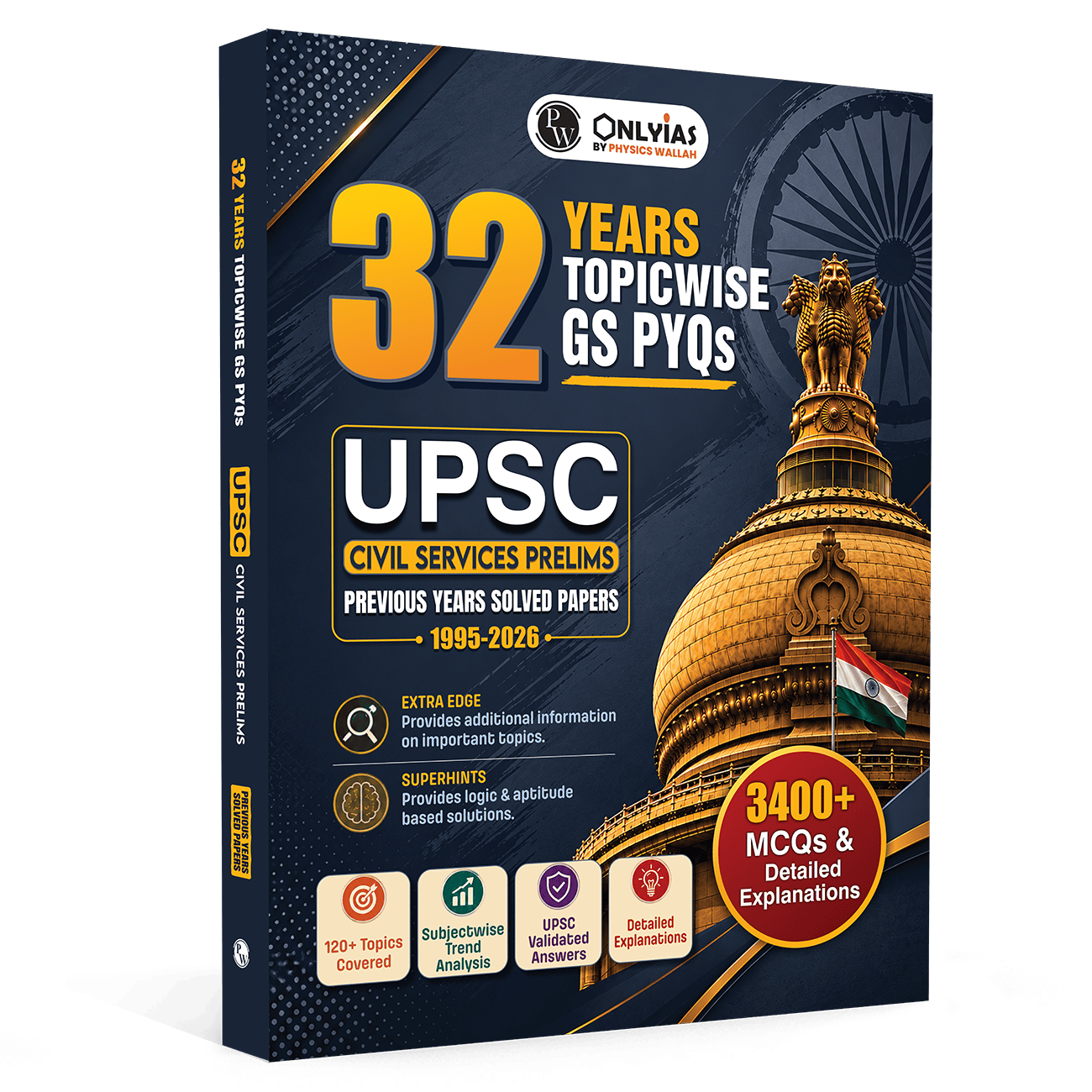
When time is limited to just 120 days, covering every single reference textbook from cover to cover is practically impossible. This is where a dedicated UPSC PYQ book becomes an essential diagnostic tool rather than just a revision resource.
-
Identifies High-Yield Themes: Certain topics like the Indian Freedom Struggle, Indian Polity articles, physical geography, and fundamental economic concepts repeat across these exams regularly.
-
Balances Depth and Speed: CDS requires quick analytical thinking, CAPF demands structured conceptual knowledge, and EPFO tests specific factual points. Practicing these questions trains your brain to adapt to different question formats instantly.
-
Establishes Real Boundaries: Using a reliable UPSC prelims PYQ book prevents you from over-studying irrelevant topics, keeping your preparation highly focused and streamlined.
When to Start Solving UPSC EPFO CDS CAPF PYQ in a 4-Month Preparation Window?
Managing a 4-month preparation timeline requires a structured approach to past papers. You should not wait until the final month to open your UPSC question banks, nor should you attempt full mock papers on day one without any prior study.
The ideal 120-day distribution is broken down below:
|
Preparation Phase |
Timeline |
Core Focus with PYQs |
|
Phase 1: Diagnostic Phase |
Days 1 to 15 |
Solve questions topic-wise alongside basic reading to understand the required depth of each subject. |
|
Phase 2: Core Integration |
Days 16 to 75 |
Allocate the last 45 minutes of your daily study sessions to solve 25–30 questions related to the topics covered that day. |
|
Phase 3: Full-Length Simulation |
Days 76 to 105 |
Switch from topic-wise books to year-wise papers. Attempt complete papers under strict time limits. |
|
Phase 4: Final Revision |
Days 106 to 120 |
Revisit marked questions, incorrect attempts, and high-frequency explanations to eliminate weak spots. |
Benefits of UPSC EPFO CDS CAPF PYQ
Integrating the UPSC EPFO CDS CAPF PYQ into your daily schedule offers distinct advantages that standard mock test series cannot replicate:
-
Authentic Question Framing: Commission questions possess a distinct language style and option structure. Practicing with a PW UPSC PYQ book helps you get familiar with this specific framing, reducing exam-day anxiety.
-
Option-Wise Detailed Learning: High-quality question banks explain why a specific option is correct and why the other three choices are incorrect. This approach expands your knowledge base fourfold with a single question.
-
Better Retention via Visual Aids: Modern past-year resources integrate maps, tables, flowcharts, and infographics to simplify complex topics, ensuring long-term retention.
-
Develops Smart Elimination Techniques: Regular practice reveals common traps set by the paper setters, such as extreme words or inverted facts, helping you make educated guesses when stuck between two options.
How to Use UPSC EPFO CDS CAPF PYQ
To extract the maximum value from your UPSC EPFO CDS CAPF PYQ, you must follow a systematic approach rather than casually reading through answers.
-
Start with Topic-Wise Segregation: Do not jump straight into full-length papers. Use a curated UPSC gs PYQ book where questions are categorized by subject and chapter.
-
Read Explanations Thoroughly: Even if you answer a question correctly, read the explanation. You might find a hidden trend, a factual shortcut, or a conceptual connection that saves time later.
-
Maintain a Error Log: Dedicate a notebook to write down facts, articles, or trends that you consistently forget. This becomes your personalized revision resource during the final days.
-
Track Evolving Patterns: Focus heavily on papers from recent years (2020–2025) to understand how the focus of General Studies has shifted toward dynamic and analytical questions.
Study Plan with UPSC EPFO CDS CAPF PYQ for 4-Month Preparation
A successful 4-month preparation strategy requires balancing core subject reading with continuous evaluation.
Month 1: Foundation and Topic Mapping
Focus on completing major static subjects like History, Polity, and Geography. After completing a chapter, open your PYQ gs 1 UPSC resource and solve the questions from that specific topic. This immediate feedback loop shows whether you understood the text from an exam perspective.
Month 2: Subject Completion and Extension
Move to subjects like Economy, Environment, Science & Technology, and General Knowledge. Continue using your UPSC gs paper 1 PYQ question bank to test your understanding daily. Start connecting static concepts with recent current affairs trends.
Month 3: Year-Wise Mock Simulation
Transition from topic-based practice to year-wise papers. Sit in a quiet room, set a timer for two hours, and solve full papers from CAPF, CDS, and EPFO. This builds the mental stamina required to handle mixed-subject papers without losing focus.
Month 4: Hyper-Focused Revision
Stop reading new reference material. Spend your time revising your error log, checking high-frequency themes, and reviewing the detailed explanations of difficult questions you encountered earlier.
Also check, UPSC Revision Books
Common Mistakes to Avoid While Using UPSC EPFO CDS CAPF PYQ
Using UPSC EPFO CDS CAPF PYQ effectively requires the right practice approach and regular analysis. Many aspirants make mistakes such as solving questions without understanding concepts, skipping revision, or ignoring exam patterns. Avoiding these errors helps improve preparation quality, accuracy, and confidence.
-
Memorizing Answers Mechanically: Many students simply memorize the correct option without understanding the underlying concept. If the commission tweaks the statement slightly the next year, these candidates falter.
-
Starting Too Late in the Timeline: Waiting until the final 15 days to open past papers leads to panic. PYQs must be used as a learning tool from the very first week of preparation.
-
Ignoring the Wrong Options: Paper setters often use incorrect options from previous years to form the main questions of subsequent exams. Neglecting the detailed analysis of every option limits your preparation.
-
Relying on Outdated Explanations: Current affairs, legal articles, and economic data change constantly. Ensure your study material contains updated explanations that align with recent statutory developments.
Read More: UPSC Prelims Previous Year Question Papers with Downloaded PDF
UPSC EPFO CDS CAPF PYQ FAQs
Q1: Can I clear the exam by only studying the UPSC EPFO CDS CAPF PYQ?
No. Past papers are diagnostic and revision tools. They help you understand trends and test your knowledge, but you must combine them with standard reference books to build your foundational concepts first.
Q2: How many years of questions should I cover for a 4-month plan?
For a concise 4-month preparation window, focusing deeply on the past 5-6 years of papers (2020–2025) for these exams is highly effective and manageable.
Q3: How does solving CDS and CAPF papers help an EPFO aspirant?
All these exams are conducted by the same commission and share a similar syllabus for General Studies. Themes tested in CDS or CAPF often repeat with slight variations in the EPFO exam.
Q4: Should I solve past papers before or after reading a chapter?
You should read a chapter once to understand the basics, then immediately solve the relevant topic-wise questions to see how the concepts are tested in the actual exam.