UPSC History Syllabus for 2026 Exam
UPSC History Syllabus
UPSC History Syllabus serves as an important resource for applicants who want to prepare well for the exam. It tells you exactly what topics you need to study in history for UPSC. History is not just about dates and events; it is about understanding how the past shaped the world we live in today.
The UPSC exam is one of the most challenging exams in India. It tests your knowledge, thinking ability, and writing skills. For applicants choosing history as their optional subject, the exam needs deep understanding and clear preparation. That is why knowing the history optional UPSC syllabus is also very vital.
The UPSC exam is one of the most challenging examinations in India. It tests your knowledge, analytical ability, and answer-writing skills. For candidates choosing History as their optional subject, understanding the History Optional UPSC syllabus in detail is essential for focused preparation.
The detailed UPSC History syllabus covers Ancient, Medieval, and Modern Indian History, along with World History. Studying these topics in a structured manner helps build a strong foundation for the Civil Services Examination and improves overall preparation.
UPSC Books for comprehensive study material, topic-wise coverage, practice questions, and revision resources to support your UPSC preparation.
Keep reading to explore the complete UPSC History Syllabus 2026 and prepare more effectively.
UPSC History Syllabus For Prelims
UPSC History Syllabus for Prelims is very important for students preparing for the Civil Services exam. Prelims is the first stage of UPSC and includes two papers, where General Studies Paper I covers history along with other subjects. The history section of UPSC Prelims covers Ancient, Medieval, and Modern history, along with Indian art and culture.
UPSC history syllabus gives you a clear understanding of India’s past, from prehistoric times to the freedom struggle and independence. Since history is a major part of both Prelims and Mains, knowing the detailed history syllabus for UPSC Prelims now can help you save time and study smart. Check the complete history syllabus for UPSC Prelims covering important topics here:
|
UPSC History Syllabus For Prelims |
||
|
Ancient History |
Medieval History |
Modern History |
|
Prehistoric cultures in India |
Early Medieval India: Major dynasties; political and agrarian organisation |
British extension, economic and cultural impact, Indian freedom struggle |
|
Indus Civilization – origins, phases, society, economy, culture, contacts, decline |
Cultural trends (750–1200), religious circumstances, temples, monastic institutions, Islam, art, literature, science |
British rule in India, wars, acts, land revenue settlements, deindustrialisation, and railways |
|
Vedic society – Rigvedic and later Vedic phases, religion, Varna system, monarchy |
13th–14th centuries: Ghorian invasions, Delhi Sultanate, Khalji, Tughluq, Lodhi dynasties, Vijayanagara Empire |
Indian Renaissance, social reforms, development of the Indian middle class, and vernacular literature |
|
Formation of state and urbanisation (Mahajanapadas–Nandas) |
Monotheistic movements: Kabir, Guru Nanak, Sikhism, Bhakti movement; regional literature and art |
Early uprisings, the Revolt of 1857, the growth of national consciousness, Indian National Congress |
|
Buddhism and Jainism – spread of Buddhism |
Mughal Empire – Akbar, Jahangir, Shah Jahan, Aurangzeb: administration, policies, art, architecture, economy |
Gandhian movements: Non-Cooperation, Civil Disobedience, Quit India; revolutionaries; Partition & Independence |
|
Mauryan Empire – Chandragupta, Ashoka, inscriptions, dhamma, administration, art |
Decline of the Delhi Sultanate, urbanisation, commerce, spiritual movements, literature, and technological changes |
India after independence: parliamentary democracy, secularism, Nehru’s vision, planning, industrialisation, agrarian reforms |
|
Post-Mauryan India: society, jatis, Satavahanas, state formation, Sangam texts, contacts |
15th–16th centuries: provincial dynasties, Vijayanagara Empire, Lodhis, Sur Empire, Bhakti & Sufi movements, regional literature, art |
Modern India: independence, partition, post-independence policies, foreign relations, socio-economic changes |
Read More: How to Prepare for UPSC: Subject-Wise Preparation Strategy
History Optional UPSC Syllabus For 2026
UPSC Mains gives prelims-qualified applicants an option to choose from 48 optional subjects, and History is one of the most popular choices among them. The History Optional UPSC syllabus 2026 covers Ancient, Medieval, and Modern Indian history, along with World History. The subject is divided into two papers, and each paper carries 250 marks, making a total of 500 marks.
History can be a good option for you because it overlaps with topics in General Studies, which helps you prepare more smartly. By understanding the complete history syllabus for UPSC optional, you can plan your studies better and improve your chances of scoring high marks. Find the complete history optional syllabus for UPSC here.
History Optional Syllabus for UPSC Paper 1
The History optional syllabus for UPSC Paper 1 covers Ancient and Medieval Indian History. It includes topics from prehistory and the Indus Valley Civilization, the Vedic period, the Mauryan Empire, and other important kingdoms, up to the Delhi Sultanate and the Mughal Empire, ending in the 18th century.
The history optional syllabus for UPSC Paper 1 is based on political, social, economic, and cultural developments of those times, which helps you build a strong foundation for the UPSC Mains exam. Check the complete history syllabus for UPSC optional paper 1 below:
|
UPSC History Optional Syllabus For Paper I |
|
|
Topics |
Subtopics |
|
Sources |
Archaeological sources: Exploration, excavation, epigraphy, numismatics, monuments. Literary sources: Indigenous (Primary and secondary; poetry, scientific literature, literature in regional languages, religious literature). Foreign accounts: Greek, Chinese, and Arab writers. |
|
Pre-history and Proto-history |
Geographical factors; hunting and gathering (Paleolithic and Mesolithic); Beginning of agriculture (Neolithic and Chalcolithic). |
|
Indus Valley Civilization |
Origin, date, extent, characteristics, decline, survival, and significance; art and architecture. |
|
Megalithic Cultures |
Distribution of pastoral and farming cultures outside the Indus; development of community life, settlements, agriculture, crafts, pottery, and iron industry. |
|
Aryans and Vedic Period |
Expansions of Aryans in India; Rigvedic and later Vedic phases; religion; Varna system; monarchy; political, social, and economic life; significance of the Vedic Age. |
|
Period of Mahajanapadas |
Formation of States: Republics and monarchies; urban centres; trade routes; economic growth; introduction of coinage; spread of Jainism and Buddhism; rise of Magadha and Nandas; Iranian and Macedonian invasions. |
|
Mauryan Empire |
Foundation of the empire; Chandragupta; Kautilya and Arthashastra; Ashoka; dhamma; inscriptions; polity; administration; economy; art, architecture, sculpture; external contacts; religion; literature; disintegration of empire; Sungas and Kanvas. |
|
Post-Mauryan Period |
Indo-Greeks, Sakas, Kushanas, Western Kshatrapas: Contact with outside world; urban centres; economy; coinage; development of religions; art, architecture, culture, literature, science. |
|
Early State and Society in Eastern India, Deccan, and South India |
Kharavela; Satavahanas; Tamil States of Sangam Age; administration; economy; land grants; coinage; trade guilds; Buddhist centres; Sangam literature; art and architecture. |
|
Guptas, Vakatakas, and Vardhanas |
Polity and administration; economy; coinage; land grants; decline of urban centres; Indian feudalism; caste system; position of women; education; Nalanda, Vikramshila, Vallabhi; literature; art and architecture. |
|
Regional States during Gupta Era |
Kadambas, Pallavas, Chalukyas of Badami; polity; administration; trade guilds; literature; Vaishnava and Saiva religions; Bhakti movement; Shankaracharya; Vedanta; temple architecture; Palas, Senas, Rashtrakutas, Paramaras; Chalukyas of Kalyana; Cholas, Hoysalas, Pandyas; polity; local government; art; architecture; education; economy; society. |
|
Themes in Early Indian Cultural History |
Languages and texts; evolution of art and architecture; philosophical thinkers and schools; science and mathematics. |
|
Early Medieval India, 750–1200 |
Political developments in Northern India and peninsula; rise of Rajputs; Cholas – administration, village economy, society; Indian feudalism; agrarian economy; urban settlements; trade and commerce; society, caste, women; science and technology. |
|
Cultural Traditions in India, 750–1200 |
Philosophy: Shankaracharya and Vedanta, Ramanuja, Vishishtadvaita, Madhva, BrahmaMimansa; Religion: Bhakti, Islam, Sufism; Literature: Sanskrit, Tamil, regional languages, Rajtarangini, Alberuni’s India; Art and Architecture: temple architecture, sculpture, painting. |
|
The Thirteenth Century |
Establishment of Delhi Sultanate; Ghurian invasions; consequences; early Turkish Sultans; rule of Iltutmish, Balban. |
|
The Fourteenth Century |
Khalji Revolution; Alauddin Khalji – conquests, expansion, agrarian measures; Muhammad Tughluq – projects, agrarian measures, bureaucracy; Firuz Tughluq – agrarian measures, civil works, decline of Sultanate, foreign contacts. |
|
Society, Culture, and Economy (13th–14th Century) |
Rural society, ruling classes, town dwellers, women, caste, slavery; Bhakti and Sufi movements; Persian and regional literature; Sultanate architecture; painting; composite culture; agricultural production; urban economy; trade and commerce. |
|
The Fifteenth and Early Sixteenth Century – Politics & Economy |
Rise of provincial dynasties: Bengal, Kashmir, Gujarat, Malwa, Bahmanids; Vijayanagara Empire; Lodis; Babur, Humayun; Sur Empire – administration; Portuguese enterprise; Bhakti and Sufi movements. |
|
The Fifteenth and Early Sixteenth Century – Society & Culture |
Regional cultural specificities; literary traditions; provincial architecture; society, literature, art in Vijayanagara Empire. |
|
Akbar |
Conquests; consolidation; jagir and mansab systems; Rajput policy; religious outlook; Sulh-i-kul; art and technology. |
|
Mughal Empire in the Seventeenth Century |
Jahangir, Shahjahan, Aurangzeb – administration, policies, religious views; zamindars; state nature; revolts; Ahom kingdom; Shivaji; early Maratha kingdom. |
|
Economy and Society (16th–17th Century) |
Population; agriculture; craft production; towns; trade with Europe; mercantile classes; banking; credit systems; peasants’ conditions; women; Sikh community and Khalsa Panth. |
|
Culture during Mughal Empire |
Persian histories; Hindi and religious literatures; architecture; painting; provincial art; classical music; science and technology. |
|
The Eighteenth Century |
Decline of Mughal Empire; regional principalities – Nizam’s Deccan, Bengal, Awadh; Maratha ascendancy; Maratha fiscal system; Afghan power; Battle of Panipat (1761); political, cultural, economic conditions before British conquest. |
UPSC Revision Books for concise, exam-focused revision of important topics across the UPSC syllabus. UPSC Revision Books help reinforce key concepts, improve retention, and support quick revision before the Prelims and Mains, making your preparation more organised and effective.
History Optional Syllabus for UPSC Paper 2
The history optional syllabus for UPSC Paper 2 covers Modern Indian History and World History. It covers important topics such as the European arrival in India, British expansion, colonial rule, the Indian freedom struggle, and the growth of nationalism. It also includes major events in world history, like the World Wars, decolonization, and the changes in the world order after the wars.
The UPSC Mains history optional paper 2 is divided into two parts, one for Modern Indian History and the other for World History. Check the detailed history optional syllabus for UPSC Paper 2 here:
|
History Optional Syllabus for UPSC Paper 2 |
|
|
Topics |
Subtopics |
|
European Penetration into India |
Early European settlements: Portuguese and Dutch; English and French East India Companies; struggle for supremacy; Carnatic Wars; Bengal – conflict between English and Nawabs of Bengal; Siraj and the English; Battle of Plassey; significance of Plassey. |
|
British Expansion in India |
Bengal – Mir Jafar and Mir Kasim; Battle of Buxar; Mysore; Marathas; three Anglo-Maratha Wars; Punjab. |
|
Early Structure of the British Raj |
Early administrative structure; from diarchy to direct control; Regulating Act (1773); Pitt’s India Act (1784); Charter Act (1833); free trade and British colonial rule; English utilitarian ideas and India. |
|
Economic Impact of British Colonial Rule |
Land revenue settlements: Permanent, Ryotwari, Mahalwari; economic impact; commercialization of agriculture; landless agrarian labourers; rural impoverishment; decline of traditional crafts; drain of wealth; railways; communication; famine; European business enterprise. |
|
Social and Cultural Developments |
Indigenous education and its decline; Orientalist-Anglicist controversy; introduction of western education; rise of press, literature, public opinion; vernacular literature; science; Christian missionary activities. |
|
Social and Religious Reform Movements |
Ram Mohan Roy and Brahmo Movement; Devendranath Tagore; Iswarchandra Vidyasagar; Young Bengal Movement; Dayananda Saraswati; reforms – sati, widow remarriage, child marriage; Indian renaissance; Islamic revivalism – Feraizi, Wahabi Movements. |
|
Indian Response to British Rule |
Peasant and tribal uprisings (18th–19th century); Rangpur Dhing (1783), Kol Rebellion (1832), Mopla Rebellion, Santal Hul, Indigo Rebellion, Deccan Uprising, Munda Ulgulan; Revolt of 1857 – origin, causes, failure, consequences; post-1857 peasant movements; peasant movements of 1920s–30s. |
|
Factors Leading to Indian Nationalism |
Politics of Association; Indian National Congress; Safety-valve thesis; programme and objectives of early Congress; moderates and extremists; Partition of Bengal (1905); Swadeshi Movement; economic and political aspects; revolutionary extremism. |
|
Rise of Gandhi |
Gandhian nationalism; Gandhi’s appeal; Rowlatt Satyagraha; Khilafat Movement; Non-Cooperation Movement; Civil Disobedience Movement; Simon Commission; Nehru Report; Round Table Conferences; peasant and working-class movements; women, youth, students in politics; elections of 1937; Cripps Mission; Quit India Movement; Wavell Plan; Cabinet Mission. |
|
Other Strands in the National Movement |
Revolutionaries in Bengal, Punjab, Maharashtra, U.P., Madras Presidency, outside India; the Left in Congress – Nehru, Subhas Chandra Bose, Congress Socialist Party; Communist Party of India, other left parties. |
|
Politics of Separatism |
Muslim League; Hindu Mahasabha; communalism; partition politics; transfer of power; independence. |
|
Consolidation as a Nation |
Nehru’s foreign policy; India and neighbours (1947–1964); linguistic reorganisation of states (1935–1947); regionalism; integration of princely states; princes in politics; national language question. |
|
Caste and Ethnicity after 1947 |
Backward castes and tribes in politics; Dalit movements. |
|
Economic Development and Political Change |
Land reforms; planning and rural reconstruction; ecology and environmental policy; science and technology progress. |
|
Enlightenment and Modern Ideas |
Major ideas of Enlightenment – Kant, Rousseau; spread in colonies; rise of socialist ideas up to Marx; spread of Marxian socialism. |
|
Origins of Modern Politics |
European state system; American Revolution and Constitution; French Revolution; American Civil War; British democratic politics; reform movements. |
|
Industrialization |
English Industrial Revolution – causes and impact; industrialization in USA, Germany, Russia, Japan; industrialization and globalisation. |
|
Nation-State System |
Rise of nationalism in 19th century; state building in Germany and Italy; disintegration of empires and emergence of nationalities. |
|
Imperialism and Colonialism |
South and South-East Asia; Latin America, South Africa, Australia; imperialism and free trade; neo-imperialism. |
|
Revolution and Counter-Revolution |
19th century European revolutions; Russian Revolution (1917–1921); fascist counter-revolutions in Italy and Germany; Chinese Revolution (1949). |
|
World Wars |
World War I and II as total wars; causes and consequences of both wars. |
|
The World after World War II |
Emergence of two power blocs; emergence of Third World and non-alignment; UNO and global disputes. |
|
Liberation from Colonial Rule |
Latin America – Bolivar; Arab world – Egypt; Africa – apartheid to democracy; South-East Asia – Vietnam. |
|
Decolonisation and Underdevelopment |
Factors constraining development in Latin America and Africa. |
|
Unification of Europe |
Post-war foundations; NATO and European Community; consolidation and expansion of European Community; European Union. |
|
Disintegration of Soviet Union and Rise of the Unipolar World |
Collapse of Soviet communism and USSR (1985–1991); political changes in East Europe (1989–2001); end of Cold War; US ascendancy as lone superpower. |
|
Constitutional Developments (1858–1935) |
|
UPSC Previous Year Papers to understand the latest exam pattern, analyse question trends, and identify high-priority topics. Regular practice with previous year papers helps improve conceptual understanding, answer-writing skills, time management, and overall confidence for both the UPSC Prelims and Mains examinations.
Tips to Prepare UPSC History Syllabus for 2026 Examination
UPSC History syllabus for the 2026 exam covers a lot of topics. That's why, to prepare well, you must focus on important topics, try to connect events from different time periods, and follow a proper strategy. Check the tips below on how to cover your UPSC history syllabus effectively:
-
Understand the Syllabus for UPCS Prelims and Mains Well: Read and understand the UPSC History syllabus for Prelims and Mains optional papers deeply. Check the topics that are included in Ancient, Medieval, Modern, and World History. Note the main topics for Prelims and Mains, optional Paper I and Paper II.
-
Start NCERT History Books: Start with NCERT books from classes 6th to 12th for history. Read them well to understand the topics from the basics.
-
Make Notes While Studying: The complete History syllabus for UPSC is vast. So keep short, clear notes for each topic. Use bullet points, headings, and dates. This will help you in quick revision later.
-
Use Maps: For Ancient and Medieval History, use maps to recall kingdoms, trade routes, and battles. This makes remembering events easier.
-
Understand with Examples: Learn important events, movements, or rulers as case studies. For example, study Ashoka’s rule or the Revolt of 1857 as separate cases to remember them clearly.
-
Link History to Present Times: See how historical events connect to current issues. For example, relate colonial policies to India’s present economy or freedom movements to modern politics.
-
Practice Writing Answers by Solving UPSC PYQs: Solve previous years’ UPSC History questions and take mock tests. This improves your speed and clarity while writing answers.
-
Revise Daily: Keep revising notes on a regular basis. Revision helps to remember facts and keep them fresh for exams.
-
Divide Your Time Smartly: Make a timetable that covers all parts of the detailed history syllabus for UPSC. Spend more time on weaker topics, but do not skip any important section.
UPSC Question Banks to practise a wide range of exam-oriented questions, strengthen conceptual understanding, and evaluate your preparation. These question banks help improve accuracy, reinforce important topics, and build confidence through systematic practice for both the UPSC Prelims and Mains examinations.
UPSC History Preparation Books by PW
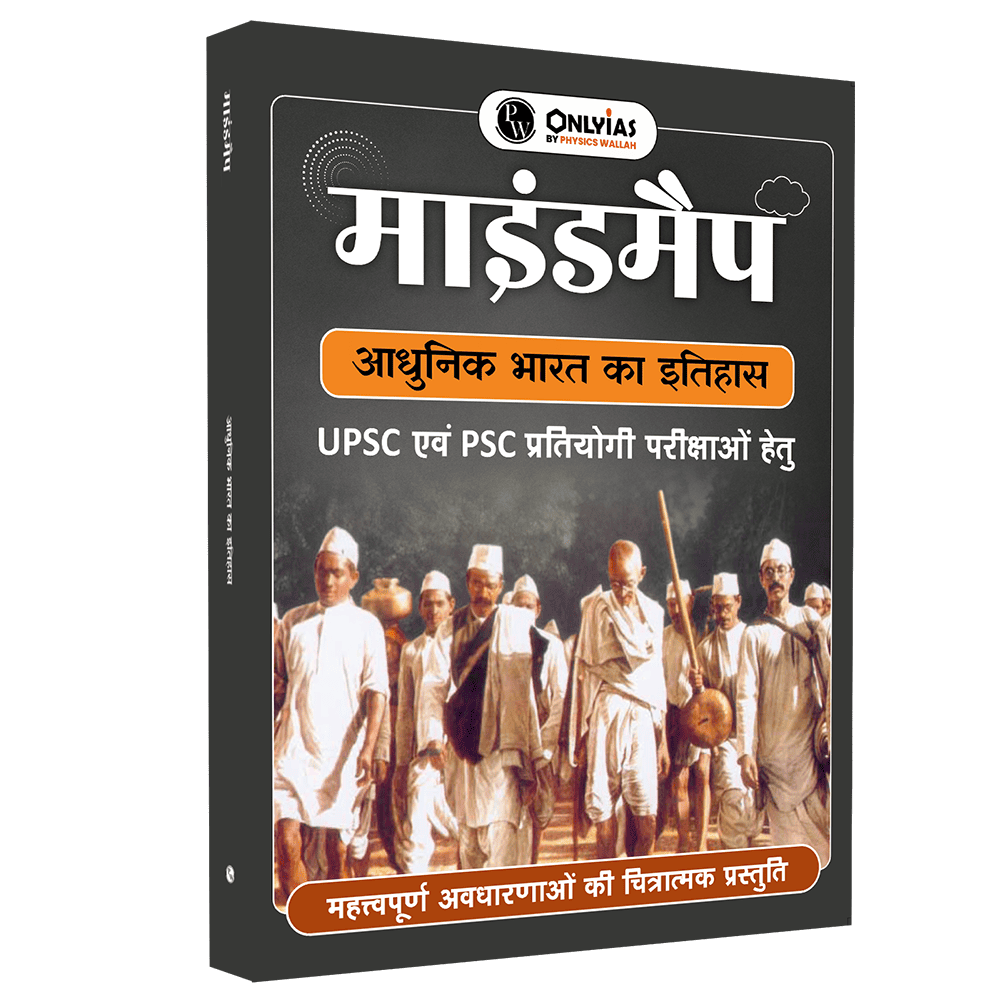
UPSC Preparation Books by PW are designed to help candidates cover the complete UPSC History Syllabus for the 2026 examination in a structured and systematic manner. These resources provide detailed coverage of Ancient, Medieval, Modern, and World History, making it easier to understand important concepts, events, timelines, and historical developments.
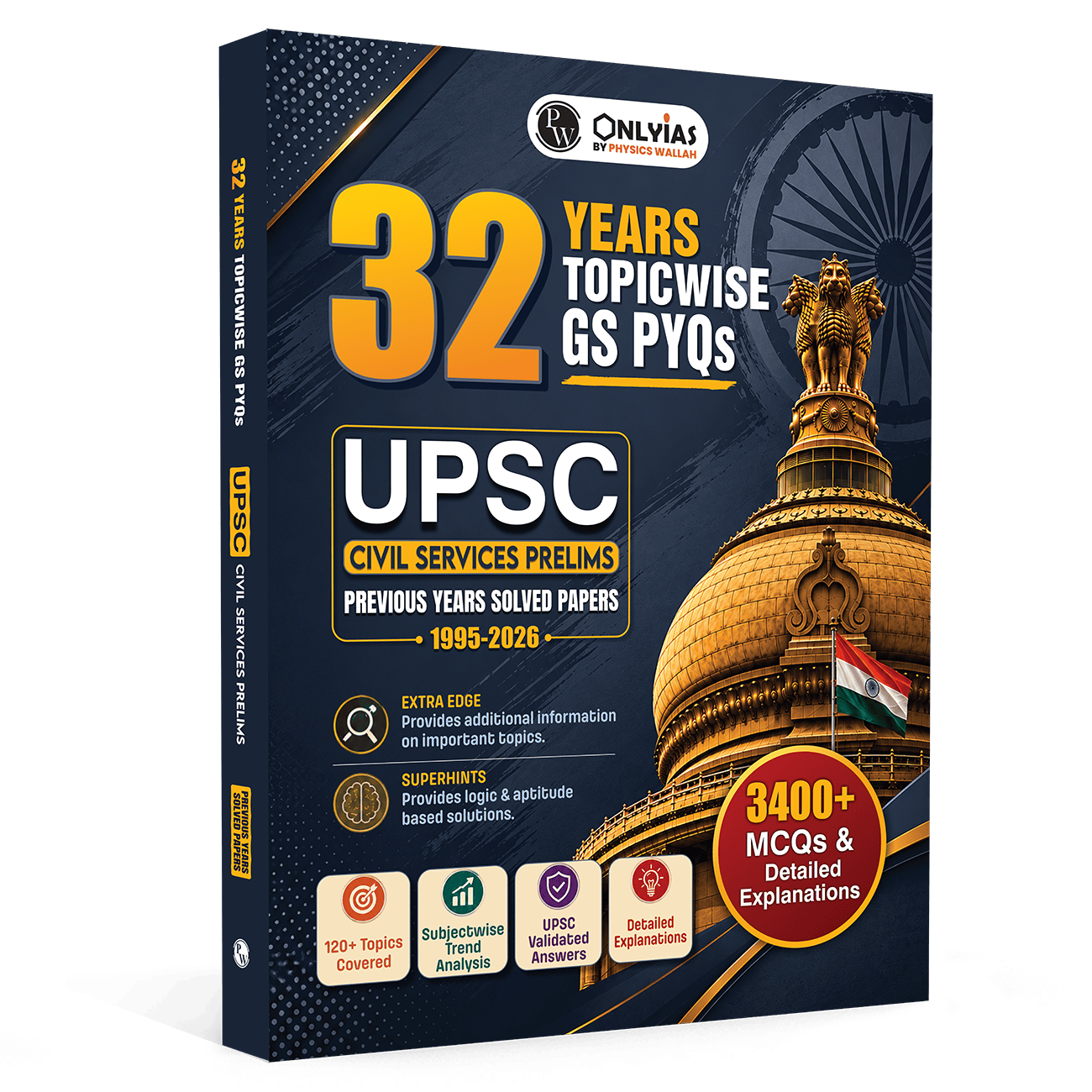
To strengthen your preparation further, you can refer to 32 Years UPSC PYQ book for previous year question practice and trend analysis, Atlas Indian & World 2026 Edition for better understanding of historical geography and map-based learning, and Quarterly Current Affairs UPSC to connect static history topics with current developments for a more integrated preparation approach.
UPSC History Syllabus FAQs
Q1. What is the UPSC History syllabus for Prelims?
Ans. The UPSC History syllabus for Prelims covers Ancient, Medieval, and Modern Indian History, along with the Indian National Movement. It focuses on important events, personalities, and developments in India’s past.
Q2. What key topics are covered in the History optional UPSC syllabus?
Ans. The History optional syllabus for UPSC includes more advanced topics from Ancient, Medieval, Modern Indian History, and World History. It covers politics, economy, society, culture, art, and important movements across these periods.
Q3. Is the UPSC history syllabus tough to study?
Ans. UPSC History syllabus can be tough because it is vast. But with proper planning, useful resources, and regular revision, it becomes easy to manage.
Q4. Is NCERT enough to cover the complete history syllabus for UPSC?
Ans. NCERT books give a strong base, especially for Ancient and Medieval History. But for UPSC, additional reference books such as PW's UPSC preparation books can help you deeply understand key topics.