UPSC Prelims Preparation Tips for 2026 Exam

The UPSC Civil Services Preliminary Examination is the first and most important stage of the UPSC journey. Every year, lakhs of aspirants appear for the exam, but only a small percentage are able to clear Prelims. This makes the competition extremely tough. For UPSC Prelims 2026, success depends on smart planning, choosing the right UPSC study material, and maintaining consistency throughout the preparation. Building strong basics through NCERT, practicing previous year questions, revising regularly, and staying updated with current affairs are essential steps. With focused effort, disciplined study, and proper revision, aspirants can significantly improve their chances of clearing the UPSC Prelims examination.
How Much Time Is Left for UPSC Prelims 2026?
UPSC Prelims is usually held around May–June every year. For the 2026 exam, aspirants still have enough months in hand to prepare well if they follow a proper plan.
The remaining time should be divided into:
-
Concept building
-
Practice using PYQs
-
Multiple revisions
-
Current affairs integration
-
Mock test practice
Remember, UPSC Prelims is not about studying everything, but about revising limited content multiple times.
Start UPSC Preparation with NCERT
Yes, NCERT Books is the foundation of UPSC preparation.
Many questions in Prelims are directly or indirectly based on NCERT concepts. Even difficult questions become easy if your basics are clear.
Why is NCERT Important for UPSC Exam Preparation?
-
Written in simple language
-
Clear explanations of basic concepts
-
Trusted source for UPSC
-
Helps in both Prelims and Mains
NCERT to Focus On
-
History: Class 6 to 12
-
Geography: Class 6 to 12 (very important)
-
Polity: Class 9 to 12
-
Economics: Class 9 to 12
-
Environment: Class 11–12 Biology (selective)
How to Read NCERT for UPSC Exam Preparation?
-
Read line by line
-
Focus on keywords
-
Highlight important points
-
Revise each NCERT at least 2–3 times
-
Make short notes only if required
Do not rush to advanced books before completing NCERT properly.
Role of UPSC PYQ (Previous Year Questions)
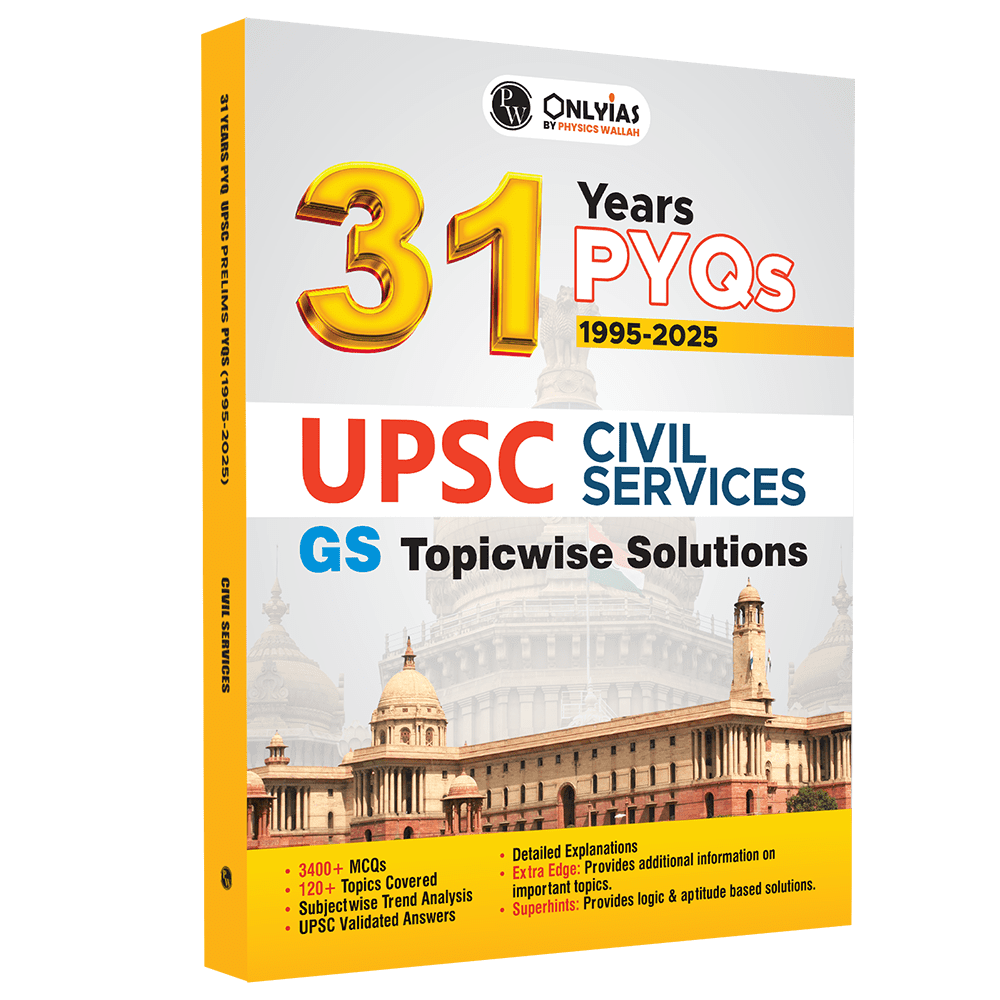
UPSC previous year papers are one of the most important tools for UPSC Prelims preparation.
How Does UPSC PYQ Help?
-
Show the UPSC question trend
-
Help understand the level of depth required
-
Reveal important topics
-
Improve elimination skills
-
Reduce unnecessary study
UPSC often repeats concepts, not exact questions. If you solve PYQs from the last 10–15 years, you will clearly understand:
-
What UPSC asks
-
What UPSC ignores
How to Use UPSC PYQ Effectively
-
Solve subject-wise PYQs after finishing that subject
-
Analyze why an option is correct or incorrect
-
Link PYQs with NCERT and basic books
-
Note repeated themes like:
-
Polity articles
-
Environment conventions
-
Geography mapping
PYQs should be revised multiple times before the exam.
Importance of UPSC Revision Books
UPSC revision books help in quick recall before the exam. Since UPSC Prelims is a factual and objective exam, revision is extremely important.
Why Are UPSC Revision Books Needed?
-
Limited content in short form
-
Easy to revise multiple times
-
Saves time during final months
-
Improves accuracy
How to Use UPSC Revision Books?
-
Use them after completing NCERT
-
Do not use too many books
-
Stick to one source per subject
-
Revise weekly and monthly
Your goal should be to revise the same content again and again, not to collect new material.
How Current Affairs Help in UPSC ?
Current affairs play a very important role in UPSC Prelims. Around 25–30 questions are directly or indirectly related to current events.
Why is UPSC Current Affairs Important?
-
Questions from:
-
Environment
-
Economy
-
Science & Tech
-
International relations
-
Static topics are often linked with current news
-
Helps in both Prelims and Mains
How to Prepare UPSC Current Affairs?
-
Focus on last 12–18 months
-
Cover:
-
Government schemes
-
Reports and indices
-
Environmental issues
-
International organizations
-
Science developments
-
Make short notes topic-wise
-
Revise current affairs regularly
Avoid reading too many sources. Consistency matters more than quantity.
Smart Revision and Mock Tests
Many students fail Prelims not due to lack of study, but due to lack of revision and practice.
Revision Strategy
-
Weekly revision of what you studied
-
Monthly revision of completed subjects
-
Final 2–3 months only for revision and tests
Mock Tests
-
Start mock tests after completing basic syllabus
-
Analyze every test properly
-
Learn time management
-
Improve option elimination skills
Mocks help you understand your mistakes before the real exam.
Read More: UPSC Prelims Previous Year Question Papers with Downloaded PDF
UPSC Prelims Preparation Tips for 2026 Exam FAQs
1. Is it necessary to start UPSC preparation with NCERT books?
Yes, NCERT is very important. They help in building strong basic concepts, which are essential for solving Prelims questions.
2. How many years of PYQs should be solved for Prelims?
You should solve at least 10–15 years of UPSC Prelims PYQs to understand the exam pattern and question trends.
3. How important are current affairs for UPSC Prelims?
Current affairs are very important. Around 25–30 questions are directly or indirectly linked to current events.
4. Should I read multiple books for one subject?
No. Stick to one basic book and one revision source per subject. Too many books create confusion.
5. How many times should I revise before Prelims?
Each subject should be revised at least 3–4 times before the exam for better retention.