Who should Start with UPSC Test Series — 2-Year Aspirants or Earlier
Many candidates struggle to balance standard textbook readings with testing, often delaying practice until the final months. Figuring out whether to practice early or wait until completing the syllabus determines how effectively you build exam-level confidence and manage time during the actual examination.
When you plan your schedule, knowing how to approach the UPSC prelims test series saves valuable preparation months. This mid-term guide evaluates whether first-year students or Year-2 aspirants should initiate regular mock sessions to build an optimal preparation trajectory.
What Is a UPSC Prelims Test Series?
A UPSC prelims test series is a structured set of mock exams designed to replicate the actual Civil Services Preliminary examination. It consists of multiple-length mock papers that follow the latest exam patterns, trends, and evolving difficulty levels set by the commission.
These practice modules act as a tool for self-assessment, allowing candidates to check their performance, track subject-wise understanding, and identify specific weak areas before the actual test day.
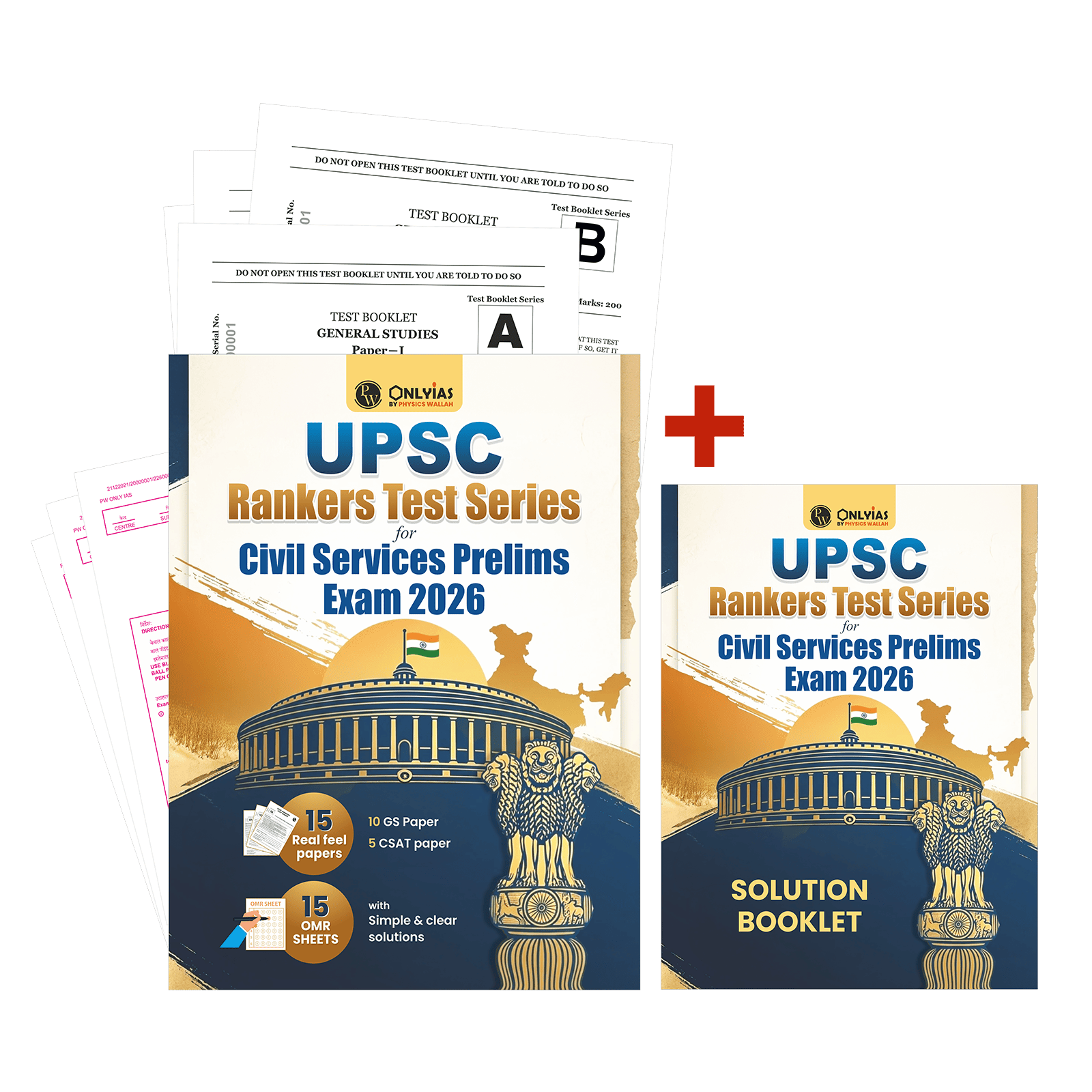
A comprehensive mock pack typically includes full-length practice tests, detailed answer solutions, and dedicated answer sheets. For example, a standard physical kit like a UPSC test series book often contains fifteen practice booklets along with fifteen OMR sheets for real exam practice.
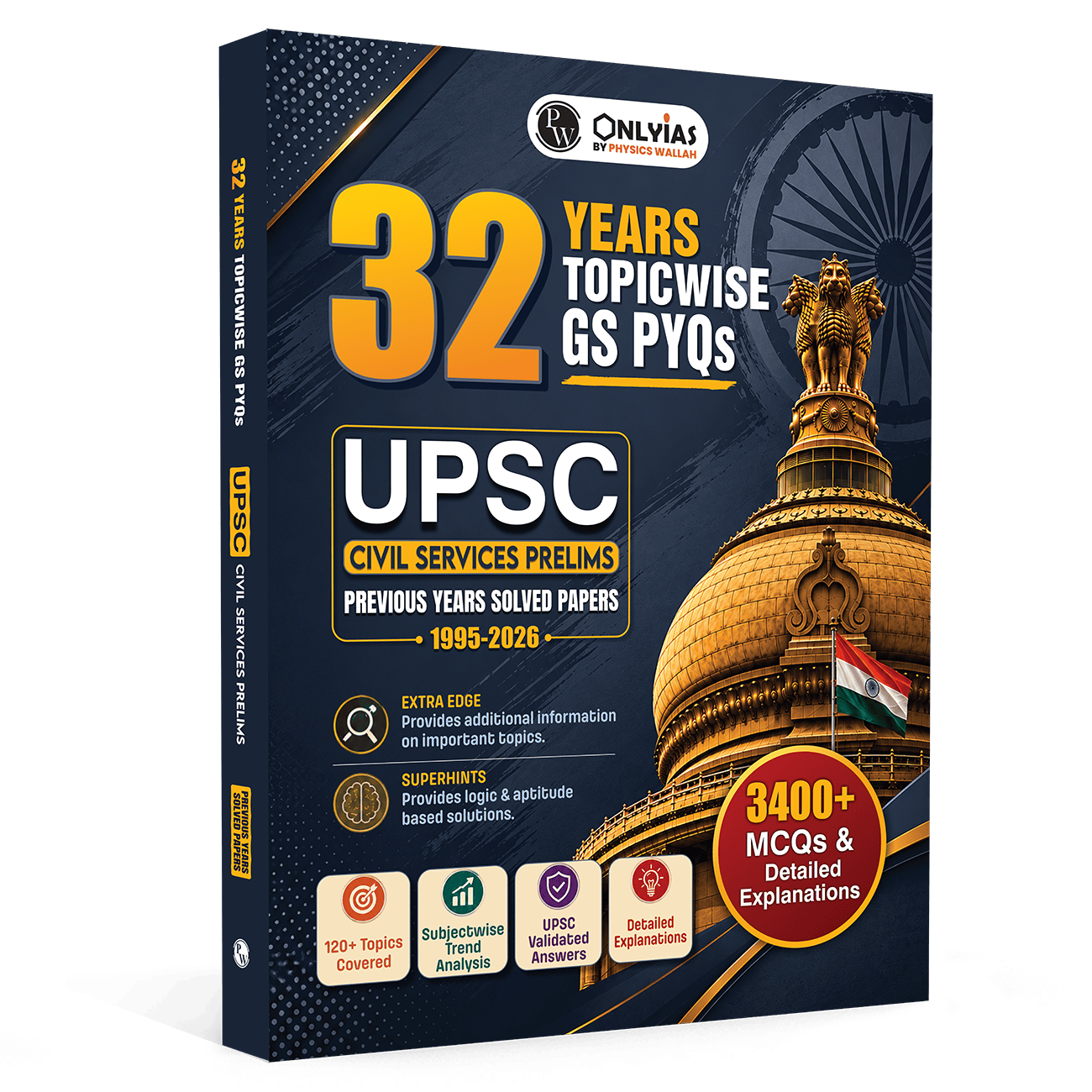
These resources provide candidates with detailed and easy-to-understand explanations to clear conceptual blockages and develop analytical problem-solving abilities.
When Should Aspirants Start a UPSC Prelims Test Series?
The perfect timeline to begin a UPSC prelims test series depends heavily on your current familiarity with the core syllabus. Starting too early without basic reading leads to low scores and unnecessary demotivation. Conversely, delaying your first UPSC test series until the final month leaves zero time to rectify mistakes or cover structural gaps in your general studies papers.
For most candidates, the ideal period to join a test program is after completing at least sixty to seventy percent of the core static subjects. This ensures you have enough background knowledge to read, understand, and analyze questions instead of guessing blindly. If you are targeting the upcoming cycle, utilizing a dedicated UPSC prelims test series 2026 during your mid-term preparation provides a balanced framework for testing and timely revision.
How Does the UPSC Prelims Test Series Fit Into Different Preparation Stages?
Aspirants approach the Civil Services exam through different timelines, making it necessary to adapt mock schedules based on individual preparation stages.
Early Stage Aspirants (First Year of Preparation)
Candidates in their first year should focus primarily on building a foundation through standard textbooks and reference materials. Introducing a full-length test series for UPSC at this point is generally counterproductive. Instead, early-stage candidates should practice short, topic-wise questions at the end of chapters to reinforce static facts without attempting complete papers.
Mid-Term Stage Aspirants (Year-2 and Repeaters)
Year-2 aspirants and those making subsequent attempts stand to gain the most from regular testing. At this mid-term junction, candidates already possess a foundational grasp of basic subjects. Integrating a UPSC prelims mock test into weekly schedules helps bridge the gap between theoretical knowledge and practical question-solving. It allows candidates to learn how to eliminate options under simulated time constraints.
-
Foundation Stage: Focus on foundational UPSC books readings and daily current affairs notes. Avoid full-length mocks.
-
Mid-Term Stage: Incorporate regular topic-based tests and sectional papers to build speed and accuracy.
-
Advanced Stage: Attempt full-length mock papers using physical OMR sheets to replicate real exam conditions.
Benefits of UPSC Prelims Test Series
Engaging in structured mock practice provides distinct tactical advantages that cannot be achieved through passive reading alone. Below are the key benefits of incorporating mock booklets into your regular routine:
-
Familiarity with Exam Trends: Regular practice ensures candidates are aligned with the evolving trends and changing nature of the preliminary examination.
-
Real Exam Simulation: Practicing with physical UPSC-style OMR sheets helps candidates minimize manual marking errors and improve real-time speed.
-
Detailed Conceptual Clarity: High-quality mock explanations offer comprehensive solutions that strengthen problem-solving skills and clarify complex historical or political concepts.
-
Performance Tracking: Sectional and full-length evaluation lets you measure your progress over time, revealing which topics require immediate revision.
How UPSC Prelims Test Series Helps Advanced Aspirants Improve Scores?
Advanced aspirants often hit a scoring plateau where their marks fluctuate between eighty and ninety points on mock papers. Breaking through this barrier requires strategic adjustments that a high-quality UPSC prelims test series facilitates.
By analyzing mock results, advanced students can classify their errors into distinct categories: conceptual blind spots, misread questions, or faulty elimination. Reviewing detailed solution keys allows candidates to fine-tune their educated guessing techniques and understand exactly why two seemingly correct options differ.
This systematic correction directly improves accuracy, helping candidates secure those vital extra marks needed to cross the changing cutoff thresholds safely.
Study Strategy Plan with UPSC Prelims Test Series
To extract maximum value from your preparation resources, you must follow a structured plan that integrates testing with active revision cycles. The table below outlines a balanced mid-term approach for managing your mock test schedule:
|
Preparation Phase |
Test Focus Area |
Weekly Frequency |
Primary Revision Strategy |
|
Phase 1: Sectional Content |
Subject-specific chapters (e.g., Polity, Economy) |
1 Sectional Test |
Review weak chapters highlighted by incorrect mock answers. |
|
Phase 2: Sub-Sectional Mix |
Combined subjects & current affairs modules |
1–2 Mixed Tests |
Compare explanation booklets against standard reference notes. |
|
Phase 3: Simulation Phase |
Full-length GS Papers and CSAT booklets |
2 Full Tests |
Practice with physical OMR sheets under strict two-hour limits. |
Check Out: UPSC Previous Year Papers
Common Mistakes to Avoid While Starting a UPSC Prelims Test Series
Many candidates fail to see improvements in their scores because they handle mock resources incorrectly during their preparation cycles. Avoid these common operational errors:
-
Postponing Tests Indefinitely: Waiting to finish one hundred percent of the syllabus before attempting a test is a major trap. The syllabus is vast, and delaying practice prevents you from rectifying weak application habits in time.
-
Ignoring Test Analysis: Spending two hours taking a test but failing to spend equal time reading the solution booklet defeats the purpose of the exercise. The real learning happens during post-test review.
-
Relying on Screen-Based Solving: Solving question papers entirely on laptops or smartphones fails to prepare your mind for physical coordination. Always practice on printed booklets with paper answer sheets to build authentic exam endurance.
-
Over-Focusing on Marks: Getting discouraged by low scores in initial tests causes anxiety. Treat early mock outcomes as diagnostic indicators rather than final predictions of your actual exam performance.
Read More: What Are UPSC PYQs and Why Are They Important?
UPSC Prelims Test Series FAQs
Q1: How many mock papers should be practiced in a standard UPSC prelims test series?
A1: A balanced prep plan generally involves solving around thirty to forty papers, starting with sectional topics and progressing towards fifteen full-length mock booklets to establish proper time management skills.
Q2: Can a beginner start directly with a UPSC test series book?
A2: Beginners should first finish basic foundational readings before moving to a dedicated question book. Starting mid-term allows you to utilize the detailed explanations effectively without facing undue confusion.
Q3: What is the best way to analyze a test series for UPSC?
A3: Review every question post-exam, checking the solutions for both correct and incorrect answers. Note down recurring errors in a separate journal to revise complex factual pointers before the final exam day.
Q4: Is it necessary to use OMR sheets during a UPSC mock test?
A4: Yes, using physical sheets during your mock session builds muscle memory and reduces bubble-shading errors, preparing you fully for the real operational environment of the examination hall.
Q5: How does a UPSC prelims mock test help handle negative marking?
A5: It teaches you accurate risk calculation by showing you how many calculated guesses turn into correct responses, allowing you to fine-tune your elimination strategy over multiple attempts.