How to use Lakshya JEE Class 12 Modules to Bridge Class 11 and Class 12 JEE Content
Many students enter their final year of engineering preparation carrying a heavy burden of incomplete backlogs. Balancing the advanced curriculum of the final school year while trying to fix weaker foundations can feel incredibly overwhelming.
The common hurdle is knowing how to revise old chapters without falling behind on current classroom topics. Using the right resource strategically makes it possible to close these learning gaps systematically. This guide explains how to strategically deploy the Lakshya class 12 modules to form a reliable academic bridge between the two tiers of your preparation.
Overview of the Lakshya Class 12 Modules
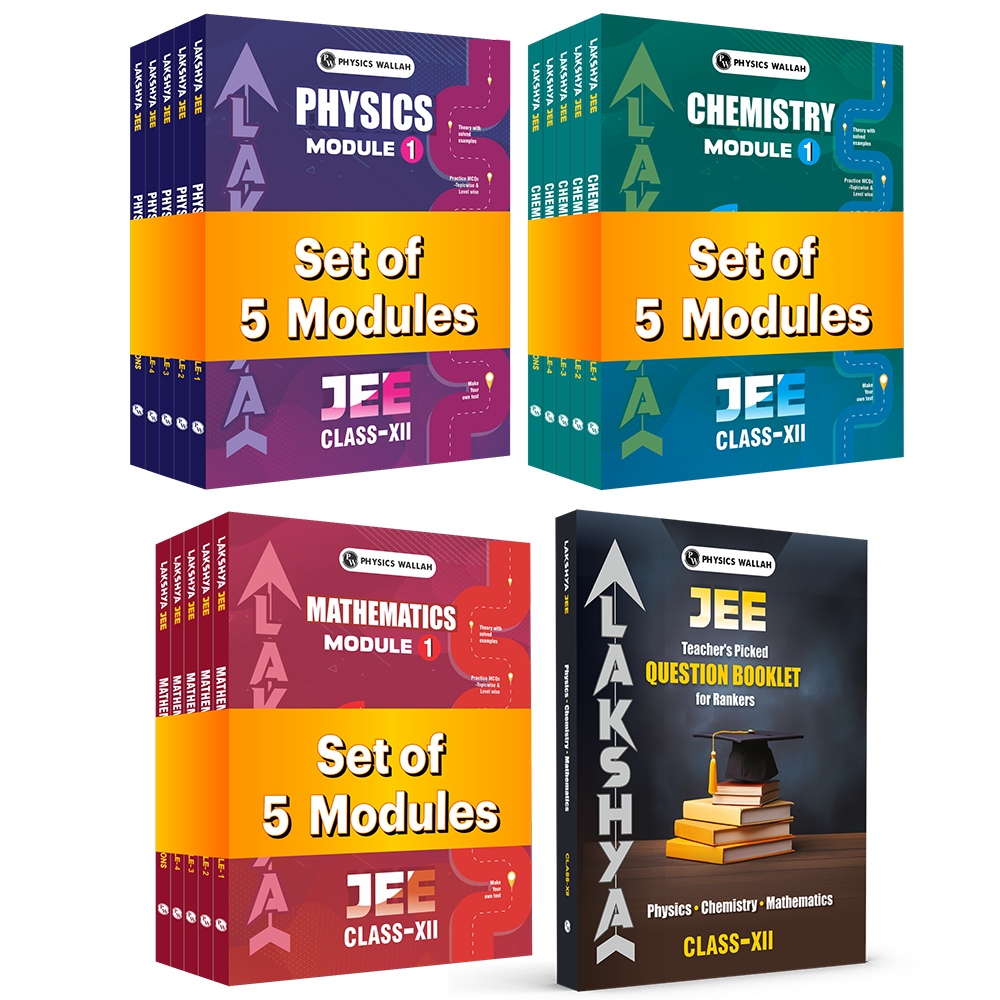
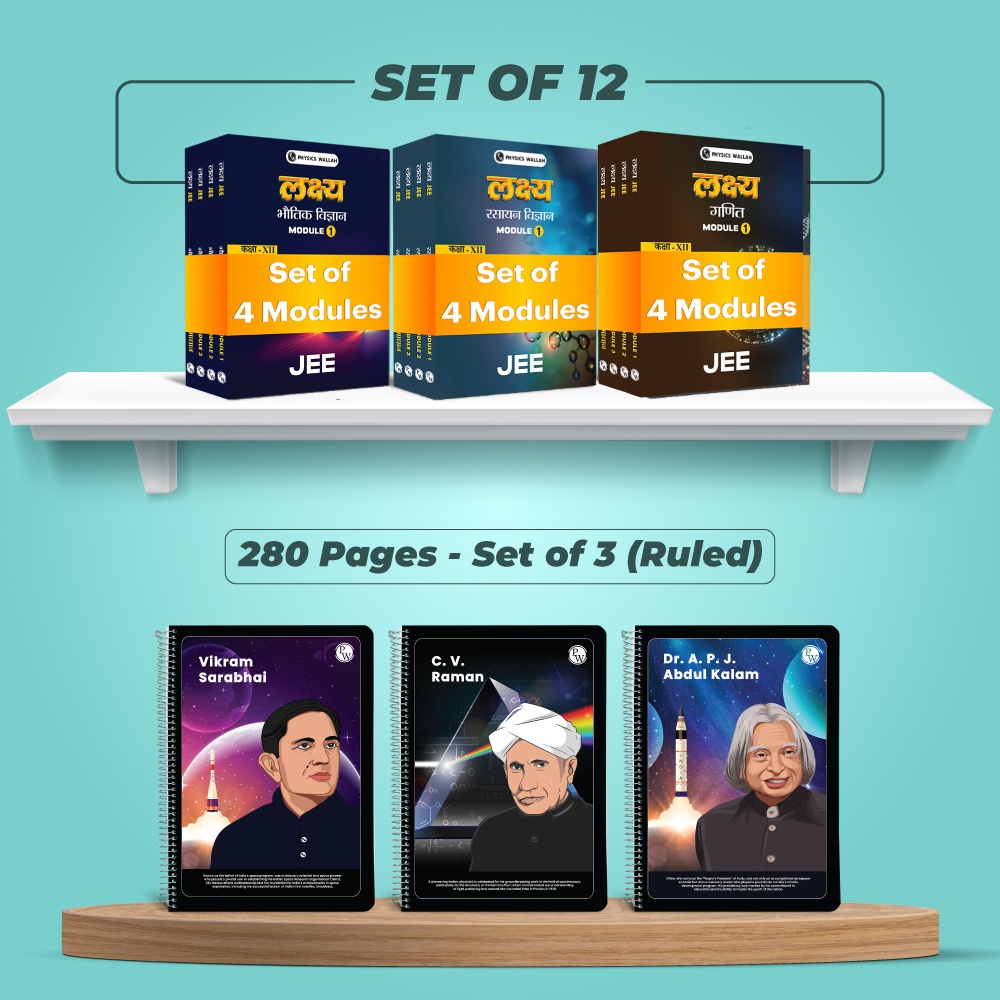
The Lakshya class 12 modules form a comprehensive 16-book print compilation designed specifically for students targeting the upcoming engineering entrance examinations. The set includes specific conceptual sections to help track progress:
-
Engaging Chapter Openers: Introductory narratives and puzzles that build intuitive logic before diving into complex formulas.
-
Exam-Oriented Theory: Simple, direct explanations paired with targeted text examples to link core logic with real application.
-
Check Your Understanding: Prompt topic-wise tracking questions placed right after theories for quick self-assessment.
-
Prarambh Section: Dedicated foundational exercises structured to strengthen fundamental mechanisms.
-
Prabal Section: Focused question sets built around accuracy, smart timing, and direct exam replication.
-
Parikshit Section: Advanced multi-concept problem banks tailored for deep analytical reasoning.
-
Setu (Bridge) Section: A critical transition zone designed to lift problem-solving abilities from standard levels up to advanced competitive benchmarks.
-
Past Year Questions: Actual papers from the last 7 years are mapped directly into chapters to highlight changing trends.
Importance of the Lakshya Class 12 Modules
The actual value of utilizing the Lakshya class 12 modules lies in their strategic design. This collection uses historical data from the past 7 years of engineering papers to highlight chapter-wise weightage. This prevents you from wasting energy on low-yield chapters while ignoring critical sections that dominate the final score.
The integrated framework ensures that you do not need to flip through multiple reference booklets. By combining targeted theory, conceptual exercises, and full solutions into a single structured toolkit, it removes random guesswork. This focused approach helps you track your weak areas in real time, turning cluttered study routines into an orderly, goal-driven plan.
Students can further strengthen their preparation by using JEE Modules alongside this approach, as they provide systematic topic coverage, structured practice sets, and progressive difficulty levels that align closely with actual entrance exam expectations.
Engineering entrance papers do not isolate topics by school terms. A single advanced problem often requires you to apply basic mechanics alongside modern topics. If your early foundation is shaky, your current progress will inevitably stall.
|
Interconnected Concepts |
Why the Connection Matters |
|
Mechanics & Electrostatics |
Field theories and potential energy calculations rely heavily on fundamental work-power laws. |
|
Algebra & Calculus |
Advanced calculus functions require flawless clarity in basic equations and coordinate geometry. |
|
Chemical Bonding & Organic Reaction Mechanics |
Complex structural mechanisms in late chapters depend entirely on your grip of periodic properties. |
How do the Lakshya Class 12 Modules Help Revise Class 11 Concepts?
The major problem with secondary-year preparation is that you cannot afford to stop current topics to read old books from scratch. The Lakshya class 12 modules resolve this issue via the specialized Setu (Bridge) Section and the structured Prarambh Section. These built-in pathways allow you to review older prerequisite concepts exactly when a new chapter requires them.
For example, before you begin studying complex electrostatics, the module highlights the exact laws of gravitation and vectors you need to review. This targeted method means you only revise what is necessary for your current topics, rather than wasting days reviewing entire old notebooks. It provides a structured shortcut to patch up your academic backlogs without disrupting your current classroom schedule.
Benefits of the Lakshya Class 12 Modules
Using a unified set of books gives you a clear structural advantage over trying to patch your preparation together with random papers. The Lakshya class 12 modules offer distinct advantages for daily preparation:
-
Flawless Multi-Level Practice: Move smoothly from basic conceptual application up to high-level multi-step reasoning problems within the exact same chapter profile.
-
Data-Driven Focus: Use exact chapter weightage matrices based on 7 years of actual exam trends to prioritize high-impact chapters first.
-
Comprehensive Question Formats: Work systematically through multiple-correct choice, matrix matches, comprehension blocks, integers, and numerical range items.
-
Instant Query Resolution: Use the matching detailed explanation booklets to fix mistakes immediately without waiting for extra guidance.
-
QR-Based Assessment Engines: Generate custom mock papers on demand to evaluate your factual retention at the end of each topic block.
Study Plan for Lakshya Class 12 Modules
To balance both preparation phases effectively, you must follow a disciplined weekly calendar. The schedule below shows how to distribute your study hours using the specialized divisions inside the books:
Phase 1: Prerequisite Alignment (Days 1 to 2)
Spend the opening days of any new chapter tracking down foundational links. Open the Lakshya JEE physics module or the relevant mathematics book to check the required background concepts.
Phase 2: Main Curriculum Consolidation (Days 3 to 5)
Focus on current classroom topics during the middle of the week. Read through the exam-oriented theory explanations and tackle the topic-wise questions immediately. Once you feel confident, dive into the Prabal Section to practice solving exam-level questions under realistic time limits. To strengthen application skills, include JEE Previous Year Papers during this phase to understand actual question patterns and identify recurring concepts.
Phase 3: Advanced Extension & Revision (Days 6 to 7)
Use the weekend to push your boundaries. Open the chemistry module class 12 text or parallel sheets to solve multi-step problems inside the Parikshit Section. Wrap up your week by tackling the Lakshya JEE maths module past year questions and additional JEE Previous Year Papers to verify if your problem-solving level matches actual exam standards.
How to Use the Lakshya Class 12 Modules?
Maximizing the output of your Lakshya JEE modules requires a structured, step-by-step approach to every chapter. Follow this execution plan to build deep conceptual clarity:
-
Step 1: Check Chapter Openers: Read intuitive introductory riddles to grasp core concepts.
-
Step 2: Read Theory & Examples: Study explanations and review text-solved samples.
-
Step 3: Run Checkpoints: Complete topic-wise questions immediately to verify your understanding.
-
Step 4: Solve Prarambh Sets: Work through fundamental drills to fix hidden learning gaps.
-
Step 5: Cross the Bridge: Use the Setu tier to shift smoothly toward advanced problems.
Common Mistakes to Avoid While Using the Lakshya Class 12 Modules
Even with high-quality books, improper study habits can limit your actual progress. Avoid these common traps while working through your Lakshya JEE module class 12 set:
-
Skipping Foundational Sections: Jumping straight to advanced problem banks while ignoring introductory drills often leaves conceptual gaps wide open.
-
Passive Reading of Solutions: Looking at answers immediately when stuck creates a false sense of confidence. Always try to solve a problem at least three times before checking the solution booklet.
-
Ignoring the Structural Weightage: Spending weeks on low-yield chapters while ignoring heavy-weight segments disrupts your overall score balance.
-
Failing to Track Mistake Logs: Running through questions without marking tough items makes future revision sessions highly disorganized. Always highlight tricky problems for later review.
Read More: How to Use PW JEE Modules for 180+ score in Mains
Lakshya Class 12 Modules FAQs
Can I clear my old backlogs using the Lakshya class 12 modules?
Yes, these books feature a specialized Setu division and foundational drills designed specifically to review critical older prerequisites while keeping up with current topics.
How does the Lakshya JEE physics module handle tough multi-concept questions?
The book breaks down advanced problems into step-by-step levels, moving from basic application in the initial exercises up to complex analytical tracking inside the advanced sections.
Are the solutions in the Lakshya JEE modules 2026 combo easy to follow?
The combo includes a dedicated, comprehensive booklet containing clear, step-by-step mathematical explanations for every problem across all subjects.
Should I practice the chemistry module class 12 questions daily?
Yes, regular practice across physical, organic, and inorganic sections ensures you build strong calculation accuracy alongside reliable conceptual recall.
What makes the Lakshya JEE maths module effective for time management?
The module features a dedicated section focused entirely on competitive timing, helping you master shortcuts, track speed variations, and optimize your exam-day strategy.