How to Use PW JEE Modules for 180+ Score in Mains

PW JEE Modules are specialized study resources developed by Physics Wallah to help IIT-JEE aspirants achieve high scores through a structured, multi-level learning approach. These PW JEE modules combine concise, NCERT-focused theory with graded exercise sets and previous year questions (PYQs), providing a comprehensive roadmap for students to master complex concepts and improve problem-solving speed for the Mains exam.
Mastering Your Prep with PW JEE Modules Class 11 and 12
For scoring 180+ in JEE Mains, your learning needs to be both in-depth and broad. The PW JEE Modules are particularly developed to help you with this, right from the basic PW JEE Modules Class 11 to the more application-oriented topics of Class 12. The PW JEE Modules help you segment the enormous syllabus of JEE exams and leave no stone unturned.
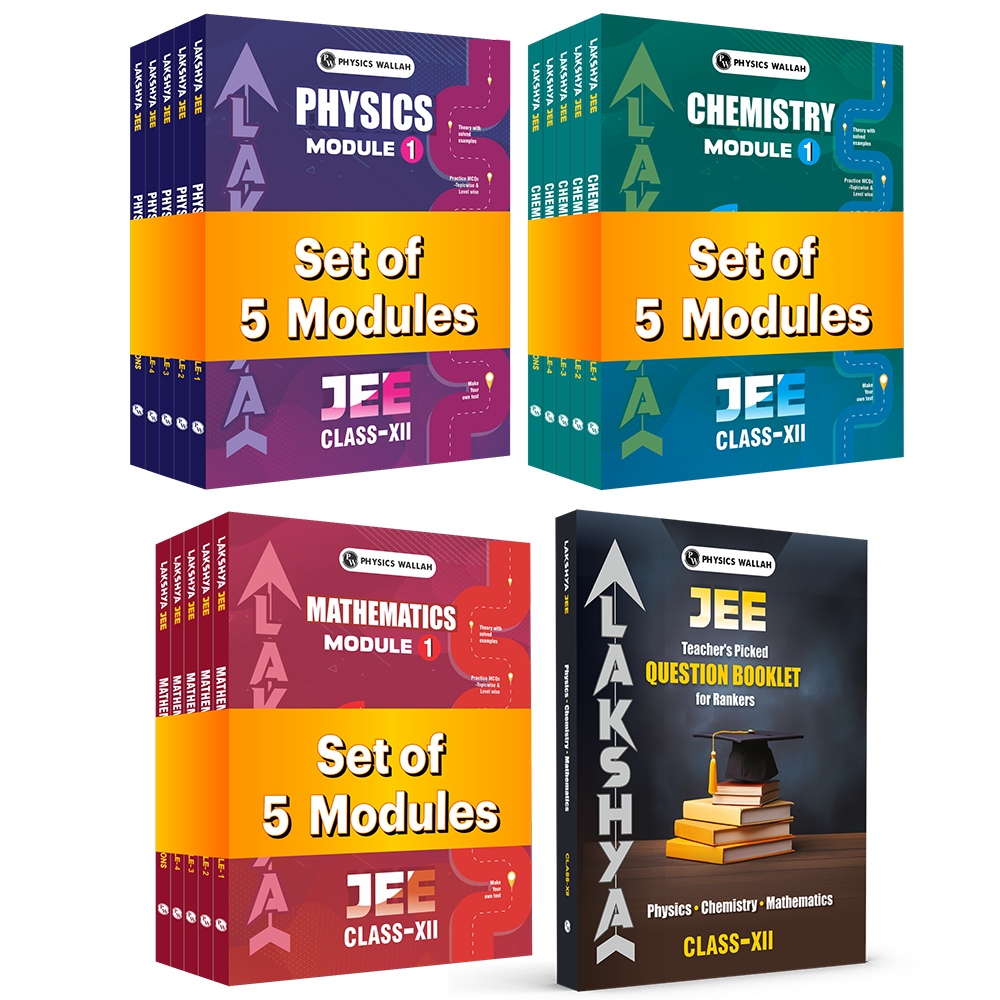
Although many are looking for PW JEE modules pdf free download and PW JEE modules free pdf, the best methods through which one can tap the benefits related to such study materials are through the physical packs. These packs are known to contain a huge number of books, which are around 15 to18, and include Physics, Chemistry, and Mathematics in their entirety. For those who are looking to get copies in PDF form, the PW JEE modules pdf can be accessed by those enrolled in the respective PW batches in Arjuna or Lakshya.
The real secret to using these modules for a high score lies in their structure. By moving systematically from theory to the "Knowledge Hub" and then through tiered practice sets, you build the mental stamina required for the actual exam. Whether you are using the physical copies or a PW JEE modules pdf, the key is to treat every chapter as a winnable milestone on your way to an engineering seat.
Detailed Features of PW JEE Modules for Exam Success
The effectiveness of PW JEE modules comes from their "Staircase Pedagogy," which ensures that a student’s confidence grows as they progress through each topic. Here is how you can use the specific features of these modules to secure a 180+ score.
1. NCERT-Focused Theory and Knowledge Hubs
JEE Mains frequently tests fundamental concepts directly from the NCERT curriculum, especially in Chemistry. Every chapter in the PW JEE Lakshya modules begins with NCERT-focused theory that strips away the fluff and focuses on what actually appears in the exam.
A standout feature is the Knowledge Hub, which acts as a "pro-tip" summary. It contains high-priority points, essential formulas, and "Knowledge Hub" tips that are perfect for quick revision. If you have limited time before a mock test, focusing on these hubs can help you recall the most vital information quickly.
2. Multi-Level Exercise Sets (Levels 1, 2, and 3)
Practice makes perfect, but only if that practice is graded. The PW JEE modules offer a three-tier exercise system:
-
Level 1 (Mains Focus): These questions solidify your basic understanding and help you gain the speed required for the 180+ mark.
-
Level 2 (Mixed Concepts): These problems link different topics within a subject, mirroring the more analytical questions often found in the latter half of the Mains paper.
-
Level 3 (Advanced Prep): For those aiming even higher, Level 3 pushes your logical boundaries and prepares you for the toughest questions NTA might throw at you.
3. Solved PYQs and OMR Simulation
You cannot truly be ready for JEE without knowing its history. These modules include integrated Previous Year Questions (PYQs) from the last 10 to 15 years. By solving these, you learn the "language" of the examiner. Additionally, the modules come with OMR sheets. Practicing your revision on actual OMR sheets is a vital "best-practice" that helps reduce technical errors and improves your marking speed for the offline sections of the exam.
Turning Practice into Progress
Success in the JEE isn't just about reading; it's about doing. These PW JEE modules transform passive reading into an active problem-solving experience by bridging the gap between theoretical concepts and their numerical applications. By treating each PW Prayas module as a conquered achievement and mastering the graded exercises, you systematically eliminate academic blind spots.
Whether you are looking to finesse the art of learning Inorganic Chemistry or exploring topics in Calculus, these modules help you in achieving the kind of momentum required in crossing the 180-mark hurdle. This will allow you to prepare for the rigorous environment of the Mains Exam and help in securing a position in the top ranks of your competitive exam.
Read More: JEE Main Previous Year Question Papers, Download PDF
Mastering Prep with PW JEE Modules FAQs
1. Are the PW JEE modules enough to score 180+ in Mains?
Well, the fact is that the PW JEE modules cover almost 100% of the entire Mains syllabus. With the entire theory done in the NCERT pattern and the level 1 and 2 exercises done, a candidate is assured of scoring 180 and above.
2. How can I get the PW JEE modules pdf free download?
The PW JEE Modules PDF is usually given as an e-resource to students enrolling in the online batches of PW. You can also get at PW Store Website.
3. How do the Knowledge Hubs help in revision?
The Knowledge Hubs serve as a condensed version of the chapter. They include all the "must-know" formulas and tips, making them the most efficient tool for last-minute revision when you cannot afford to read the entire theory.
4. Do these modules contain 2024 and 2025 solved papers?
The latest editions of the PW JEE modules are updated to include recent solved papers and trend analysis, ensuring students are practicing with the most current difficulty levels.
5. Why should I use the OMR sheets provided with the modules?
Practicing with OMR sheets is a proven way to improve accuracy. It helps you get used to the physical act of marking answers, which reduces the chance of making "silly mistakes" that can cost you 5-10 marks in the actual exam.