Which Chemistry MCQ Book is Good for NEET aspirants targeting 180 in Chemistry
While textbook readings give you the theoretical background, translating that knowledge into speed and accuracy requires an exceptional practice resource. Many candidates find themselves lost in massive reference books that deviate from the prescribed syllabus, leading to confusion and wasted preparation hours.
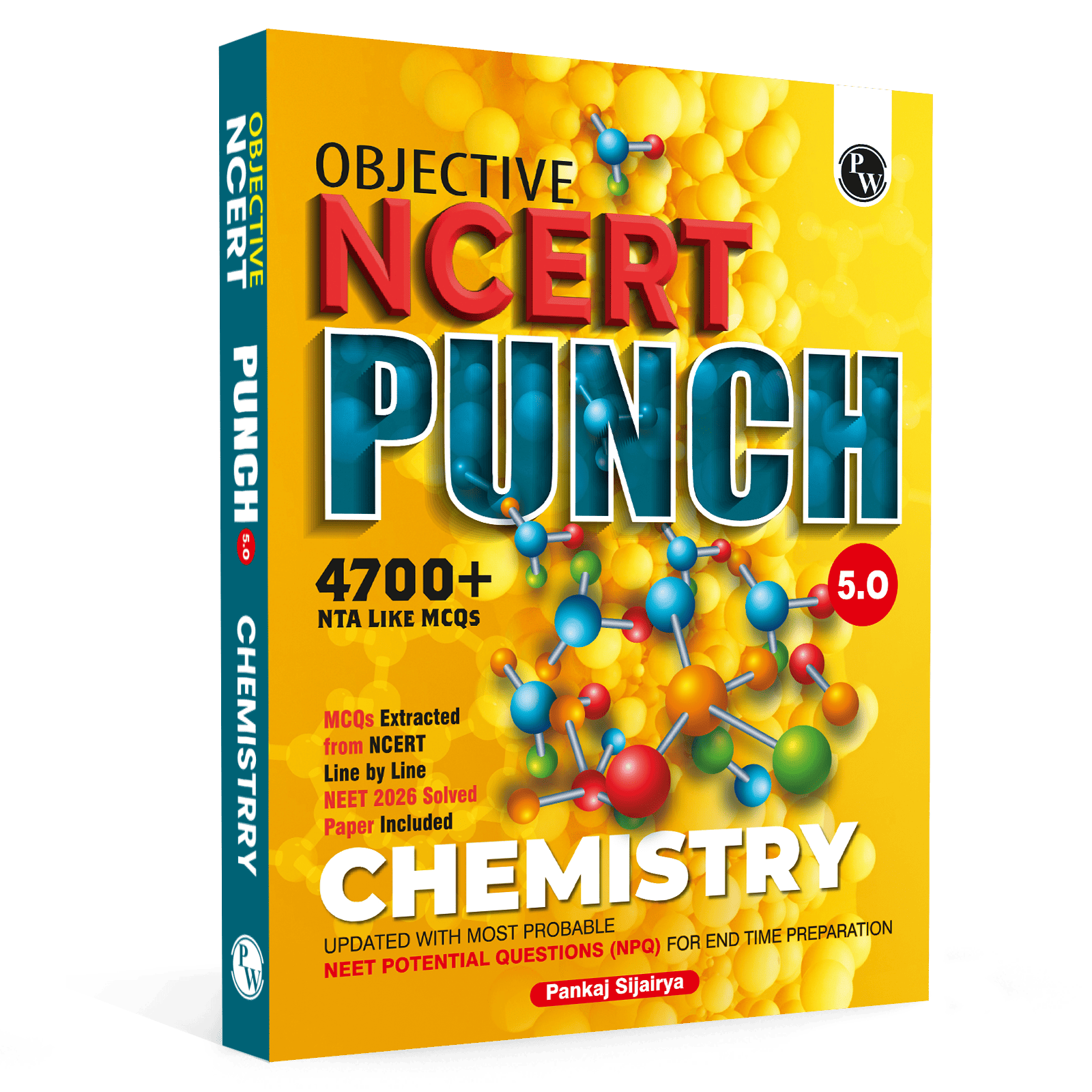
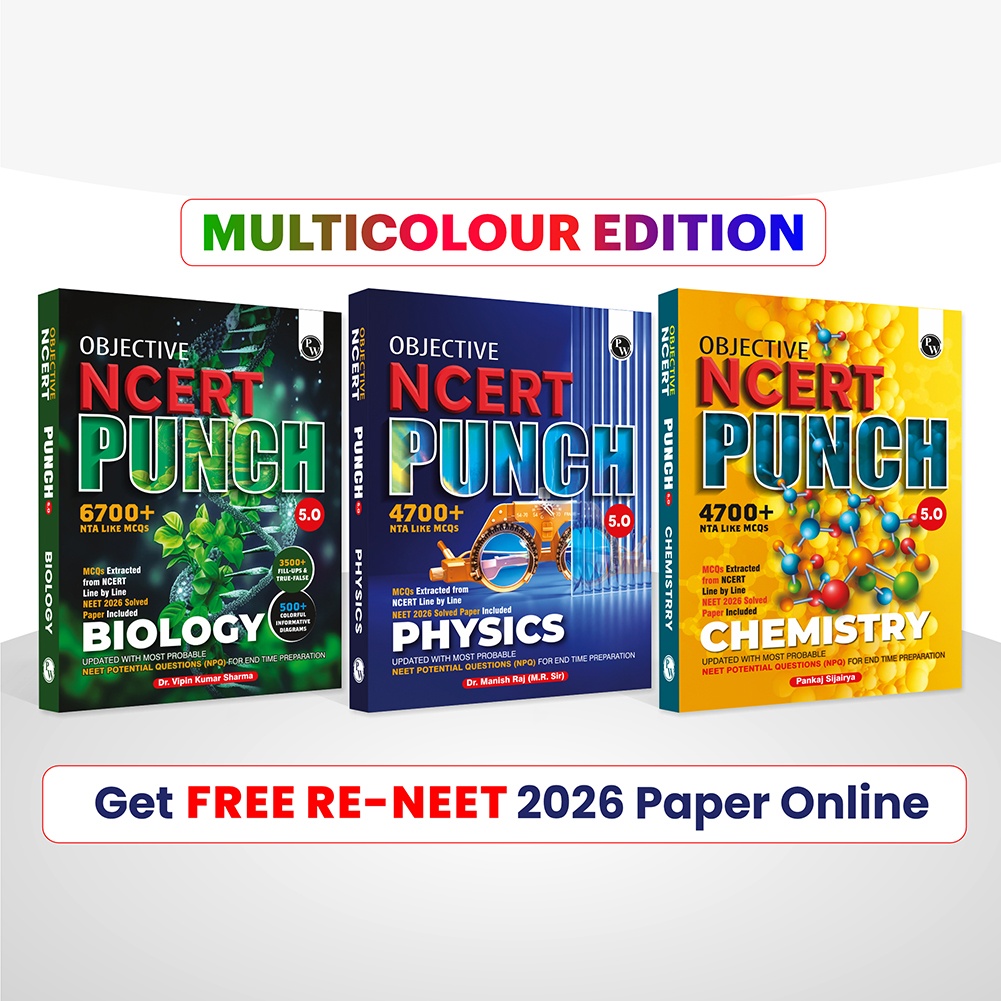
To hit the 180 target, you need a dedicated companion that aligns seamlessly with the current exam trends. The objective NCERT punch chemistry textbook offers an extensive framework designed precisely to bridge this gap, ensuring your practice remains line-by-line and fully geared toward the final test papers.
What Is Objective NCERT Punch Chemistry?
The book known as Objective NCERT Punch Chemistry is a structured, fully updated, and exam-focused preparation.
This resource is engineered specifically for individuals aiming to excel in the upcoming national medical entrance test. The material breaks down the official textbook curriculum line-by-line, transforming static paragraphs into dynamic, practice-oriented elements.
Instead of overwhelming learners with complex theoretical diversions, it maintains an absolute focus on the rationalised curriculum. This ensures that every minute spent studying translates directly into potential exam marks.
The publication serves as a complete practice manual, incorporating a massive bank of over 1500 foundational and advanced items. It addresses the needs of modern learners by providing clear, topic-wise segmentations across all three major branches of the discipline: physical, organic, and inorganic chemistry.
Features of Objective NCERT Punch Chemistry
The complete workbook architecture reveals an array of dedicated sections designed for progressive learning. Understanding these elements helps candidates systematically move from basic recall to complex problem-solving.
-
NCERT-Picks: Every single chapter commences with a specialised section called NCERT-Picks. Here, the core concepts from the standard textbook are simplified, synthesised, and explained. This segment utilizes colourful diagrams, clear flowcharts, and visual learning aids to support long-term concept retention and quick mental reviews.
-
NCERT Line-by-Line Fill-Up and True & False: This practice-based feature forces students to pay close attention to the exact phrasing used in the official syllabus. It provides an immediate check on factual accuracy and conceptual depth, establishing a solid foundation for both board exams and competitive medical screening.
-
NCERT Topic-wise MCQs: The NEET question banks are structured around specific topics within each chapter. This lets you practice questions immediately after reading a particular section, ensuring that your study routine remains tightly integrated and free from premature complexity.
-
1500+ Question Typology: To ensure absolute familiarity with the modern exam format, the book contains a highly diversified array of problem styles. The following table provides a comprehensive overview of the diverse question types embedded within this layout:
|
Question Format |
Educational Objective |
Analytical Focus |
|
Matching Type |
Association & Recall |
Evaluates relationship tracking between compounds, reactions, and properties. |
|
Correct & Incorrect Statements |
Precision Testing |
Challenges the student to identify subtle distinctions in factual statements. |
|
Statement-based Problems |
Comprehensive Evaluation |
Verifies multi-layered understanding of chemical laws and periodic trends. |
|
Assertion & Reason |
Critical Reasoning |
Diagnoses the student's ability to identify cause-and-effect relationships. |
-
High-Order Time Intensive MCQs: These advanced-level items are designed to build stamina and enhance problem-solving speed. They provide deep, step-by-step written explanations to ensure students comprehend the underlying mechanisms behind complex chemical reactions and numerical calculations.
-
NCERT Exemplar MCQs: Curated selections from the official exemplar manuals are paired with detailed clarifications. This layout allows students to master challenging problems, fine-tune application skills, and elevate general exam readiness.
-
Rationalised Content (RC) Tags: The material clearly flags and highlights content rationalised by the official council. This tracking helps students maintain absolute alignment with the latest reduced syllabus, preventing them from studying outdated or omitted chapters.
Check Out - NEET Previous Year Papers
Benefits of Using Objective NCERT Punch Chemistry
Using the objective NCERT punch chemistry edition offers immediate advantages by transforming passive reading routines into active testing sessions.
-
Enhanced Text Retention: Moving from a simple textbook chapter straight into line-by-line fill-ups ensures that names, values, and reaction conditions are firmly embedded in your memory.
-
Elimination of Syllabus Deviation: Because the layout focuses entirely on rationalised content, you will not lose precious preparation days working on topics that are no longer part of the active examination pool.
-
Comprehensive Variety: Practising assertion-reason and statement questions prevents surprises during the examination, as you train your mind to handle complex wording.
-
Visual Learning Advantages: The inclusion of colourful flowcharts and diagrams helps clarify complicated industrial processes, periodic tables, and molecular geometries.
-
Self-Contained Explanations: The presence of detailed answers within the advanced segments allows you to learn from mistakes immediately without needing to browse external reference platforms.
Why Objective NCERT Punch Chemistry is Good for 180-Target Aspirants?
Securing a perfect score of 180 in this specific subject demands a complete elimination of guesswork. The objective NCERT punch chemistry manual acts as a high-yield diagnostic tool to make sure no blind spots remain in your preparation.
-
Targeted Revision Segments: The dedicated "Maximise Your Marks" sections highlight high-yield topics, crucial chemical formulas, and foundational equations that routinely appear in competitive test papers.
-
Strong Organic Chemistry Foundations: The systematic breakdown of structural mechanisms and reaction conversions helps students develop a step-by-step mastery of organic chemistry MCQs.
-
Deep Physical Chemistry Practice: The combination of topic-wise calculations and time-intensive problems ensures that students gain both the numerical speed and mathematical precision needed for physical chemistry MCQs.
-
Rigorous Inorganic Memory Training: True-and-false grids along with line-by-line matching options reinforce the factual accuracy required to perfectly answer inorganic chemistry MCQs.
How to Use Objective NCERT Punch Chemistry Alongside PYQs?
Achieving your target score requires a balanced approach that combines modern textbook practice with historical trend tracking. To build an efficient routine, always complete the topic-wise questions within the workbook before opening the historic question papers.
This sequence ensures you understand the underlying concepts fully before testing yourself against past exam conditions.
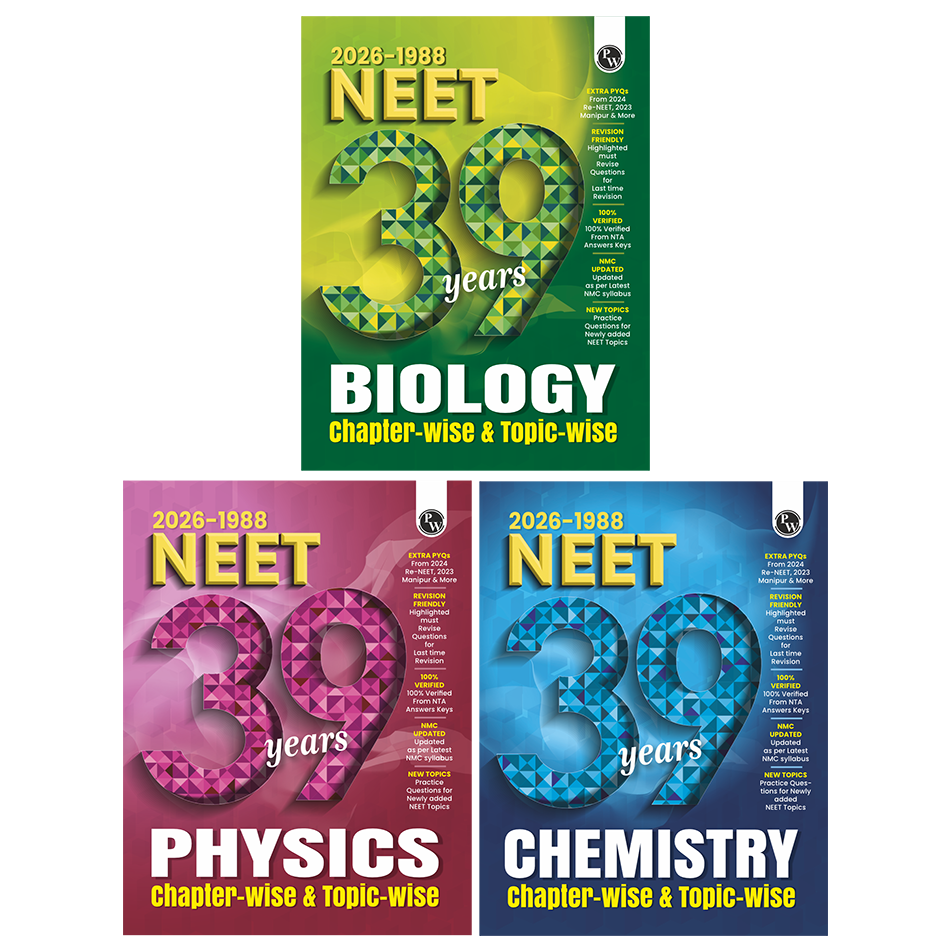
When you reach the historical section, use the provided year-wise analysis to observe how specific textbook lines have been converted into actual exam items over the last decade. Pay close attention to the included NEET chemistry questions and the complete, verified solutions from the recent NEET 2025 paper.
This method helps you track shifting difficulty levels, understand question weightage, and master the exact styles preferred by modern paper setters.
When to Start Solving Objective NCERT Punch Chemistry
Timing your practice correctly is vital to maintaining momentum throughout the academic year. You should introduce the NEET objective NCERT punch book from the very first day a chapter is introduced in your regular classes.
-
Concurrent Phase: As soon as a theoretical lecture concludes, review the corresponding NCERT-Picks section to reinforce your visual memory of the formulas and mechanisms.
-
Mid-Term Review Phase: Use the line-by-line fill-up grids and true-and-false exercises during weekly revision blocks to ensure old topics remain fresh.
-
Pre-Exam Phase: Dedicate the final months leading up to the test exclusively to timing yourself against the high-order intensive items and complete mock practices.
Study Strategy with Objective NCERT Punch Chemistry
A structured strategy ensures you maximise the utility of the 1500+ question bank without feeling overwhelmed by the volume of topics.
-
Step 1 - Visual Preview: Spend fifteen minutes reading the flowcharts and diagrams within the NCERT-Picks section to build a conceptual map of the chapter.
-
Step 2 - Line Comprehension: Complete the line-by-line fill-up questions to verify that you remember the exact definitions, periodic properties, and catalyst names.
-
Step 3 - Incremental Testing: Solve the topic-wise MCQs to build baseline confidence and check your understanding of basic concepts.
-
Step 4 - Advanced Application: Tackle the high-order time-intensive section along with the exemplar problems to build problem-solving stamina.
-
Step 5 - Historical Benchmarking: Conclude your chapter study by solving the past year's questions and evaluating your score against the provided keys.
Common Mistakes to Avoid While Using Objective NCERT Punch Chemistry
Even when using an excellent preparation manual, bad study habits can limit your progress. Avoid these common pitfalls to keep your revision on track:
-
Skipping the Explanations: Rushing through problems and only checking the final answer key without reading the step-by-step solutions for incorrect choices leaves gaps in your conceptual understanding.
-
Ignoring Omitted Content Markers: Spending hours on deleted sections because you ignored the rationalised content tags will waste valuable time that could be spent on high-yield topics.
-
Overlooking Basic Line Exercises: Skipping the true-and-false or fill-up sections to jump straight to advanced MCQs can weaken your grasp of fundamental textbook statements.
-
Neglecting Error Documentation: Failing to highlight the specific questions you answered incorrectly means you lose track of the exact areas that need a focused second look before exam day.
Read More: NEET Chemistry Questions for 2026 Exam
Objective NCERT Punch Chemistry Book FAQs
Q1: How does the objective NCERT punch chemistry book help in reducing negative marking?
The workbook features a dedicated line-by-line fill-up and true-and-false segment that trains your mind to spot subtle wording differences. This rigorous practice eliminates conceptual confusion, helping you accurately answer every single NEET chemistry question without second-guessing yourself on exam day.
Q2: Can a student rely entirely on the NCERT punch chemistry series to score 180?
Yes, this manual provides complete exam-level practice by breaking down the text line by line and incorporating over 1500 practice items. It functions as an all-in-one companion, featuring exemplars, advanced items, and historical past papers to ensure you can solve every important NEET chemistry question efficiently.
Q3: Does this workbook include the latest syllabus modifications?
The volume incorporates clear rationalised content tags throughout its chapters. This layout ensures your daily practice stays perfectly aligned with the latest official syllabus modifications, letting you focus your attention entirely on active examination topics.
Q4: Why are assertion and reason questions given special emphasis in this book?
Modern medical entrance examinations frequently feature complex multi-statement problems to evaluate a candidate's critical thinking. By dedicating a specific portion of its 1500+ question typology to these formats, the chemistry NCERT punch book helps students systematically build their analytical skills.