How to Cross 100+ Marks in UPSC Prelims Test Series

Cracking the Civil Services Examination requires more than just reading textbooks; it demands a strategic mindset. Many aspirants study for twelve hours a day but struggle to cross the 80-mark threshold in practice exams. The problem usually isn't a lack of knowledge, but a lack of "exam temperament." This is where a structured UPSC test series becomes your most potent tool. It simulates the high-pressure environment of the exam hall, teaching you how to manage time and handle "bouncers"-those unexpected questions that UPSC is famous for.
Why is the UPSC Test Series Important?
The UPSC Prelims exam is not just about how much you know, but how effectively you can apply that knowledge under pressure. Many aspirants fall short despite good preparation because of issues like poor time management, low accuracy, or lack of exam temperament.
A UPSC Prelims test series helps you:
-
Get familiar with the latest exam pattern and question trends
-
Improve accuracy and minimise negative marking
-
Strengthen elimination techniques for MCQs
-
Enhance speed and time management
-
Build confidence through consistent practice
Regularly attempting tests in an exam-like setting trains your mind to stay focused and composed, which can significantly improve your performance on the actual exam day.
Selecting the Right UPSC Test Series
Not all mock tests are the same. If you want to get better, you need a test series for UPSC that is like the real exam. The thing is, UPSC has changed a lot lately. They do not just ask questions with one or two options anymore. Now UPSC asks complicated questions where you have to choose one pair or two correct pairs.
When looking for the UPSC test series 2026, ensure the curriculum includes:
-
Sectional Tests: To build a foundation in individual subjects like polity, economy, and history.
-
Full-Length Tests (FLTs): To test your endurance and ability to switch between different subjects rapidly.
-
Current Affairs Integration: Tests should link static portions with the last 1.5 years of news.
The pw UPSC test series is specifically designed to provide this balance, offering detailed explanations that act as supplementary study material.
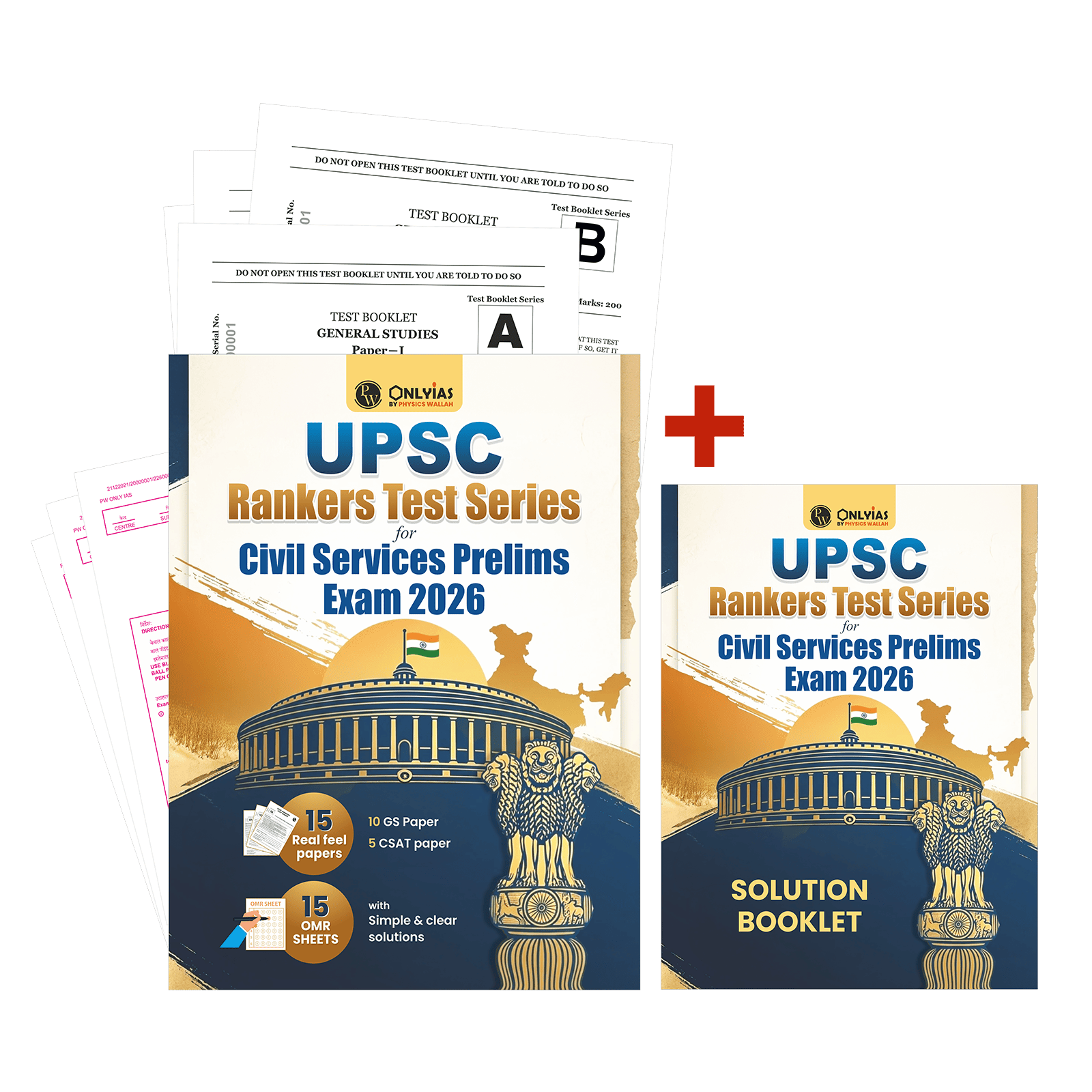
Check Out: 15 UPSC Rankers Test Series 2026 For Civil Services Prelims Exam
3 Effective Tips to Use a UPSC Test Series for 100+ Marks
1. The Art of Intelligent Guesswork
A typical UPSC prelims test series will show you are confident about some answers, e.g., 35–40 correct answers (~70–80 marks). To get to the required 100 (approximately 50+ net correct), mastering elimination is essential. Phrases like 'all', 'never', and 'only' often indicate a false statement. Use this as a means of honing your logic during your UPSC mock test sessions.
2. Post-Test Analysis (The 3-Hour Rule)
Spent two hours on a test? Spend at least three hours analysing them. Create a "Mistake Notebook" and categorise every wrong answer:
-
Silly Mistake: Read "correct" as "incorrect.".
-
Lack of Knowledge: Never heard of the topic.
-
Revision Gap: Knew the topic but forgot the specific detail.
3. Subject Prioritisation
Concentrate on high-yield areas. High-yield subjects in a general UPSC prelims test series are generally Modern History, Polity and Economy; typically, they have more weight / are also more "scoreable" than niche subjects (like Ancient History or Culture). Aim to have > 80% accuracy in these "Big Three" subjects.
Mistakes to Avoid in UPSC Prelims Mock Test
To ensure your marks trend upwards, avoid these common pitfalls:
-
Ignoring CSAT: Many candidates fail because they ignore Paper II. Always include CSAT mocks in your routine.
-
Testing Too Late: Don’t wait to "finish the syllabus" before starting a UPSC prelims mock test. The syllabus is never truly finished. Start early to build stamina.
-
Not Simulating Environment: Solving a test in bits and pieces over a day won't help. Sit for two hours straight, without a phone, preferably between 9:30 AM and 11:30 AM.
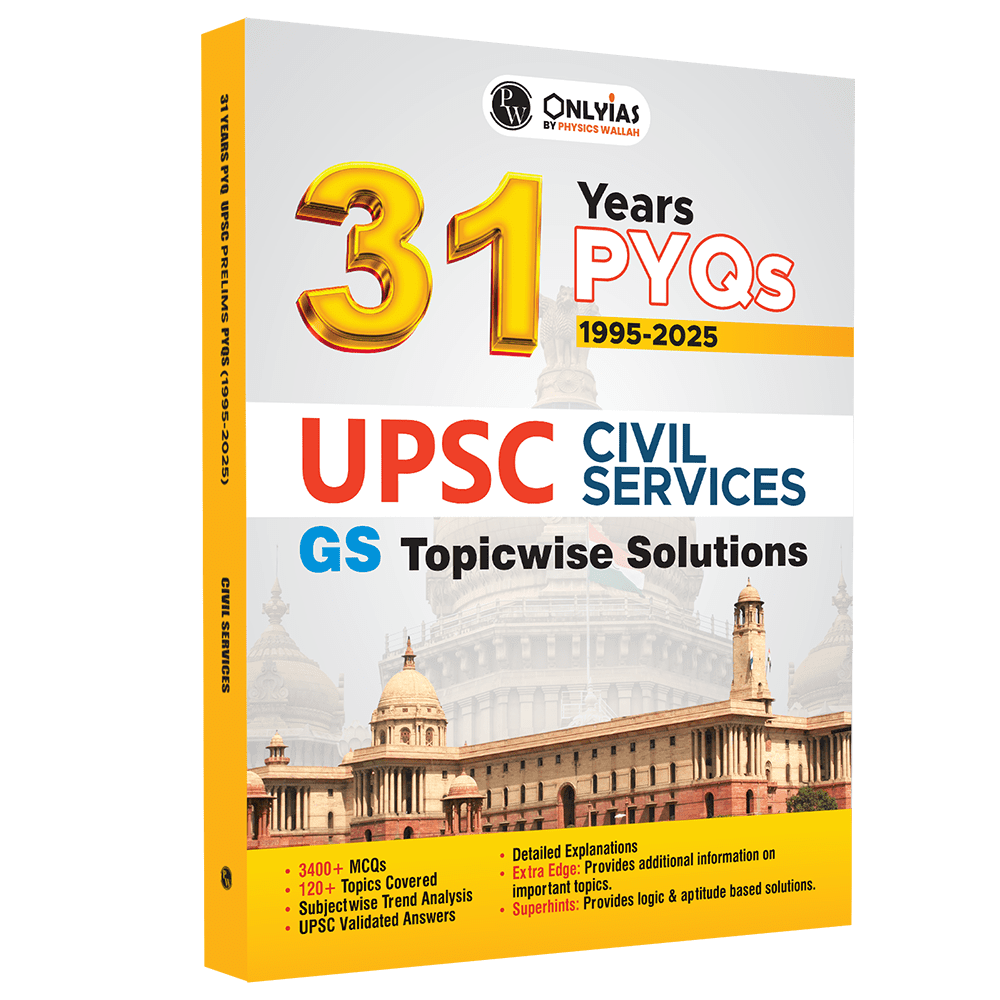
Check Out - UPSC PYQ
Attempt Strategy in UPSC Prelims Mock Test
-
Safe attempts: Aim to confidently solve 45-50 questions where you are sure about the concepts and facts. These form the core of your score and should be handled with maximum accuracy.
-
Intelligent guesses: Attempt an additional 25-30 questions using logical elimination. Try to remove at least two incorrect options before choosing an answer to improve your chances.
-
Avoid blind guesses: Random marking without any logic can significantly increase negative marking and pull your score down, so it is better to skip such questions.
-
Target accuracy: Focus on maintaining an accuracy level of around 65-70%, as this balance between attempts and correctness is crucial for crossing the cutoff.
Benefits of UPSC Test Series for Aspirants
|
Feature |
Benefit for Aspirants |
|
Comprehensive Coverage |
Ensures no part of the syllabus is left untouched. |
|
Current Affairs Linkage |
Keeps you updated with the latest trends. |
|
Detailed Solutions |
Reduces the time spent searching for answers in textbooks. |
|
Performance Analytics |
Helps track your growth over months. |
Read More: Eligibility and Age Limit for UPSC
Cross 100+ Marks in UPSC Prelims Test Series FAQs
1. How many tests should I solve in a UPSC test series?
You should really try to do between 30 and 40 tests. These tests include 15 to 20 tests that help you build depth in the subject matter of the tests. You should also do 15 to 20 full-length tests to build breadth of knowledge and get used to the actual test experience and build exam stamina. The full-length tests are important because they help you get ready for the tests.
2. Can I rely solely on the UPSC prelims mock test for current affairs?
When you take a test, it goes over important things that happen. The test should go along with the newspaper you read every day or the magazines you read every month. The mock test helps you get better at using news that is happening now in a choice question format. The mock test is really beneficial for practicing with news.
3. When is the best time to start the UPSC test series 2026?
Start your sectional tests as soon as you finish one subject. For full-length mocks, the ideal start time is 3-4 months before the preliminary examination.
4. How do I improve my accuracy in a test series for UPSC?
Improve accuracy by identifying patterns in your errors. If you find you are losing marks due to negative markings, reduce your "wild guesses" and focus on "educated guesses," where you can eliminate at least two options.