UPSC Test Series 2026: How to Choose the Right One?

Getting through the Civil Services Examination is less about how much you know and more about how you apply that knowledge under pressure. Many aspirants spend years memorising textbooks but struggle in the actual exam due to lack of practice. This is where a robust upsc test series 2026 becomes your most valuable asset, turning passive learning into active problem-solving. As competition rises, choosing the right upsc test series that reflects the evolving exam pattern is essential to stay on track and correct mistakes early..
Why Do You Need a Good UPSC Test Series 2026?
The path to LBSNAA is a winding one, with its fair share of surprises. A good UPSC prelims mock test serves as a revealing tool, giving you a clear picture of where you stand. Simply studying on your own can occasionally lead to overconfidence. You might think you've mastered the material, but unless you put your knowledge to the test, you won't really know where you need to improve.
A professional test series offers several advantages:
-
Time management is a key benefit: It conditions your mind to tackle 100 questions in a two-hour window, helping you avoid the stress of the clock.
-
Elimination Techniques: You learn how to navigate "tricky" options where two answers seem equally correct.
-
Syllabus Coverage: A scheduled test plan ensures you finish every subject, from history to current affairs, in a disciplined manner.
Things to Look for in a UPSC Test Series
Not all mock exams are created equal. Some are unnecessarily difficult, while others are too simple. To find the best UPSC Prelims test series, you should look for specific benchmarks that align with the current trends of the Union Public Service Commission.
1. Adapting to Current Trends
The examination format has undergone substantial alteration in recent years. Contemporary papers have transitioned from conventional "match the following" questions to more intricate "only one pair/only two pairs" structures. Consequently, your UPSC mock test provider is obligated to revise their question bank to mirror these developments. Should the questions appear antiquated, you are, in effect, preparing for an examination that is no longer relevant.
2. Detailed Performance Analytics
Simply knowing your score isn't enough. A good UPSC Mock test series like the PW UPSC test series should also include:
-
Subject-wise accuracy: Are you losing marks in polity or economics?
-
Negative marking impact: How many marks did you lose due to wild guesses?
-
Comparative ranking: Where do you stand among thousands of other aspirants across the country?
3. Thorough Explanations
The true worth of a UPSC test series hinges on its solution key. A quality answer key goes beyond simply indicating that 'Option B' is the right choice; it clarifies why options A, C, and D are incorrect. This transforms each error into a chance to learn.
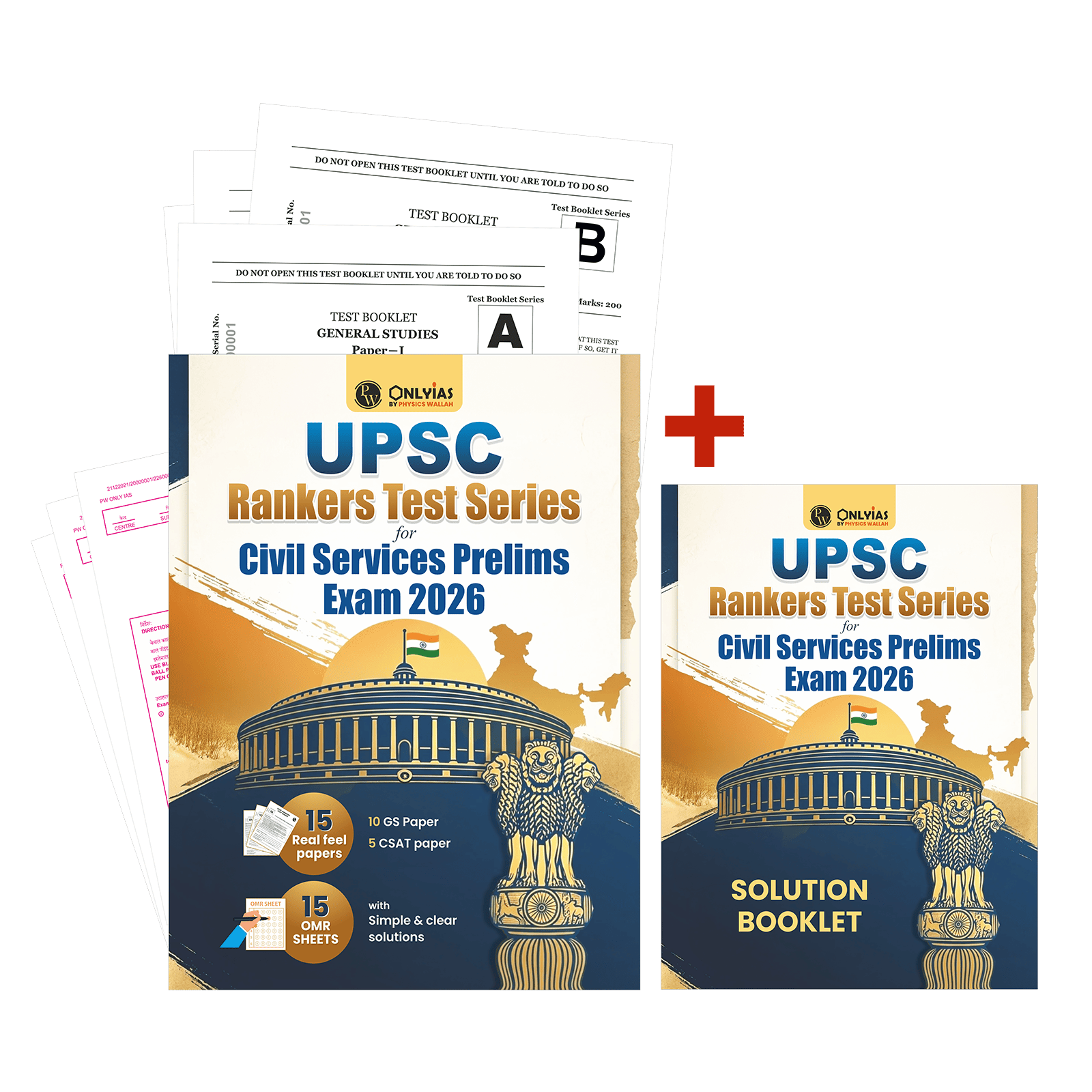
Check Out: 15 UPSC Rankers Test Series 2026 For Civil Services Prelims Exam
Types of UPSC Test Series Available for Aspirants
To prepare effectively, most candidates categorise their practices, aiming to assess not just recall but also reasoning and endurance. A typical test series for 2026 will likely include these formats:
-
Sectional or Chapter-wise Tests: Full-length subject tests, which cover entire subjects like modern history or economics, are advantageous for understanding how different topics within a single field are connected.
-
Full-Length Mock Tests (FLTs): Full-Length Mock Tests (FLTs) are designed to mirror the real exam experience. They feature 100 questions, a blend from all subjects. The most effective way to hone your time management skills and master the process of elimination is by taking a UPSC preliminary mock test presented in this format.
-
CSAT-Specific Mocks: Since Paper II is qualifying, many students neglect it. However, a dedicated UPSC mock test for CSAT is necessary to ensure you comfortably clear the 33% threshold without last-minute stress.
-
Previous Year Papers (PYQs): While not "new" questions, solving past papers in a timed environment is the most authentic test series for UPSC experience, as it reveals the exact language and "traps" used by the commission.
Daily Strategy for UPSC Test Series Preparation
Many students make the mistake of waiting until they finish the entire syllabus before starting a UPSC prelims mock test. This approach can lead to disastrous outcomes. Integration should be gradual and consistent.
-
Phase 1 (Sectional Tests): Start with topic-wise tests while you are reading a specific subject. Once you have completed "Fundamental Rights", please proceed to take a short quiz at
-
Phase 2 (subject-wise tests): Once a full subject, like geography, is done, take a full-length subject test to verify your depth.
-
Phase 3 (Full-Length Mocks): In the final 3–4 months before the exam, switch to the full-length test series 2026 papers to build stamina.
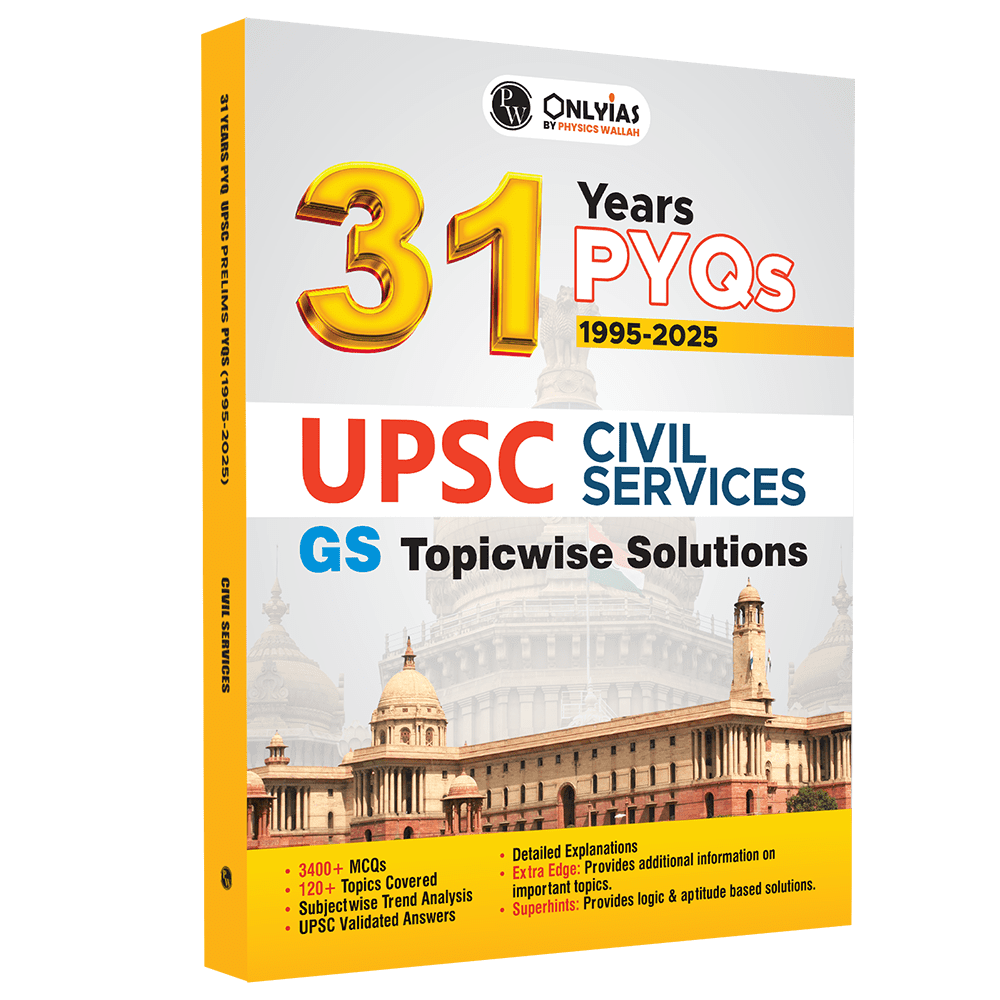
Check Out: UPSC Previous Year Papers
Common Mistakes to Avoid In UPSC Test Series
Even with the best test series, your progress can stall if you don't use the tool correctly. Avoid these common pitfalls:
-
Skipping the Analysis: Spending two hours on a test and zero minutes on the analysis is a waste of time. The analysis is where the actual growth happens.
-
Fear of Low Scores: Many students stop taking the UPSC mock test because they are afraid of seeing a low score. Remember, it is better to fail in a practice test than in the actual exam.
-
Inconsistency: Taking one test a month won't help. You need a rhythm to build the mental "muscle memory" required for the Prelims.
Check Out: UPSC Revision Books
Additional Tips to Boost Your UPSC 2026 Preparation
The Prelims day is physically and mentally taxing. You have to sit for two papers, GS Paper 1 and CSAT. By enrolling in a structured test series, you simulate this environment. Try taking your mocks in the same time slots as the actual exam (9:30 AM to 11:30 AM). This conditions your brain to be at its peak performance during those specific hours.
Using a dedicated test series for UPSC also helps reduce exam anxiety. When you have already solved 40 or 50 full-length papers, the actual exam feels like just another practice session. This level of comfort is often the difference between those who qualify and those who miss the cut-off by a few marks.
Read More: Which NCERT Books are Required for UPSC Exam Preparation?
UPSC Test Series 2026 FAQs
1. When should I start practising the test series?
It is best to start with sectional tests as soon as you finish a subject. The full-length UPSC prelims test series should ideally begin 4 to 5 months before the actual exam date.
2. How many mock test papers should I work through for UPSC?
While there's no strict guideline, it's generally recommended to complete 35 to 50 full papers. This approach helps to cover the entire syllabus and build a solid level of confidence.
3. Is the PW test series a good fit for those just starting out?
The PW test series is built to accommodate everyone, from those just starting out to seasoned pros. It begins with the fundamentals, gradually progressing to intricate, multi-part questions.
4. Is it enough to just take a UPSC prelims mock test to stay up-to-date on current affairs?
A UPSC prelims mock test is a great way to prepare, no doubt. However, to truly grasp the material, you should also read the newspaper every day and keep up with monthly magazines. This combination will give you a more complete picture.
5. Why is analysis more important than the score in a test series for UPSC?
The score only tells you where you stand today, but the analysis tells you how to improve. Understanding your mistakes in a test series prevents you from repeating them in the final exam.