UPSC Syllabus 2026, IAS Prelims & Mains Syllabus
Understanding the UPSC Syllabus is the first step toward becoming an IAS officer. The comprehensive guide reveals all details needed to understand the 2026 exam cycle by dividing complex subjects into smaller sections. The structured roadmap enables you to prepare effectively for the objective Prelims and the descriptive Mains examination.
Check Out: UPSC Books
UPSC Syllabus 2026: Overview
The Union Public Service Commission (UPSC) has a very strict selection procedure to identify the most deserving candidates for the Indian Administrative Service. The syllabus is planned in such a way that it not only tests your memory but also your ability to think critically and apply your knowledge to practical situations.
The examination is divided into three separate stages:
-
Stage 1: Preliminary Examination (Objective Type)
-
Stage 2: Main Examination (Descriptive/Written Type)
-
Stage 3: Personality Test (Interview)
To keep things organized, it is recommended by most toppers to download a UPSC syllabus pdf at the beginning of the preparation for the 2026 exam.
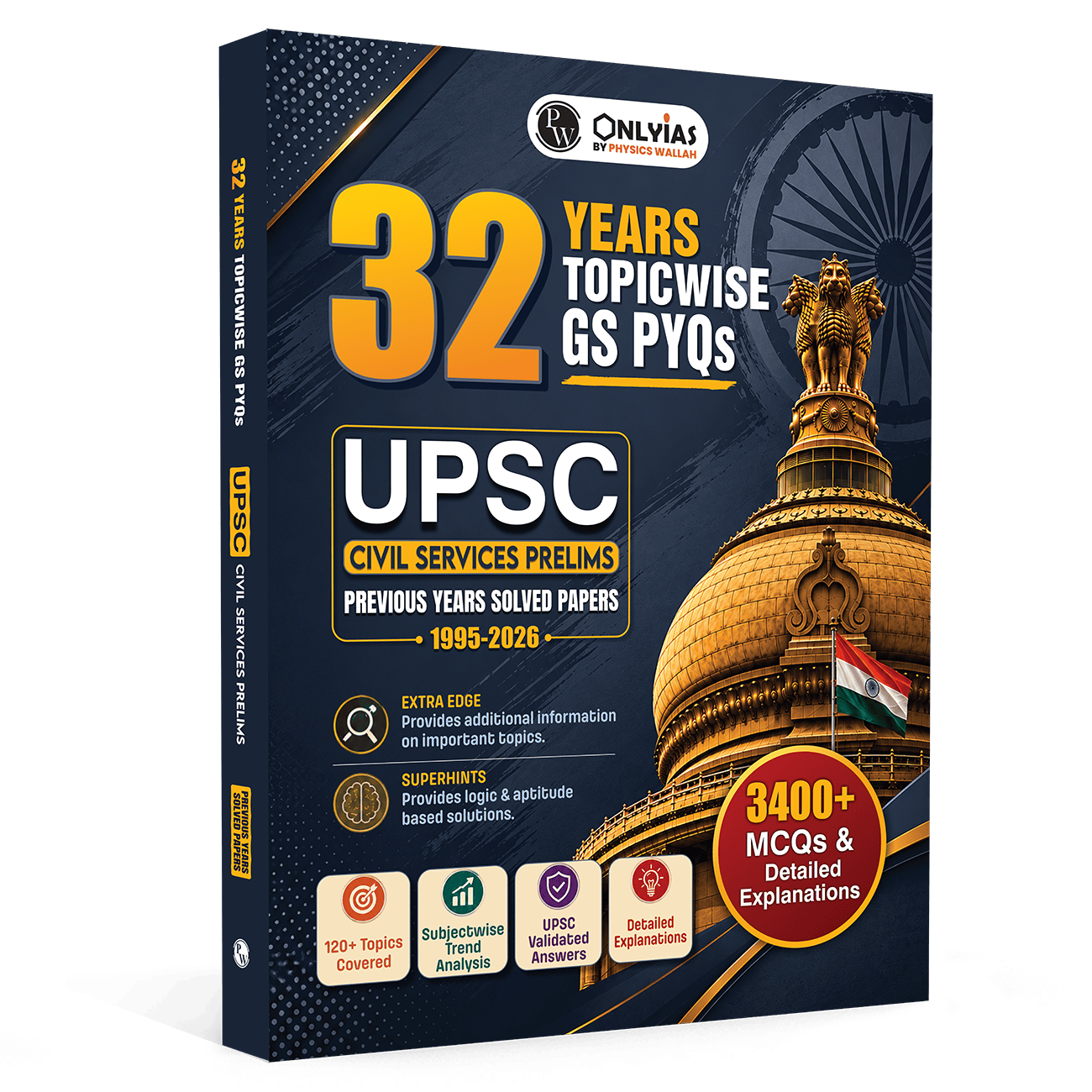
Check Out: UPSC Previous Year Papers
Breakdown of the UPSC Prelims Syllabus 2026
The first stage is the Preliminary exam, which acts as a filter. Thousands of students apply, but only those who master the UPSC Prelims syllabus 2026 move to the next level. This stage has two papers, both held on the same day.
General Studies (Paper I)
This paper is crucial because your score here determines if you clear the cut-off. The UPSC syllabus for Paper I includes:
-
History of India: Ancient, Medieval, and the Indian National Movement.
-
Geography: Physical, social, and economic geography of India and the world.
-
Indian Polity: The Constitution, Political System, and Panchayati Raj.
-
Economic Development: Poverty, inclusion, and social sector initiatives.
-
General Science: Basics of Physics, Chemistry, and Biology.
-
Current Events: Important news from the national and international stage.
CSAT (Paper II)
The IAS Prelims syllabus 2026 also includes the Civil Services Aptitude Test. You only need to score 33% to pass this paper. It includes:
-
Reading comprehension and interpersonal skills.
-
Logical reasoning and analytical ability.
-
Basic numeracy (Class 10 level) and data interpretation.
Check Out: UPSC Question Banks
Comprehensive Guide to UPSC Mains Syllabus 2026
If you pass the Prelims, you enter the "Mains." This is the most academic part of the journey. The UPSC mains syllabus 2026 consists of nine papers, and your performance here carries the most weight for your final rank.
The Language and Essay Papers
-
Qualifying Papers: There are two papers (One Indian Language and one English) that are qualifying in nature. You must pass these, but the marks aren't added to your final total.
-
Essay Paper: Here, you write two long essays on various topics. It tests your ability to express thoughts clearly and logically.
Understanding the GS Papers
The IAS Mains syllabus 2026 revolves heavily around four General Studies papers. Each one covers a specific set of subjects:
|
Paper |
Focus Area |
Key Topics |
|
GS I |
Heritage & Geography |
Indian Culture, World History, and Society. |
|
GS II |
Governance & Polity |
Constitution, Social Justice, and Foreign Policy. |
|
GS III |
Economy & Science |
Technology, Biodiversity, and Disaster Management. |
|
GS IV |
Ethics & Aptitude |
Integrity, Case Studies, and Human Values. |
Check Out: UPSC Revision Books
UPSC GS Paper Syllabus 2026
The UPSC GS paper syllabus 2026 is the important part of the written exam. To score well, you must move beyond simple facts and understand the connections between different subjects.
GS Paper I: History and Geography
This section of the syllabus focuses on the roots of our society. You will study how Indian art forms and architecture evolved over thousands of years. It also covers world history, including events like the World Wars and the Industrial Revolution. Geography focuses on where natural resources are located and how the climate is changing.
GS Paper II: Governance and International Relations
This part of the syllabus is all about how a country is run. You will learn about the Indian Constitution and the roles of the President and Parliament. It also looks at how India maintains relationships with other countries, which is a vital part of the UPSC mains syllabus 2026.
GS Paper III: Science, Technology, and Economy
This is a very modern part of the syllabus. It covers the Indian economy, farming issues, and new technologies like Artificial Intelligence. It also includes "Internal Security," where you study how the country protects itself from cyber-attacks and terrorism.
GS Paper IV: Ethics and Integrity
Unique to the civil services, this paper doesn't have a fixed textbook. It tests your character. You are given "case studies" or difficult situations, and you must explain how you would act as an honest and fair officer.
Check Out: UPSC PYQ Book
How to Choose an Optional Subject?
Apart from the General Studies papers, the UPSC syllabus 2026 requires you to choose one "Optional Subject." You will give two papers on this subject. Many students choose subjects they liked in college, such as History, Geography, or Sociology.
Finally, the UPSC Syllabus journey ends with the Personality Test. This is not a test of your knowledge, as that was already checked in the written papers. Instead, a board of experts will talk to you to see if you have the leadership qualities, mental alertness, and honesty required for an IAS officer.
Read More: UPSC 2026 Exam Date, Check Schedule & Important
Preparation Tips for UPSC Syllabus
To cover the entire UPSC syllabus effectively, consistency is your best friend.
-
Start with NCERTs: These school books provide the foundation for all GS papers.
-
Daily News: Follow current affairs daily to see how the static syllabus applies to the real world.
-
Practice Writing: Since the Mains is descriptive, you must practice writing long, clear answers.
-
Use a UPSC syllabus pdf: Keep a digital or printed copy to mark your progress every week.
By following this structured approach, the UPSC syllabus 2026 becomes much less intimidating and allows you to focus on learning one topic at a time.
This guide provides a simplified breakdown of complex administrative papers, making the entry-level barrier lower for new aspirants. We have added a focus-area table and used shorter paragraphs to ensure the content is snippet-friendly for those looking for quick answers on mobile devices.
Read More: Udaan Prelims Wallah-Static Booklets PDFs 2026
UPSC Syllabus FAQs
Q1. What is the first step to understand the UPSC Syllabus?
The first step is to download the latest UPSC syllabus pdf. This document lists every single topic you need to study for both the Prelims and the Mains, helping you stay focused.
Q2. Are the marks in UPSC Prelims syllabus 2026 counted for the final rank?
No, the marks from the UPSC Prelims syllabus 2026 are only used to qualify you for the Mains exam. The final merit list is based on your scores in the Mains and the Interview.
Q3. How many papers are there in the UPSC mains syllabus 2026?
There are a total of nine papers in the IAS mains syllabus 2026. This includes two qualifying language papers, one essay paper, four General Studies papers, and two optional subject papers.
Q4. Does the UPSC gs paper syllabus 2026 change every year?
The UPSC GS paper syllabus 2026 does not change much. But the questions that are asked are largely affected by the events that are taking place in the world and the new technological advancements that are happening.
Q5. Is the IAS Prelims syllabus 2026 difficult for beginners?
The IAS Prelims syllabus 2026 is quite extensive. But if you begin with basic books such as NCERTs, then it is not that difficult.