2 Month CBSE Class 10 Study Plan with PW Sample Papers
Balancing Science, Mathematics, English, and Social Science requires a structured approach rather than haphazard cramming. Many students struggle with time management, retention, and understanding how board examiners score answers.
Without a concrete class 10 board exam preparation routine, stress builds up quickly. The key to turning performance around lies in a disciplined strategy centered on solving authentic CBSE class 10 sample papers. By following a structured plan over sixty days, candidate confidence grows while test-taking skills sharpen.
What Are CBSE Class 10 Sample Papers?
CBSE class 10 sample papers serve as replica practice sets designed to align directly with the latest board exam guidelines, syllabus requirements, and official question paper layouts. These resource materials mirror the exact structure, weightage, and difficulty levels expected in the final end-term examinations.
Standard sample papers for class 10 include diverse question typologies, such as multiple-choice questions, short-answer queries, long-form structured answers, and competency-based questions. High-quality practice sets incorporate:
-
Step-by-Step Marking Schemes: Detailed explanations illustrating how marks are allocated for specific steps, formulae, or key phrases.
-
Topper-Style Solutions: Handwritten or model answer samples showing optimal formatting and presentation styles.
-
Level-Wise Question Sets: Exercises structured progressively across easy, medium, and hard difficulty tiers.
-
Previous Year Solved Papers: Authentic past exam papers from recent cycles (such as 2024 and 2025) alongside the latest official sample papers.
-
Revision Tools: Quick-reference cheat sheets, mind maps, and answering templates tailored to boost scores.
Why CBSE Class 10 Sample Papers Matter in the Last 2 Months
The final two months before the end-term board examinations mark a crucial transition from learning theory to executing answers under strict exam conditions. CBSE Class 10 Books can support this phase by helping students revise key concepts, strengthen weak areas, and practise important questions. Relying solely on textbook reading during this phase often leads to time-management struggles and exam anxiety.
Using targeted practice resources transforms student readiness through the following advantages:
-
Exam Pattern Familiarity: Students gain clarity on how different sections are divided, how marks are distributed, and how much time each section demands.
-
Identification of High-Yield Topics: Insights drawn from past five-year paper trends highlight recurring question patterns and essential chapters.
-
Refinement of Answer Presentation: Utilizing 14 standardized answering templates ensures students present point-wise, structured responses that align with official evaluation schemes.
-
Reduction of Silly Errors: Exposure to special guides like "Mistake 101" highlights common errors so candidates avoid them on exam day.
-
OMR and Format Preparedness: Practicing proper OMR sheet filling instructions prevents penalty errors during objective sections.
How to Divide the 2-Month Plan With CBSE Class 10 Sample Papers
Executing a successful class 10 study timetable requires splitting sixty days into two distinct, goal-oriented phases. The first month focuses on strengthening fundamentals and addressing weak spots chapter by chapter. The second month transitions completely into full-length, timed mock tests to build stamina and speed.
Two-Month Timeline Overview
|
Phase |
Duration |
Primary Focus |
Strategy |
|
Phase 1 |
Days 1–30 |
Chapter Revision & Topic Practice |
Rapid syllabus review using mind maps; solve easy and medium sample papers. |
|
Phase 2 |
Days 31–60 |
Full-Length Timed Mocks |
Complete 3-hour exam simulations; analyze errors; refine answer speed. |
Month 1: Chapter Revision With CBSE Class 10 Sample Papers
The first 30 days of this class 10 revision plan focus on systematically reviewing concepts across all key subjects: Science, Mathematics (Standard), English, and Social Science. Rather than re-reading entire textbooks line by line, leverage 13 specialized cheat sheets (mind maps) for rapid recall.
Weekly Breakdown for Month 1
Week 1 & 2: Science and Mathematics Focus
-
Spend morning study sessions revising core concepts, formulas, and chemical equations using mind maps.
-
Solve level-wise practice sets (starting with easy and progressing to medium papers) focusing on specific chapters.
-
Practice 111 most probable questions to master core numerical problems and scientific reasoning tasks.
Week 3 & 4: Social Science, English, and Weak Areas
-
Review Social Science events, maps, and Civics concepts alongside English grammar and literature formats.
-
Apply the competency-based format for analytical paragraph writing in English to meet updated evaluation criteria.
-
Begin attempting progressive sample paper sets for Social Science to improve answer length and point-wise structure.
Month 2: Full-Length Practice With CBSE Class 10 Sample Papers
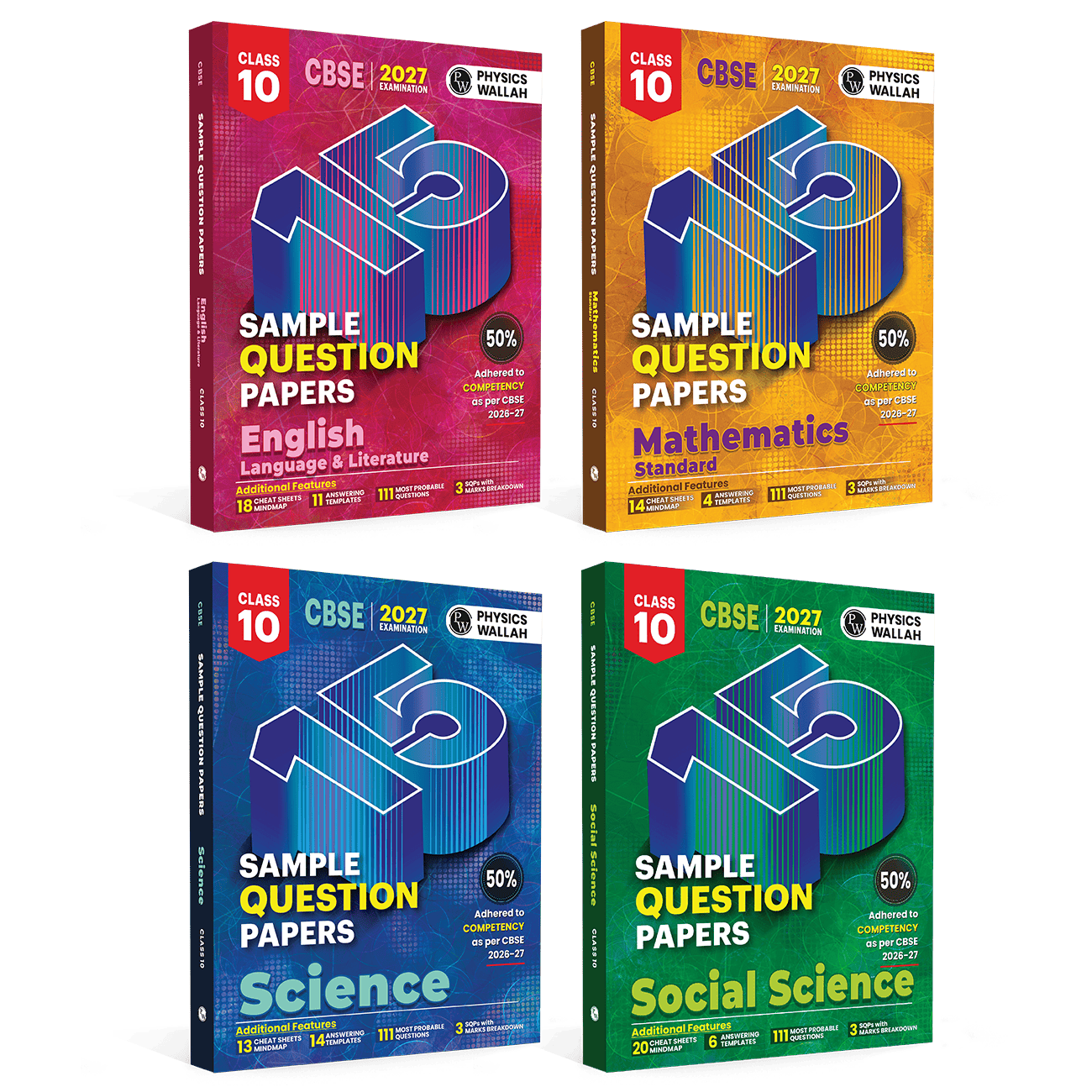
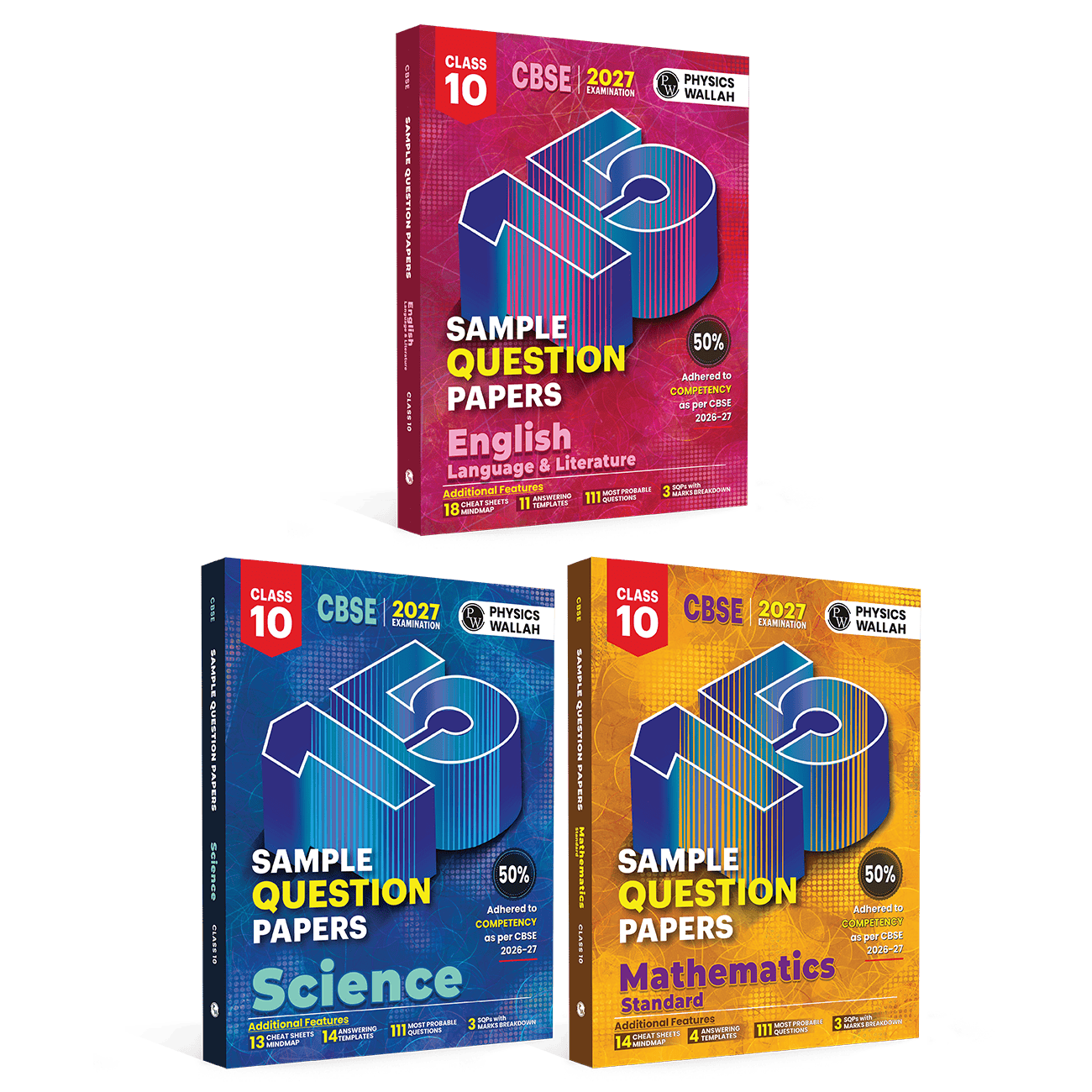
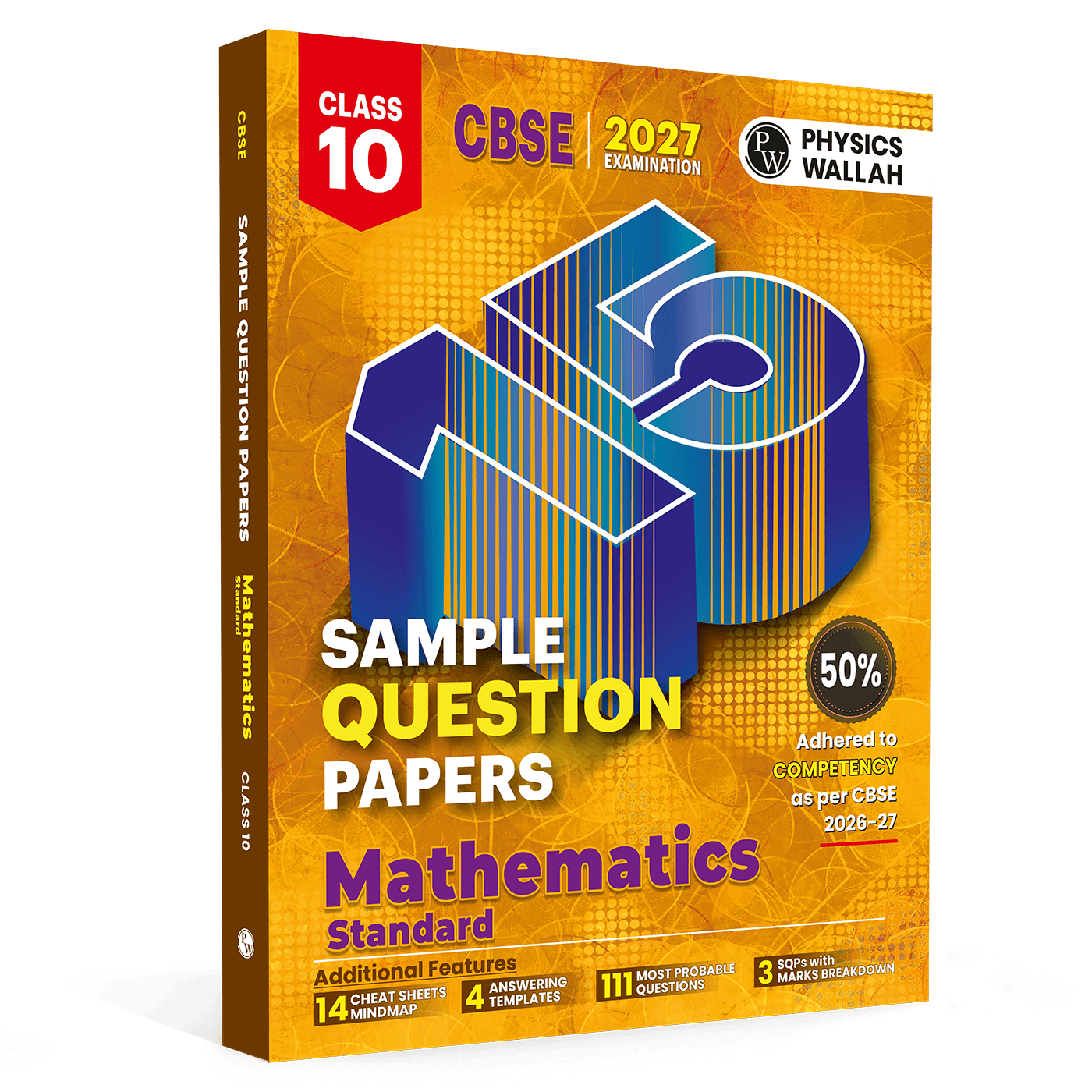
The second month shifts focus entirely to direct exam simulation. The objective during this phase is to build physical and mental endurance for sitting three hours continuously while maintaining accuracy. Practising with the CBSE Class 10 Sample Papers Combo of 4 Books 2027 can help students simulate exam conditions, improve time management, identify weak areas, and build confidence for the board examinations.
-
Days 31 to 45 (Simulated Testing): Attempt full-length sample papers (including 8 papers featuring step-by-step marking scheme explanations) under strict 3-hour timer conditions. Set up a quiet room, remove study materials, and begin precisely at the official exam start time.
-
Days 46 to 55 (Topper Strategy Alignment): Solve remaining hard-tier papers and review 4 sample papers with handwritten topper-style solutions via QR code access. Compare your layout, diagrams, and step formatting against topper answers to pick up scoring techniques.
-
Days 56 to 60 (Final Review & Policy Decodes): Revisit previously solved official 2025–26 sample question papers and solved papers from 2024–2025. Review the decoded Two-Exam Policy features to ensure strategic alignment with all board rules.
How to Analyse Scores From CBSE Class 10 Sample Papers
Solving mock tests without thorough post-exam analysis limits academic growth. Every completed test must be followed by a dedicated review session using self-assessment sheets to evaluate performance objectively.
Follow this systematic review process:
-
Compare Against Official Marking Schemes: Check your written responses step by step using provided marking guidelines. Verify whether all essential key terms, step derivations, and final units were included.
-
Categorize Mistakes: Group your lost marks into three buckets: conceptual gaps, calculation/spelling errors, or time management failures.
-
Consult Error Guides: Use resources like "Mistake 101" to understand exactly why a specific answer fell short and how to write the correct response next time.
-
Track Score Progression: Log marks on self-assessment tracking sheets to monitor improvement across easy, medium, and hard test sets over time.
Practice Sheets With CBSE Class 10 Sample Papers
A well-rounded CBSE class 10 preparation strategy relies on varied practice tools tailored to specific task requirements. Integrating structured practice tools ensures balanced development across all board examination components.
-
111 Most Probable Questions: Targeted practice compiling high-probability questions across core subjects to secure vital marks.
-
Answering Templates: 14 structured layout frameworks designed to teach students how to organize complex long-answer responses efficiently.
-
OMR Practice Sheets: Standardized optical mark recognition sheets to practice error-free bubble darkening for objective questions.
-
Self-Assessment Sheets: Standardized scorecards that allow candidates to evaluate their own progress independently like a professional evaluator.
Also Check - CBSE Class 10th Previous Year Papers
Common Mistakes to Avoid During CBSE Class 10 Sample Papers Practice
Avoid these frequent missteps while implementing your board exam study plan:
-
Ignoring the Timer: Solving papers casually over an entire day destroys the primary benefit of mock practice. Always enforce strict 3-hour limits.
-
Skipping the Marking Scheme: Simply checking if the final answer matches is insufficient. Board examiners award marks for intermediate steps, correct formulas, and proper units.
-
Neglecting Weak Subjects: Focusing exclusively on favorite subjects creates unsafe score imbalances. Allocate extra days in Month 1 to challenging topics.
-
Failing to Review Topper Solutions: Skipping available handwritten topper-style solutions leaves students unaware of superior answer presentation methods.
-
Incorrect OMR Filling: Leaving OMR practice for the final day leads to anxiety and bubbling errors during the real exam.
Read More: CBSE Class 10 Study Timetable 2026-27
CBSE Class 10 Sample Papers FAQs
How many CBSE class 10 sample papers should I solve daily?
During the second month of preparation, completing one full-length paper every one to two days under strict 3-hour time constraints is ideal for building speed and endurance.
What is the best 2 month study plan for class 10 for board exams?
Divide the time into two phases: spend Month 1 on rapid chapter revision using mind maps and level-wise practice, followed by Month 2 dedicated to full-length timed mock tests and error analysis.
How do sample papers for class 10 help in time management?
Solving sample papers under timed conditions teaches candidates how to divide 180 minutes effectively across objective, short, and long-answer sections without running out of time.
How should I use handwritten topper solutions during revision?
Compare your completed sample paper answers directly against handwritten topper-style solutions to learn optimal spacing, diagram labeling, step-by-step formatting, and concise writing.
Are cheat sheets effective for class 10 board exam preparation?
Yes, using short cheat sheets and mind maps allows for rapid concept recall across key subjects, helping candidates review key formulas and definitions quickly before attempting practice sets.