3 Months CBSE Class 10 Study Plan with PW Sample Papers
Many students struggle to manage their time effectively, leaving revision until the very last minute. Without a structured roadmap, tracking your preparation progress and covering every critical topic becomes a real challenge. Following a focused 3 month study plan for class 10 breaks down the syllabus into manageable steps. By incorporating dedicated revision slots and practicing regularly with CBSE Class 10 sample papers, you can learn key concepts, refine your exam speed, and approach the final tests with complete confidence.
3 Month Study Plan With CBSE Class 10 Sample Papers
A well-structured CBSE Class 10 study plan 3 months divides your preparation into three distinct phases: learning, revising, and testing. This systematic breakdown ensures that you complete the syllabus without panic while reserving enough time to practice exam-style questions.
|
Month |
Core Strategy |
Primary Focus |
Key Outcome |
|
Month 1 |
Syllabus Completion & Core Concepts |
Concept building, textbook exercises, initial notes |
Foundation ready |
|
Month 2 |
Intensive Revision & Chapter-wise Practice |
High-weightage topics, mind maps, formula sheets |
Memory consolidation |
|
Month 3 |
Full-Length Mock Exams & Speed Building |
CBSE class 10 sample papers, time management |
Exam readiness |
Month 1: Syllabus Completion and Concept Building
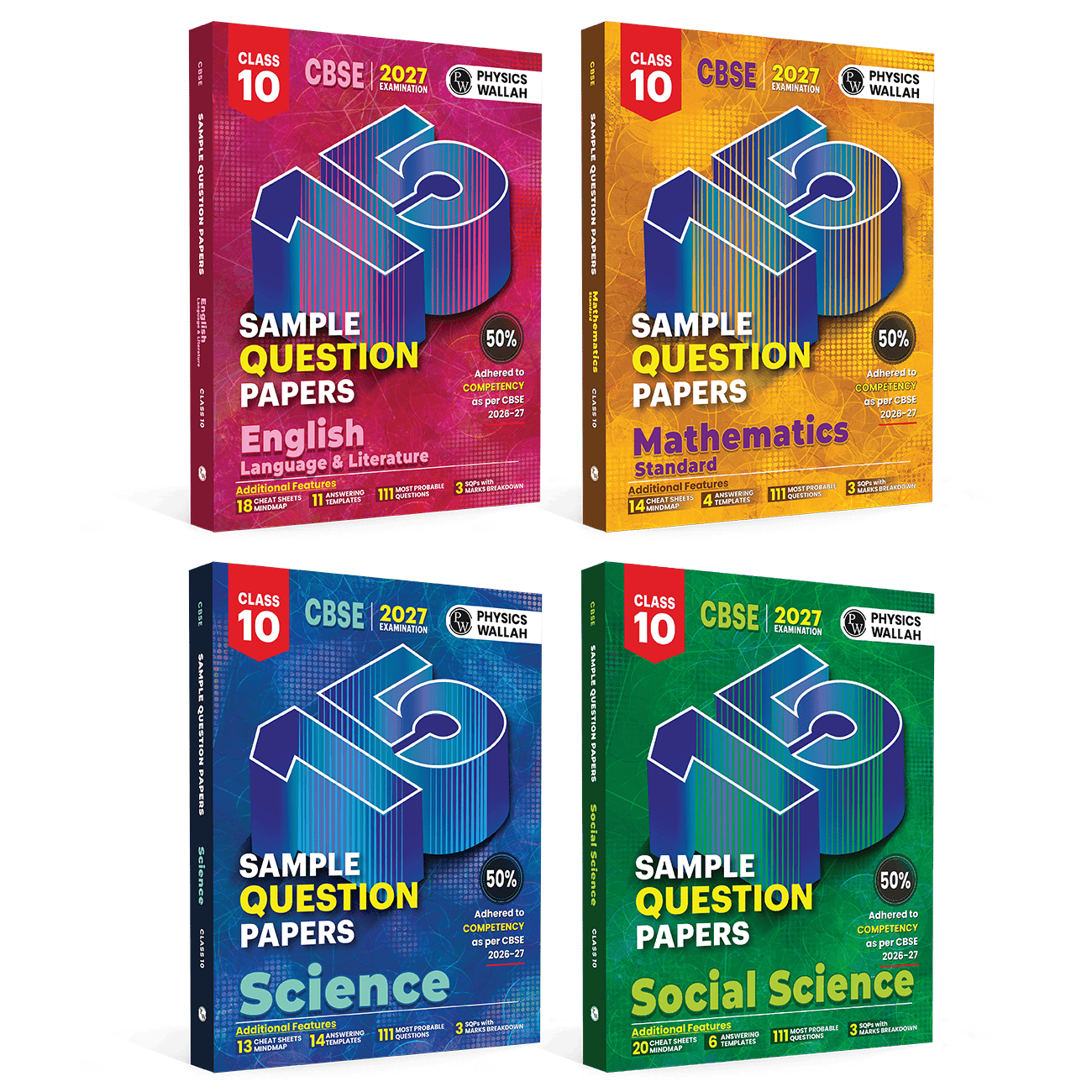
In the first round of your CBSE class 10 board preparation, you need to finish any pending chapters and get a good comprehension of the important topics. Solving CBSE Class 10 Sample Papers Combo of 4 Books 2027 without proper knowledge of basic concepts leads to avoidable blunders and loss of marks.
Learning the Science Curriculum
Science needs a mixture of intellectual clarity, mathematical practice, and visual exposition. Allocate your study time equally between the three branches:
-
Physics: Focus primarily on learning ray diagrams for reflection and refraction of light. Practice circuit diagrams and learn basic numerical formulae on electricity and magnetic effects.
-
Chemistry: Write down and balance chemical equations daily. Memorize common compound names, chemical reactions, and periodic trends.
-
Biology: Learn life processes by drawing and labeling key diagrams such as the human digestive system, respiratory system, and plant transport systems.
Strengthening Mathematics Fundamentals
Math involves constant practice every day. It is not something you can absorb by reading:
-
Spend at least 90 minutes a day working through the exercises in your textbook.
-
Keep a separate notebook to put down formulas for easy reference for Algebra, Coordinate geometry, Trigonometry and Mensuration.
-
Focus on fixing problems step by step. Board examiners give half credit for accurate steps, so practice writing out your calculations clearly.
Covering Social Science and English
Social Science and English require steady reading and organized note-taking:
-
History & Civics: Create timeline charts for historical events. Make clear notes on democratic outcomes and power-sharing mechanisms.
-
Geography & Economics: Practice map pointing regularly. Focus on understanding economic sectors, globalization, and resource management.
-
English: Understand basic grammar rules, revise formal letter and analytical paragraph writing formats, and read prose sections to understand underlying themes.
Month 2: Intensive Revision and Chapter-Wise Practice
As you move into the second month, the emphasis changes from learning new things to reinforcing what you already know. This phase cements your retention and shows you any remaining weaknesses.
Active Recall and Visual Note-Making
Passive reading is not effective for long-term retention. Test your memory with active learning techniques:
-
Self-Testing: Put your book aside and jot down what you know about a topic. Look at your notes and see what the book has that you don’t.
-
Mind Mapping: Draw visual mind maps for complex Social Science topics to link historical events, causes, and consequences.
-
Formula Sheets: Review your mathematical and physical formula sheets every morning before starting new topics.
Topic-Wise Question Practice
Target chapter-wise questions before going to whole mock papers:
-
To test your depth of knowledge, try the high weightage questions from the chapters you have already finished.
-
Solve previous year chapterwise questions to learn the way of asking questions in actual board exams.
-
Document common errors in a dedicated mistake notebook so you do not repeat them during final revision.
Smart Time Management and Daily Routines
To maintain high energy levels throughout a 3 month preparation: organized routines are needed:
-
Pomodoro Technique: Study in focused 45-minute blocks followed by a 10-minute break to avoid mental fatigue.
-
Weekend Reviews: Keep weekends free from learning new topics. Use this time strictly for reviewing weekly work and clearing backlogs.
-
Balanced Allocations: Combine a heavy subject like Mathematics with a lighter subject like English on the same day to maintain momentum.
Month 3: Solving CBSE Class 10 Sample Papers and Speed Building
The final month is dedicated entirely to testing, refining answer presentation, and perfecting time management. Relying on authentic sample papers helps you transition smoothly from classroom learning to the actual exam hall environment.
Why Practicing Sample Papers is Crucial
Solving full-length test papers under timed conditions provides critical preparation advantages:
-
Pattern Familiarity: Helps you adjust to multiple-choice questions, assertion-reason items, case-based scenarios, and long-form questions.
-
Stamina Building: Writing continuously for 3 hours requires physical endurance and sustained mental focus.
-
Time Allocation: Teaches you exactly how many minutes to spend on 1-mark, 3-mark, and 5-mark questions.
Executing Mock Exams Effectively
To get the most out of your mock test sessions, treat every attempt like the final board examination:
-
Set up a quiet, disturbance-free room matching your actual board exam time slots.
-
Put away all textbooks, notes, and electronic devices before starting the paper.
-
Stick strictly to the 3-hour limit without extending your time or taking unearned breaks.
Answer Script Analysis and Correction
Solving the paper is only half the work; assessing your performance is where real improvement happens:
-
Compare your written answers directly against official marking schemes.
-
Pay attention to step marking in Mathematics and key technical terms in Science.
-
Identify topics where you lost points and spend the following day reviewing those specific chapters.
Subject-Wise Preparation With CBSE Class 10 Sample Papers
Every board exam subject requires a unique tactical approach. Tailoring your strategy using dedicated practice papers ensures balanced preparation across the entire curriculum.
Science Practice Method
CBSE Class 10 Science sample papers test both factual memory and analytical thinking. Focus on these specific execution techniques:
-
Practice case-based and assertion-reason questions thoroughly, as these test real conceptual application.
-
Keep your answers structured. Use bullet points for explanatory answers instead of long, dense paragraphs.
-
Draw clear, labeled diagrams with sharp pencils. Labeling components accurately scores easy marks in Biology and Physics.
Mathematics Exam Approach
Mathematics requires logical speed and extreme precision under time pressure:
-
Start your exam with high-mark sections if you feel confident, securing major points early in the paper.
-
Show all rough work clearly in a dedicated side margin rather than on scratch sheets.
-
Write out every formula explicitly before plugging in numerical values to secure partial marking points.
Social Science and Language Preparation
Social Science and English require clear presentation and good speed:
-
Structure Social Science answers using bold headings and neat sub-points for quick evaluation by examiners.
-
Include relevant dates, key figures, and geographic terms to make your answers stand out.
-
Practice English reading comprehension passages within strict time limits to avoid wasting time during the exam.
How CBSE Class 10 Sample Papers Improve Your Preparation
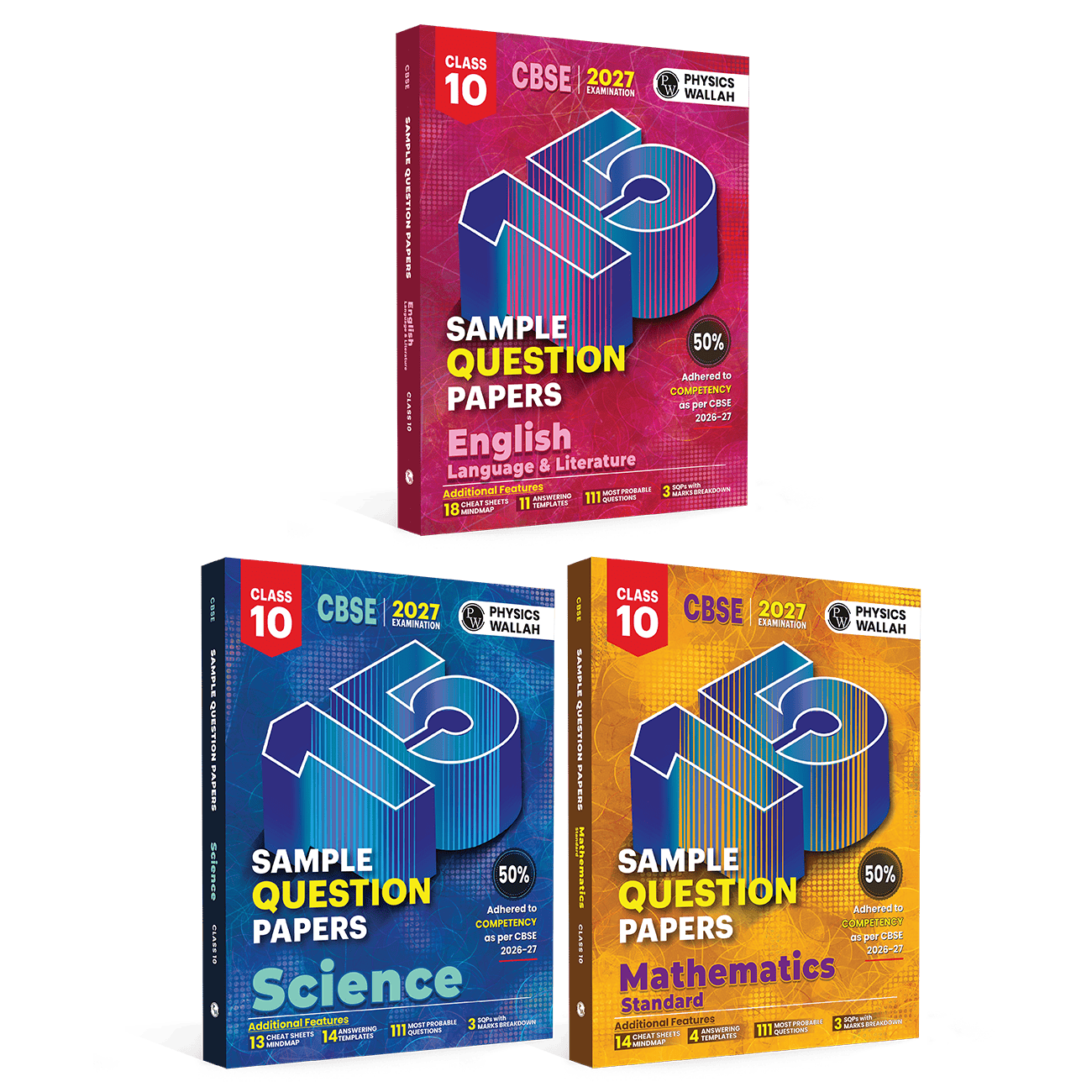
Using quality preparation material makes a measurable difference in your final results. The CBSE Class 10 Books from Physics Wallah provides targeted practice designed around current board evaluation standards.
Key Features of PW Sample Paper Books
-
Latest Alignment with CBSE: Fully revised to be in line with the latest official sample papers, with competency-based questions and changed marking schemes.
-
Step by Step Solutions: Each test paper contains full solutions which are simple to grasp and helps to clear the doubts quickly.
-
Performance Tracking Tools: Integrated self-evaluation sheets help you measure your progress and spot weak spots paper by paper.
-
Realistic Mock Practice: Contains multiple solved and unsolved mock papers curated by subject experts to simulate final exam difficulty accurately.
Regularly incorporating structured resources like as CBSE Class 10 sample papers from PW in your daily routine guarantees that your CBSE Class 10 preparation strategy remains focused, efficient and directed toward achieving maximum marks.
Read More: CBSE Class 10 Sample Papers 2026-27: Subject-Wise PDF & Solutions
CBSE Class 10 sample papers FAQs
When should I start solving CBSE Class 10 sample papers?
You should begin solving full-length sample papers during the third month of your preparation plan, after completing and revising your core syllabus.
How many sample papers should I solve per subject for class 10?
Try to solve at least 5 to 10 full length papers for each subject, under severe 3 hour exam circumstances, to build up enough speed, accuracy and confidence.
How does a 3 month study plan for class 10 help in revision?
A 3 month study plan organizes your preparation into clear phases, ensuring you complete learning in the first month, revise in the second, and understand mock tests in the third.
Are PW sample papers updated according to the latest CBSE board pattern?
Yes, PW sample papers strictly follow the latest CBSE exam guidelines, including updated question formats like competency-based questions and case studies.
What is the best CBSE class 10 preparation strategy for long answers?
Write long answers using bullet points, bold key terms, and neat diagrams. Practice answering questions from sample papers within timed limits to improve your speed.