3 Months CBSE Class 10 Study Plan with Sample Papers

Standing three months away from final board exams often brings intense stress. Most Class 10 students struggle to manage revision schedules across Science, Mathematics Standard, Social Science, and English while remaining uncertain about their actual exam readiness.
Reading textbooks repeatedly gives a false sense of security, yet writing full-length answers under timed conditions tells a different story. To bridge the gap between understanding a concept and securing high marks, incorporating authentic CBSE Class 10 sample papers into daily routines is essential.
This article provides a balanced blueprint designed to help candidates structure their revision, practice consistently, and approach their board examinations with ultimate clarity.
Importance of CBSE Class 10 Sample Papers
Completing textbook exercises alone is rarely enough to secure top grades in final board examinations. Solving structured practice papers provides a realistic simulation of the actual test environment.
-
Familiarity with Exam Format: Practicing board-style questions helps students understand how marks are distributed across objective, short-answer, and long-answer sections.
-
Time Management Skills: Writing three-hour practice papers trains students to allocate appropriate time to each section, preventing last-minute rush.
-
Identification of Conceptual Gaps: Attempting real exam questions highlights specific topics that require further review before the final evaluation.
-
Reduction of Exam Anxiety: Regular practice under timed conditions builds mental resilience, making the actual examination feel familiar and manageable.
-
Understanding Step-Wise Marking: Evaluating answers against official marking criteria shows students how to structure responses to maximize step marks.
Features of CBSE Class 10 Sample Papers
Modern board preparation resources, including CBSE Class 10 books, provide structured learning tools that make revision more effective and support better score potential.
|
Feature Component |
Learning Benefit |
|
15 Level-Wise Sample Question Papers |
Offers progressive difficulty across Science, Maths Standard, Social Science, and English to build problem-solving stamina. |
|
Past 5 Years' Trend Analysis |
Highlights recurring question patterns and core syllabus topics from previous board exams (2024 & 2025). |
|
Cheat Sheets & Mind Maps |
Provides rapid visual summaries for quick formula and concept revision before practice sessions. |
|
Step-Wise Marking Explanations |
Demonstrates topper-level answering formats to ensure candidates secure every step mark. |
|
Mistake 101 & Key Takeaways |
Identifies frequent student errors and offers expert advice to prevent mark deductions. |
|
Marking Stickers & Answering Templates |
Enables self-tracking of strong and weak subject areas during full-length tests. |
How to Follow a Study Plan with CBSE Class 10 Sample Papers?
Following a structured CBSE class 10 study plan requires discipline and strategic execution rather than mindless cramming.
First, establish a dedicated study space free from digital distractions. Set up a realistic class 10 study timetable that balances daily syllabus coverage with written practice. Begin every daily session by reviewing fundamental concepts using quick summary tools like cheat sheets.
Second, treat every mock practice session as a real board exam. Sit in a quiet room, set a three-hour timer, and write out every answer completely without referencing textbooks.
Once completed, strictly evaluate your performance using standard answer keys and marking schemes. Record every mistake in a dedicated notebook to review during your evening study hours.
When to Start Solving CBSE Class 10 Sample Papers in Your 3 Months Plan?
Timing is crucial when executing a 3 month board preparation strategy. Starting practice papers too early leads to frustration over uncovered topics, while starting too late deprives candidates of sufficient testing practice.
-
Month 1 (Foundation Phase): Focus primarily on closing syllabus gaps across Science, Mathematics, Social Science, and English. Begin solving single-chapter test papers alongside board-style practice questions.
-
Month 2 (Consolidation Phase): Transition to full-length CBSE class 10 sample papers. Aim to solve two full-length mock papers per week under timed conditions.
-
Month 3 (Refinement Phase): Solve three to four full-length papers weekly. Focus heavily on speed, answer structure, and reviewing common errors identified in previous attempts.
3-Month Study Strategy Plan Using CBSE Class 10 Sample Papers
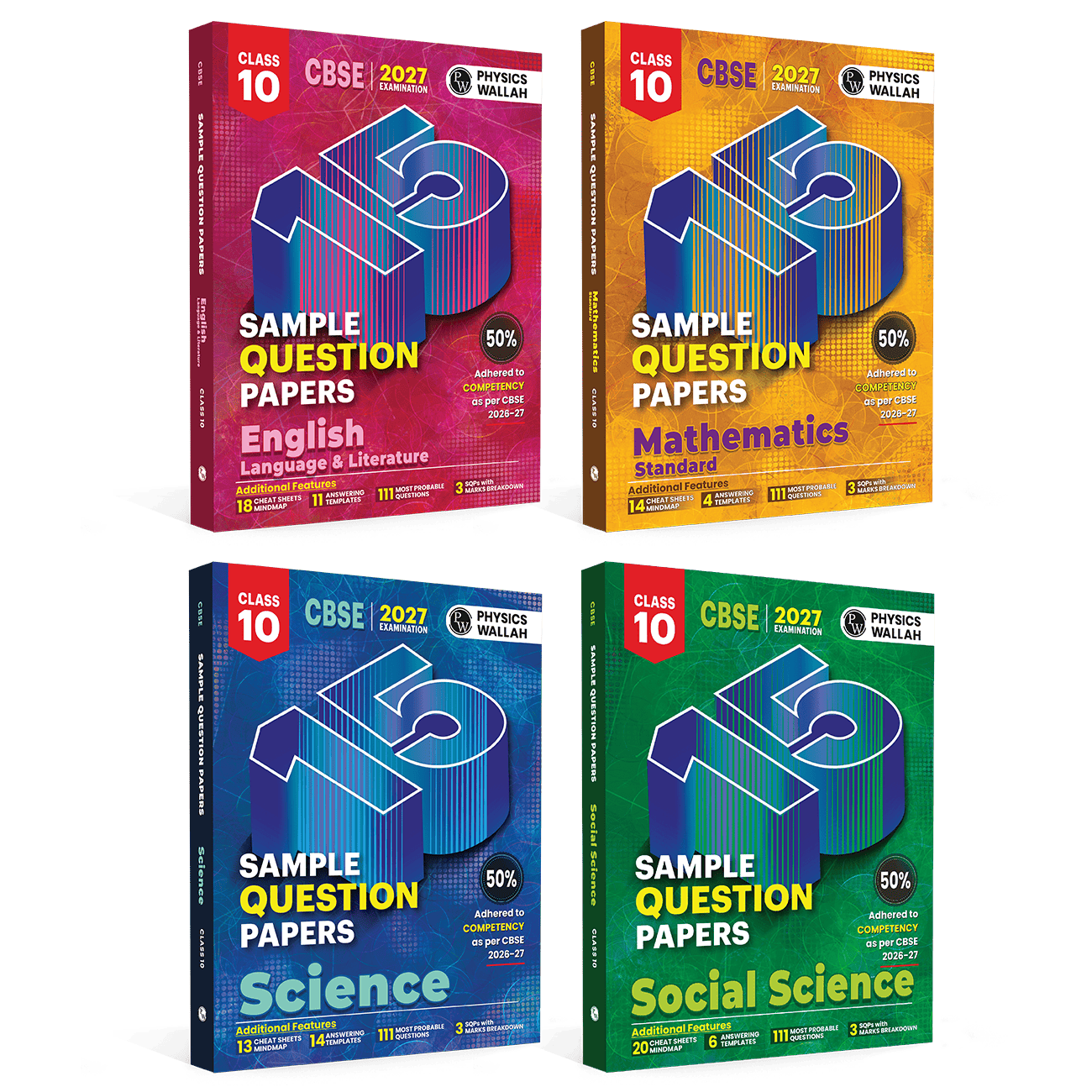
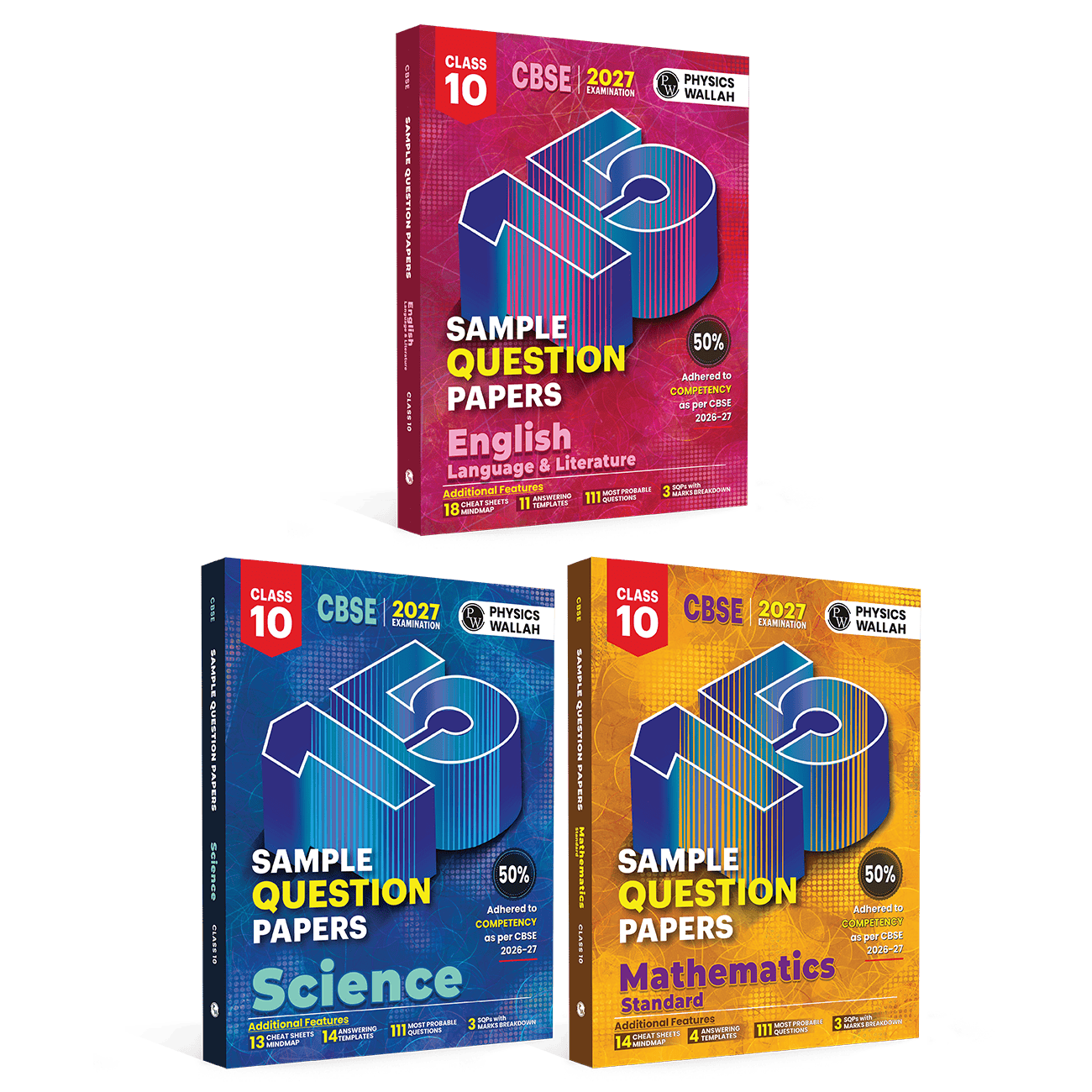
A well-balanced Class 10 board preparation plan divides ninety days into clear, manageable phases. Using the CBSE Class 10 Sample Papers Combo of 4 Books 2027 alongside this plan can help students practise systematically and track their progress.
Month 1: Syllabus Coverage and Initial Practice
Focus on completing 100% of the prescribed textbook syllabus. Use mind maps and concise notes to summarize key chapters in Science and Social Science. Reserve weekends to attempt basic class 10 sample paper practice to gauge early retention and question understanding.
Month 2: Intensive Mock Testing and Weak Area Identification
Dedicate weekdays to solving most probable questions and targeted chapter booklets. Use weekends for strict three-hour timed mock tests. Compare your answers against topper explanations to learn how to present clear, high-scoring responses.
Use progress stickers or tracking charts to categorize topics into strong, moderate, or weak areas.
Month 3: Speed Building and Final Exam Simulations
Simulate exact exam hall conditions during this final month. Solve level-wise papers during official examination hours to align your focus with test timings. Spend the final two weeks reviewing cheat sheets, high-frequency questions, and common mistakes to keep anxiety low.
Tips for 3-Month Plan with CBSE Class 10 Sample Papers
Applying actionable techniques keeps daily practice organized and ensures steady progress.
-
Strictly Adhere to Timed Conditions: Always set a countdown timer for three hours to develop steady pace and time allocation skills.
-
Focus on Step-Wise Answering: In Mathematics and Science, present formulas, steps, and final units clearly to capture partial marks.
-
Analyze Past Exam Trends: Review papers from recent years (2024 & 2025) to identify recurring board topics and question types.
-
Maintain an Error Notebook: Log every formula error, calculation mistake, or lost point so you can revise them before test day.
-
Stay Updated with Official Regulations: Ensure your practice aligns with modern guidelines, such as the CBSE Two-Exam Policy 2026 format.
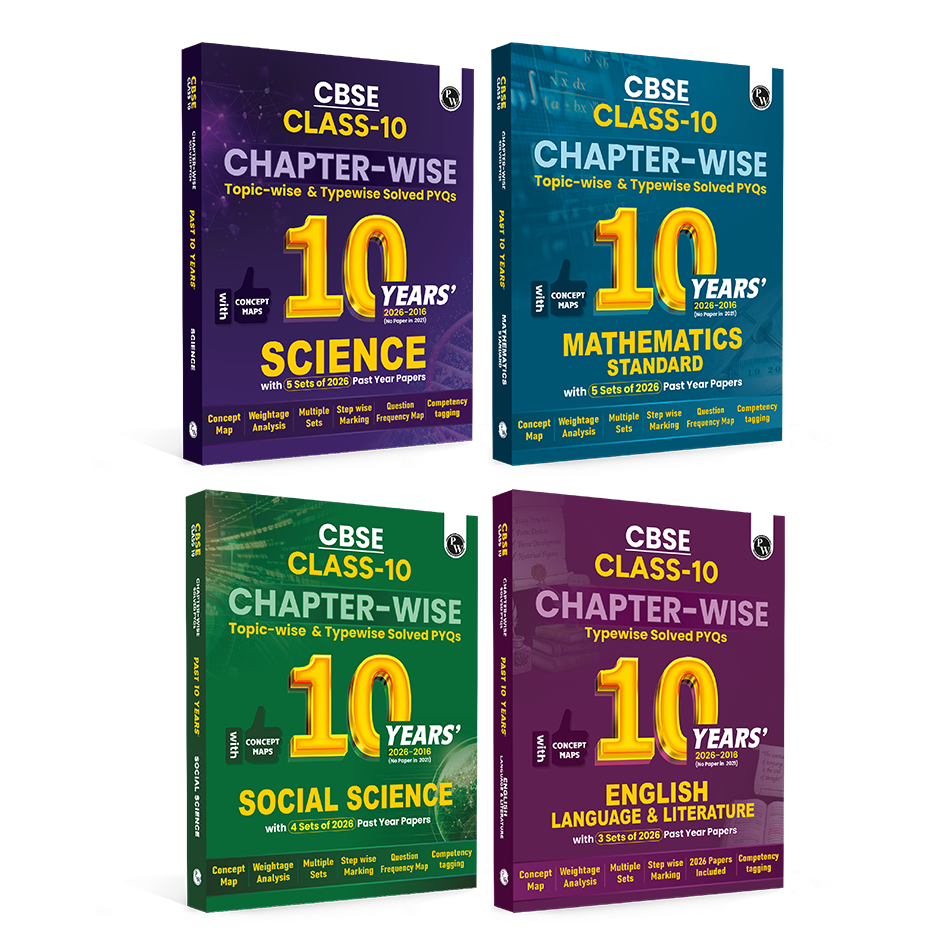
Also Check - CBSE Class 10th Previous Year Papers
Common Mistakes to Avoid in Your 3-Month Plan with CBSE Class 10 Sample Papers
Identifying dangerous habits early allows students to correct their routines before final board examinations arrive.
-
Reading Papers Linearly Without Writing: Simply reading question papers and answer keys without writing full answers fails to build writing speed or hand stamina.
-
Ignoring the Evaluation Phase: Solving mock papers without evaluating them against marking schemes renders the practice useless.
-
Neglecting Language Subjects: Focusing solely on Mathematics and Science while ignoring English and Social Science leads to lower overall percentages.
-
Over-emphasising Weak Topics: Spending too much time on a single difficult topic while neglecting regular revision of strong subjects reduces overall score stability.
-
Ignoring Board Answering Formats: Failing to use proper headings, bullet points, and clean diagrams in long-form questions leads to unnecessary mark deductions.
Read More: CBSE Class 10 Study Timetable
CBSE Class 10 Sample Papers FAQs
How many mock tests should I solve before the Class 10 board exam?
Solving 10 to 15 level-wise mock papers across core subjects ensures comprehensive exposure to question patterns, marking schemes, and time management demands.
How do sample papers help improve answer presentation?
Sample papers include step-wise marking schemes, topper explanations, and answering templates that teach students how to structure neat, high-scoring answers.
Is a 3-month preparation schedule enough to score well in Class 10?
Yes, a structured three-month strategy combining targeted syllabus revision with regular mock paper practice provides ample time to master the exam format.
Why is analyzing past years' question papers important?
Analyzing past five years' papers helps candidates identify high-weightage topics, recurring question formats, and essential exam trends.
How can I avoid making silly mistakes during final board exams?
Regularly practicing with error-prevention tools like Mistake 101 guides and keeping an active error log helps eliminate common calculation and presentation slips.