SBI PO PYQ: How to Avoid Making the Same Mistakes Again?
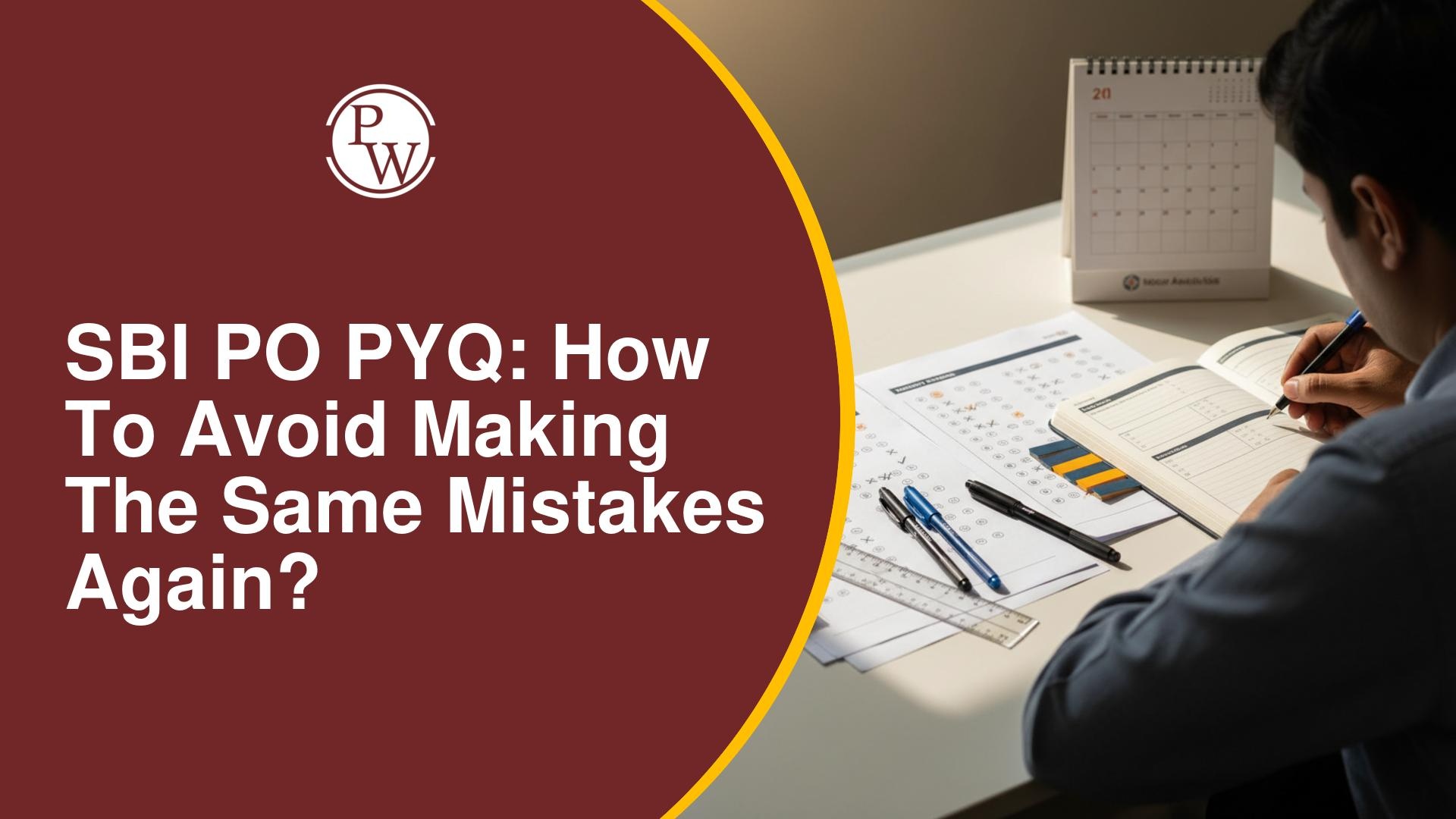
Candidates often solve hundreds of practice sets, only to find the same calculation slips or logical misunderstandings pulling down their final scores. This plateau usually occurs not from a lack of effort, but from inadequate review techniques during daily study routines.
Using authentic past examination questions provides direct exposure to official testing standards. By evaluating your performance against actual exam sets, you can pinpoint the exact stage where errors occur, whether in initial reading, formula application, or final choice selection.
Strategic use of a dedicated SBI PO PYQ resource transforms casual practice into targeted score improvement, ensuring you eliminate recurring blunders and step into the examination hall with complete clarity.
Overview of SBI PO PYQ
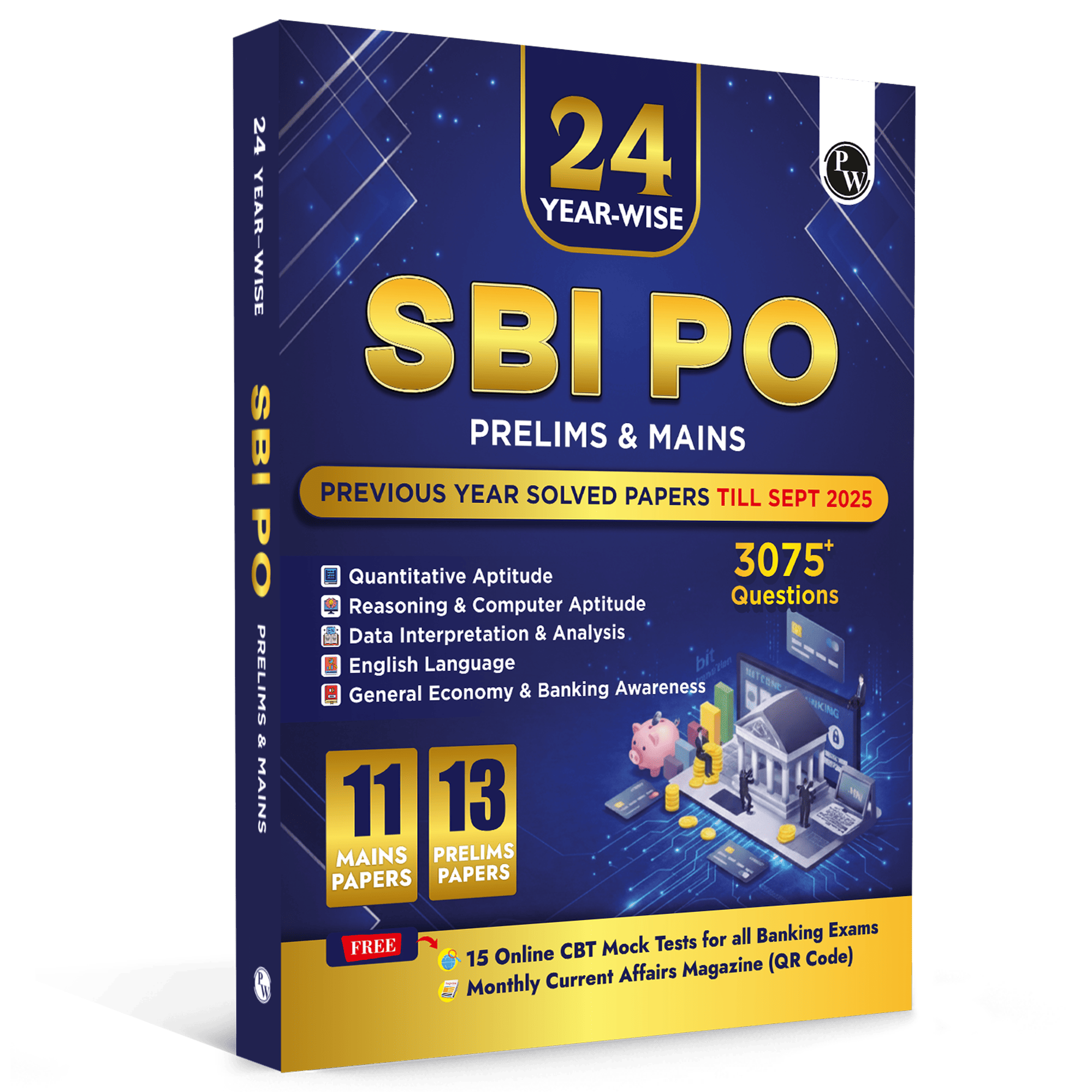
Analyzing authentic past question papers gives candidates direct clarity regarding exam trends, question variations, and time constraints. A structured SBI PO PYQ book combines real papers with detailed solutions to help candidates evaluate their performance against actual test standards.
Engaging with structured SBI PO previous year questions offers clarity on how concepts convert into complex, multi-layered questions under timed conditions.
|
Resource Feature |
Details and Key Benefits |
|
Year-Wise Solved Papers |
Covers 24 years up to September 2025 |
|
Exam Stage Coverage |
Includes 13 Prelims Papers and 11 Mains Papers |
|
Practice Question Pool |
Features 3075+ MCQs for extensive practice |
|
Simulated Test Environment |
Contains 15 Online Computer-Based Tests (CBT) |
|
Strategic Trend Insights |
Includes 5-Year Trend Analysis and Topic Weightage Breakdown |
Using a rich question repository strengthens conceptual clarity while exposing hidden weaknesses in daily problem-solving techniques.
How Can SBI PO PYQ Help You Understand Your Mistakes
Solving past papers without evaluating your performance limits potential score growth. Working through authentic SBI PO previous year questions allows you to trace exact failure points across different sections.
-
Identifying Conceptual Gaps: Incorrect responses reveal specific topics where theoretical understanding remains incomplete.
-
Catching Calculation Traps: Step-by-step verified solutions help expose arithmetic slips and rushed steps in quantitative sections.
-
Exposing Reading Errors: Comparing your choices with verified answers highlights instances where misreading instructions led to penalty marks.
-
Highlighting Time Drain: Timed practice pinpoints complex question types that consume excessive time without guaranteeing marks.
Detailed post-test evaluation using relevant Banking Books ensures that practice attempts translate directly into accuracy improvements.
How to Use SBI PO PYQ to Avoid Repeating the Same Mistakes
To eliminate recurring errors, candidates must adopt a systematic review routine rather than randomly solving paper after paper. Targeted SBI PO practice transforms passive reading into active learning.
-
Classify Mistakes by Category: Group your incorrect answers into conceptual misunderstandings, calculation mistakes, or misread questions.
-
Maintain an Error Log: Record every incorrect response alongside its verified explanation to trace accuracy improvements over time.
-
Re-solve Flagged Questions: Attempt previously missed questions after a few days to ensure you have mastered the correct approach.
-
Compare Solution Paths: Check your solving technique against verified explanations to discover shorter, more reliable methods.
-
Simulate Real Test Settings: Attempt year-wise papers under strict time limits to build test endurance and control exam anxiety.
Focusing on the root causes of wrong answers stops candidates from making identical mistakes in future tests.
When Should You Review Your Mistakes in SBI PO PYQ
Timing your mistake review is vital for long-term retention. Delaying analysis makes it harder to correct bad problem-solving habits.
|
Review Phase |
Focus Area and Execution Strategy |
|
Immediate Review |
Analyze incorrect choices right after finishing a paper while your thought process is fresh. |
|
Weekly Audit |
Re-attempt all questions logged in your error journal over the past seven days. |
|
Pre-Mock Warmup |
Read through past error logs before starting fresh online CBT mock sets. |
|
Strategic Planning |
Consult 5-Year Trend Analysis to reallocate study time toward high-weightage topics. |
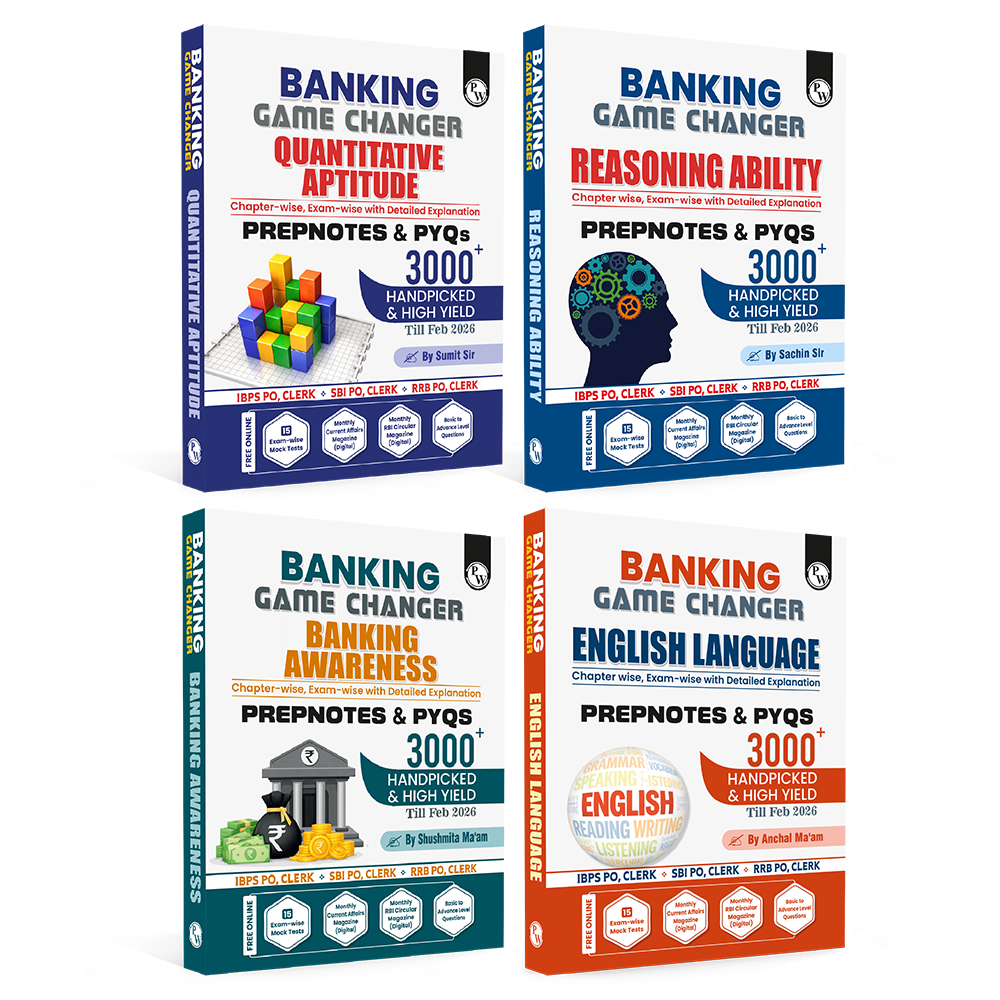
Banking Game Changer Books Combo offers structured study material to help aspirants strengthen concepts and practise important banking exam topics. It can support regular revision, question practice, and better preparation for competitive banking exams.
Study Strategy Plan with SBI PO PYQ for Better Accuracy
A balanced study plan blends subject learning, trend evaluation, and full-length test practice to build confidence across all exam sections.
-
Phase 1 Diagnostic Test: Complete two past prelims papers to establish baseline speed, accuracy, and section performance.
-
Phase 2 Focused Subject Work: Use topic-wise weightage insights to target high-yield areas while fixing foundational gaps.
-
Phase 3 High-Volume Practice: Work through a collection of 3075+ practice questions to boost pattern recognition and speed.
-
Phase 4 CBT Simulation: Complete 15 online computer-based tests to mirror actual test conditions and polish time management skills.
Following a clear, phased approach ensures complete preparation for both exam tiers.
Tips to Avoid Repeating Mistakes in SBI PO PYQ
Developing consistent accuracy requires intentional habits during daily study sessions. Implementing disciplined routines prevents unnecessary mark deductions during SBI PO preparation.
-
Read Every Question Carefully: Watch for negative phrasing such as "not true" or "except" to avoid simple traps.
-
Verify Intermediate Calculations: Double-check middle steps in multi-stage problems before picking your final option.
-
Eliminate Incorrect Options: Cross out obviously wrong choices early to narrow down possibilities logically.
-
Stick to Section Limits: Set strict time targets for each section to prevent rushing through final questions.
-
Prioritize Review Over Quantity: Analyzing 20 questions thoroughly builds better skills than solving 50 questions without reviewing errors.
Refining daily operational habits builds the precision required to clear competitive cut-off scores.
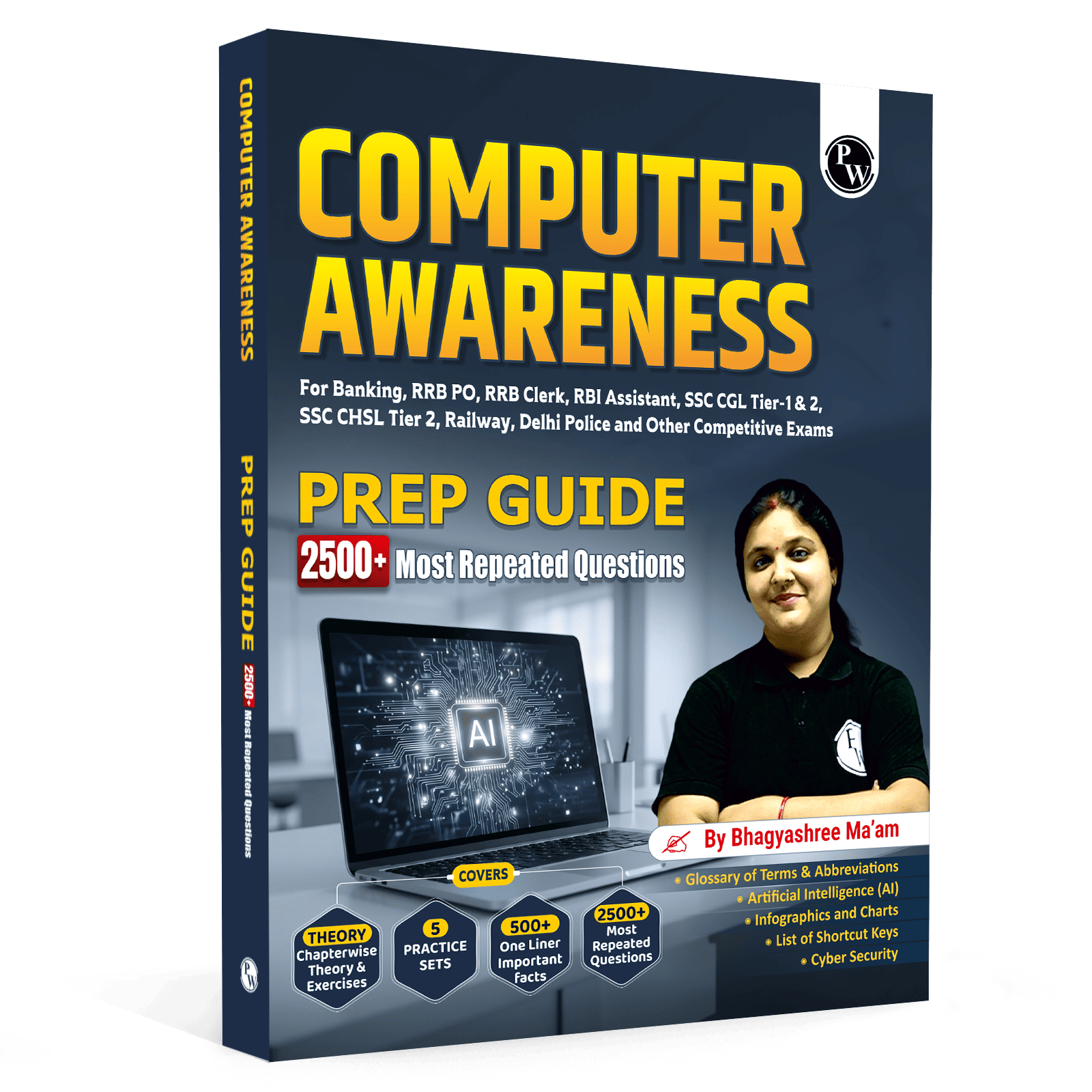
Also Check - PW Computer Awareness Book
Common Mistakes to Avoid While Practising SBI PO PYQ
Unstructured preparation often leads to familiar traps that slow down score growth. Recognizing common SBI PO mistakes helps candidates stay on track toward selection.
-
Ignoring Mains Level Sets: Preparing only for preliminary sets leaves candidates unprepared for complex mains question formats.
-
Skipping Performance Analysis: Moving to a new paper without reviewing past errors guarantees repeating the same mistakes.
-
Using Unverified Answers: Relying on unauthenticated solutions creates confusion and reinforces incorrect concepts.
-
Practicing Without Timers: Solving past papers without strict time tracking builds a false sense of speed.
-
Neglecting Minor Topics: Skipping smaller sections entirely can cost crucial margin marks needed for final qualification.
Structured, reflective practice eliminates these blind spots and creates a clear path toward steady score improvement.
Read More: SBI PO Syllabus 2026 for Prelims and Mains Exams
SBI PO PYQ FAQs
How many years of past papers are needed for banking exam preparation?
Practicing 24 years of prelims and mains papers provides complete coverage of changing question formats, difficulty levels, and topic trends.
How does analyzing previous question papers increase accuracy?
It uncovers recurring error patterns, highlights calculation traps, and allows you to compare your solving methods against verified solutions.
Should I prepare for prelims and mains past papers together?
Yes, integrating 13 Prelims and 11 Mains papers ensures early mastery of basic concepts along with advanced multi-step analytical problems.
Why are online CBT tests useful when working with past papers?
Taking online CBT tests replicates the real test environment, helping candidates improve screen reading speed, navigation, and time management.
What is the best way to record errors during daily practice?
Maintain a dedicated error log to categorize missteps into conceptual gaps, misread prompts, or calculation slips, and review them weekly.