CSIR NET Syllabus Too Big? How to Prioritise Important Topics

CSIR NET Syllabus is wide and requires strategic focus rather than pure memorization. Identify high-yield topics, practice with past papers, and make your study sessions more productive with structured tools to get a top rank.
What to Study First in CSIR NET Syllabus
Staring down an endless list of academic concepts can drain your enthusiasm before you even open a textbook. Postgraduate aspirants frequently find themselves overwhelmed by the sheer scale of national-level examination requirements. Juggling multiple academic modules while striving for absolute perfection creates unnecessary stress. Every aspiring candidate faces the daunting reality that digesting every line of official guidelines is nearly impossible within a standard timeline. Instead of trying to memorise every sub-topic, intelligent learners shift their perspective toward smart navigation and resource optimisation.
A clear approach turns terror into productive work. If you examine at the trends of testing in the past, you will see that some chapters have more weightage than others. Knowing where to focus can transform your everyday study habit. You stop wasting time on small details but focus on the core topics which get you maximum points . An equilibrium between a comprehensive comprehension of the concepts and regular self-assessment to keep you on the right track without draining yourself halfway through your preparation. This core change creates long-term confidence and diminishes worry while you manage your routine.
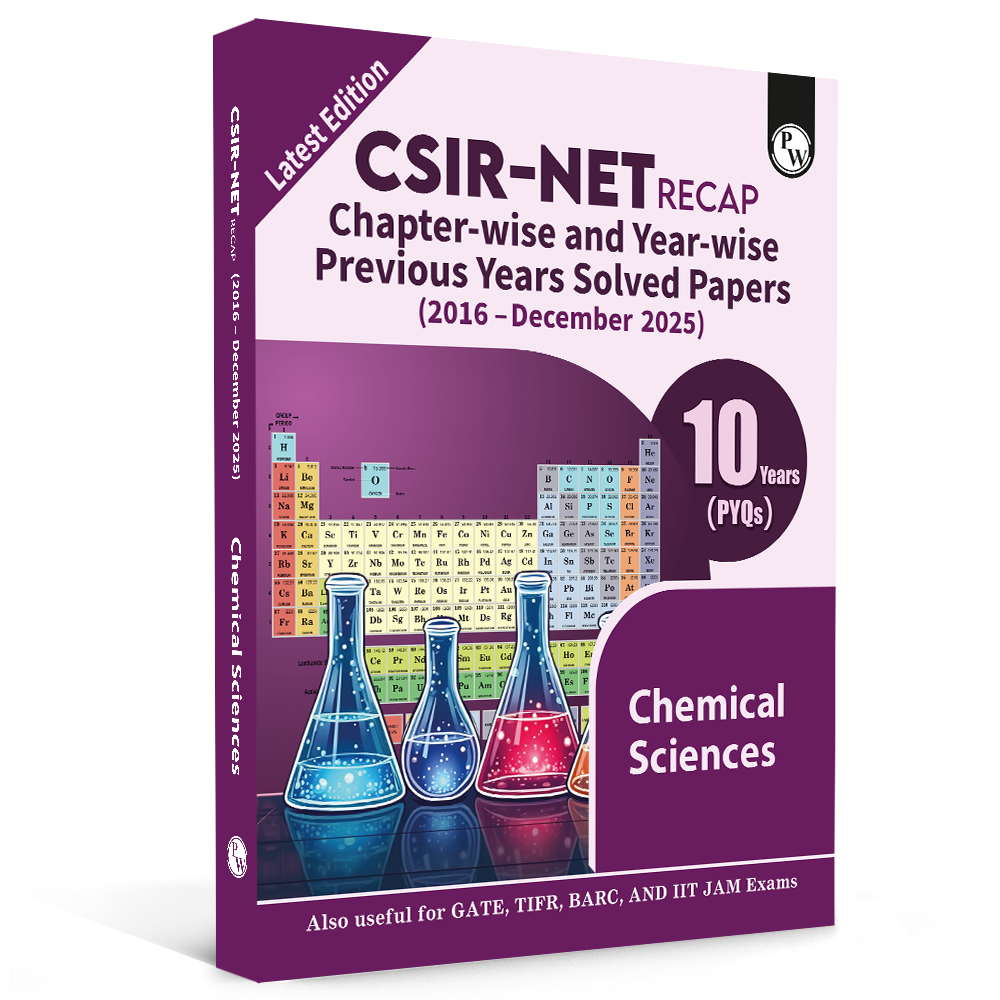
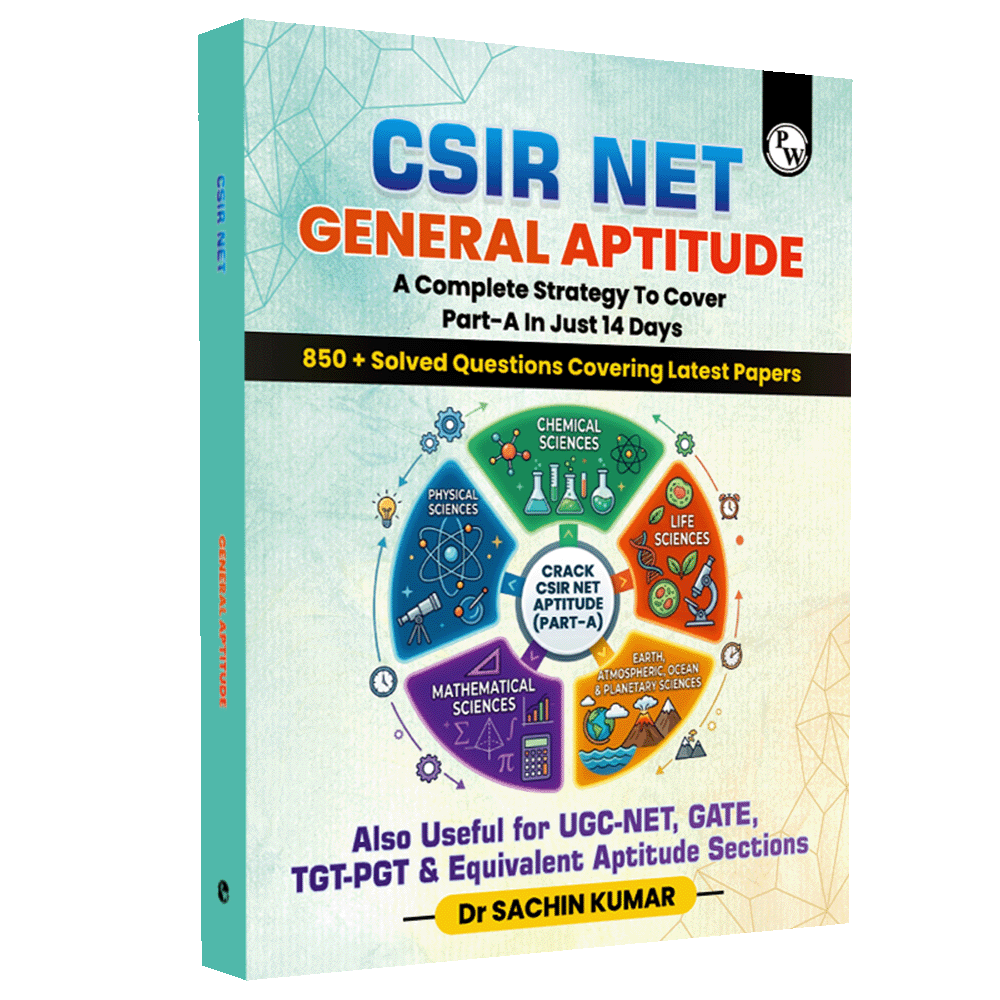
Explore PW CSIR NET Books for focused exam preparation with PYQs, chapterwise practice, detailed solutions, and comprehensive coverage of important topics.
How to Cover the CSIR NET Syllabus
Dividing a massive academic workload into manageable segments forms the backbone of any successful study plan. When dealing with extensive guidelines, compartmentalisation keeps your mind clear and focused. Start by separating your study material into units based on their historical frequency in the examination. Some topics act as the foundation for multiple advanced chapters, making them absolute priorities during your initial weeks of study.
-
Unit Prioritisation: Focus first on high-frequency topics that appear consistently across multiple exam cycles.
-
Structured Segregation: Break larger academic blocks into weekly micro-goals to prevent cognitive fatigue.
-
Continuous Review: Revisit challenging sections periodically to reinforce long-term memory retention and conceptual clarity.
Achieving thorough CSIR NET syllabus coverage does not mean reading every page word-for-word. It means understanding structural links between related scientific domains. When you connect foundational theories to complex applications, your problem-solving speed increases naturally. This systematic approach allows you to navigate unexpected questions with confidence and composure.
CSIR NET Important Topics to Prepare First
Pinpointing high-scoring areas requires looking backward before moving forward. Historical question papers serve as a reliable compass for your study sessions. By analysing trends over past exam cycles, you can easily spot patterns regarding which areas examiners favour. Understanding these patterns is also an important part of learning how to prepare for CSIR NET, as it helps you decide which topics deserve more attention during revision. Certain chapters consistently feature multiple high-weightage questions, making them essential targets for your revision schedule.
-
Question Paper Audits: Review previous years papers to identify recurring themes and heavily tested concepts.
-
Weightage Mapping: Allocate more study hours to chapters that contribute a larger share of total marks.
-
Exclusion Strategy: Temporarily sideline low-yield, highly complex topics if they consume too much time with minimal return.
Targeting important topics transforms a chaotic revision phase into a targeted mission. Instead of guessing what might appear on the question paper, you rely on concrete data from past exams. This targeted focus saves precious hours and sharpens your analytical accuracy under timed conditions.
Best Study Material to Cover the CSIR NET Syllabus
Choosing the right reference books and practice guides dictates the quality of your daily output. Reliable study resources explain complex theories in simple language, allowing you to grasp difficult mechanisms without unnecessary confusion. When building a solid CSIR NET preparation strategy, ensure your study tools feature clear explanations, chapter-wise exercises, and dedicated practice sets.
-
Clear Conceptual Guides: Select books that break down intricate mechanisms into simple, digestible explanations.
-
Practice Integration: Use resources offering chapter-wise questions and mock tests to build speed and accuracy.
-
Solved Archives: Rely on compendiums containing previous year questions with detailed solutions to decode exam patterns.
Quality learning material acts as a silent mentor throughout your academic journey. It bridges the gap between theoretical knowledge and practical application, ensuring you can tackle tricky numerical and analytical problems with ease. Consistency in solving structured exercises builds the mental stamina required for a competitive national examination.
PW CSIR NET Recap Chemical Sciences PYQ book covers 11 years of chapterwise and yearwise solved papers (2015–December 2025), including the latest paper for TIFR, JEST, GATE and IIT JAM preparation.
Important Chapters in the CSIR NET Syllabus
Optimising your daily routine involves more than just putting in long hours at the desk. Working smarter means aligning your biological peak hours with difficult problem-solving tasks. Dedicate your freshest hours to learning CSIR NET important chapters that require intense logical reasoning. Save lighter review tasks, formula memorisation, and quick reading for later in the day when your energy levels dip.
-
Active Recall Techniques: Test your memory regularly instead of passively reading the same paragraphs multiple times.
-
Timed Practice Sessions: Simulate exam pressure by solving sectional quizzes within strict time limits.
-
Targeted Revision Blocks: Keep weekly slots open solely to clear up lingering doubts from previous modules.
Integrating these habits into your daily routine creates a sustainable rhythm of learning and recovery. Avoiding burnout is just as important as covering your daily syllabus targets. By maintaining steady momentum and protecting your focus, you position yourself to perform at your absolute best when it matters most.
Weekly Study Plan for the CSIR NET Syllabus
Once you have identified the important units and chapters, the next step is to turn them into a realistic weekly schedule. Instead of assigning equal time to every topic, divide your syllabus into three groups based on importance and your current level of preparation. High-priority topics should receive the most study time, especially when they are frequently tested and you have difficulty solving questions from them. A simple weekly plan can include three to four high-priority topics, two moderate-priority topics, and one revision block. Start each week by setting specific targets such as completing a particular concept, solving a fixed number of previous year questions, or taking a sectional test. Keep one day or a few hours for reviewing mistakes and revisiting difficult concepts. Your priority list should not remain fixed throughout the preparation period. Update it after every mock test or practice session. If your accuracy improves in one chapter, you can reduce its study time and shift more attention towards weaker areas. This flexible approach helps you make better use of limited preparation time while maintaining steady progress across the syllabus.
Read More - How to Prepare with Subject Wise CSIR NET PYQ
CSIR NET Syllabus FAQs
Which sections should I focus on first in the CSIR NET syllabus?
Focus on foundational units that appear frequently in previous year question papers and form the basis for advanced problem-solving modules.
How can I identify CSIR NET important topics effectively?
Analyze past exam papers over the last five years to map out recurring themes, high-weightage chapters, and frequently tested theoretical concepts.
What makes a strong CSIR NET preparation strategy?
A strong approach combines clear conceptual learning, regular chapter-wise practice, timed mock tests, and consistent weekly revision cycles.
Are previous year papers necessary for syllabus coverage?
Yes, solving past exam papers helps you understand testing trends, improve time management, and identify recurring high-yield chapters.
How do I handle complex CSIR NET important chapters without getting overwhelmed?
Break down the complex chapters into micro-topics, start with basic ideas, and use organized reference books with simplified explanations.