CUET Accountancy Previous Year Question Papers with Downloaded PDF
Preparing for the CUET 2026 exam requires a clear understanding of concepts along with regular practice. For Commerce students, CUET Accountancy Previous Year Question Papers (PYQs) are one of the most useful resources for effective preparation. Solving CUET previous year papers helps students understand the exam pattern, question types, and important topics that frequently appear in the exam.
In this article, you will learn the importance of CUET Accountancy previous year question papers, how to use them effectively, what topics they cover, and how downloadable PDFs can improve your preparation.
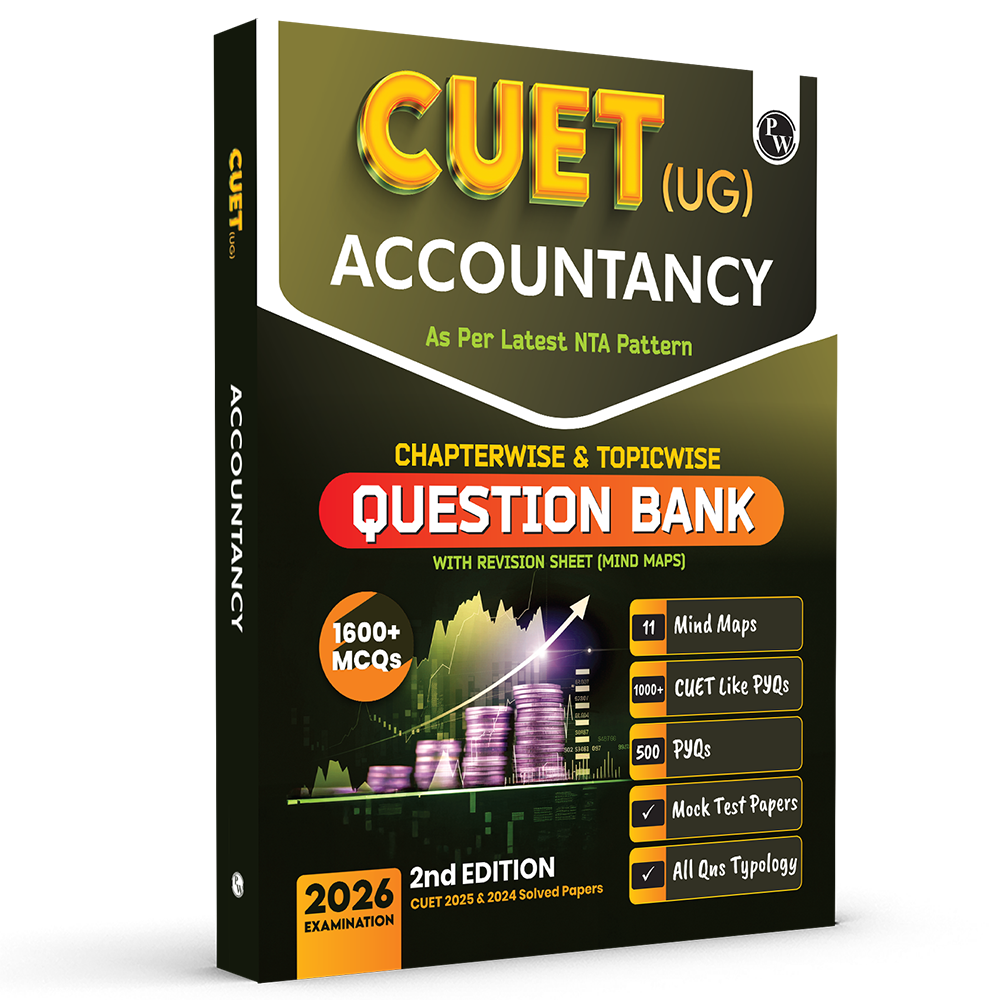
Check out: CUET Books
CUET Accountancy Previous Year Question Papers
CUET Accountancy Previous Year Question Papers are the actual questions asked in past CUET examinations. These papers provide students with a realistic idea of the exam format and difficulty level.
Accountancy is a practical subject that requires both conceptual clarity and numerical accuracy. Practising PYQs helps students become familiar with calculation-based and theory-based questions.
Most CUET Accountancy question papers include:
-
Multiple-choice questions (MCQs)
-
Theory-based questions
-
Numerical problems
-
Case-study questions
|
CUET Accountancy PYQ |
|
|
CUET Accountancy PYQ 2023 |
|
|
CUET Accountancy PYQ 2024 |
|
|
CUET Accountancy PYQ 2025 |
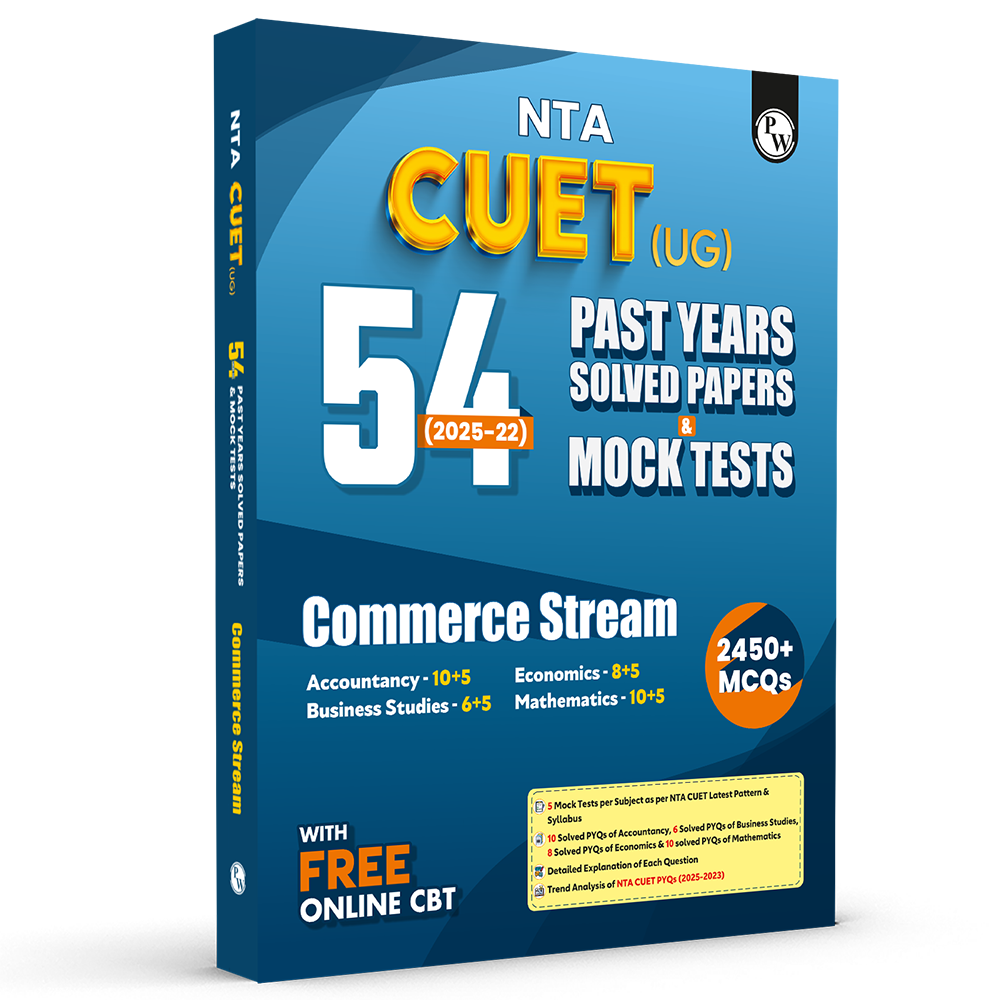
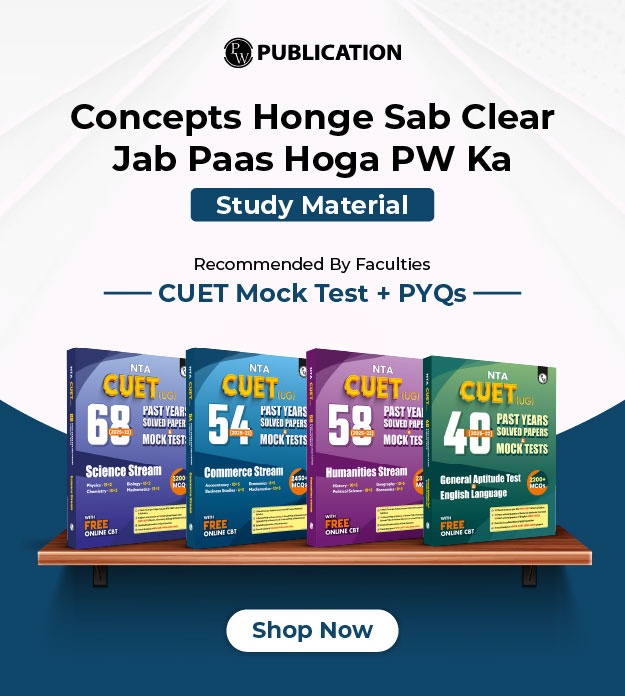
For more Previous year paper pdf, Check here CUET Commerce Past Years Solved Papers
Why Solve CUET Accountancy Previous Year Question Papers?
Solving previous year papers is one of the smartest ways to prepare for CUET Accountancy.
1. Understand the Exam Pattern
Previous year papers show how questions are structured and how topics are distributed in the exam.
2. Identify Important Topics
Some topics appear regularly in CUET Accountancy. PYQs help you identify high-weightage chapters.
3. Improve Speed and Accuracy
Regular practice helps students solve numerical questions faster and with fewer mistakes.
4. Build Exam Confidence
When students practise real exam questions, they feel more confident during the actual test.
5. Improve Time Management
Timed practice helps students learn how to complete the paper within the given time.
CUET Accountancy Exam Pattern (Based on PYQs)
Based on previous year question papers, the CUET Accountancy exam typically includes:
-
Objective-type questions
-
Numerical and theory questions
-
NCERT-based concepts
-
Practical accounting problems
The exam requires both conceptual understanding and calculation skills.
Important Topics Covered in CUET Accountancy PYQs
CUET Previous year papers show that certain chapters are more important than others.
1. Accounting for Partnership Firms
This is one of the most important sections.
Common questions include:
-
Admission of a partner
-
Retirement of a partner
-
Goodwill calculation
-
Revaluation account
-
Capital adjustment
These questions often involve calculations.
2. Accounting for Companies
This topic frequently appears in CUET Accountancy.
Important areas include:
-
Issue of shares
-
Forfeiture of shares
-
Issue of debentures
-
Accounting entries
Students should practise journal entries carefully.
3. Financial Statements Analysis
Questions from this section include:
-
Ratio analysis
-
Comparative statements
-
Common-size statements
Concept clarity is essential for scoring well.
4. Cash Flow Statement
Cash Flow Statement is a high-scoring topic.
Common question types:
-
Operating activities
-
Investing activities
-
Financing activities
-
Adjustments
Practising PYQs helps students master the format.
5. Accounting Fundamentals
Basic concepts are also tested.
Examples:
-
Accounting principles
-
Basic formulas
-
Ledger entries
-
Trial balance concepts
These questions are usually concept-based.
Benefits of CUET Accountancy PYQ Downloaded PDFs
Downloading CUET Accountancy Previous Year Question Papers in PDF format is very helpful for students.
Advantages of PDF Question Papers
1. Easy Access
Students can study anytime without needing internet access.
2. Offline Practice
PDFs allow students to practise without distractions.
3. Printable Format
Students can print the papers and practise like a real exam.
4. Quick Revision
PDFs are easy to revise before the exam.
How to Use CUET Accountancy PYQs Effectively
Many students download question papers but do not use them properly. The right strategy is important.
Step 1: Complete the Syllabus First
Finish your Accountancy syllabus before starting PYQs.
Step 2: Solve Papers Topic-Wise
Start with chapter-wise practice if possible.
Step 3: Solve Papers With Timer
Attempt papers in exam conditions.
Step 4: Analyse Mistakes
Check wrong answers carefully and revise concepts.
Step 5: Reattempt Papers
Solve the same paper again after revision.
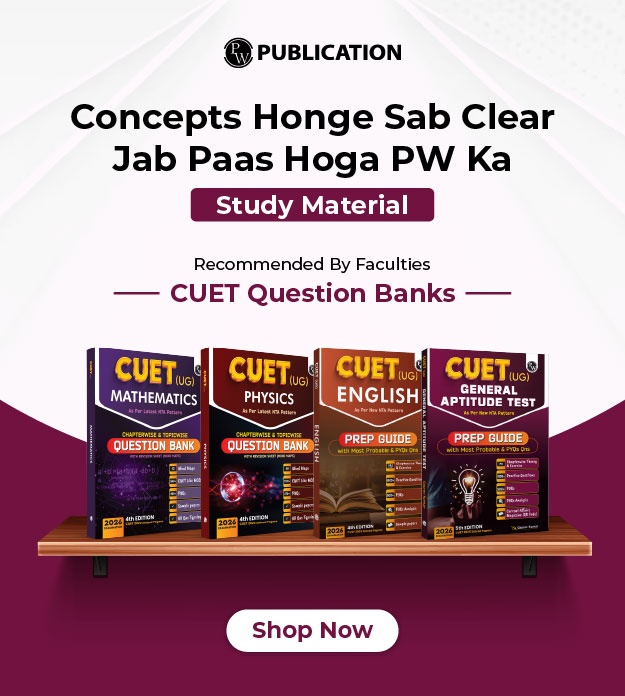
Check Out: CUET Question Banks
Right Time to Start Solving CUET Accountancy PYQs
The ideal time to start is:
-
After completing the syllabus
-
3–4 months before the exam
In the last month, students should revise PYQs regularly.
Common Mistakes Students Make
Students often make mistakes while practising PYQs:
-
Not solving under time limit
-
Ignoring weak topics
-
Not revising mistakes
-
Practising only theory questions
-
Avoiding numerical problems
Avoiding these mistakes improves performance.
Read More: CUET Previous Year Question Papers, Download PDFs
CUET Accountancy Previous Year Question Papers – FAQs
Q1. Why should I solve CUET Accountancy previous year papers?
Previous year papers help you understand the exam pattern, important topics, and question types.
Q2. Are CUET Accountancy questions NCERT-based?
Yes, most CUET Accountancy questions are based on NCERT Class 12 concepts.
Q3. How many CUET Accountancy PYQs should I solve?
Students should solve at least the last 3–5 years of question papers.
Q4. Can PYQs improve my CUET score?
Yes, regular practice with PYQs improves speed, accuracy, and confidence.
Q5. Are numerical questions important in CUET Accountancy?
Yes, numerical questions are an important part of CUET Accountancy and require regular practice.
Q6. Should I solve PYQs before mock tests?
Yes, PYQs should be solved first to understand the exam pattern before attempting mock tests.