GATE CSE Subject Wise Weightage and Preparation Tips

It can be challenging to get ready for the Graduate Aptitude Test in Engineering (GATE) because it feels like you're in a maze. The hardest part is figuring out where to start and how much time to spend on each subject. Because they don't know GATE CSE subject wise weightage, students often waste weeks learning stuff that don't benefit them much. This article lays out a clear plan based on statistics. By focusing on the historical weightage of Gate CSE, you can change your study strategy from a haphazard routine into a precise method that ensures sure every hour you spend studying brings you closer to getting into IIT.
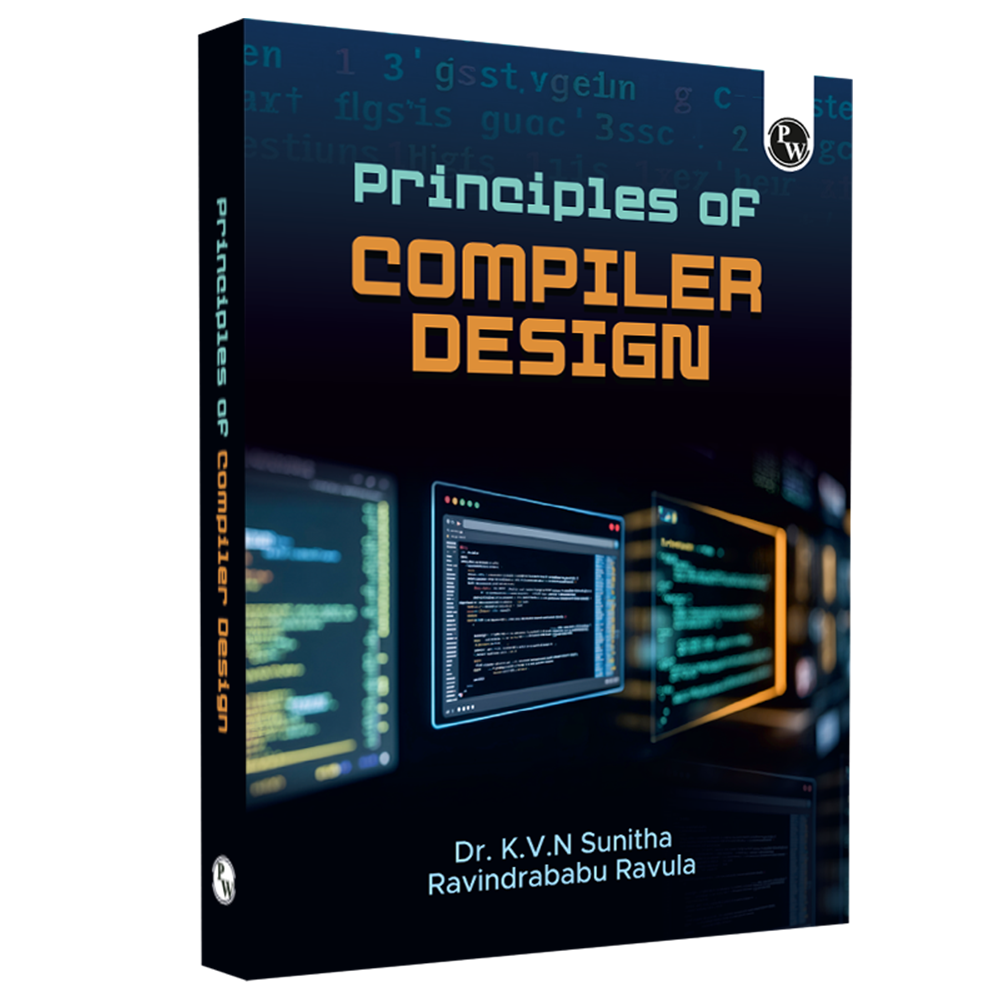
Check Out: GATE Books
GATE CSE Paper Overview
Before getting into the details of the exam, you need to know how it all works. There are 65 questions on the GATE CS paper, and they are all worth 100 marks. There are three primary parts to them:
-
General Aptitude: 15 marks (fixed weight).
-
Engineering Maths: About 13 to 15 marks..
-
Core Technical Subjects: About 70 to 72 marks.
Knowing the GATE CS subject wise weightage helps you determine which primary areas need the most attention. The way the marks are spread out remains the same, but the level of difficulty fluctuates from year to year.
GATE CSE Subject Wise Weightage
Based on analysis from previous years, the following table illustrates the typical distribution of marks across the core computer science syllabus. Use this GATE subject wise weightage for CSE to balance your daily schedule.
|
Subject Name |
Average Marks Weightage |
Importance Level |
|
General Aptitude |
15 Marks |
Very High |
|
Engineering Mathematics & Discrete Math |
13 - 15 Marks |
Very High |
|
Programming and Data Structures |
10 - 12 Marks |
High |
|
Algorithms |
8 - 10 Marks |
High |
|
Operating Systems |
8 - 10 Marks |
High |
|
Database Management Systems (DBMS) |
7 - 9 Marks |
Medium |
|
Computer Networks |
7 - 9 Marks |
Medium |
|
Theory of Computation (TOC) |
8 - 10 Marks |
High |
|
Compiler Design |
4 - 6 Marks |
Low |
|
Computer Organization & Architecture |
8 - 10 Marks |
Medium |
|
Digital Logic |
4 - 5 Marks |
Low |
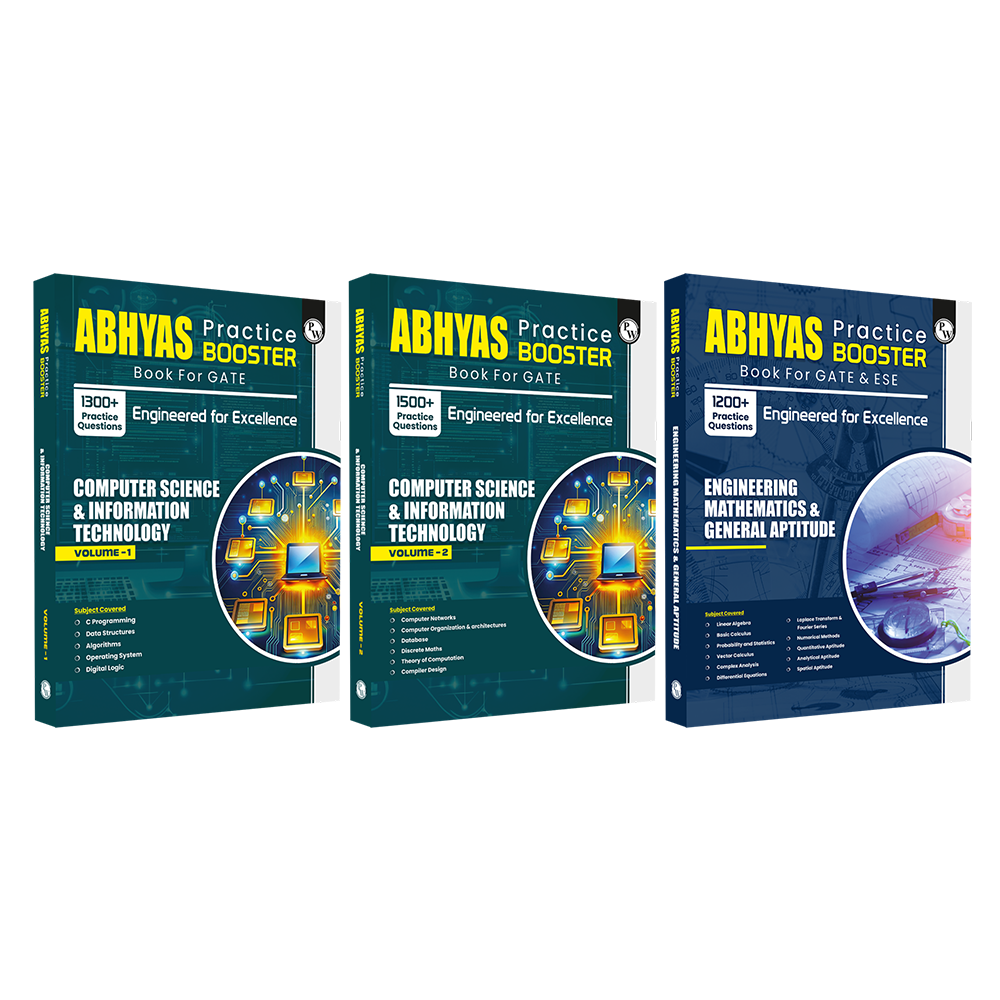
Check Out: GATE & ESE Books
GATE CSE Subject Wise Weightage and Subject Priority List
To simplify preparation, divide subjects into priority levels:
High Priority Subjects
-
General Aptitude
-
Engineering Mathematics
-
Data Structures and Algorithms
-
Operating Systems
-
TOC
Medium Priority Subjects
-
DBMS
-
Computer Networks
-
Computer Organization
Low Priority Subjects
-
Compiler Design
-
Digital Logic
This helps you allocate time smartly instead of treating all subjects equally.
GATE CSE Subject Wise Weightage Trends
Even if the exact marks alter from year to year, long-term trends demonstrate clear patterns:
-
General Aptitude is usually worth 15 points.
-
Mathematics always adds 13 to 15 points.
-
Subjects like OS, Algorithms, and TOC show up a lot and have a steady weight.
-
Every year, DBMS and computer networks change a little bit.
-
Digital Logic and Compiler Design usually have lower but predictable weightage.
Important Insight: Pay greater attention to subjects that are always the same instead of ones that are hard to predict.
Check Out: GATE Computer Science & IT and Engineering Mathematics & General Aptitude Combo Set of 2 Books
How to Prepare Using GATE CSE Subject Wise Weightage?
Understanding the subject wise weightage in GATE for CSE is only half the battle. You also need a tactical approach to tackle each segment effectively.
1. General Aptitude and Engineering Mathematics
Do not leave these for the last month. Since these sections have a fixed weightage, practicing them daily for 30 minutes can guarantee you nearly 25 to 28 marks. Focus on:
-
Linear Algebra and Probability: Frequently tested in the maths section.
-
Discrete Mathematics: This is the backbone of CS. Pay attention to Logic and Graph Theory.
2. Programming, Data Structures, and Algorithms
These subjects are the heart of Computer Science. Most questions are numerical or involve tracing code.
-
Focus Areas: Trees, Heaps, Sorting algorithms, and Dynamic Programming.
-
Pro Tip: Write and trace code manually rather than just reading logic.
3. Theory of Computation and Compiler Design
TOC is often considered difficult but is actually quite scoring if your concepts are clear.
-
Focus Areas: Regular languages, Context-Free Grammars (CFG), and Undecidability.
-
Compiler Design: Usually has a lower GATE subject wise weightage for CSE, so focus primarily on Parsing and Intermediate Code Generation.
4. Systems: OS, DBMS, and Computer Networks
These subjects require a mix of theoretical knowledge and numerical problem-solving.
-
OS: Focus on CPU Scheduling, Deadlocks, and Memory Management (Paging).
-
DBMS: SQL queries and Normalisation are high-priority topics.
-
Networks: IP addressing and TCP/UDP congestion control are common areas for questions.
NCERT-based Learning for GATE CSE Preparation
GATE is a difficult technical test, but you need to have a strong grasp of the basics. Many students find that NCERT-style structured learning helps them review high school-level logic and basic math.
-
Discrete Mathematics is based on what you learned in Class 11 and 12 about basic set theory and relations.
-
Regular Practice: People who want to take the GATE test should follow a "step-ladder" method, which means starting with basic definitions and working their way up to harder problems that require more than one step. This is like how NCERT solutions explain things step by step..
GATE CSE Subject Wise Weightage Strategy
Weightage can help you arrange your studies:
-
Subjects that got 10 or more marks: Every day, practise and go over what you've learned.
-
Study for subjects that are worth 7 to 9 marks every other day. For subjects that are worth 4 to 5 marks, only study the ones you need to.
This makes sure that you get the most out of your study time.
GATE CSE Subject Wise Weightage Benefits
Why should you obsess over the weightage of GATE CSE?
-
Efficiency: You won't spend 50 hours on Digital Logic (4 marks) while only spending 20 hours on Algorithms (10 marks).
-
Confidence: Clearing the sectional cutoff becomes easier when you know exactly where the "easy marks" are located.
-
Revision Focus: During the final weeks, you can use the GATE CS subject wise weightage to decide which subjects need a thorough re-read and which just need a quick formula check.
GATE CSE Practice Questions
Test your understanding with these conceptual challenges:
Exercise 1 (Programming): In a binary search tree (BST), the in-order traversal always yields elements in which order? (Answer: Sorted/Increasing order).
Exercise 2 (Databases): If a relation is in BCNF (Boyce-Codd Normal Form), is it necessarily in 3NF? (Answer: Yes).
Exercise 3 (OS): What is the main cause of "Thrashing" in an operating system? (Answer: Excessive paging due to high degree of multiprogramming).
Exercise 4 (Discrete Math): How many edges are there in a complete graph with 'n' vertices? (Answer: n multiplied by n-minus-1, divided by 2).
Read More: GATE CSE Syllabus 2026 and Exam Pattern
GATE CSE Subject Wise Weightage FAQs
Which subject has the highest GATE weightage for CSE?
General Aptitude always has the most weight, at 15 points, followed closely by Engineering Mathematics and Discrete Mathematics.
Is the GATE CSE subject wise weightage the same every year?
The specific number of marks may change by one or two points, but the general trend and relevance of courses like Algorithms and OS stay the same.
Can I skip subjects with low weightage?
It is not recommended to skip any subject entirely. Instead, for low-weightage topics like Compiler Design or Digital Logic, focus on the most frequently asked "important topics" rather than the whole syllabus.
How much weightage does Discrete Mathematics carry in the GATE CSE?
Discrete Mathematics is usually grouped with Engineering Mathematics and typically accounts for 7 to 9 marks out of the total maths section.
How should I use the subject wise weightage in GATE for CSE during revision?
Prioritise revising subjects that carry more marks first. This ensures that even if you run out of time, you have already secured the most significant portions of the paper.