IPMAT Books for Logical Reasoning Preparation
Finding the right study resources during the mid-term revision phase often creates confusion for management aspirants juggling school exams and entrance preparation. Selecting proper IPMAT books for logical reasoning helps streamline your schedule by offering structured problem sets and clear analytical concepts.
Without a reliable question bank, students struggle to identify question trends or manage time during mock tests. Quality study guides bridge this gap, ensuring steady progress toward entrance goals.
Overview of IPMAT Books for Logical Reasoning
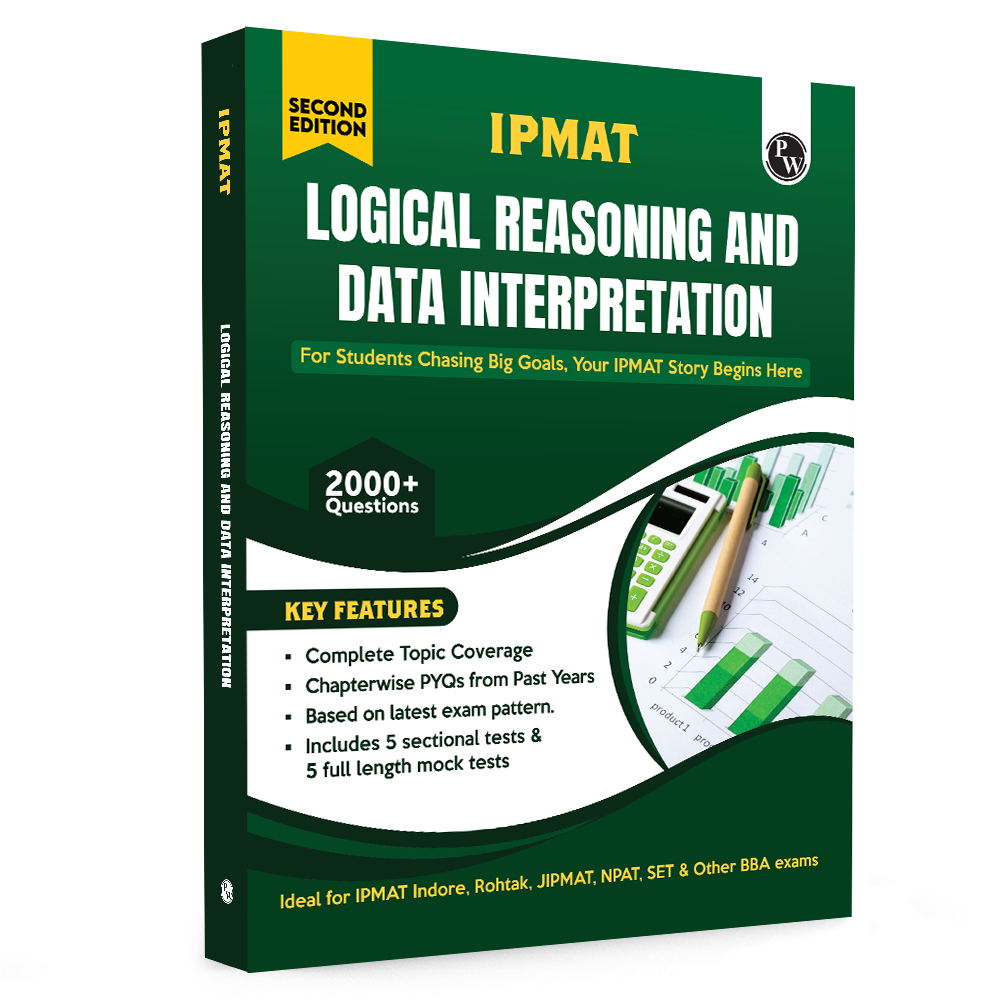
Quality resource materials combine concept-building frameworks with extensive practice options to strengthen analytical thinking. The right IPMAT books for logical reasoning feature over 2000 practice questions tailored specifically for management aptitude tests like IPMAT, JIPMAT, and NPAT.
These texts offer systematic chapterwise organization, making it easier for learners to track weekly progress during the mid-term study cycle.
Which Topics to Practise with IPMAT Books for Logical Reasoning
A structured syllabus approach ensures that no important exam topic gets left behind during your mid-term revision weeks. Reliable IPMAT books for logical reasoning cover essential puzzle types and data interpretation formats required for competitive management tests.
-
Puzzles and Seating Arrangements: Practising complex seating setups builds spatial logic and multi-variable tracking abilities.
-
Blood Relations and Coding-Decoding: These sections test decoding speed and systematic deduction skills under tight timelines.
-
Syllogisms and Statement Analysis: Learners evaluate logical validity through structured premise drills.
-
Data Tables, Charts, and Caselets: Quantitative reasoning subsets help students analyse graphical data efficiently.
Students must allocate specific days of the week to each individual topic to ensure complete syllabus coverage before mock testing begins. Working through diverse problem variations within these chapters prepares candidates for unexpected question formats designed by entrance examination boards.
How to Choose IPMAT Books for Logical Reasoning Preparation
Selecting appropriate IPMAT books for logical reasoning requires careful evaluation of material depth and learning support. Students navigating mid-term revisions can use the following selection criteria to pick the ideal resource:
-
Alignment with Current Exam Trends: Ensure the text matches the latest multi-variable complexity and question patterns seen in management entrances.
-
Presence of Step-by-Step Explanations: Prioritize volumes containing clear conceptual breakdowns for every single question rather than simple answer keys.
-
Chapter-Wise Organization: Look for structured chapters that facilitate isolated topic drills and systematic progress tracking.
-
Multi-Exam Utility: Check if the book covers syllabus overlaps for related management exams like JIPMAT and NPAT to maximize study efficiency.
|
Selection Parameter |
What to Look For |
Why It Matters for Mid-Term |
|
Difficulty Tiers |
Progressive categorization (Easy to Advanced) |
Prevents early burnout during revision |
|
Solution Depth |
Detailed logical deduction steps |
Clarifies errors immediately without guesswork |
|
Layout Clarity |
Clean spacing and structured tables |
Reduces eye strain during long study hours |
How to Develop Problem Solving Skills with IPMAT Books for Logical Reasoning
Developing robust analytical capabilities demands consistent engagement with diverse question formats found in specialized IPMAT books for logical reasoning. Learners can strengthen their daily problem-solving framework through structured routines:
-
Targeted Daily Drill Sessions: Solve a fixed batch of puzzles every morning to prime cognitive agility for school and entrance concepts.
-
Deconstructing Complex Variables: Break multi-layered seating arrangements into smaller, manageable grid components before drawing final conclusions.
-
Formulaic Deduction Adoption: Transition away from trial-and-error methods by adopting standardized logical shortcuts detailed in study texts.
-
Active Error Log Maintenance: Document every missed puzzle to analyze conceptual gaps and prevent repetitive mistakes during subsequent practice blocks.
How to Use IPMAT Books for Logical Reasoning Practice
Maximizing the utility of IPMAT books for logical reasoning involves disciplined daily schedules rather than last-minute cramming. The integration of study material into a weekly routine follows specific operational steps:
-
Foundational Phase Completion: Finish all introductory concept chapters before attempting mixed-bag problem sets or timed sectional tests.
-
Timed Sectional Drills: Allocate specific minute limits to individual problem batches to simulate actual exam pressure.
-
Systematic Review Cycles: Re-read explanatory notes for incorrect answers on the same day they are attempted.
-
Milestone Tracking: Monitor weekly question counts to maintain a balanced preparation pace alongside school commitments.
|
Practice Phase |
Recommended Action |
Mid-Term Goal |
|
Weekday Sessions |
Chapter-wise question solving (20-30 items) |
Steady conceptual retention |
|
Weekend Blocks |
Timed mock tests and error log audits |
Speed and pacing optimization |
Read More - IPMAT Syllabus 2026 and Exam Pattern
Study Strategy with IPMAT Books for Logical Reasoning
Integrating IPMAT study material into a balanced weekly timetable keeps mid-term preparation on track. Students must design a routine that accommodates both academic exams and aptitude preparation:
-
Dedicated Time Blocking: Reserve uninterrupted evening hours exclusively for logical drills and data sets.
-
Weekend Self-Assessments: Pair chapter-wise practice from IPMAT preparation books with comprehensive weekend revision tests.
-
Paced Workload Distribution: Spread question quotas evenly across the week to prevent cognitive fatigue and burnout.
-
Micro-Goal Setting: Establish clear target metrics for every study session to enhance overall productivity and focus.
Tips to Improve Speed and Accuracy Using IPMAT Books for Logical Reasoning
Speed in reasoning sections comes from recognizing recurring structural patterns within the given text or charts. Utilizing dedicated IPMAT LR books helps cultivate efficient testing habits:
-
Pattern Recognition Drills: Train your eye to spot standard puzzle archetypes instantly to cut down reading time.
-
Accuracy Prioritization: Focus heavily on correct execution during the mid-term phase, allowing speed to grow naturally over time.
-
Strategic Question Skipping: Learn to identify lengthy dead-end puzzles early and move forward to protect your overall score.
-
Benchmark Tracking: Compare completion times across successive weeks to measure tangible improvements in pacing.
Mistakes to Avoid While Using IPMAT Books for Logical Reasoning
Avoiding common preparation pitfalls protects mid-term momentum and prevents unnecessary anxiety. Aspirants should steer clear of several counterproductive habits:
-
Skipping Foundational Chapters: Jumping straight into advanced mock questions without understanding basic deduction rules leads to frequent errors.
-
Ignoring Solution Explanations: Guessing the right answer without reviewing the official method prevents long-term skill growth.
-
Relying on Random Practice: Solving unorganized questions without a chapter-wise strategy results in incomplete syllabus coverage.
-
Neglecting Error Review: Failing to revisit incorrectly solved puzzles ensures that identical conceptual mistakes repeat during exams.
Frequently Asked Questions
What makes specialized IPMAT books for logical reasoning essential for preparation?
Specialized IPMAT books for logical reasoning provide structured question banks, exam-oriented difficulty levels, and detailed solutions that build analytical clarity.
How many questions should I practise daily using IPMAT logical reasoning books?
Consistency matters more than an arbitrary count, but solving 20 to 30 targeted questions daily from trusted IPMAT logical reasoning books keeps your analytical reflexes sharp.
Are general reasoning guides sufficient for IPMAT reasoning preparation?
While general reasoning texts help build basics, dedicated IPMAT reasoning preparation guides match the specific multi-variable complexity and exam trends of management entrances.
Which topics carry the highest weight in IPMAT LR books?
Seating arrangements, complex puzzles, data tables, and analytical caselets form the backbone of questions featured in standard IPMAT LR books.
How do study guides help with time management during exams?
Practising timed problem sets from reliable IPMAT study material trains your brain to spot quick shortcuts and discard lengthy dead-end approaches rapidly.