How to Use IPMAT Books for Topic-Wise Practice
Many aspirants struggle to bridge the gap between learning theoretical formulas and actually solving application-based problems under timed conditions. Without a structured methodology, you risk spending hours on topics you already know while ignoring weaker areas.
Using dedicated IPMAT books designed for chapterwise learning simplifies this struggle. Focused preparation allows you to break down complex quantitative aptitude, higher mathematics, logical reasoning, and verbal comprehension concepts into manageable daily targets, helping you systematically raise your score.
Overview of IPMAT Books
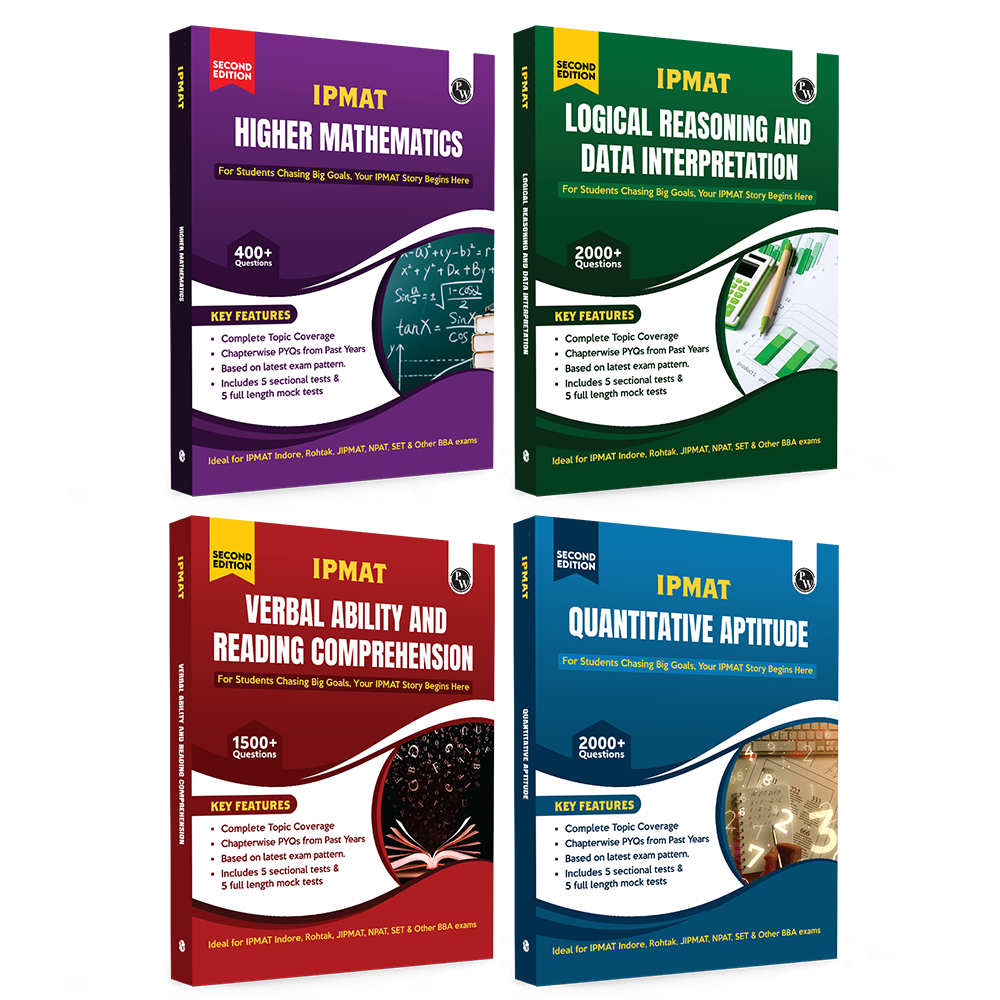
Targeted preparation resources play a vital role when preparing for competitive management entrance examinations such as IPMAT, JIPMAT, NPAT, SET, CUJ Management, and the Christ University Entrance Test. Instead of relying on scattered study resources, a comprehensive 4-book combo set ensures full alignment with the latest exam pattern and syllabus trends.
A complete set covers four essential subject pillars required across undergraduate management tests:
-
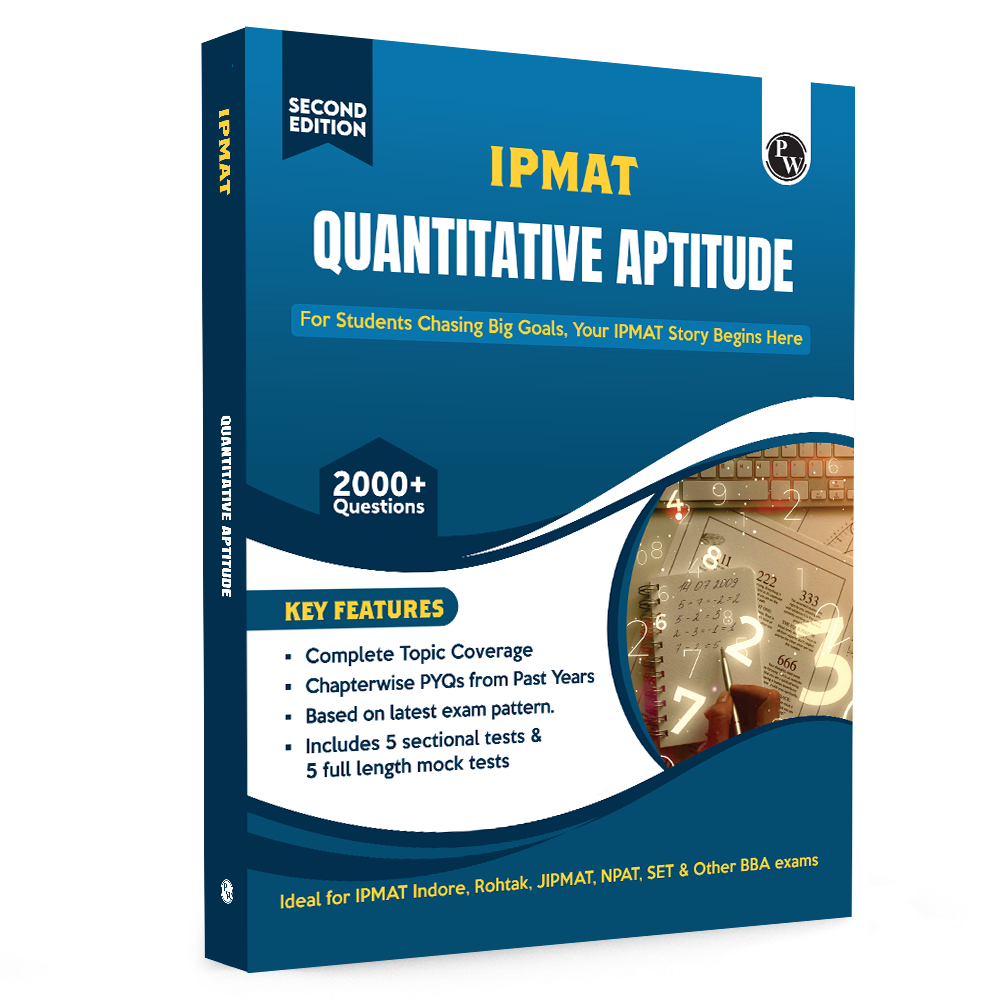
Quantitative Aptitude: Builds core mathematical aptitude, numerical speed, and calculation accuracy.
-
Verbal Ability & Reading Comprehension: Strengthens grammar rules, vocabulary range, and passage analysis skills.
-
Logical Reasoning & Data Interpretation: Enhances analytical thinking, pattern recognition, and chart decoding.
-
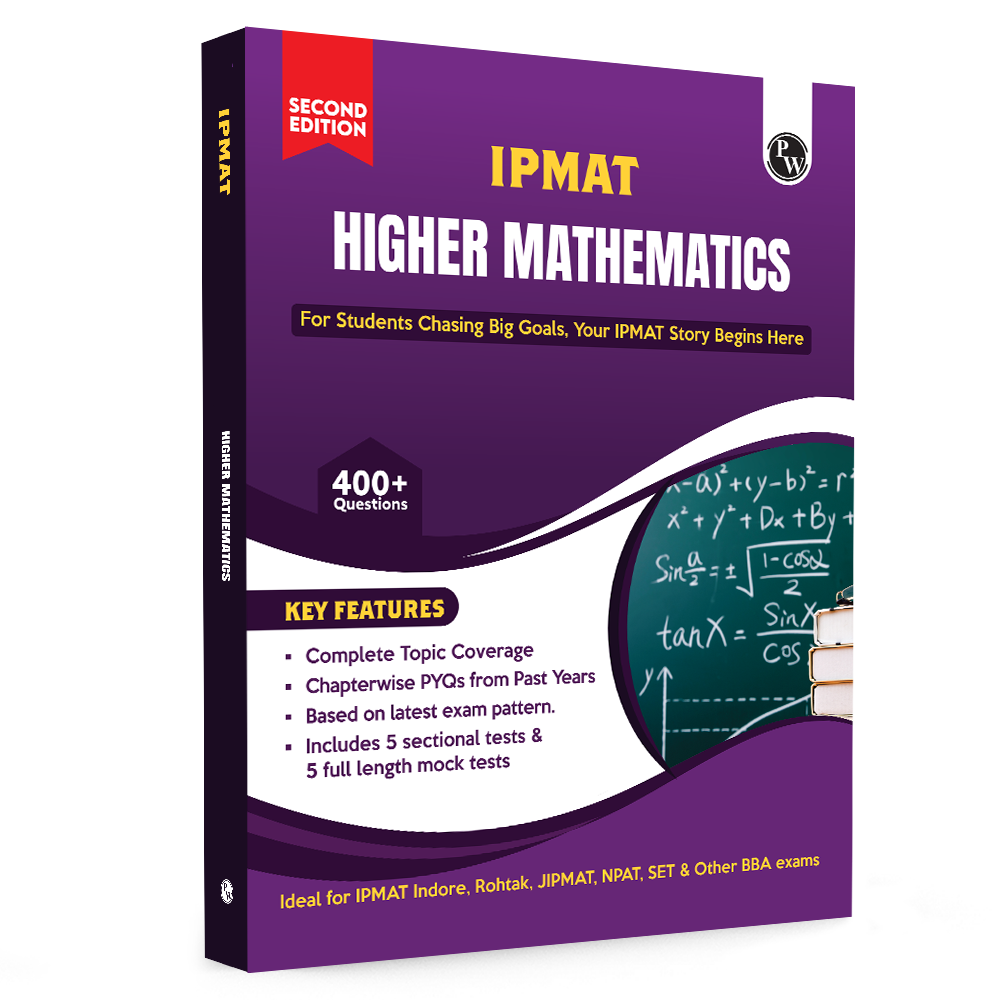
Higher Mathematics: Focuses on advanced mathematical topics required specifically for competitive entrance exams.
Using dedicated IPMAT preparation books provides a structured learning pathway. Having all core topics combined into a single set helps you avoid fragmented material and maintain consistency across your preparation lifecycle.
Features of IPMAT Books
Choosing structured study material directly impacts how efficiently you learn and retain complex ideas. High-quality resources are built to transform raw theoretical concepts into practical problem-solving skills.
-
3900+ Practice Questions: Offers an extensive IPMAT question bank across all test sections to provide thorough exposure to varied difficulty levels.
-
Chapterwise Organization: Topics are arranged systematically to support targeted learning, efficient revision, and effective daily time management.
-
Detailed Explanations for Every Question: Includes step-by-step solutions to build conceptual clarity and strengthen problem-solving techniques.
-
Exam-Oriented Content: Curated according to the latest question trends and syllabus updates for management entrance tests.
-
Higher Mathematics Coverage: A dedicated section specifically helps students tackle advanced quantitative questions.
-
Multi-Exam Applicability: Suitable for IPMAT , JIPMAT , NPAT, SET, CUET UG Management, and Christ University Entrance Test.
By offering comprehensive IPMAT syllabus coverage without preparation gaps, these features allow you to evaluate your strengths, identify weak areas, and track performance effectively.
What is the Best Way to Use IPMAT Books for Topic-Wise Revision?
To get the highest return on your effort, avoid solving questions randomly. Structured topic-wise practice ensures you master the underlying logic before moving on to complex questions.
Step 1: Concept Reading and Theory Review
Begin every new chapter by reading through the foundational concepts carefully. Do not rush straight into solving problems without understanding basic definitions, shortcuts, and core formulas. Building a solid conceptual foundation prevents repeated mistakes later.
Step 2: Attempt Chapterwise Questions
Once you understand the theoretical basics, open your IPMAT practice book and begin attempting chapterwise problems. Start with basic exercises to build confidence before progressing to advanced sets. Focus on solving each problem independently without looking at the solutions prematurely.
Step 3: Analyze Step-by-Step Solutions
After finishing a practice session, cross-check your answers against the detailed explanations provided. Do not just check whether an answer is correct; review the step-by-step logic to discover faster solving methods or alternative approaches.
Step 4: Track Accuracy and Speed
Maintain a log of your correct and incorrect attempts. Record how long you take to solve each question type. Over time, this habit highlights specific patterns, showing you exactly which topics require additional review.
When to Use IPMAT Books?
Timing your preparation phases ensures that you build skills in a logical, stress-free sequence. Integrating structured material at the right stages maximizes learning outcomes.
|
Preparation Stage |
Primary Focus |
Practical Application |
|
Initial Foundation Phase |
Concept Building & Theory |
Read chapter explanations and solve basic example problems. |
|
Daily Practice Phase |
Topic Mastery & Accuracy |
Solve chapterwise IPMAT practice questions to reinforce learning. |
|
Mid-Term Assessment Phase |
Speed & Weak Area Rectification |
Use timed drills on specific chapters to improve problem-solving pace. |
|
Final Revision Phase |
Quick Review & Formula Recall |
Re-solve previously marked difficult questions and review key concepts. |
Study Strategy Plan With IPMAT Books
A disciplined daily schedule prevents last-minute cramming and ensures complete coverage of all four subjects. Using the IPMAT 2026 4-Book Set alongside a balanced study plan can help you strengthen concepts, practise key question types, and keep your preparation structured and on track.
Phase 1: Topic Isolation (Weeks 1–6)
Focus on one core topic per subject each week. Read the concept theory, memorize core formulas, and complete the basic practice drills. Ensure you clear all doubts using the detailed solutions before moving forward.
Phase 2: Intensive Problem Solving (Weeks 7–12)
Shift focus toward high-volume problem-solving. Work through the IPMAT topic-wise questions in your exercise sets to build speed and analytical accuracy across Quantitative Aptitude, Logical Reasoning, and Verbal Ability.
Phase 3: Mixed Revision and Weak Area Review (Weeks 13–16)
Combine multiple chapters into single practice sessions. Target your weakest subject areas by re-attempting questions you answered incorrectly during earlier phases.
How to Create Practice Sheets With IPMAT Books?
Creating structured practice sheets alongside your primary IPMAT study material accelerates recall and keeps your study sessions organized.
-
Formula and Concept Sheets: Write down essential formulas, grammar rules, and shortcuts for every chapter on dedicated reference sheets for quick daily reviews.
-
Error Log Sheets: Record every mistake you make during chapterwise exercises. Note down whether the error was conceptual, a calculation slip, or a time-management issue.
-
Target Tracker Sheets: Keep a weekly checklist of chapters completed, total questions solved, and accuracy percentages achieved per topic.
Common Mistakes to Avoid While Using IPMAT Books
Even with quality preparation material, inefficient study habits can hinder your progress. Avoid these common pitfalls:
-
Skipping Explanations for Correct Answers: Guessing an answer correctly does not mean your method was optimal. Always check the step-by-step solution to learn efficient techniques.
-
Ignoring Higher Mathematics: Many students focus solely on basic arithmetic and neglect advanced higher mathematics topics, leading to lost marks in competitive sections.
-
Practicing Without Timed Conditions: Solving questions without tracking time builds a false sense of security. Always simulate exam conditions during practice.
-
Jumping Straight to Answers: Looking at solutions within seconds of reading a problem prevents your mind from developing independent problem-solving skills.
Tips for Using IPMAT Books for Revision
Using the right IPMAT books for revision can help you reinforce key concepts, improve accuracy, and make your preparation more focused and effective:
-
Highlight Key Questions: Mark challenging or unique questions during your first practice run so you can quickly revisit them during final revision.
-
Review Error Logs Regularly: Spend time every week going over your error tracker to ensure you do not repeat the same mistakes in future practice sessions.
-
Use Chapterwise Summaries: Revisit theoretical summaries at the start of each chapter to keep basic formulas and concepts fresh in your mind.
-
Conduct Timed Topic Drills: Set a timer when re-solving marked questions to sharpen speed and accuracy under pressure.
Read More: Complete Strategy to Master IPMAT Quantitative Aptitude
IPMAT Books FAQs
Which subjects are covered in the 4-book IPMAT combo set?
The combo set covers Quantitative Aptitude, Verbal Ability & Reading Comprehension, Logical Reasoning & Data Interpretation, and Higher Mathematics.
How do detailed explanations help during topic-wise practice?
Detailed step-by-step solutions provide conceptual clarity, demonstrate alternate problem-solving methods, and help correct logical errors effectively.
Can these resources be used for management exams other than IPMAT ?
Yes, the content is curated to assist preparation for JIPMAT , NPAT, SET, CUET UG Management, Christ University Entrance Test, and other BBA entrance examinations.
How many practice questions are available in the book combo?
The combo set provides an extensive bank of over 3900+ practice questions organized chapterwise across all subjects.
How does chapterwise organization improve study efficiency?
Chapterwise structure allows targeted learning, systematic revision of specific weak topics, and structured time management throughout your preparation.