How to Master LI and DI for IPMAT Exam?
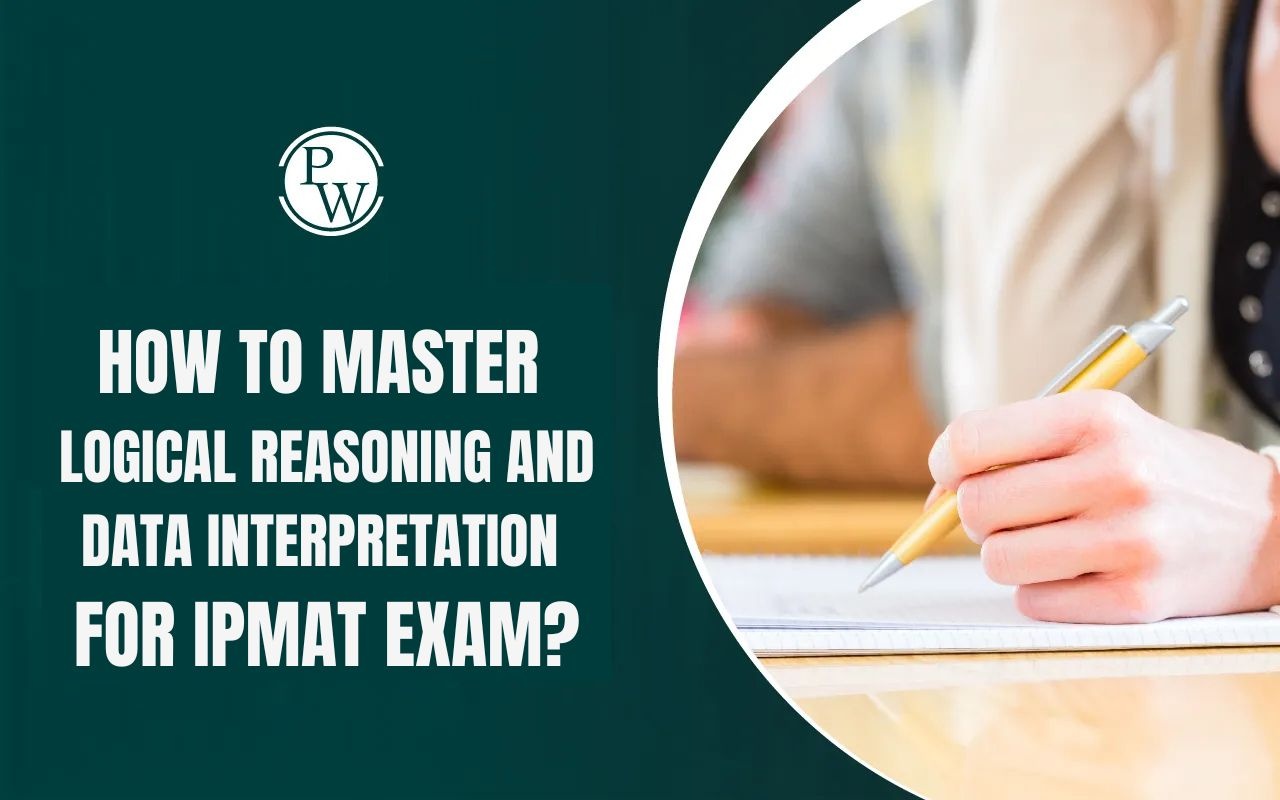
Doing well in the Integrated Programme in Management Aptitude Test takes more than basic math skills. The Logical Interpretation (LI) and Data Interpretation (DI) sections can be stressful because the sets take time to solve.
To master IPMAT LI and DI, you need both analytical thinking and quick data processing. Many students find the variety of data sets and complex logic challenging. This guide will help you build the accuracy and speed you need to do well in this competitive exam.
Check Out: IPMAT Books
Why Master LI and DI in IPMAT
The LI and DI sections test how well you can find useful information in messy data and use logic in new situations. Unlike regular math, there is no single formula for every problem. You need to train yourself to spot patterns and connections.
When you work to master IPMAT LI and DI, you are training yourself to stay calm under pressure and break down complex charts, tables, and logic puzzles. This part of the test checks if you are ready for a management career, where making decisions based on data is important every day.
IPMAT DI and LR Preparation Strategy
A soLId IPMAT LR preparation strategy begins with a clear DIvision of your study time. You cannot treat these subjects as secondary to Quantitative Aptitude or Verbal Ability.
-
Phase 1: Concept Clarity: Start by learning the DIfferent types of charts such as Bar Graphs, Line Graphs, Pie Charts, and Caselets. For Logical Interpretation, focus on arrangements, blood relations, and syllogisms.
-
Phase 2: Speed Building: Once you understand the types, work on your mental math. You should be able to calculate percentages, ratios, and averages without picking up a pen.
-
Phase 3: Set Selection: In the actual exam, you don't need to solve every set. Part of your strategy should be identifying which sets are "sitters" (easy to solve) and which are "time-sinks."
How to Prepare LI DI for the IPMAT Exam
If you want to know how to prepare for LI and DI in the IPMAT exam, focus on regular, structured practice. Start with simple LInear arrangements and move to more complex circular ones. For DI, begin with single-graph sets and progress to those with data from multiple sources.
-
Practice every day. Spend at least 90 minutes daily on DI and LI. Being consistent is more effective than studying for 10 hours just on weekends.
-
Review your mistakes. Don’t just look at the answer key—figure out why you missed a logical step or made a calculation error.
-
Use good study materials. The quaLIty of your practice questions affects your results. There are a lot of Logical Reasoning and Data Interpretation book that matches the current exam pattern.
Check Out: IPMAT Logical Reasoning and Data Interpretation PYQ Book
Types of Questions in IPMAT LI and DI
To truly master IPMAT LI and DI, you must become comfortable with the DIfferent formats of questions. These questions often hide the actual data behind layers of text.
Common DI Question Types
-
Tables: Large grids of numbers where you must find specific correlations.
-
Missing Data: Tables where some values are empty, and you must use the given totals to find them.
-
Mixed Graphs: A combination of a pie chart and a table, requiring you to move data between both.
Logical Interpretation Themes
-
Seating Arrangements: Linear, circular, and hexagonal placements with multiple variables.
-
Puzzles: Floor-based puzzles, scheduLIng, and selection-based logic.
-
Venn Diagrams: Interpreting sets and subsets, especially the "exactly two" or "at least one" categories.
Right Books to Master IPMAT LI and DI
Picking the right study material is very important. While there are many general books, using ones made for IPMAT, Logical Interpretation and Data Interpretation helps you focus on what matters and avoid wasting time.
|
Book Type |
Focus Area |
Why It Helps |
|
PW LI & DI Guide |
Exam-specific sets |
Provides level-wise exercises from basic to advanced. |
|
Practice Workbooks |
Speed and Accuracy |
Contains timed tests to simulate exam conDItions. |
|
Conceptual Manuals |
Theory of Logic |
Breaks down the "why" behind logical deductions. |
Using the preparation books helps you get used to the unique styles of the Indore and Rohtak exams, which can be DIfferent in terms of DIfficulty and logic types.
Check Out: IPMAT Combo Set of 4 Books
Tips to Master IPMAT LI and DI
Success in this section is as much about psychology as it is about skill. To master IPMAT LI and DI, keep these tips in mind:
-
Don't Get Stuck: If a set doesn't open up within the first two minutes, move on. The "ego-trap" of trying to finish a hard set can ruin your entire section.
-
Visualise the Data: In LI, always draw a rough DIagram. Whether it is a family tree or a seating map, visual aids reduce the cognitive load on your brain.
-
Master Approximations: In DI, you often don't need the exact decimal value. Learning to approximate can save you 30 seconds per question.
Read More: IPMAT Syllabus 2026 and Exam Pattern
Master LI and DI for IPMAT Exam FAQs
1. What is the right way to start IPMAT logical interpretation and data interpretation preparation?
Begin by getting strong at basic calculations and mental math. Then, try to solve two DI sets and two LI sets each day with the help of a structured guidebook.
2. Which are the most recommended books for IPMAT logical interpretation and data interpretation?
The PW Store’s Logical Reasoning and Data Interpretation book is a top choice because it covers the patterns found in both IPMATIndore and Rohtak.
3. How many IPMAT DI questions should I practice daily?
Try to solve at least 3 to 5 full data sets (about 15-20 questions) every day. This will help you keep up your speed and get used to DIfferent types of graphs.
4. Can I master IPMAT LI and DI without a coaching institute?
Yes, you can, as long as you have good IPMATDI LR preparation books and stick to a regular mock test schedule to track your progress.
5. What is the most DIfficult part of the IPMAT DI LR preparation strategy?
The hardest part is usually choosing which sets to solve. Learning to spot time-consuming sets and skip them is a key skill for getting a high score.