JEE Main 2027: How to Cover Backlog Without Missing Current Chapters
When pending topics accumulate, panic often sets in, leading students to ignore daily classes to catch up on old units. This approach creates a vicious cycle where the current syllabus turns into future pending work.
Managing JEE main 2027 targets requires balancing new classroom lessons with systematic revision of unfinished subjects. The key lies in structured planning, selecting quality JEE study materials, and setting clear weekly milestones.
By following a practical routine, you can clear pending topics in Physics, Chemistry, and Mathematics without compromising your current academic progress.
Importance of JEE Main 2027 Preparation
Starting early offers a distinct advantage for candidates targeting JEE main 2027. The National Testing Agency (NTA) conducts this computer-based entrance examination twice a year—typically in January and April—for admission into top engineering courses across India. Each paper lasts 3 hours and contains 25 questions per subject across Physics, Chemistry, and Mathematics.
-
Early Start Advantage: Beginning your schedule at least one year before the examination builds strong fundamentals and leaves enough buffer time for multiple revisions.
-
Understanding Exam Patterns: Early prep helps you adapt to the computer-based format, understand question trends, and manage exam duration effectively.
-
Two Sessions Strategy: NTA considers the best score out of the two sessions for final rankings, so early consistency ensures high performance in both attempts.
-
Conceptual Depth: A well-paced schedule allows you to develop analytical thinking and multi-concept problem-solving skills necessary for competitive testing.
How to Identify and Prioritise Backlog Topics for JEE Main 2027
To fix a JEE Main backlog, you must first audit your current progress systematically. Categorise all unfinished chapters across Physics, Chemistry, and Mathematics into clear levels based on your level of understanding.
-
Complete Unanswered Chapters: Topics where you missed the theory entirely due to absence or illness.
-
Incomplete Practice Areas: Topics where you know basic theory but haven't solved chapter-wise or topic-wise solved examples.
-
Weak Understanding Areas: Chapters where you covered the theory but struggle to solve fundamental problems correctly.
Once categorized, rank these topics based on their weightage in past examinations using JEE Previous Year Papers. Focus heavily on foundational chapters that directly connect to current ongoing topics.
How to Balance Backlog Chapters with Current JEE Main 2027 Topics
Balancing pending tasks while attending daily lectures is the core challenge of any JEE Main backlog strategy. Never skip current live classes or coaching modules to complete old chapters, as doing so simply creates fresh pending work.
|
Daily Focus Area |
Time Allocation |
Key Activities |
|
Current Syllabus |
70% of Daily Study Time |
Attend lectures, write concept notes, complete daily assignments, and review solved examples. |
|
Pending Syllabus |
30% of Daily Study Time |
Read targeted theory, solve basic practice questions, and attempt previous year questions (PYQs). |
Allocate specific 1.5 to 2-hour slots on weekdays solely for old topics, while keeping your primary study sessions dedicated to daily coaching material.
Which JEE Main 2027 Chapters Should You Revise First
When planning how to cover JEE main backlog, structure your revision based on prerequisite dependency rather than random selection. Certain topics form the backbone of entire subjects, making them urgent priorities.
-
Prerequisite Concepts First: Clear fundamental chapters like Basic Mathematics or Chemical Bonding before attempting advanced units.
-
High-Yield Weak Areas: Focus on high-weightage weak areas to maximize accuracy in upcoming mock tests.
-
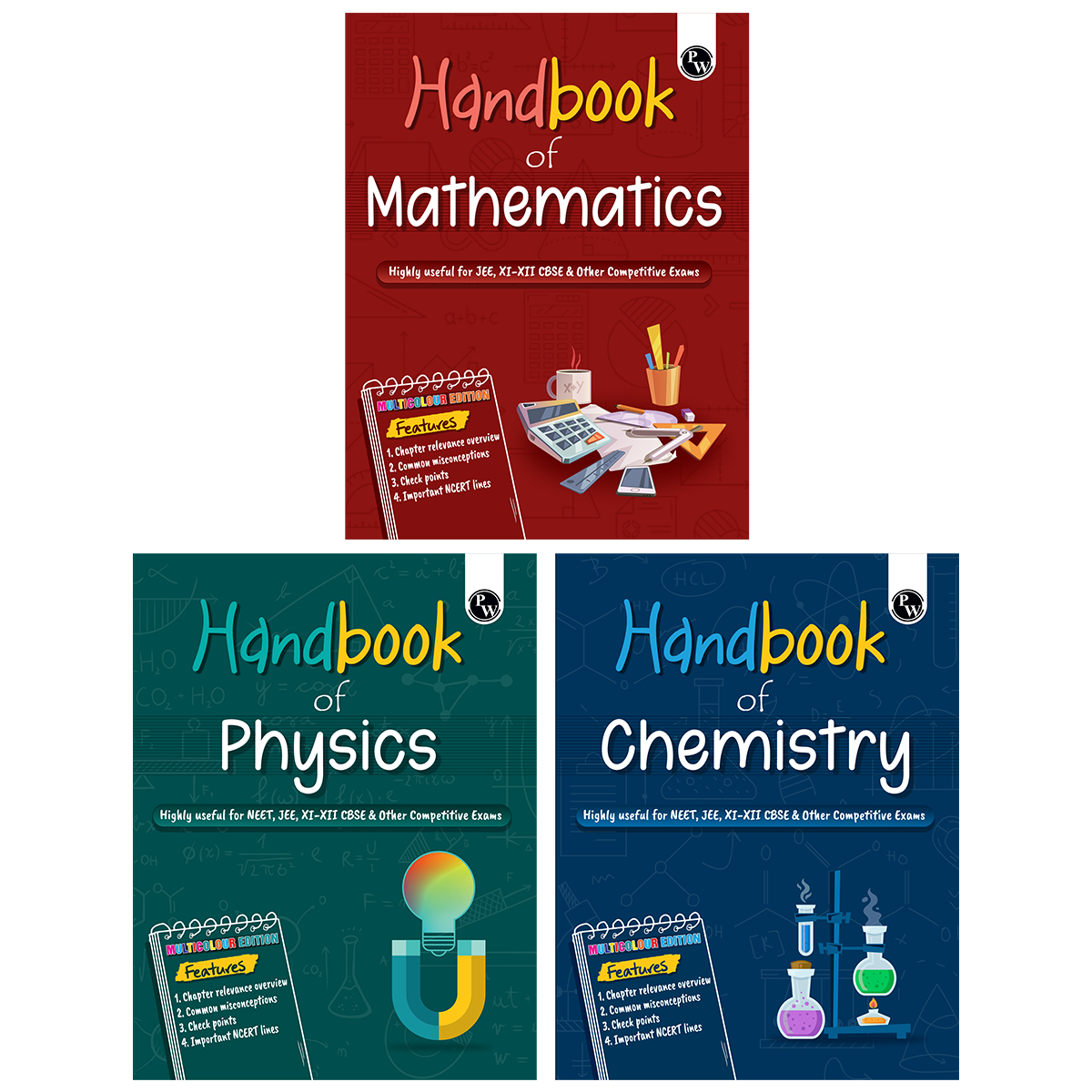
Structured Revision: Use books offering chapter-wise and topic-wise arrangements to navigate theory swiftly without getting lost in lengthy text.
Study Strategy Plan to Complete Your Backlog for JEE Main 2027
Executing a structured JEE Main study plan requires choosing trusted reference material and setting achievable daily routines.
-
Select Standard Books: Use dedicated JEE Main reference books that offer clear theory, step-by-step solved examples, and structured practice problems. Avoid switching between too many resources.
-
Set Weekly Backlog Targets: Reserve weekends or holidays specifically to clear targeted backlog chapters.
-
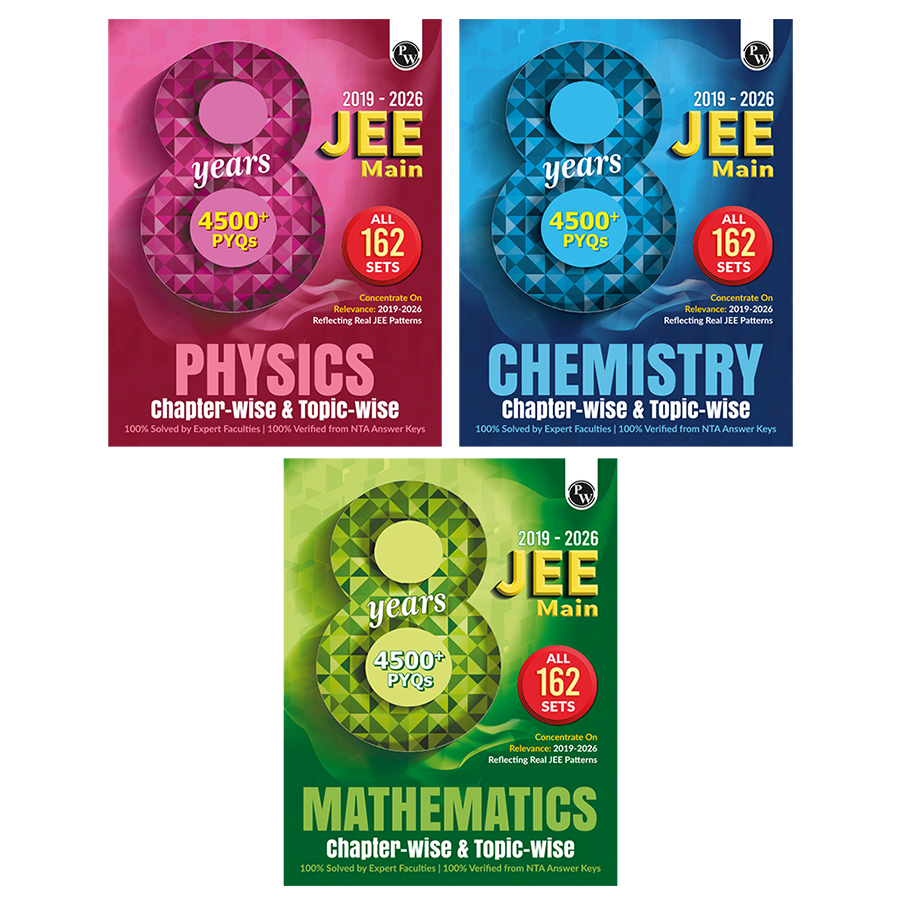
Solve Chapter-Wise PYQs: Practice past exam papers—such as 8 years of JEE Main PYQs—to build accuracy, speed, and familiarity with real question formats.
-
Maintain Health and Routine: Ensure 7–8 hours of daily sleep and maintain good nutrition to sustain focus during long study hours.
Tips to Manage Current Chapters During JEE Main 2027 Preparation
Maintaining smooth progress in ongoing subjects while practising JEE Main PYQs prevents your overall syllabus from piling up during your JEE Main preparation.
-
Daily Class Preparation: Review lecture notes on the same day they are taught to solidify fundamental concepts.
-
Regular Problem Solving: Practice basic to advanced questions consistently rather than postponing assignments.
-
Clear Doubts Immediately: Resolve doubts with teachers or through step-by-step solved examples as soon as they arise.
-
Stay Consistent and Positive: Maintain a disciplined routine and stay positive, as consistency is key to long-term success.
Mistakes to Avoid While Clearing the JEE Main 2027 Backlog
Avoiding these common mistakes can help you clear pending topics without affecting your preparation for the current syllabus. Focus on consistency, targeted practice, and a balanced study routine.
-
Ignoring Current Classes: Stopping daily syllabus coverage to catch up on old units creates an endless cycle of pending chapters.
-
Collecting Too Many Books: Using multiple sources causes confusion. Stick strictly to well-organized, expert-written books that follow the latest NTA syllabus.
-
Skipping Practice Problems: Reading theory without solving structured practice questions leads to low accuracy during examinations.
-
Neglecting Health: Cutting down on sleep reduces efficiency and leads to mental burnout.
Practice Plan to Track Backlog and Current Topics for JEE Main 2027
A structured practice plan helps you divide your time between pending chapters and ongoing classes. Track your progress regularly and adjust your schedule based on your strengths and weak areas.
-
Take Regular Mock Tests: Attempt full-length computer-based mock tests to improve time management and test-taking confidence.
-
Solve Previous Year Questions: Regularly practice 8 years of JEE Main PYQs alongside 49 years of JEE Advanced PYQs with detailed solutions to refine multi-concept problem-solving.
-
Track Accuracy Levels: Maintain an error log for missed practice questions to identify remaining weak areas.
-
Weekly Self-Audit: Dedicate Sunday evenings to review completed targets and adjust the next week's schedule accordingly.
JEE Main 2027 Preparation FAQs
Q1: How many hours daily should I devote to clearing my JEE main backlog?
Dedicate around 2 hours of your daily study time specifically to old chapters, while spending the remaining time on current syllabus coverage.
Q2: Can I clear my JEE Main 2027 backlog using only past year questions?
While PYQs are vital for understanding exam patterns, you should first read concise concept-building notes and step-by-step solved examples before attempting questions.
Q3: Is NCERT enough for complete JEE Main preparation across all subjects?
NCERT is essential, especially for Chemistry. However, for Physics and Mathematics, additional practice books with structured, multi-level problems are necessary.
Q4: What is the best JEE Main backlog strategy if I fall sick for two weeks?
Divide the missed chapters into daily micro-tasks, focus on prerequisite units first, and use weekend study slots to complete the pending material without skipping ongoing lectures.
Q5: How many books do I need for JEE Main 2027 study plan execution?
You need at least one quality reference book per subject (Physics, Chemistry, Mathematics) that covers the updated syllabus, detailed theory, and previous years' questions.