JEE Main 2027 Preparation From October: What Should You Study First?
Starting the journey toward an engineering entrance test mid-way through Class 11 often creates panic among candidates. Many students feel overwhelmed by the sheer volume of topics and struggle to decide where to focus first when beginning JEE main preparation in October.
Balancing regular school assessments with competitive entrance demands adds extra pressure. However, commencing your study routine in October provides ample time to cover the complete syllabus provided you follow a disciplined, well-structured schedule.
By addressing foundational principles early, focusing on high-weightage chapters, practising with JEE Books, and following structured problem-solving, you can build a strong base for both session attempts.
Overview of JEE Main Preparation
The Joint Entrance Examination (JEE) Main is a highly competitive national entrance test conducted by the National Testing Agency (NTA) twice a year, typically in January and April. The test assesses candidate knowledge across three primary subjects: Physics, Chemistry, and Mathematics. Each subject paper consists of 25 questions, making a total of 75 questions to be answered within a 3-hour duration.
Computer-Based Testing (CBT) serves as the standard examination mode. Securing a top rank requires systematic coverage of the JEE main syllabus across Class 11 and Class 12 concepts. A successful approach combines deep conceptual clarity, step-by-step solved examples, and consistent application of theoretical principles through regular testing.
Which JEE Main Preparation Topics Should You Study First
When beginning your study routine in October, prioritizing topics that form the base for advanced concepts is crucial. Starting with high-yield foundational chapters helps build confidence and ensures a smooth transition into complex themes.
Essential Physics Topics
-
Units and Measurements: Forms the basis for accurate numerical calculations and dimensional analysis.
-
Kinematics: Establishes core understandings of motion, velocity, and acceleration.
-
Newton's Laws of Motion & Work-Energy: Essential for solving complex mechanics problems across future chapters.
Essential Chemistry Topics
-
Mole Concept: Crucial for numerical calculations across physical chemistry.
-
Atomic Structure & Periodic Classification: Establishes rules for chemical behavior and trends.
-
Chemical Bonding: Fundamental for understanding molecular structures in organic and inorganic sections.
Essential Mathematics Topics
-
Basic Algebra & Quadratic Equations: Provides necessary manipulation skills for complex equations.
-
Sequences and Series: Highly scoring and frequently tested in competitive formats.
-
Trigonometric Ratios & Identities: Serves as a vital tool for calculus and coordinate geometry later.
How to Divide Physics, Chemistry, and Maths in JEE Main Preparation
Balancing all three subjects daily prevents fatigue and ensures uniform progress across the entire curriculum. Allocating time based on personal strengths and subject characteristics allows candidates to maximize overall retention.
-
Physics Allocation: Dedicate time to understanding underlying principles before attempting numerical problems. Focus on step-by-step application in solved examples to master mathematical derivations.
-
Chemistry Allocation: Divide study periods between physical chemistry numericals, inorganic memory techniques, and organic reaction mechanisms. Focus heavily on text-based conceptual clarity.
-
Mathematics Allocation: Mathematics demands continuous problem-solving. Reserve daily blocks specifically for practicing varied question types to build computational speed and analytical thinking.
How to Use NCERT and PYQs During JEE Main Preparation
Combining standard textbooks with historical examination questions builds a reliable foundation for competitive testing. NCERT books provide the baseline conceptual framework, especially for chemistry topics.
-
Thorough Text Reading: Read NCERT chapters thoroughly to establish core knowledge before moving to complex reference materials.
-
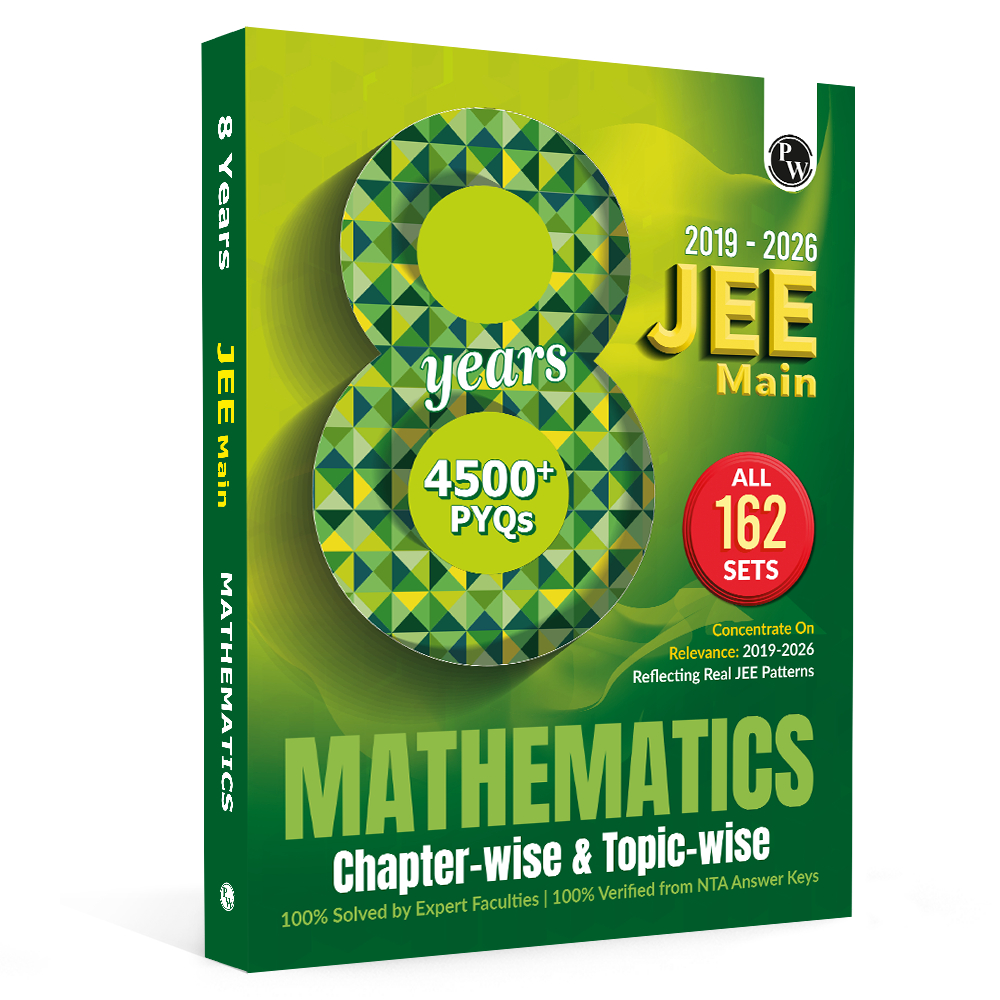
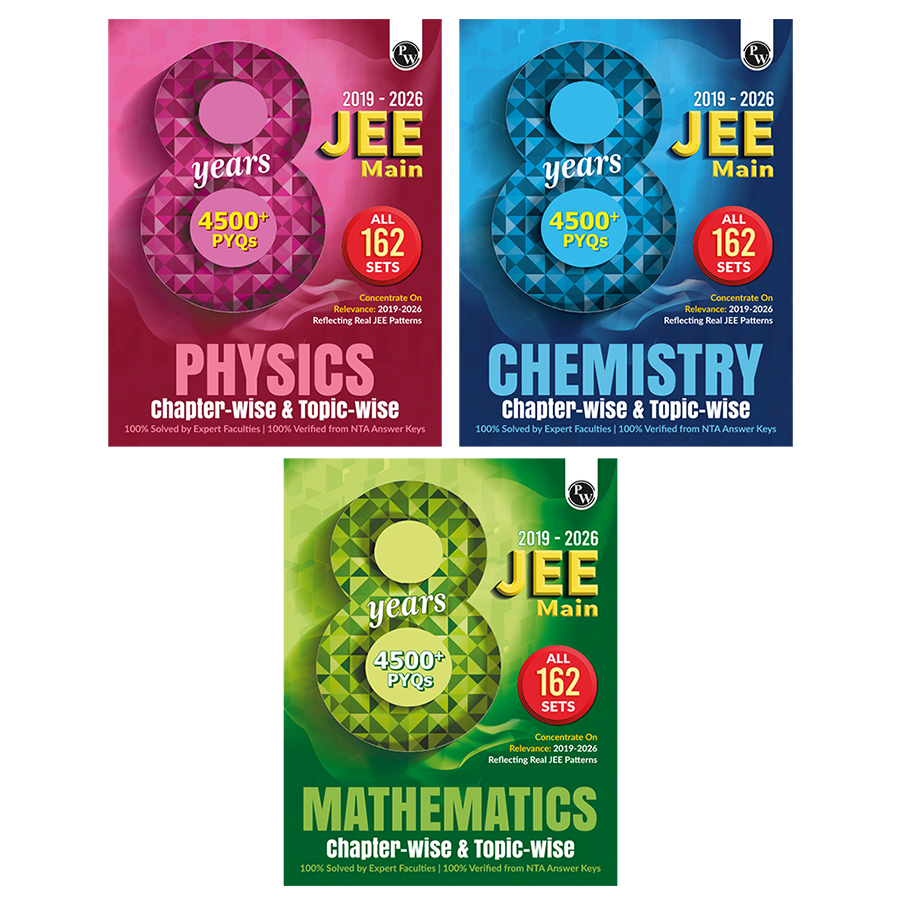
Chapter-Wise Questions: Solve past questions immediately after finishing a topic to evaluate understanding. Using 8 years of JEE Main PYQs helps clarify exact examination trends and recurring patterns.
-
Advanced Question Bank: Work through chapter-wise and topic-wise solved examples to learn correct application techniques for multi-concept problems.
Study Strategy Plan for JEE Main Preparation
A structured JEE Main study plan helps break down vast syllabus demands into manageable weekly milestones. Following a disciplined schedule ensures balanced coverage across Class 11 topics during the autumn and winter months.
Daily Routines
-
Morning Block: Focus on memory-intensive topics or theoretical concepts like Inorganic Chemistry when retention is high.
-
Afternoon Block: Work through analytical derivations and conceptual problem sets in Physics.
-
Evening Block: Dedicate continuous time to mathematical numerical solving and timed question practice.
Weekly Targets
-
Reserve weekends exclusively for revising notes created during weekdays.
-
Complete one cumulative practice paper every two weeks to build stamina and track performance metrics.
Tips to Improve JEE Main Preparation Before the 2027 Exam
Consistent effort paired with effective techniques significantly boosts exam readiness over long prep periods. Regular practice with JEE Previous Year Papers and clear preparation strategies can help ensure continuous performance growth towards the JEE Main 2027 preparation goals.
-
Use Dedicated Reference Guides: Select well-structured JEE main books 2027 that provide clear theory, detailed explanations, and organized chapter-wise question banks.
-
Create Short Summary Notes: Summarize essential formulas, chemical reactions, and key definitions into quick-revision booklets for swift review sessions.
-
Focus on Accuracy First: Prioritize getting answers correct over speed initially; calculation speed naturally improves through consistent daily practice.
-
Maintain Health Routines: Ensure 7–8 hours of daily sleep and balanced meals to keep concentration levels high throughout rigorous study schedules.
Mistakes to Avoid During JEE Main Preparation
Avoiding common traps is just as vital as following a good routine. Many candidates drop ranks due to avoidable strategic errors during early preparation phases.
-
Gathering Too Many Books: Accumulating excessive reference guides creates confusion. Stick strictly to trusted reference sets and master them completely.
-
Ignoring Difficult Topics: Postponing challenging chapters leads to backlog build-up. Identify weak areas early and allocate additional practice time to master them.
-
Neglecting Regular Revision: Learning new concepts without revising earlier chapters results in poor retention during comprehensive tests.
Practice Plan to Track Your JEE Main Preparation Progress
Tracking your growth through systematic testing shows exact areas needing revision. Following a clear JEE Main preparation strategy requires regular self-assessment under exam-like conditions.
-
Topic-Wise Testing: Take brief online quizzes after completing every chapter to check accuracy rates.
-
Full-Length Mock Exams: Participate in timed computer-based mock tests regularly to mirror the real testing environment.
-
Detailed Test Analysis: Review every attempt thoroughly. Categorize errors into conceptual mistakes, calculation slips, or time-management issues, and work on correcting them before the next evaluation.
Read More: Features of PW JEE Main PYQ Book
JEE Main 2027 Preparation FAQs
Is October early enough to start JEE Main preparation?
Yes, starting in October gives you plenty of time to build strong foundations in Class 11 topics and cover the entire syllabus systematically before the 2027 assessments.
What is the most effective JEE Main study plan for beginners?
A balanced routine dividing daily study time equally among Physics, Chemistry, and Mathematics works best, combining theory reading with continuous problem solving.
Which books are essential for JEE Main 2027 preparation?
NCERT textbooks are essential for conceptual basics, complemented by comprehensive chapter-wise study modules and past year question banks.
How can I effectively execute my JEE Main preparation strategy at home?
Maintain a disciplined daily timetable, solve previous years' papers regularly, and take timed mock tests to monitor progress consistently.
How much time should I give to the JEE Main syllabus each day?
A dedicated schedule of 6 to 7 hours of self-study daily—split between concept learning, numerical practice, and revision—ensures steady coverage.