JEE Main Books for Students Scoring 100–150 Marks in 2027 Exam
Many aspirants make the error of hoarding excessive reference texts without finishing any. Selecting the right JEE main books helps you address backlogs, refine your problem-solving accuracy, and master high-weightage chapters efficiently.
This guide breaks down the most effective JEE main preparation books and offers a clear strategy to help you break through the 150-mark barrier for the 2027 examination.
Overview of JEE Main Books
Choosing the correct preparation resources forms the backbone of any serious attempt at cracking national engineering entrance exams. The ideal JEE main study material balances theory, step-by-step illustrations, and graded practice problems.
When evaluating books for the 2027 exam, prioritize resources that offer:
-
Complete Syllabus Alignment: Full coverage of Class 11 and Class 12 chapters structured according to the latest NTA testing patterns.
-
Clear Theory and Solved Examples: Direct, easy-to-understand explanations followed by step-by-step solutions that break down complex steps.
-
Graded Problem Sets: Questions organized from basic applications to multi-concept problems to progressively build analytical skills.
-
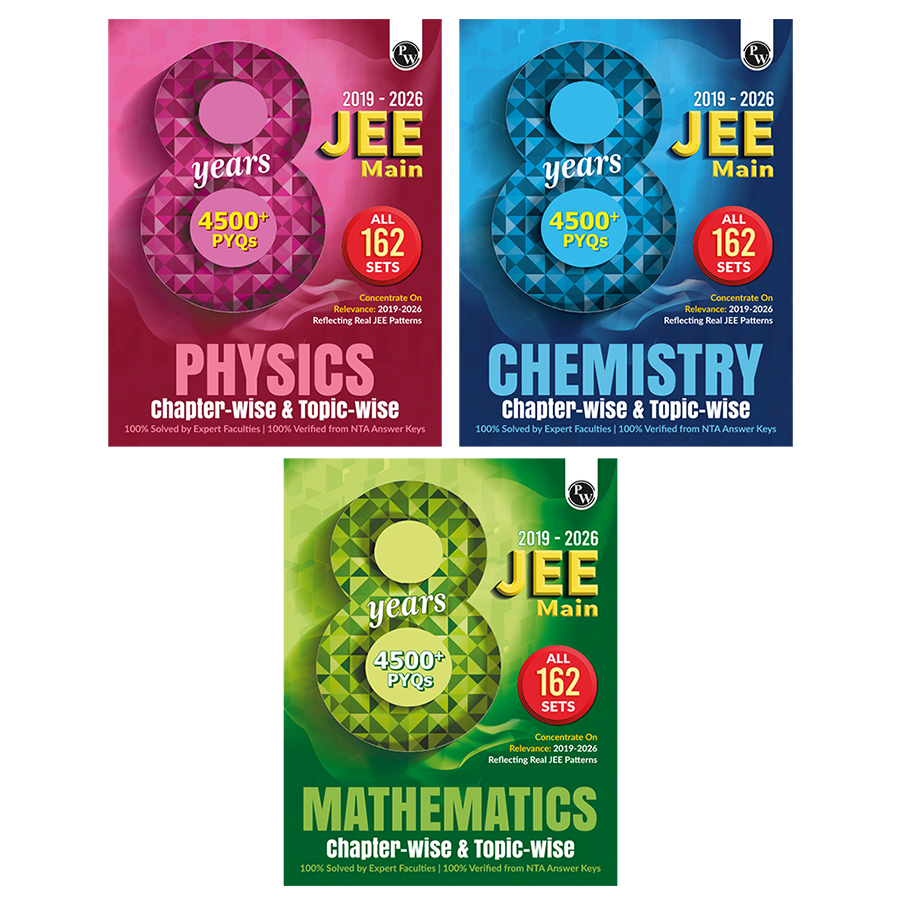
Extensive PYQ Collections: Chapter-wise and topic-wise previous year question banks complete with comprehensive solution keys.
How to Choose JEE Main Books Based on Your Current Preparation Level
A score of 100–150 marks demonstrates that you understand the basic concepts, but you might be struggling with speed, tough numericals, or negative marking. Choosing JEE Main PYQs books tailored to your specific score level prevents lost time and burnout.
-
Below 100 Marks: Primary focus must remain on foundational reading and straightforward numericals.
-
100–150 Marks: Primary focus should shift toward structured topic-wise exercise sets and error analysis.
-
Above 150 Marks: Focus moves to time-bound mock papers and advanced multi-concept problem solving.
Selecting books matched to the JEE Main 100 to 150 marks range ensures you do not waste effort on overly complex problems before mastering fundamental application methods.
What are the Right JEE Main Books for Building Strong Concepts and Clearing Backlogs
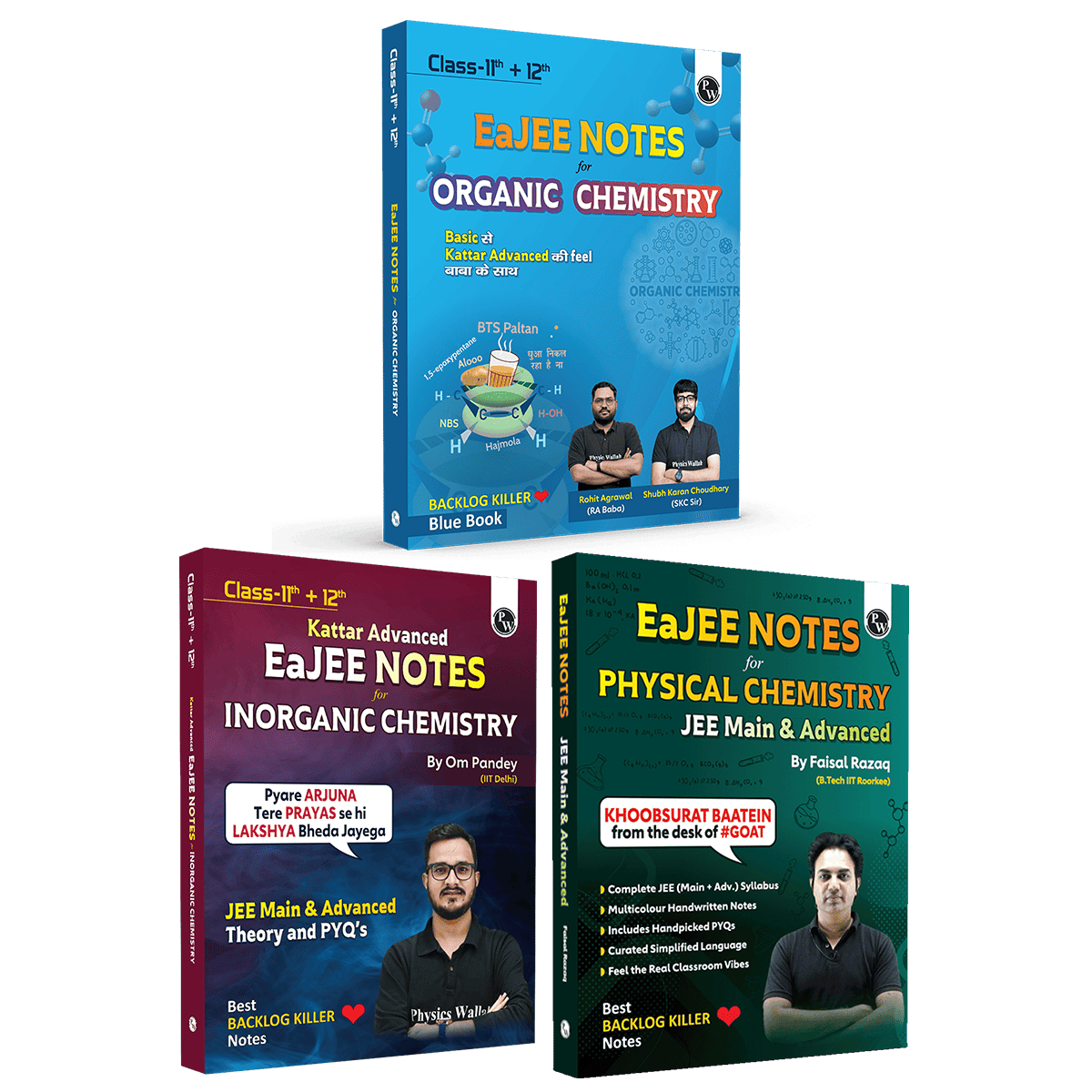
Backlogs in key subjects often hold students in the 100–150 mark range. To clear these gaps, you need reference texts that present concise theory along with guided examples.
|
Subject |
Focused Resource Type |
Primary Application |
|
Physics |
Conceptual Theory & Worked Examples |
Visualising mechanics, electrodynamics, and ray optics through solved scenarios. |
|
Chemistry |
Theoretical Foundations & Reaction Charts |
Mastering inorganic trends, physical calculations, and organic mechanisms. |
|
Mathematics |
Formula Applications & Step-by-Step Proofs |
Strengthening calculus, algebra, and 3D geometry foundations. |
When clearing backlogs, avoid reading textbooks like novels. Read the core rules, study three to four solved illustrations, and immediately attempt five practice questions unassisted to consolidate the concept.
How to Use the JEE Main Books for Practising PYQs and Exam-Level Questions
Solving previous year questions is a non-negotiable step to reach higher scoring bands. JEE previous year papers show you exact question patterns, difficulty levels, and recurring themes across testing sessions.
-
Focus on Recent Exam Cycles: Ensure your pyq collections cover questions from recent years, as testing trends evolved significantly after computer-based testing was introduced.
-
Topic-Wise Arrangement: Choose question banks that group problems by topic rather than just full papers. This structure lets you practice specific sub-topics immediately after reviewing the theory.
-
Detailed Explanations: Comprehensive solutions help you learn alternative, shorter methods for time-intensive questions.
Using dedicated question banks as part of your JEE Main preparation books list ensures that your practice directly matches what you will face on exam day.
How to Use JEE Main Books to Improve Your Score for 2027
Possessing the right resources is only half the battle; how you use them daily determines your actual progress.
-
Active Solving Over Passive Reading: Never just read through solved solutions. Cover the solution with a piece of paper, attempt the problem yourself, and check the steps only after making a full effort.
-
Implement the Three-Pass System:
-
Pass 1: Solve basic single-concept questions to test immediate formula recall.
-
Pass 2: Work through medium-difficulty numericals and previous exam questions.
-
Pass 3: Attempt challenging multi-concept problems under timed conditions.
-
Maintain a Dedicated Error Notebook: Every time you solve a problem incorrectly, write down the formula you missed or the logical mistake you made. Reviewing this log regularly prevents repeated errors in mock tests.
Study Strategy Plan with JEE Main Books for the 100 to 150 Marks Range
To consistently score above 150, you need a balanced, structured routine that covers theory revision, problem solving, and targeted testing. Adopting a proven JEE Main preparation strategy keeps your study schedule organized across all three subjects.
Weekly Allocation Framework
-
Physics (30% Daily Time): Focus 40% of this time on understanding principles and 60% on numerical problem solving.
-
Chemistry (35% Daily Time): Divide time equally between physical numericals, organic reaction pathways, and memorizing inorganic trends.
-
Mathematics (35% Daily Time): Spend 20% on quick theory reviews and 80% on intensive practice to build speed and accuracy.
Strategic Weekly Study Schedule
-
Monday to Friday:
-
Complete 1.5 hours of theory and concept cleanup using core JEE main books for weak topics.
-
Dedicate 3 hours to solving topic-wise exercises and past paper questions.
-
Saturday:
-
Review error logs from the week.
-
Re-attempt all questions you got wrong during weekday sessions.
-
Sunday:
-
Take a 3-hour timed mock test simulating actual exam conditions.
-
Spend 2 hours analyzing missed questions and identifying topics that need extra attention.
Tips to Get Better Results from JEE Main Books
Use your JEE Revision books strategically rather than trying to cover too many resources. Focus on consistent practice, targeted revision, and prioritising topics that matter most for the exam.
-
Limit Your Reference Books: Stick to one primary theory guide and one dedicated question bank per subject. Using too many books leads to scattered focus and incomplete revision.
-
Set Timed Solving Targets: Practice questions with a timer running. Aim to solve 20 to 25 questions in 45 minutes to build real test speed.
-
Highlight Key Questions: Mark challenging or unique questions during your first pass. These flagged problems will form your core revision material during the final months before the exam.
-
Focus on High-Weightage Chapters: Ensure complete coverage of consistently tested topics like Calculus, Coordinate Geometry, Modern Physics, Thermodynamics, Coordination Compounds, and Chemical Bonding.
Mistakes to Avoid While Using JEE Main Books
Avoid common mistakes such as relying on too many books, skipping practice, or studying without a clear revision plan. Using your resources consistently will help you make better progress and retain what you learn.
-
Reading Books Without Solving Problems: JEE Main measures problem-solving speed and accuracy, not passive reading capacity. Always spend more time solving questions than reading theory.
-
Skipping Solved Examples: Solved examples show you how to apply abstract concepts to actual exam-style problems. Skipping them makes exercise sets much harder than they need to be.
-
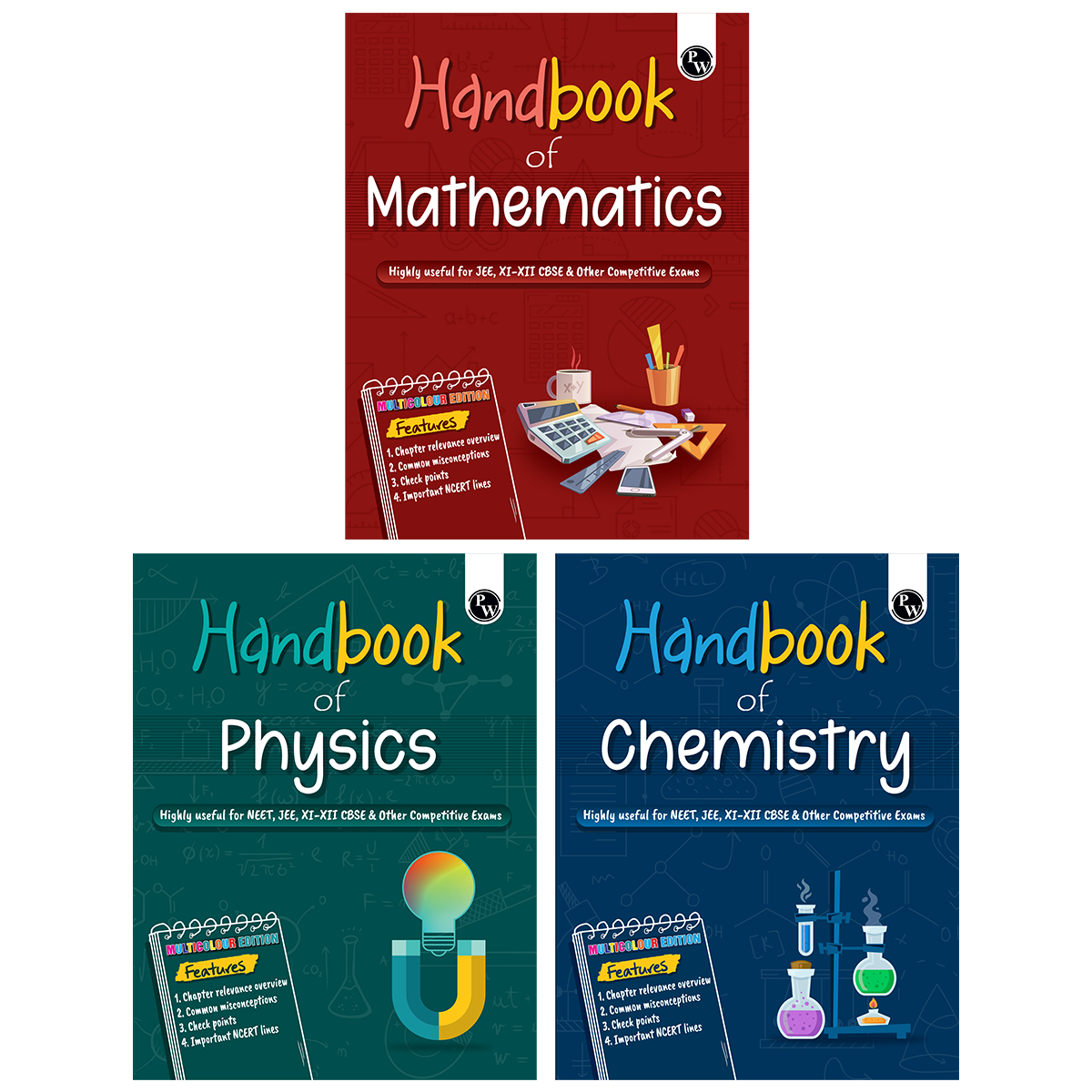
Ignoring NCERT Foundational Content: Completely skipping foundational textbooks—especially for Inorganic Chemistry and basic Physics definitions—is a common mistake that costs easy marks.
-
Collecting Resources Without Finishing Them: Buying modern module series or multiple reference texts without completing them creates unnecessary stress. Thoroughly finishing one structured resource yields far better results than partially completing five.
-
Neglecting Regular Revision: Studying new chapters without reviewing earlier topics leads to forgotten formulas and lost marks during mock exams.
JEE Main Books FAQs
Are JEE Main books enough to move my score from 120 to 180+?
Yes, using structured JEE main books effectively provides the theory, solved examples, and practice needed to reach 180+ marks. However, success also depends on analyzing your mock test errors, working under timed conditions, and completing past paper practice.
How many reference books should I use per subject for JEE 2027?
Stick to one comprehensive study module or theory guide and one topic-wise past question bank per subject. Using too many books causes confusion and leaves your preparation incomplete.
Should I focus on theory or question practice to break the 150-mark limit?
If you are already scoring between 100 and 150 marks, your basic theory is likely intact. Focus 70% of your available study time on practicing questions and 30% on reviewing specific theoretical gaps revealed by your errors.
How important are previous year questions compared to standard textbook exercises?
Previous year questions are essential. They show you real exam difficulty, help you spot recurring concepts, and train you in effective time management better than unstandardized practice sets.
Can I clear my Class 11 backlogs using JEE Main preparation books while in Class 12?
Yes, using chapter-wise JEE main books for 100 marks improvement helps you clear backlogs systematically. Set aside 1 to 1.5 hours daily to review Class 11 theory and solve basic PYQ sets alongside your current Class 12 coursework.