JEE Main Question Selection: Which Questions Should You Attempt First?

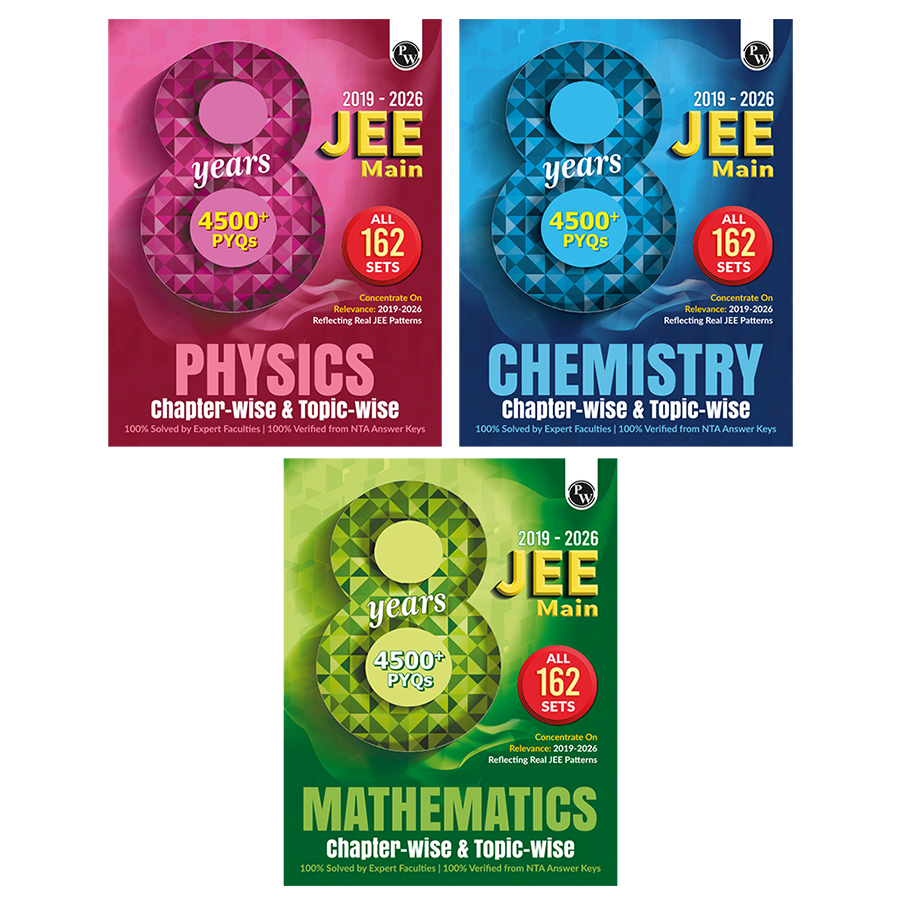
Organizing this sequence lowers panic levels and stabilizes your temperament. Using JEE Books for structured practice can also help you develop better time-management and question-selection skills. Proper management of the three-hour duration ensures that you never run out of time before inspecting every question available in the booklet.
Furthermore, analyzing past patterns reveals that question papers are intentionally designed with a mix of easy, moderate, and difficult problems. If you dive straight into a complex multi-concept calculus problem, your confidence can take an immediate hit.
A systematic approach to JEE Main question selection safeguards your mental energy. You learn to treat the test as a game of optimization rather than a brute-force marathon. Every minute saved on a straightforward chemistry reaction can be re-allocated to tricky physics derivations or lengthy mathematical calculations later in the session.
Overview of JEE Main Question Selection
Mid-session exam pressure mounts quickly when the clock ticks down during the three-hour test window across mathematics, physics, and chemistry. Many aspirants struggle not from a lack of knowledge, but from a poor order of attempt. Structured JEE main question selection transforms raw potential into actual ranks. You skip lengthy traps and target scoring items first.
Building a robust JEE main exam strategy depends heavily on recognizing low-hanging fruit early in the paper. When you scan through sections, your brain filters out complicated numerical calculations to spot direct theory or formula-based prompts. Organizing this sequence lowers panic levels and stabilizes your temperament.
Proper management of the three-hour duration ensures that you never run out of time before inspecting every single question available in the booklet.
Which Questions to Attempt First with JEE Main Question Selection
Choosing the correct initial sequence dictates your momentum. Chemistry often yields quick wins through direct inorganic and organic reactions rooted tightly in standard texts. Physics follows closely with straightforward formula substitutions.
-
Direct Theory Queries: Target recall-based items that take under thirty seconds to read and evaluate.
-
Familiar Formats: Pick numerical patterns you practiced repeatedly during regular mock tests.
-
Deferred Calculations: Leave heavy multi-step calculus or lengthy integration for later rounds to keep your energy high.
Executing an effective JEE Main paper attempt strategy means protecting your time. Never stay stuck on a single stubborn problem just because you spent two weeks studying that exact chapter. Practising JEE Main PYQs can help you recognise familiar question patterns and move forward when needed, preserving time for other sections.
When you encounter a familiar concept, your mind instantly retrieves the relevant formula. Regular practice with JEE Main PYQs can build faster execution and help you become comfortable with different question types. As you tick off ten or fifteen correct answers in the first forty minutes, your anxiety can reduce.
You begin operating in a state of flow, which can help reduce silly calculation errors during the exam.
How to Identify Easy and Familiar Questions During JEE Main Question Selection
Spotting JEE main easy questions requires discipline during the initial reading sweep. High-scoring candidates treat the first fifteen minutes as a scouting mission rather than a frantic race to solve everything immediately.
-
Shorter Statements: Questions with brief text descriptions often test single concepts rather than convoluted multi-chapter theories.
-
Standard Data: Look for clean integer values or standard constants that simplify mental math or quick rough-sheet notes.
-
Recognizable Templates: If a concept mirrors a previous year paper item you solved during revision, flag it for immediate execution.
Pinpointing these reliable prompts elevates your baseline score early. This early cushion reduces psychological stress as the timer enters its final hour. Train your eyes to scan the entire paper before committing pen to paper.
Many students lose valuable minutes simply because they read questions sequentially without filtering for difficulty. By categorizing questions into instant-solve, secondary-solve, and skip categories, you ensure that no easy marks are left behind at the end of the test.
How to Handle Difficult Questions During JEE Main Question Selection
Stubborn or lengthy numerical items threaten overall performance if mishandled. Proper JEE main time management dictates that you abandon dead-end queries before they devour ten crucial minutes.
-
Mark for Review: Utilize the online interface tool to flag tough items and return only if spare time remains at the end.
-
Elimination Tactics: Cross out obviously incorrect options in multiple-choice formats to boost your educated guessing odds if negative marking permits.
-
Partial Breakdowns: Extract known variables on your rough sheet, but drop the problem if the algebraic path looks overly murky.
Balancing ambition with realism prevents cascading time losses. Protecting your energy reserves ensures sharper focus during final review passes. When dealing with complex physics or advanced mathematics problems, accept that struggling is part of the process.
However, lingering on a question for more than four minutes without a clear breakthrough is a strategic failure. Practising JEE Previous Year Papers can help you recognise when to move on, cut your losses, and secure easier points elsewhere while returning to difficult questions later.
Tips to Improve Speed and Accuracy with JEE Main Question Selection
Sustaining high JEE main accuracy separates top rankers from average performers. Speed without precision triggers negative marks that ruin percentile outcomes.
-
Regular Mock Simulation: Take timed sectional tests using structured JEE main study plan frameworks to build natural pacing instincts.
-
Rough Work Organization: Keep calculation blocks neat to prevent transcription errors when transferring final numeric answers.
-
Formula Revisions: Review short notes frequently so formula retrieval takes milliseconds instead of minutes.
Consistent practice turns tactical decision-making into muscle memory. Your mind automatically filters out distractions and locks onto viable problem paths. Maintaining a clear layout on your rough sheets prevents confusion when cross-checking values.
Many students make simple additions or sign errors because their rough work resembles a chaotic scribble. Clean segregation of space for each question saves precious seconds during verification.
Practice Plan to Improve JEE Main Question Selection Skills
Structured preparation bridges the gap between conceptual understanding and exam-hall execution. Following a disciplined routine keeps your preparation sharp throughout the mid-term season.
-
Chapter-Wise Revisions: Cover physics, chemistry, and mathematics systematically using structured study material.
-
PYQ Integration: Solve past years papers to understand evolving difficulty trends and recurrent question patterns.
-
Weak Area Focus: Dedicate extra hours to tricky topics identified during previous mock evaluations.
Maintaining healthy routines, proper sleep schedules, and consistent physical wellbeing ensures peak cognitive performance on exam day. Rigorous practice builds the stamina required to stay focused through three hours of continuous cognitive exertion.
Treat every mock test as a rehearsal for the real event, analyzing not just what you got wrong, but how you decided which questions to attempt first.
Read More: Important Math Formulas for IIT JEE
JEE Main Question Selection FAQs
What is the best sequence to attempt sections in JEE Main?
Most students prefer starting with Chemistry for quick recall, moving to Physics for formula application, and tackling Mathematics last due to its lengthier calculation requirements.
How many questions should I attempt to secure a good percentile?
Attempt count depends on individual paper difficulty, but focusing on high accuracy across fifty to sixty well-chosen questions generally yields a competitive score.
Should I guess answers for unknown numerical questions?
Numerical value sections do not carry negative marking in JEE Main, meaning you should always attempt a calculated numerical answer rather than leaving it blank.
How do I stop wasting time on difficult questions?
Set a strict two-minute mental timer per question; if no clear path emerges, mark it for review and move forward immediately.
Why is mock test analysis critical for exam strategy?
Analyzing completed mocks highlights poor selection habits, reveals recurring silly mistakes, and trains your intuition for identifying scoring opportunities faster.