Benefits of Kids Practice Books for Writing Skills
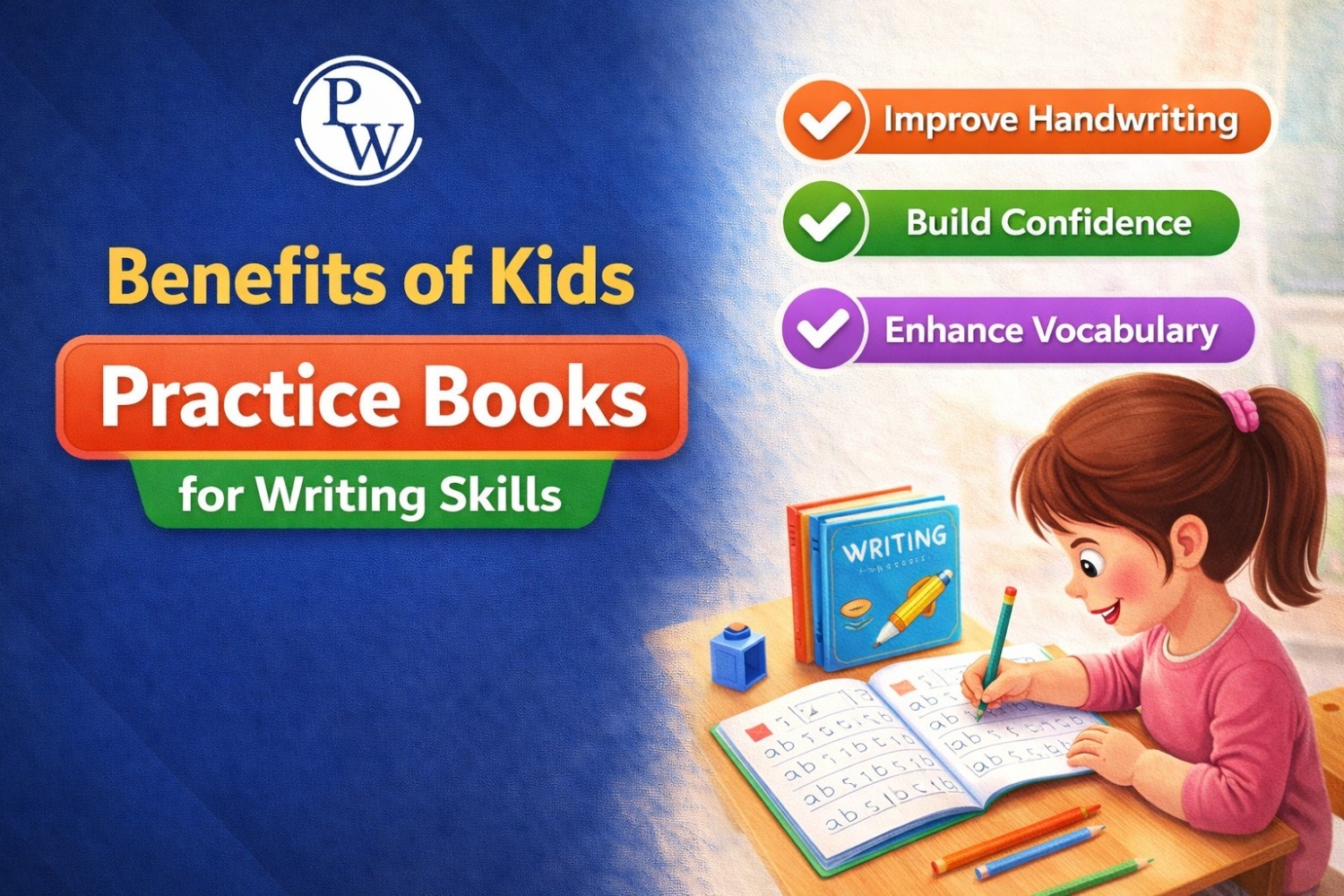
Kids Practice books for writing skills are a structured, hands-on way to develop your literacy and motor coordination. Students move from fundamental strokes to flowing expression with the use of special instruments. This is an important step toward academic success and creative communication.
When parents and teachers want to look for ways to improve writing skills, they often forget about the best tool: the actual practice book. Even though touchscreens are everywhere, the greatest way for students to improve their writing skills is still to write using a pen and paper. This article talks about how concentrated practice materials can help a child communicate better and make sure they love reading and writing for the rest of their lives.
Check Out: PW Kids' Books
How Do Kids Books for Writing Skills Help Brain Development?
The connection between the hand and the brain is profound. When a pupil uses these books, they aren't just copying letters; their brains are doing something really complicated. This tactile feedback helps with "orthographic coding", which is how the brain stores and retrieves written text.
Improve Fine Motor Skills
Kids writing book serves as a gym for their fingers. A youngster must learn how to hold a pencil and put enough pressure on it to leave a mark on the page before they can write a story. These books help with:
-
Getting the "pincer grasp" that you need to control a pencil.
-
Tracing activities might help you improve your hand-eye coordination.
-
Making muscle memory for always using the same letter size.
Improve Cognitive Retention
Studies suggest that students who write by hand remember things longer than those who type. Students take their time and think about each letter when they use a set of handwriting improvement books. This slow tempo helps the brain better map out the forms of letters, which helps in spelling and reading fluency.
How to Choose the Right Kids Books for Writing Skills?
Not all practice materials are created equal. To truly improve students' writing skills, the material must match their current developmental level. Forcing a toddler to write cursive is counterproductive, just as asking a teenager to trace alphabets is unengaging.
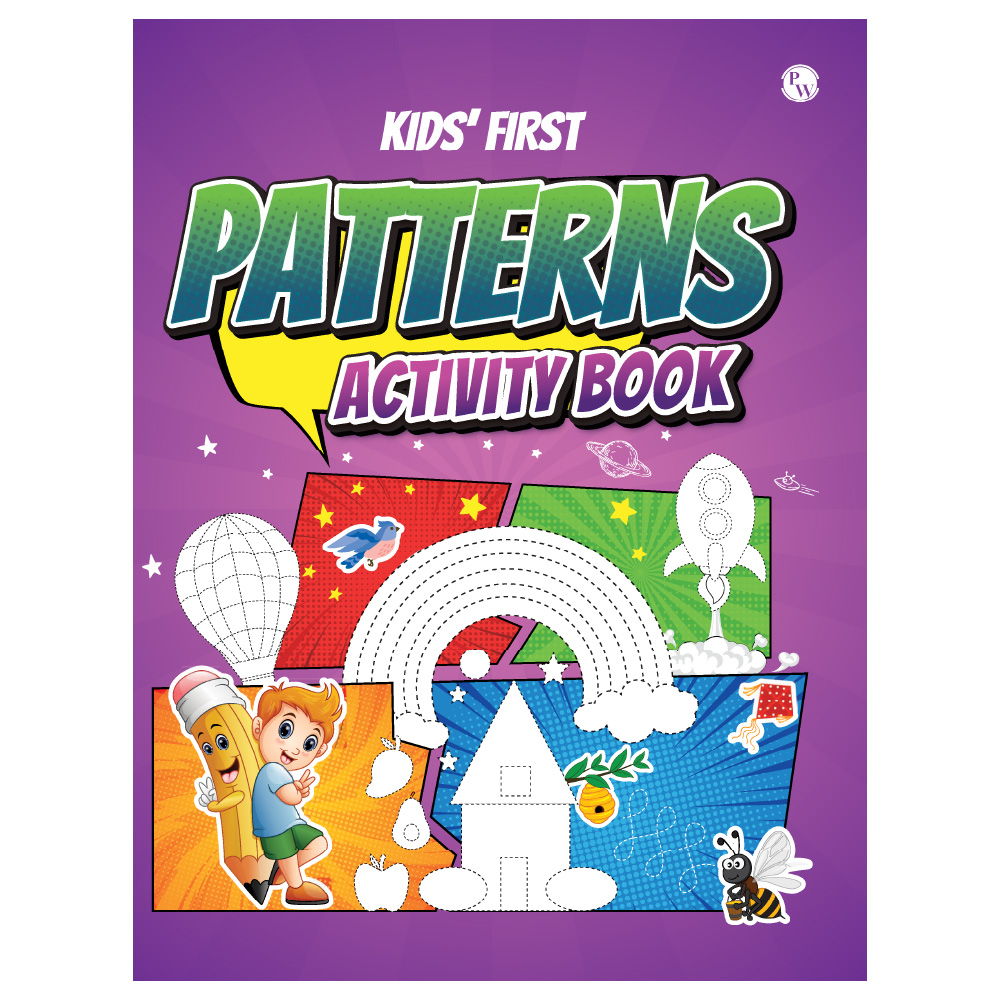
Pattern Writing Books for Beginners
These books use:
-
Straight Lines: Teaching vertical and horizontal movements.
-
Curves and Slants: Preparing the hand for letters like 'S', 'O', and 'V'.
-
Repeating Patterns: Building the stamina needed for longer writing sessions.
Letter and Word Practice in Books
Once the hand is steady, a kids' writing book focuses on connecting those patterns into recognisable symbols. This stage is where the magic happens. Students begin to see the relationship between the sounds they hear and the marks they make. Repetition at this stage ensures that the student doesn't have to "think" about how to form a 'B', leaving their mental energy free to focus on what they want to say.
Check out: Kids Writing & Pattern Books
Types of Kids Writing Skills Books Available for Kids
Different types of writing skills books support different learning stages:
-
Pattern Writing Books: Focus on lines, curves, and shapes
-
Alphabet Writing Books: Teach letter formation
-
Cursive Writing Books: Improve flow and handwriting style
-
Sentence Writing Books: Help with structure and clarity
Using the proper kind at the right time makes sure that progress keeps going.
Different Ways to Practice Writing Skills
The table below shows how writing skills books are different from apps and regular notebooks:
|
Feature |
Digital Apps |
Plain Notebooks |
Structured Practice Books |
|
Tactile Feedback |
Low (Glass screen) |
Moderate |
High (Paper grain) |
|
Guidance |
Visual only |
None |
Visual + Traceable Paths |
|
Skill Focus |
Recognition |
Free-form |
Step-by-step Mastery |
|
Motor Development |
Minimal |
High |
Maximum |
|
Focus Levels |
Low (Distractions) |
Moderate |
High (Task-oriented) |
Check Out: Kids Reading Books
Tips to Improve Writing Skills Using Practice Kids Books
While having the right books for writing skills is a great start, the environment and approach matter just as much. Consistency is the secret ingredient of progress.
Having the correct books for writing skills is a terrific start, but the way you write and the place you write also matter.
-
Set a Schedule: Just fifteen minutes of daily practice in a kids writing book is more effective than a three-hour session once a week.
-
Make it fun: By using pens or pencils in different colours. If you tell your youngster to "write like a pirate" or "write like a teacher", they might have fun with it.
-
Pay attention to your posture: Make sure the child is sitting comfortably with their feet flat on the floor. Better pen control and reduced tiredness come from having good posture.
-
Positive Reinforcement: Instead of pointing out the sloppy letters, circle the letter that looks best on the paper. This makes the child want to do well again.
Why Kids Books for Writing Skills Helpful in the Digital Age?
You might be wondering why we still read these books when keyboards are everywhere. The answer is that writing by hand has perks that technology can't copy.
Improve Thinking Skills
There is some planning that goes into writing by hand. You cannot simply "delete" or "copy-paste" as easily on paper. This forces students to think about their sentence structure before they commit it to the page. Using these books trains the mind to organise thoughts logically, a skill that translates into better essay writing and problem-solving in other subjects like maths and science.
Reduce Anxiety and Build Confidence
A pupil with untidy handwriting is typically humiliated. They might know the solution to a question but not want to put it down because they worry it won't make sense. By going through handwriting improvement materials, the student learns how to control what they write. They are more inclined to take part in class activities when their writing is clear and neat.
Supporting Students with Different Learning Needs
Some students who have trouble improving their writing skills may have problems like dysgraphia or general sensory processing impairments. In these cases, a specialised writing book for kids with raised lines or wider spacing can provide the extra sensory input needed to stay within the margins. These tools act as a scaffold, supporting the learner until they are ready to transition to standard paper.
Check Out: Kids Activity Books
Key Benefits of Kids Books for Writing Skills
To sum up the benefits, let's look at what a learner gets from practising regularly:
-
Clarity: Other people can easily read what they wrote.
-
Speed: They can keep up with taking notes in higher grades.
-
Literacy: Means being able to spell better and remember more words.
-
Personal Expression: Your handwriting style is a way to show who you are.
Buying good books for kids is a way to invest in their future communication skills. These tangible tools give students the structure they need to do well in school, whether it's via tracing patterns or learning how to do the cursive loop.
Read More: Benefits of Colouring Books For Kids
Kids Practice Books for Writing Skills FAQs
What are the best ways to improve writing skills for kids at home?
The easiest way to learn is to use a dedicated writing book every day and do creative things like writing letters to relatives or keeping a diary. Being consistent and keeping the process entertaining are important.
Can handwriting improvement books really help older students?
Yes, they are not just for toddlers. Older children can use them to improve their cursive, write faster for tests, and break bad habits like holding the pencil wrong that make their hands tired.
At what age should a child start using books for writing skills?
Kids can start reading pattern-based books when they are 3 or 4 years old. These books are all about shapes and lines, which are the basic building blocks for making letters later on.
How do these books help improve writing skills for students in school?
When kids use practice books, they make writing a physical activity. This lets children use all of their brainpower to learn instead of worrying about how to write the letters.
Are digital tablets a good replacement for a physical kids' writing book?
Tablets are helpful for some things, but they don't have the resistance or tactile feedback of paper. A physical kids' writing book is usually better for helping youngsters build the muscle memory and fine motor skills they need to write well for a long time.