List of Magic Words for Kids
Kids can make friends and get along with people better if you teach them how to talk nicely to each other. This guide explains about the magic words "please" and "thank you", what they imply, and how they may make everyday interactions better for kids who are learning.
It's important for every parent to raise their child to be courteous and liked, yet it can be hard to do. By using these crucial terms, we make basic manners a valuable tool for getting along with others. These simple phrases help kids treat others nicely, making every interaction easier and more meaningful.
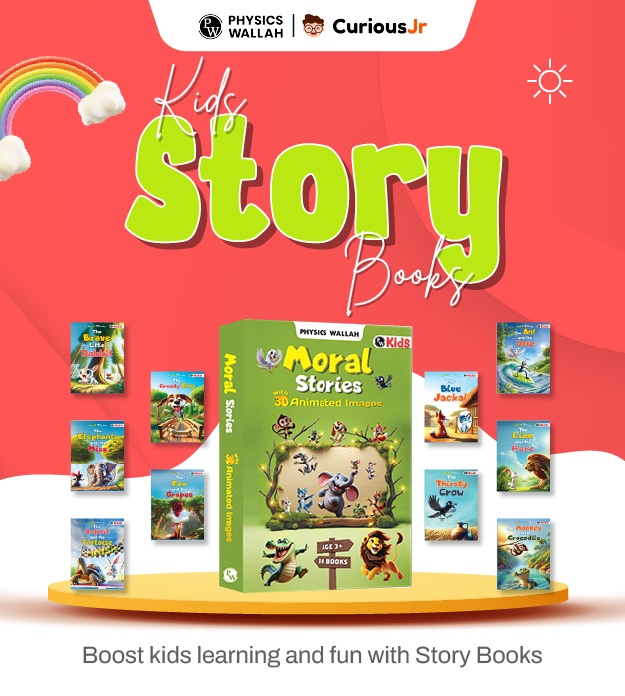
Check Out: PW Kids' Books
Importance of Magic Words for Children
Understanding the importance of these words goes beyond being polite. When a child uses these phrases, they recognise the feelings and efforts of others. This builds empathy and emotional awareness. These words help people get along better in the school or at home and make them feel like they belong.
Using polite language helps kids:
-
Make your friendships stronger by respecting each other.
-
Tell them what they need without seeming like you're asking for it.
-
Develop a positive reputation among teachers and peers.
-
Understand the value of gratitude and patience.
5 Magic Words for Kids
There are five main phrases that make up good manners. If they know how to do these things, they'll be ready for practically any social scenario.
|
Magic Word |
When to Use It |
The Impact |
|
Please |
When asking for something |
Shows respect for the other person's choice. |
|
Thank You |
After receiving help or a gift |
Expresses genuine gratitude and appreciation. |
|
Sorry |
When a mistake is made |
Demonstrates accountability and empathy. |
|
Excuse Me |
When interrupting or passing by |
Shows awareness of others' personal space. |
|
May I? |
Before taking an action |
Teaches the importance of seeking permission. |
While the core five are vital, a broader magic words for kids list helps children handle complex scenarios. They can show generosity in many different ways when they learn new words.
-
"You’re Welcome": Use this after someone says thank you. It completes the circle of gratitude.
-
"Pardon Me": A slightly more formal version of excuse me, useful if you didn't hear someone clearly.
-
"I Forgive You": Just as important as saying sorry, this helps kids let go of grudges.
-
"After You": A great way to show patience in lines or at doorways.
-
"Gladly": A positive way to agree to a request or help someone out.
Check Out: Kids Activity Books
How to Use a Magic Words Chart for Classroom?
Teachers often use visual aids to reinforce positive behaviour. A chart in classroom settings serves as a constant reminder for students to choose kindness. When children see these words daily, they become a natural part of their spoken language.
A classroom chart should be colourful and easy to read. It usually features these words in large fonts with illustrations of children sharing or helping. This visual reinforcement helps younger students associate the words with specific positive actions, making the concept of "good manners" less abstract and more actionable.
Practical Magic Words Sentences for Kids
Learning the words is one thing, but knowing how to use them in a full sentence is another. Here are some sentences to use in daily life:
-
"Please may I have a glass of water?"
-
"Thank you for helping me with my homework, Dad."
-
"I am sorry for accidentally knocking over your tower."
-
"Excuse me, may I get past you to reach the bookshelf?"
-
"May I join the game you are playing?"
By practising these sentences, children gain the confidence to speak up in social circles without feeling shy or awkward.
Check Out: Kids Reading Books
How do These Words Promote Good Habits through Daily Interactions?
Developing good habits for kids learning etiquette requires consistency. Parents and teachers should model this behaviour. If a child hears adults using these golden words frequently, they will naturally mimic those patterns.
Effective ways to encourage these habits include:
-
Positive Reinforcement: Praise your child when they use a magic word without being prompted.
-
Role-Playing: Act out different scenarios, like ordering food at a restaurant or asking for a toy.
-
Gentle Reminders: Instead of scolding, ask, "Is there a magic word you could use here?"
Check out: Kids Writing & Pattern Books
How to Create a Magic Words Chart for Kids at Home?
You don't need to be in a school to have a visual guide. Making a chart at home can be a fun craft project. Use stickers, glitter, and bright markers to make the "Magic Five" stand out. Place the chart on the fridge or the back of their bedroom door. This keeps the goal of being polite "top of mind" throughout the day.
How to Promote Good Manners Words in Social Groups?
When kids play together, emotions can run high. Using good manners words for kids helps de-escalate conflicts. For instance, saying "Sorry" after bumping into someone during tag can stop a fight from happening. These words teach children that their actions have consequences and that they have the power to fix a situation with just a few syllables. It turns a "me-first" attitude into a "we-first" mindset.
Mastering these phrases is a journey, not a one-time lesson. By focusing on them, we provide children with a toolkit for life. These words open doors, build bridges, and create a kinder world for everyone involved. Whether through a chart, daily practice, or simple observation, the effort put into learning these words today will pay off in the confident, respectful adults they become tomorrow.
Read More: List of A to Z Words for Kids
Magic Words for Kids FAQs
What are the most common magic words?
These include Please, Thank You, Sorry, Excuse Me, and May I. These are essential for daily polite conversation.
How do I teach my child the importance of these words?
You can teach the importance by modelling the behaviour yourself and using positive reinforcement whenever your child uses them correctly.
Why should I use these sentences for kids during practice?
Using them helps students figure out what the words mean in context, which makes it easier for them to employ the phrases in real life.
Can these words improve social skills?
Yes, these powerful words provide kids the language they need to talk to each other in a polite way, which is an important part of having good social skills.