Importance of Mythology Story of Gods For Kids
Mythology story of gods help children connect to their culture and learn important life lessons. These old stories mix adventure and wisdom to help children learn right from wrong a little easier. Introducing these stories early on helps children develop morally and stimulates their imagination, all while they have fun.
Check Out: PW Kids' Books!
Importance of Reading Mythology Story of Gods
It’s hard to teach kids the ways of old these days. The mythological story of the gods helps link the past with the present. These stories are not just stories of magic; they are stories of real feelings and struggles, and of good triumphing over evil. When kids read about gods, they learn about courage, honesty and empathy, and it feels like an adventure, not a lesson.
Mythology has stories to explain big ideas in simple ways. For instance, it is easier for kids to understand the idea of duty, or “Dharma,” when they see a hero practising it. This way, the lessons stay with children long after the story is done.
Role of Mythology Story of Gods
Values shape a child's character. Indian mythology stories for children are a great way to teach these values. Many of these stories show how good wins over evil, giving children clear examples of right and wrong.
|
Character Trait |
Derived From |
Lesson Learned |
|
Bravery |
Hanuman |
Facing fears to help others |
|
Truthfulness |
Harishchandra |
The importance of honesty at all costs |
|
Devotion |
Prahlad |
Staying firm in one's beliefs |
|
Responsibility |
Rama |
Fulfilling duties towards family and society |
These examples show that gods stories for kids can help parents teach important lessons. Rather than just telling a child to be brave, sharing a story about a god overcoming a big challenge gives kids something they can picture and relate to.
How the Mythology Story of Gods helps in Cognitive Growth
Learning about mythology story of gods for children is a multi-sensory experience. When kids read or listen to these accounts, they perform mental mapping of complex family trees and vast landscapes. This mental exercise improves memory retention and spatial awareness.
Developing Empathy Through Deities
Many stories show gods in situations that feel very human, like being sent away, losing someone, or feeling tired. This helps children see that even powerful beings have feelings. It teaches them that it's normal to feel vulnerable and that being strong helps them get through tough times.
Understanding Symbolism
As children get older, they notice that the weapons or animals linked to different gods stand for certain qualities. For example, a lotus means purity, and a trident can show power over three worlds. Learning these symbols early helps them understand stories better in school later on.
How to Begin Reading Mythology Story of Gods
It's helpful to start with stories that have a clear hero and a simple plot. Mythological stories of gods like Ganesha, Krishna, or Hanuman are especially popular with beginners because these characters are playful and easy to relate to.
-
Ganesha's stories highlight wisdom and the special bond between mother and son.
-
Stories about Krishna show his playful mischief, strong friendships, and his protection of the innocent.
-
Hanuman's tales focus on strength, loyalty, and helping others without expecting anything in return.
Introducing these figures first helps children feel comfortable and connected to the stories. As they get to know these characters, you can slowly introduce more complex tales from the Ramayana or the Mahabharata.
Check out: Kids' Reading Books
What is the Benefit of the Mythology Story of the Gods?
Sharing mythology stories with kids helps them grow in many ways, not just by entertaining them.
-
Cultural Awareness: Children learn about the customs, festivals, and traditions that define their heritage.
-
Vocabulary Building: Exposure to unique names, ancient places, and descriptive language enhances linguistic skills.
-
Critical Thinking: Many stories involve dilemmas where the characters must make tough choices, encouraging kids to think about consequences.
-
Creative Imagination: The vivid descriptions of celestial realms and divine creatures spark immense creativity.
By engaging with these tales, children develop a well-rounded perspective of the world. They begin to see how different cultures explain natural phenomena and human behavior through the lens of the divine.
How to Select the Mythology Story Books for Kids
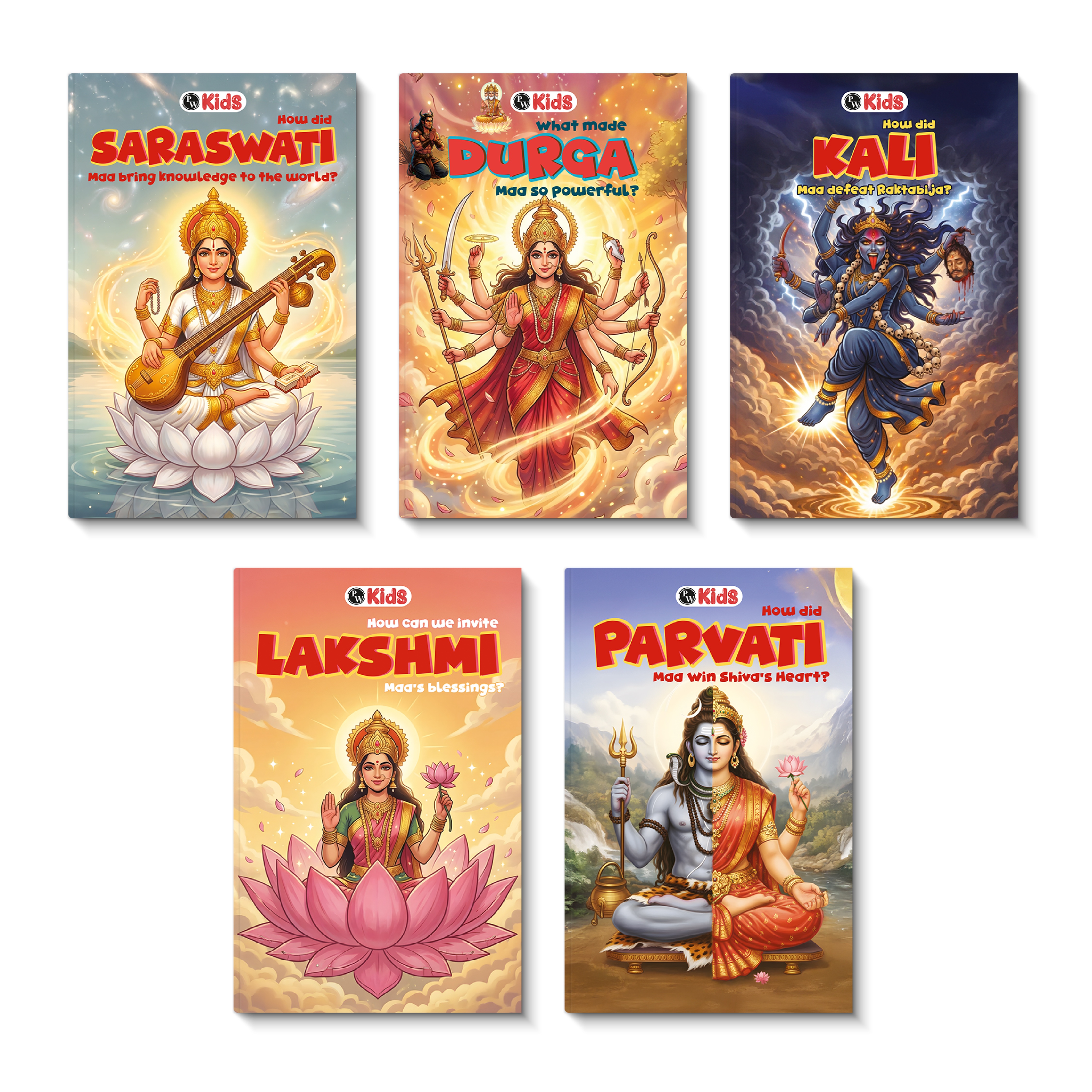
Selecting the right resources is vital for maintaining a child's interest. High-quality Hindu mythology books for kids use vibrant illustrations and simplified language to keep the narrative moving. These books are specifically designed to break down long epics into manageable segments.
-
Visual Engagement: Bright colours and artistic representations of deities hold a child's attention.
-
Age-Appropriate Language: Complex Sanskrit terms are often explained or simplified to make them easier to read.
-
Interactive Elements: Many modern books include puzzles or maps to make the experience more immersive.
Using dedicated mythology storybooks for children ensures the content is curated to be safe and inspiring. It prevents exposure to overly violent or complex themes that might be present in original adult versions of the texts.
Check Out: Kids Activity Books
Tips for Making the Mythology Story of Gods a Daily Routine
Consistency is key when introducing new concepts. You don’t need hours to share a mythological story about the gods with your child. Small, consistent efforts can make a big difference.
-
Bedtime Rituals: Use the quiet time before sleep to read a few pages of a story.
-
Mealtime Discussions: Talk about a specific deity’s qualities while having dinner.
-
Festival Context: During festivals like Diwali or Holi, explain the specific short mythology stories for kids that define the occasion.
-
Travel Stories: Keep a book handy during long car rides or flights to help the child stay engaged and productive.
These small windows of learning help children associate mythology with warmth, comfort, and family bonding. It turns education into a shared journey rather than a solitary task.
Read More: Moral-Based Bedtime Stories for Kids
Mythology Story of Gods for Kids FAQs
What is the right way to introduce a mythology story of gods to a toddler?
Start with picture-heavy books that focus on one character at a time. Use funny voices and simple actions to bring the story to life. Keeping the sessions short, around 5-10 minutes, helps maintain their interest without overwhelming them.
Are mythology stories for kids relevant in the modern world?
Yes, these stories teach timeless values like integrity, respect, and perseverance. While the setting is ancient, the moral dilemmas the characters face are very similar to the challenges children face in school and social life today.
Which Hindu mythology books for kids are recommended for 5-year-olds?
Books that focus on the childhood of deities, such as "Little Krishna" or "Baby Ganesha," are ideal. Look for hard-bound books with large fonts and minimal text per page to encourage independent browsing.
How do God's stories for kids help in school education?
They improve reading comprehension and introduce children to historical and cultural concepts. Understanding these stories often helps in subjects like History, Literature, and Social Studies by providing a solid cultural foundation.
Can mythology storybooks for children improve a child’s focus?
Reading long-form narratives helps improve a child’s attention span. Since these stories are filled with wonder and suspense, children are more likely to stay focused to find out what happens next, which is a great exercise for their brains.