Common Medical Reasons for NDA Rejection
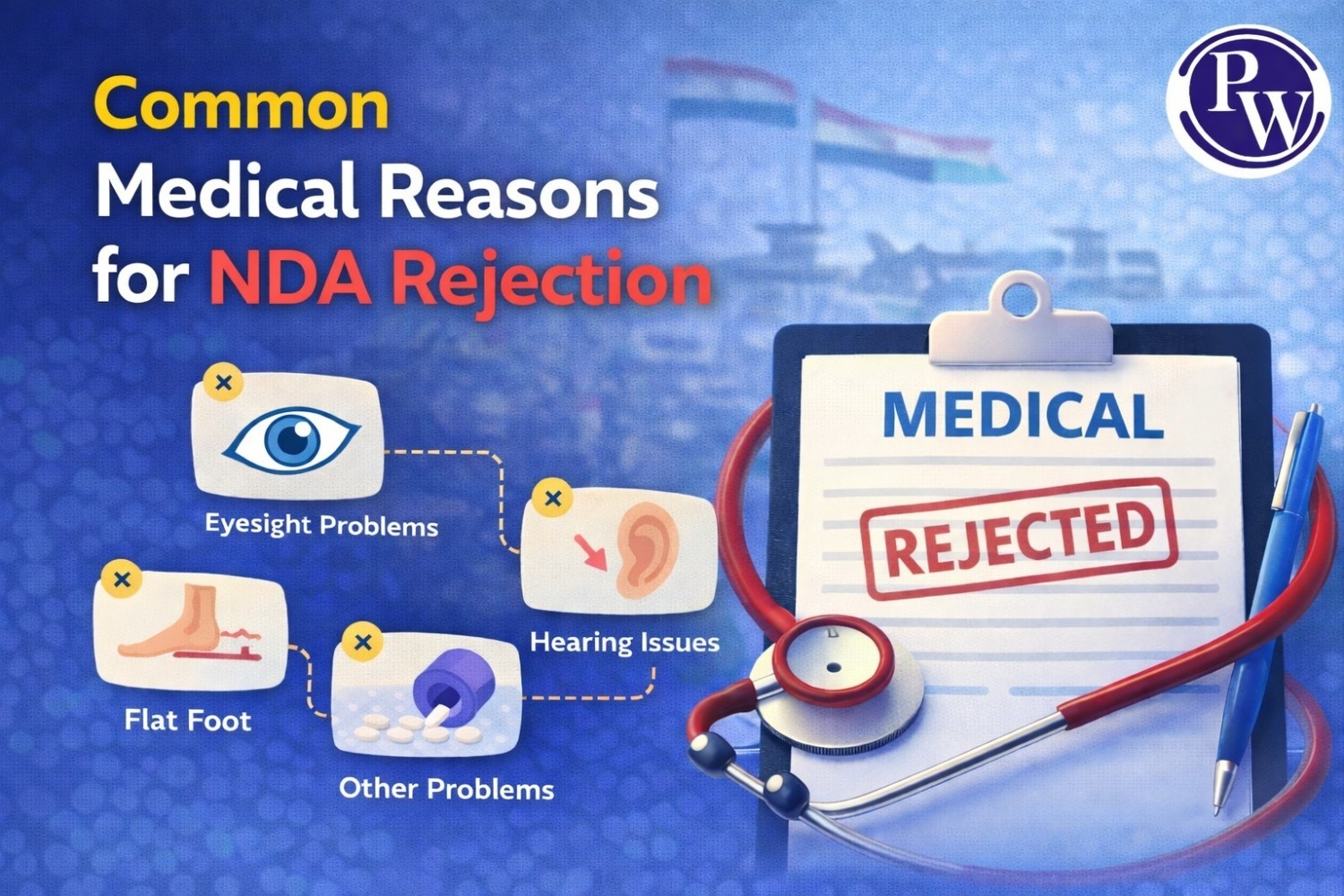
Every year, thousands of students clear the NDA written exam, but many of them get rejected in the medical examination. This is very painful because medical rejection happens after months of hard work.
If you are preparing for NDA, understanding the common medical reasons for rejection can help you prepare in advance and avoid mistakes. This article explains everything in a simple and honest way.
Check Out: NDA Books
Why Medical Fitness is Important in NDA
Candidates selected through NDA join the Indian Army, Navy, or Air Force. These forces demand high physical and mental fitness because officers have to:
-
Lead troops
-
Handle weapons
-
Work in extreme weather
-
Serve in difficult terrains
That is why the NDA medical test is strict. Even small issues can lead to rejection.
NDA Medical Examination: Basic Overview
The NDA medical exam checks:
-
Height and weight
-
Vision and hearing
-
Bones and posture
-
Internal organs
-
Mental health
-
Past injuries or surgeries
The examination is conducted by armed forces medical boards, not private doctors.
Common Medical Reasons for NDA Rejection
Let’s look at the most common reasons why candidates fail the NDA medical test.
1. Vision Problems
Vision issues are one of the top reasons for NDA rejection.
Common Vision Issues:
-
Poor eyesight beyond allowed limits
-
Color blindness
-
Night blindness
-
Squint (strabismus)
-
Use of spectacles beyond limits
Important Points:
-
Color blindness is not allowed
-
LASIK surgery is allowed only under specific conditions
-
Vision standards are different for Army, Navy, and Air Force
Regular eye check-ups are very important.
2. Overweight or Underweight
Height and weight must be within the standard range.
Common Problems:
-
Obesity
-
Being too thin
-
Sudden weight gain or loss
Candidates often ignore fitness and focus only on studies, which leads to rejection.
Follow a balanced diet and regular exercise.
3. Flat Foot (Pes Planus)
Flat foot is a major reason for rejection, especially in Army and Air Force.
Types:
-
Flexible flat foot (sometimes allowed)
-
Rigid flat foot (usually rejected)
Medical officers check foot structure carefully.
Avoid wrong footwear and do foot-strengthening exercises.
4. Knock Knees and Bow Legs
Problems related to leg alignment can cause rejection.
Includes:
-
Knock knees
-
Bow legs
-
Unequal leg length
Such conditions can affect running, marching, and physical training.
Check Out: PW Defence Books
5. Spine and Posture Problems
Your posture plays a big role in selection.
Common Issues:
-
Scoliosis (curved spine)
-
Kyphosis or lordosis
-
Back pain due to poor posture
These problems usually develop due to:
-
Long sitting hours
-
Wrong posture during study
-
Lack of physical activity
6. Chest and Lung Issues
Chest expansion is checked during medicals.
Common Causes of Rejection:
-
Poor chest expansion
-
History of asthma
-
Breathing difficulties
Even childhood asthma history can create problems.
Practice breathing exercises and stay physically active.
7. Hearing Problems
Good hearing is necessary for military communication.
Rejection Reasons:
-
Partial hearing loss
-
Ear infections
-
Perforated eardrum
-
Excessive ear wax (temporary rejection)
Keep ears clean and get ENT check-ups if needed.
8. Dental Problems
Dental health is often ignored but is important.
Common Dental Issues:
-
More than allowed missing teeth
-
Severe cavities
-
Gum infections
-
Misaligned teeth causing problems
Dental problems can lead to temporary or permanent rejection.
9. Past Injuries or Surgeries
Medical boards carefully check your medical history.
Risky History Includes:
-
Major bone fractures
-
Ligament injuries
-
Metal implants
-
Repeated dislocations
Even if healed, some injuries can lead to rejection.
Always keep medical records ready.
10. Skin Diseases
Visible and chronic skin problems can lead to rejection.
Common Skin Issues:
-
Severe acne
-
Eczema
-
Psoriasis
-
Fungal infections
-
Excessive scars or tattoos
Permanent tattoos outside allowed areas are not permitted.
Check Out: AFCAT Books
11. Hernia and Hydrocele
These are common but serious medical issues.
-
Inguinal hernia
-
Umbilical hernia
-
Hydrocele
These conditions usually require surgery and can cause rejection.
12. Mental Health Issues
Mental fitness is as important as physical fitness.
Includes:
-
Anxiety disorders
-
Depression
-
Behavioral problems
-
History of psychiatric treatment
Honesty is important, but mental stability is strictly checked.
Temporary vs Permanent NDA Rejection
Temporary NDA Rejection:
-
Underweight/overweight
-
Ear wax
-
Minor dental issues
-
Temporary infections
Candidates may be allowed to appear again.
Permanent NDA Rejection:
-
Color blindness
-
Major spinal deformities
-
Severe flat foot
-
Chronic diseases
Read More: NDA Maths Syllabus
How to Avoid Medical Rejection in NDA
Start preparing at least 1–2 years before NDA:
-
Follow a disciplined lifestyle
-
Exercise daily (running, push-ups, stretching)
-
Maintain proper posture
-
Eat a healthy diet
-
Get regular medical check-ups
-
Avoid tattoos and smoking
-
Sleep well
NDA Books for All Subjects
|
NDA Books |
|
UPSC NDA/NA National Defence Academy & Naval Academy 10 Previous Year Solved Papers (PYQs) |
Common Medical Reasons for NDA Rejection FAQs
Q1. Is eyesight the most common reason for NDA rejection?
Yes, vision problems like poor eyesight and color blindness are very common reasons.
Q2. Can LASIK surgery candidates clear NDA medical?
Yes, but only if specific conditions are met and proper recovery time is completed.
Q3. Is flat foot always rejected in NDA?
Rigid flat foot is usually rejected. Flexible flat foot may be allowed in some cases.
Q4. Can overweight candidates get a second chance?
Yes, if rejection is temporary, candidates may be given time to correct weight.
Q5. Are tattoos allowed in NDA?
Only small permanent tattoos on inner forearm or back of hand (as per rules) are allowed.