How NCERT Objective Punch Chemistry Book Covers Every NCERT Line as an MCQ
Many students read the official syllabus chapters multiple times, yet they struggle to solve application-based questions during practice tests. This disconnect happens because reading theory is entirely different from spotting the subtle traps hidden within multiple-choice options.
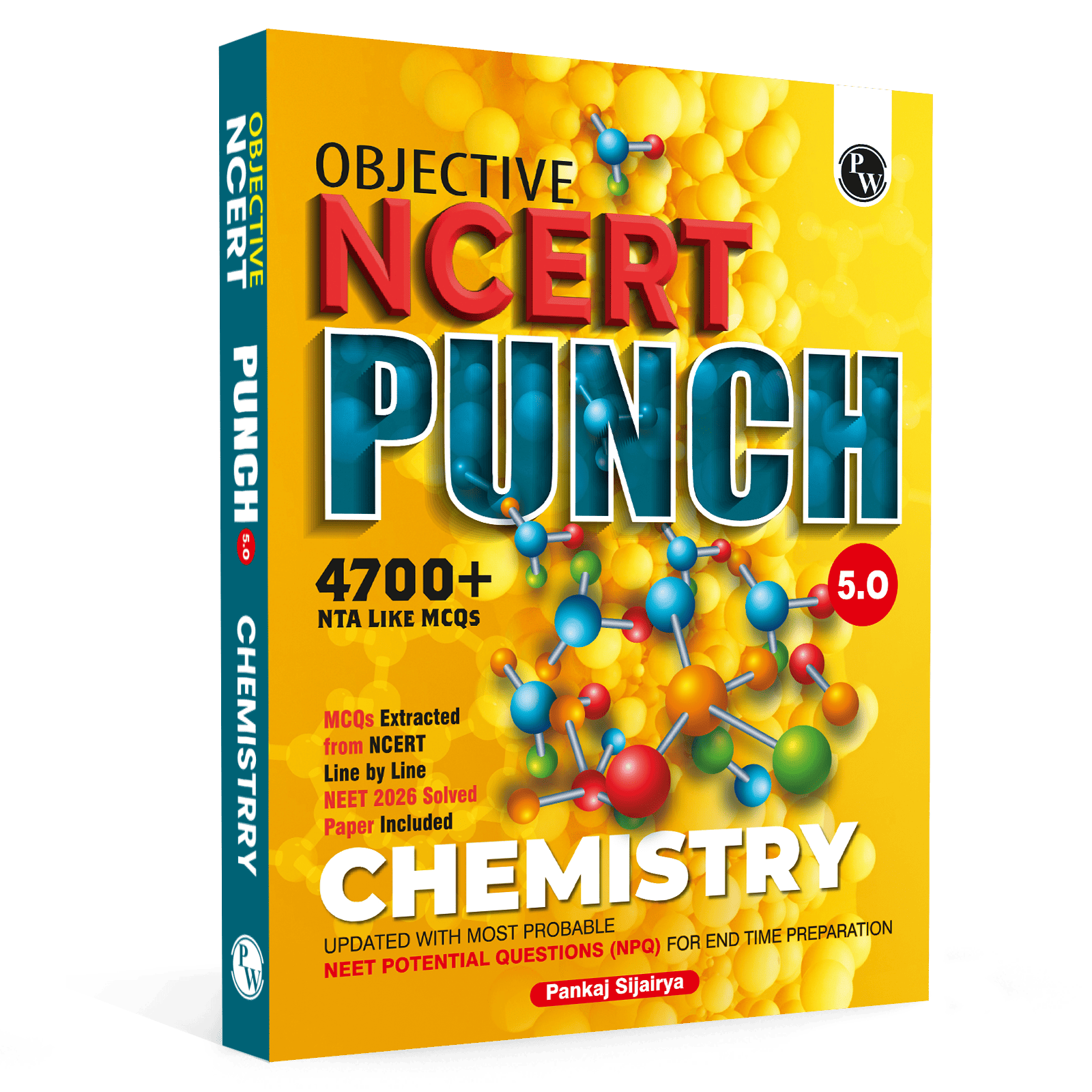
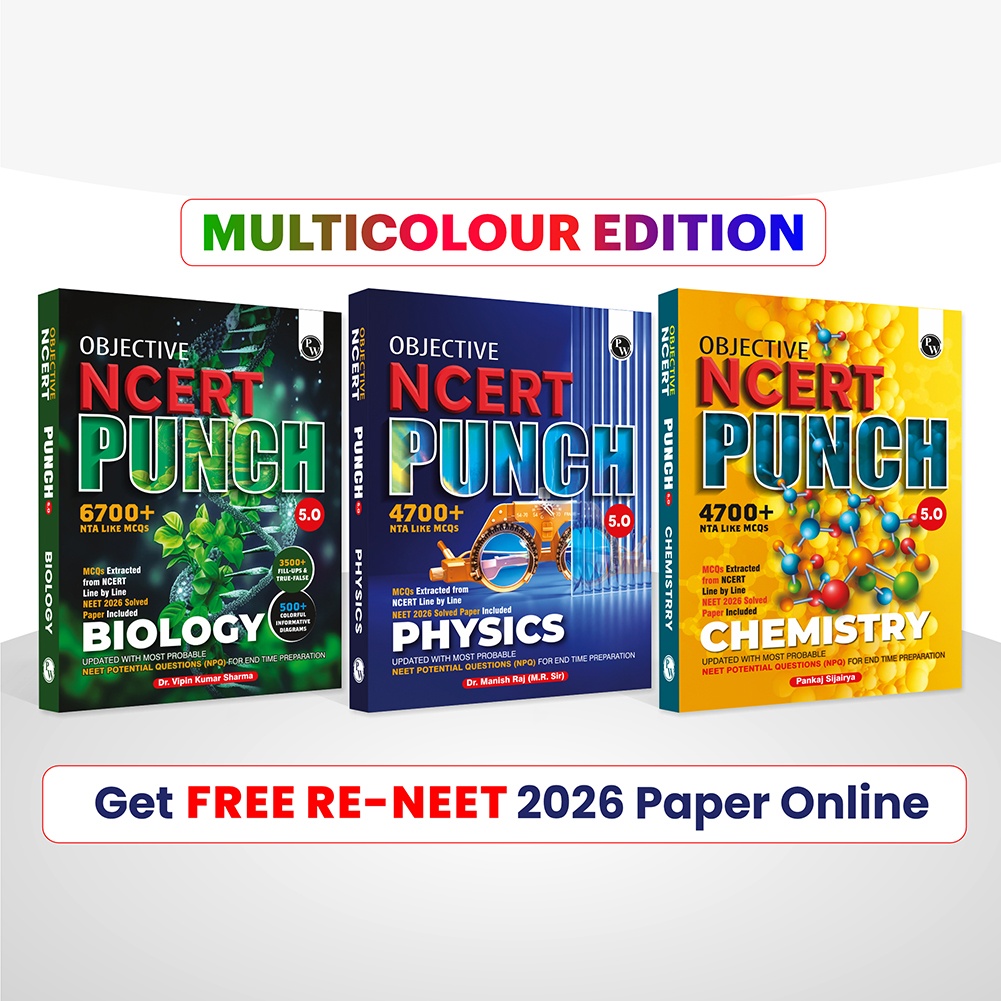
To bridge this gap and secure a top medical seat, you need a targeted resource like the NEET NCERT punch chemistry book to transform passive reading into active, high-yield practice.
Overview of NEET NCERT Punch Chemistry
Achieving a high score in the medical entrance exam requires more than just memorising chemical equations; it demands absolute familiarity with the text prescribed by the national board.
The NEET NCERT punch chemistry resource is structured specifically to break down complex theoretical chapters into granular, line-by-line questions.
By converting regular paragraphs into structured queries, this book helps you scan text the way an examiner does. The primary objective is to build strong fundamental clarity while ensuring that no small footnote or experimental observation is overlooked during your study sessions.
-
Comprehensive Question Volume: Contains over 11,400 NTA-level multiple-choice questions across the complete syllabus to build strong exam readiness.
-
Diverse Formats: Includes more than 240 Match the Column tasks, 4200 Multi-Correct options, and 4800 Numerical Profile Questions.
-
Concept Reinforcement: Features over 3500 fill-in-the-blanks and true-or-false statements to solidify basic facts.
-
Visual Enhancements: Offers more than 500 colourful diagrams paired with chapter-wise short notes for rapid visual learning.
Why NEET NCERT Punch Chemistry Matters for NEET?
Medical aspirants frequently lose marks not because they skipped major topics, but because they misread subtle statements in direct, fact-based questions. The NEET NCERT punch chemistry guide serves as a critical bridge between reading theoretical concepts and applying them under strict test conditions.
Using an NEET ncert punch framework ensures that you encounter variations of assertion-reason and statement-based questions, which have become highly prominent in recent exam cycles.
|
Feature Type |
Student Benefit |
Exam Relevance |
|
Assertion-Reason Questions |
Enhances logical deduction and checks deep conceptual understanding. |
Highly frequent in current competitive test patterns. |
|
Numerical Profile Questions |
Builds step-by-step problem-solving speed for physical calculations. |
Helps tackle the computational section of the test with ease. |
|
Match the Column |
Develops fast elimination techniques for complex matching options. |
Saves critical minutes during the actual exam. |
What are the High-Weightage Chapters in NEET NCERT Punch Chemistry?
Certain sections of the medical syllabus require much deeper application practice due to their high weightage and complexity. The NEET NCERT punch chemistry book provides extensive, topic-wise coverage for both Class 11 and Class 12 segments to address this need systematically.
-
Organic Reaction Mechanisms: Comprehensive practice on named reactions, intermediate stability, and sequential synthesis transformations.
-
Inorganic Trends: Deep drill-downs into periodic properties, coordination compound anomalies, and chemical bonding shapes.
-
Physical Calculations: Structured numericals covering chemical kinetics, electrochemistry, and equilibrium constants.
How to Use NEET NCERT Punch Chemistry for Daily Revision?
Integrating question solving into your regular morning or evening schedule prevents your theoretical knowledge from fading over time.
The NEET NCERT punch chemistry framework is built to facilitate quick daily review sessions without requiring you to carry multiple heavy reference manuals.
Utilising targeted line by line chemistry questions allows you to review an entire unit simply by analyzing the errors made during your practice session.
-
Read a specific topic from your primary textbook for about 20 to 30 minutes.
-
Open the corresponding section in the question bank immediately after.
-
Solve 25 to 30 mixed-format questions to check your immediate retention.
-
Highlight any incorrect answers using a red pen for targeted review later in the week.
This active recall method keeps your brain highly alert and dramatically improves long-term memory retention compared to simply highlighting lines in a textbook. To make this approach even more effective, combine it with NEET Books, which provide comprehensive theory, NCERT-based explanations, chapter-wise practice questions, previous year papers, and revision material. Using active recall alongside well-structured NEET books helps strengthen conceptual understanding, improve problem-solving skills, and maximise retention for the NEET examination
Study Plan for Using the NEET NCERT Punch Chemistry
To get the absolute good results from the NEET NCERT punch chemistry book, you need a clear, systematic plan rather than a random solving approach. Simply clicking through questions without tracking your accuracy will not yield the desired improvement.
Focusing on comprehensive chemistry objective questions helps you isolate your weak areas and track your progress over time.
-
Phase 1 (Days 1-2): Focus entirely on basic concept building, utilizing the chapter-wise short notes and the 500+ colourful diagrams.
-
Phase 2 (Days 3-4): Move directly into the foundational questions, tackling the fill-in-the-blanks and true-or-false segments.
-
Phase 3 (Days 5-6): Challenge yourself with high-order, time-intensive multiple-choice items and numerical profiles.
-
Phase 4 (Day 7): Dedicate this day exclusively to reviewing your mistakes log and re-solving previously missed questions.
How to Practice with NEET NCERT Punch Chemistry Before Exams?
Simulating the precise environment of the actual examination is essential for managing your time effectively. The NEET NCERT punch chemistry compilation includes NEET past papers, including the latest 2026 paper, alongside specialized Most Probable NEET Questions (NPQs) designed for end-stage revision.
Engaging in regular NEET chemistry revision sessions using these authentic papers will help you develop the necessary speed and accuracy.
-
Time Limit: Set a strict kitchen timer for 45 minutes to replicate real exam pressure.
-
Question Count: Select exactly 50 mixed questions from a single unit.
-
Strict Conditions: Do not look at the answer keys or explanatory hints until the timer goes off completely.
-
Scoring Metric: Give yourself four marks for each correct answer and deduct one mark for every single mistake.
Tips to Score Better with NEET NCERT Punch Chemistry
Maximising your score involves a combination of deep knowledge and smart test-taking tactics. When navigating the NEET NCERT punch chemistry collection, implementing specific strategic adjustments can significantly lift your average score.
Emphasizing structured NCERT chemistry practice teaches you to stay calm and rational when encountering lengthy or confusing question descriptions.
-
Use Elimination Techniques: Always eliminate two clearly incorrect choices first before trying to pick the absolute best option among the remaining answers.
-
Analyze the Options Thoroughly: Pay incredibly close attention to absolute qualifiers such as "always", "never", "completely", and "incorrect" in statement-based items.
-
Master the High-Order Items: Do not skip the time-intensive questions; they are specifically designed by expert faculty to build the mental stamina required for the toughest exam days.
Common Mistakes to Avoid While Using NEET NCERT Punch Chemistry
Even the most dedicated students can stall their progress if they approach their resources incorrectly. When working with the NEET NCERT punch chemistry volume, avoid treating it merely as a passive reading manual.
Using the book solely for passive review defeats the main purpose of having an interactive, high-yield practice tool at your disposal.
-
Looking at Solutions Too Early: Avoid checking the answer keys immediately after reading a difficult problem without trying to solve it yourself first.
-
Neglecting the Numerical Profiles: Do not skip the calculation-heavy questions in favour of purely theoretical, fact-based queries.
-
Ignoring the Mistakes Log: Failing to re-attempt the specific questions you got wrong earlier ensures you will likely repeat those exact errors on the actual test.
Read More: How to Score 160+ in Chemistry NEET?
NEET NCERT Punch Chemistry FAQs
How does the NEET NCERT punch chemistry book ensure complete syllabus coverage?
The book converts the text line by line into diverse question formats, providing over 11,400 NTA-level questions, short notes, and colourful diagrams to ensure no concept is missed.
Can I rely on objective punch chemistry questions for final-stage revision?
Yes, the inclusion of Most Probable NEET Questions (NPQs) and the latest 2026 solved paper makes it a highly effective tool for rapid, end-stage exam practice.
How do NCERT chemistry MCQs help in handling statement-based exam trends?
The compilation features dedicated assertion-reason and multi-correct formats, teaching students to identify subtle informational traps within tricky statements.