NEET Notes: How to Make Chemistry Notes for Quick Revision?

When textbooks feel too heavy for last-minute reviews, having concise summaries changes everything. This guide walks you through building powerful study summaries using proven revision strategies, helping you navigate your NEET Chemistry Notes preparation with total clarity and focus. Conquering medical entrance examinations requires not only a strong conceptual foundation but also precise retention tools.
While practice problems and mock tests play a vital role, dedicated summaries can act as your secret weapon for solidifying your understanding and boosting your confidence during high-pressure study cycles.
What Are NEET Chemistry Notes?
Study summaries act as condensed bridges between massive textbooks and rapid recall. During intense medical entrance study phases, traditional reading slows down momentum and drains valuable energy. Condensed learning materials break down complex ideas into manageable, digestible segments that can be reviewed within minutes.
-
Visualizing concepts through mind maps and flowcharts helps structure abstract topics.
-
Saving crucial time allows rapid scanning before mock tests and major assessments.
-
Targeting weak areas isolates difficult chemical reactions and numerical formulas for targeted practice.
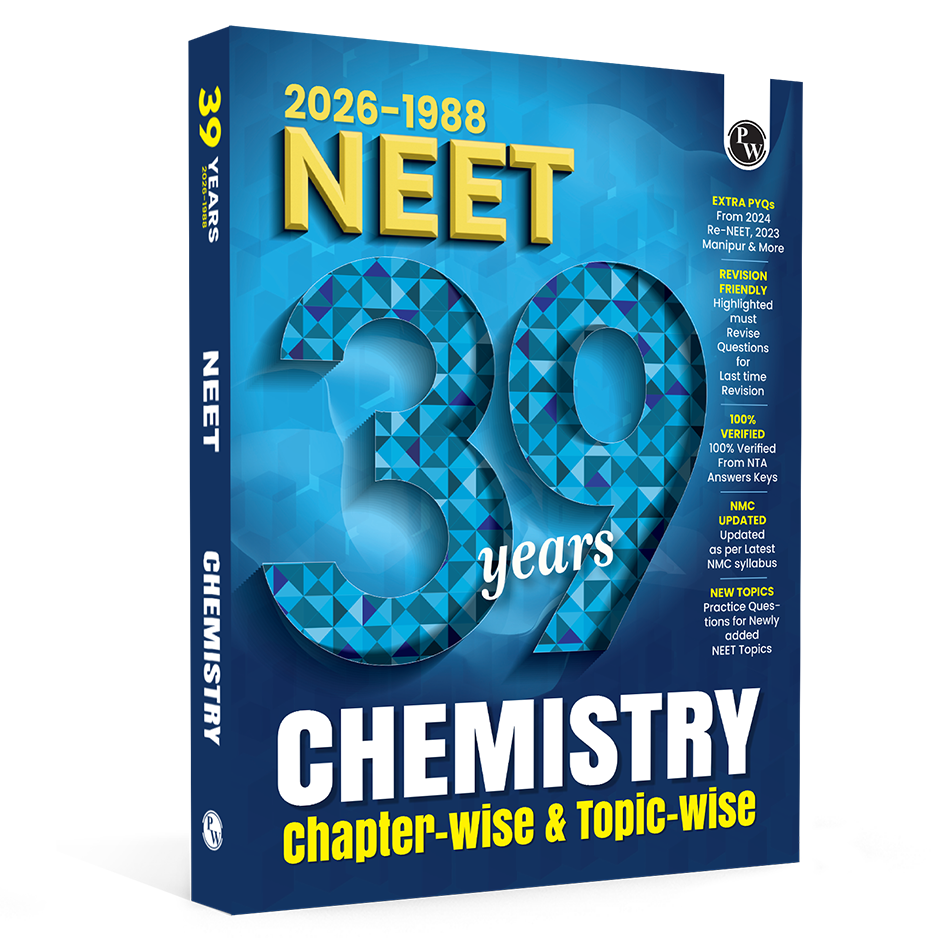
Explore PW NEET Books for effective preparation with NCERT-based content, PYQs, question banks, practice questions, and detailed solutions for focused NEET revision.
What to Include in NEET Chemistry Notes for Each Chapter?
Deciding what goes onto your summary pages dictates your speed during final test cycles. Textbooks contain deep explanations, but your personal revision sheets should hold only high-yield points that carry significant weight in examinations.
-
NCERT fundamentals must be treated as your absolute baseline, covering all essential concepts clearly.
-
Important periodic table anomalies and block exceptions should be highlighted with distinct visual markers.
-
Small structural diagrams and reaction arrows must be incorporated for spatial clarity.
Effective NEET chemistry revision relies heavily on filtering out unnecessary paragraphs and retaining only core facts, diagrams, and highlighted rules. Remember that official textbooks form the bedrock of your syllabus, covering all fundamental laws and exceptions in a concise manner. Thoroughly understanding each line, diagram, and table before venturing into other resources ensures your summary sheets remain accurate and directly aligned with the official examination syllabus.
When selecting what to record, focus on topics that frequently appear in past papers, ensuring that your study materials remain lean, highly relevant, and free from redundant information that could slow down your daily review sessions.
How to Make NEET Chemistry Notes for Physical, Organic and Inorganic Chemistry?
Building effective records requires active participation rather than passive copying. Engaging directly with the material improves long-term retention and sharpens analytical thinking across different branches of the subject.
-
Colour coding specific highlighters for definitions, formulas, and warnings helps categorize information instantly.
-
Creating flashcards for quick testing of periodic properties and reagent functions reinforces active recall.
-
Writing self-explanatory points in your own language triggers immediate mental images during revision.
Which Formulas, Reactions, and Concepts to Add to NEET Chemistry Notes?
Balancing equations and calculating molar masses demand dedicated space on your study sheets. Keeping numerical rules separate from organic pathways prevents confusion during high-pressure mock assessments and timed tests.
-
Physical section notes should list all fundamental laws, thermodynamic relations, and conversion factors clearly.
-
Organic pathways must map out named reactions, reagent functions, and intermediate stability trends.
-
Inorganic trends require systematic tabulation of boiling points, acidic strengths, and colour changes for quick comparison.
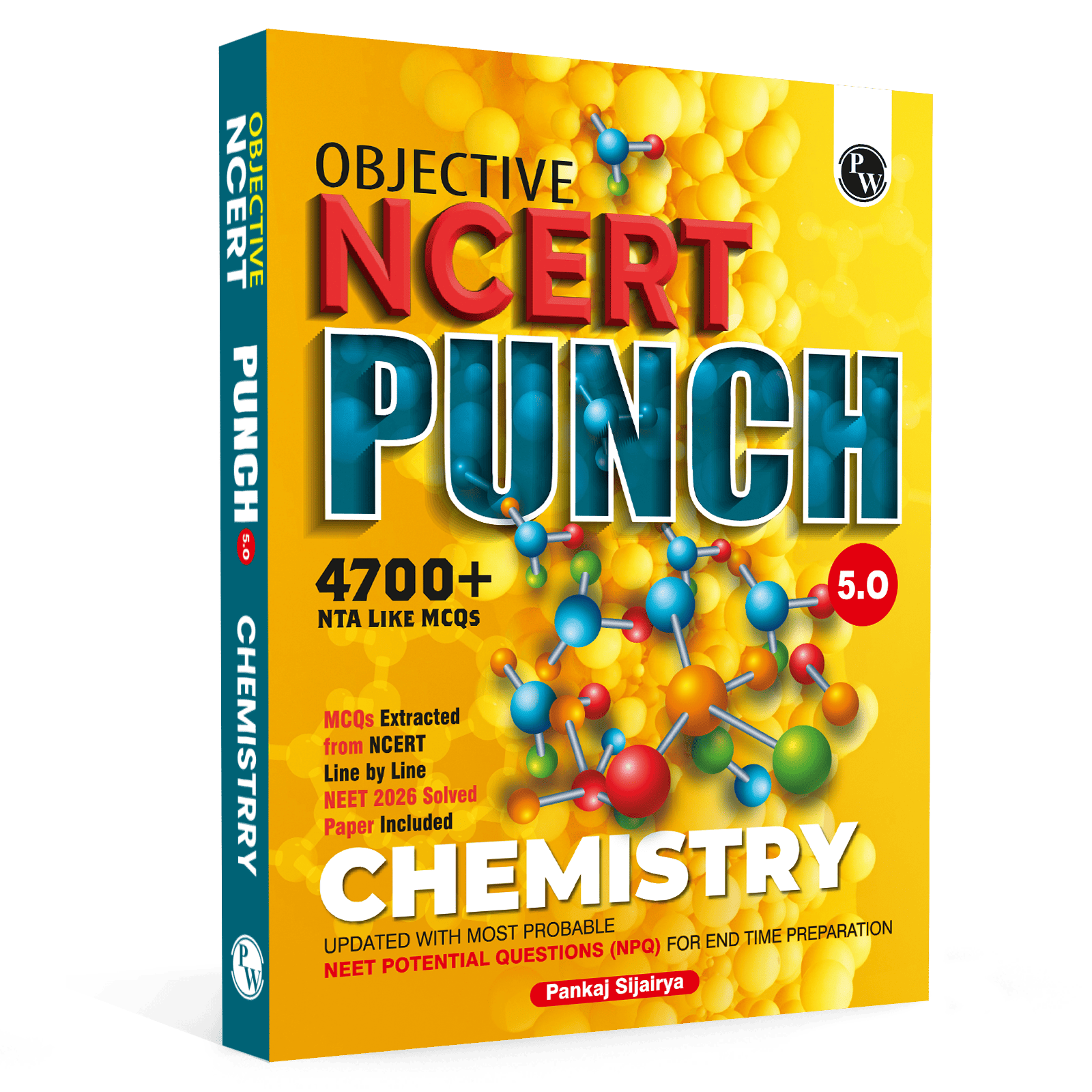
PW Objective NCERT Punch 5.0 Chemistry for NEET 2027 by Pankaj Sijairya includes NCERT-based questions and most probable NEET Potential Questions (NPQs) for focused practice, revision, and end-time preparation.
How to Use NEET Chemistry Notes with NCERT and PYQs?
Your summary sheets should never exist in isolation. They must work in tandem with official textbooks and past question papers to replicate actual exam patterns.
-
Textbook grounding ensures every summary point cross-verifies against official curriculum chapters seamlessly.
-
Question-driven approaches analyze previous year questions to find heavily tested conceptual areas and recurring themes.
-
Mock test feedback updates your personal revision records whenever you make an error during practice exams.
Integrating your records with past exam trends builds a robust framework for tackling tricky multiple-choice questions efficiently. Past year papers act as gold mines of insight into the exam pattern, question types, and frequently tested topics.
Using dedicated revision materials alongside solved past papers gives you a distinct competitive edge. Furthermore, analyzing your performance in mock tests thoroughly allows you to identify areas where you made mistakes, refer back to your revision summaries for clarification, and learn from errors before facing the actual board or entrance examinations.
Tips to Keep NEET Chemistry Notes Short and Easy to Revise
Lengthy summaries defeat the purpose of rapid review cycles. Keeping your records crisp ensures you can flip through an entire syllabus within a few hours.
-
Bullet points should replace full paragraphs to maximize reading speed and comprehension.
-
Shorthand writing helps develop personal abbreviations for common terms like temperature, pressure, and concentration.
-
Regular pruning removes concepts you have already memorized permanently to keep pages clean and uncluttered.
Common Mistakes to Avoid While Making NEET Chemistry Notes
Many students fall into traps that render their summary books useless during crunch time. Avoiding these pitfalls saves precious hours and keeps your preparation on track.
-
Overcopying text word-for-word from textbooks wastes valuable time and creates bulky, unreadable pages.
-
Ignoring core textbook lines while relying solely on external reference guides leads to conceptual gaps.
-
Delaying revision until the final week causes severe anxiety and prevents effective long-term memory consolidation.
Being mindful of these errors ensures your revision materials remain practical, accessible, and aligned with actual exam demands. Conquering the examination requires avoiding the trap of getting bogged down by too many books.
Utilize supplementary tools strategically to support your understanding rather than trying to replace the primary syllabus text. Mark up your summary pages by underlining key formulas, making brief annotations, and personalizing the material to aid quick visual reference during high-speed review sessions.
Read More - Chemistry Book for NEET Exam 2027: Complete Preparation Guide
Practice Plan for Quick Revision with NEET Chemistry Notes
A disciplined review schedule turns static notes into active scoring tools. Structured revision cycles prevent memory fade and build supreme confidence before test day.
-
Weekly review blocks dedicate specific hours every weekend to go through accumulated summary sheets.
-
Timed problem-solving tests your speed by solving numerical problems directly after reviewing core formulas.
-
Error log integration notes down recurring mistakes from practice exams right inside your revision margins.
Following a consistent review routine sharpens your reflexes and prepares you to handle any surprise question format smoothly. Dedicate specific blocks of time to each subject, utilizing different revision techniques like concept maps for biology, practice problems for physics, and mnemonic devices for chemistry to cater to individual subject needs.
Regular review cycles prevent you from cramming everything right before the exam, keeping your knowledge fresh, building supreme confidence, and eliminating last-minute panic.
NEET Chemistry Notes FAQs
What should be added to NEET chemistry notes?
Focus on core textbook principles, important exceptions, key formulas, and visual flowcharts that summarize lengthy paragraphs into digestible bullet points.
How do I make my revision summaries shorter?
Use bullet points, personal shorthand symbols, and remove concepts that you have already committed completely to memory.
Are NCERT textbooks enough for chemistry preparation?
Official textbooks form the foundational bedrock for half the exam questions, but supplementary revision guides and summary sheets help refine problem-solving speed.
How often should I review my summary pages?
Schedule regular weekly review cycles to keep concepts fresh and prevent last-minute panic before major mock tests.
What is the best way to remember organic name reactions?
Map out pathways visually, highlight specific reagents used in each step, and create flashcards for rapid daily testing.