NEET 2027: How to Practise Physics Without Getting Stuck on Numericals?
Many students sit before a blank page with a complex problem, staring at formulas while the clock ticks down. Stalling on equations can create severe exam anxiety and drain precious preparation time, especially when preparing for NEET 2027 Physics.
Solving numericals effectively requires more than rote memorisation; it demands a structured approach to identifying variables and applying core concepts. The Physics section comprises 50 questions covering mechanics, electronics, and electrostatics, requiring strong problem-solving skills to tackle them within the allocated time.
Developing robust problem-solving habits early on ensures steady progress, allowing aspirants to boost their speed and accuracy when handling challenging numericals without feeling overwhelmed.
Importance of NEET 2027 Physics
The physics section plays a critical role in determining overall entrance exam ranks. Candidates require exceptional problem-solving skills to tackle fifty questions encompassing mechanics, electronics, and electrostatics within the allocated time.
Opting for study resources that offer sample questions from every chapter is essential for building a solid foundation. Practicing these questions in a time-bound manner helps enhance speed and accuracy. Structured study plans cover the entire syllabus with questions categorized into different difficulty levels, ensuring thorough revision.
Accurate content and comprehensive coverage leave no gaps in knowledge, helping students manage their time efficiently and improve overall performance. Furthermore, reliable study materials provide strategic approaches to guide students on approaching different types of questions.
Which NEET 2027 Physics Topics Need More Numerical Practice
Certain segments within the syllabus demand heavier numerical practice due to their high weightage and conceptual depth. Engaging with structured books featuring Level 1 and Level 2 difficulty categories helps students transition smoothly from basic problems to advanced conceptual numericals.
Incorporating various practice exercises, including statement-based and matching type questions, ensures familiarity with diverse exam formats. Utilizing targeted NEET physics practice materials allows students to test their understanding across all core chapters systematically. Topic-wise organization aids in systematic study and revision, ensuring that no complex numerical profile is left unrevised before the exam.
-
Syllabus coverage ensures mechanics, electronics, and electrostatics form the core question pool.
-
Difficulty gradation through Level 1 and Level 2 questions helps build progressive problem-solving capability.
-
Diverse formats including statement-based and matching type multiple choice questions prepare students for unexpected exam twists.
-
Topic-wise organization aids in systematic study and revision across all modules.
-
Foundational concepts require repeated exposure to diverse numerical problem sets to build long-term retention.
-
Advanced modules demand careful tracking of variables and rigorous adherence to standard calculation steps.
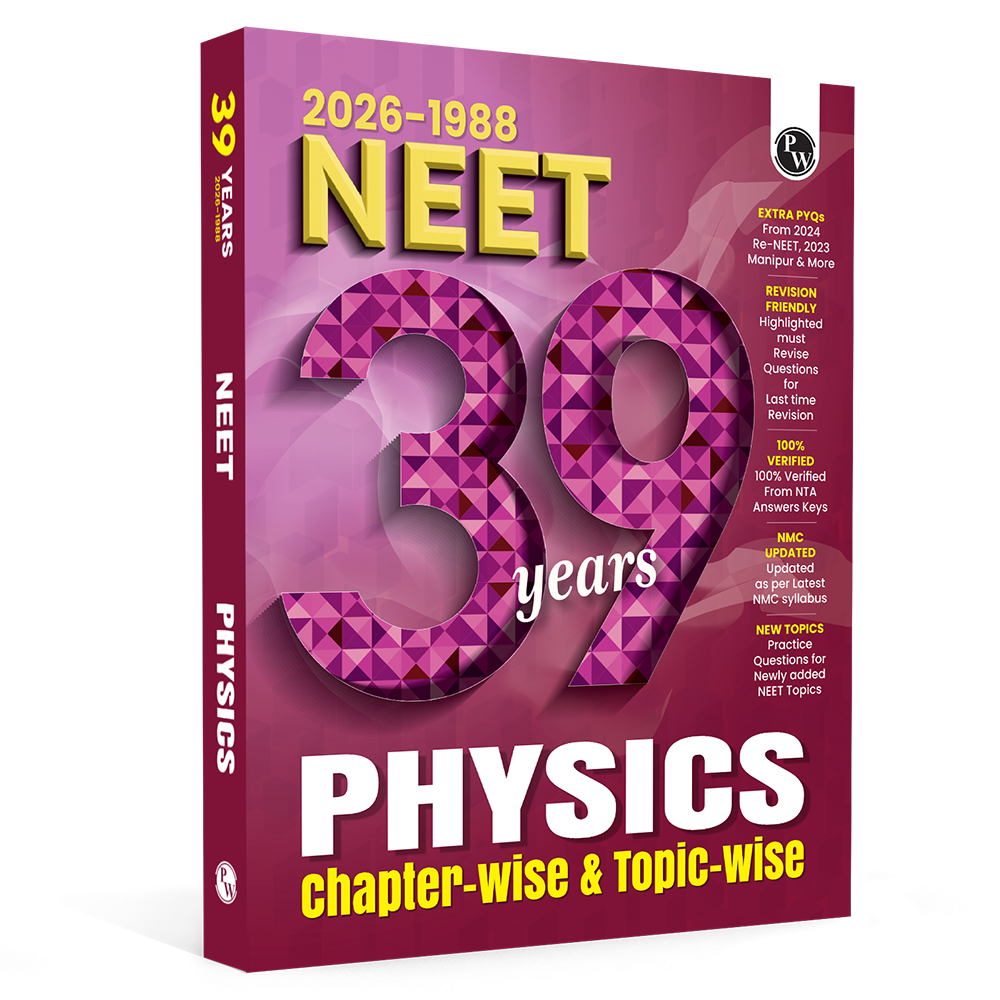
PW NEET Physics PYQ book for NEET 2027 covers 39 years of chapterwise and topicwise PYQs (1988–2026), including Re-NEET and state questions, detailed solutions, and must-revise questions.
How to Start Solving NEET 2027 Physics Numericals Without Getting Stuck
Getting stuck on a tough numerical is a common hurdle, but it can be overcome with a disciplined strategy. Students often stumble because they dive into calculations without clearly writing down the given variables. Variable extraction requires noting down given values and unknowns before starting any calculation.
-
Graded practice allows students to move from elementary numericals to advanced conceptual problems gradually.
-
Error tracking involves logging every miscalculation to prevent repeating the same mistake in subsequent tests.
-
Alternative method reviews help clarify why a particular approach failed during initial attempts.
-
Sentence-by-sentence breakdown transforms overwhelming problem statements into manageable logical components.
-
Analytical thinking exercises build the mental agility required for multi-step physics problems.
How to Use Formulas and Concepts in NEET 2027 Physics Questions
Formulas form the backbone of every successful calculation, yet memorising them blindly rarely yields results. Students must understand the physical derivation and condition of applicability for every equation they encounter. Incorporating physics NCERT picks for chapter revision ensures that foundational concepts remain crystal clear.
Conceptual derivation ensures students understand where each formula originates rather than relying purely on rote memorisation.
-
Dimensional consistency helps verify units and dimensions to catch calculation errors instantly.
-
Consolidated sheets provide a concise formula register for rapid weekly revisions.
-
Historical exam trends help identify frequently tested concepts and recurring numerical profiles.
-
Real-world connections make abstract mathematical relations easier to remember during exams.
-
Condition mapping ensures students apply specific equations only when physical boundaries permit.
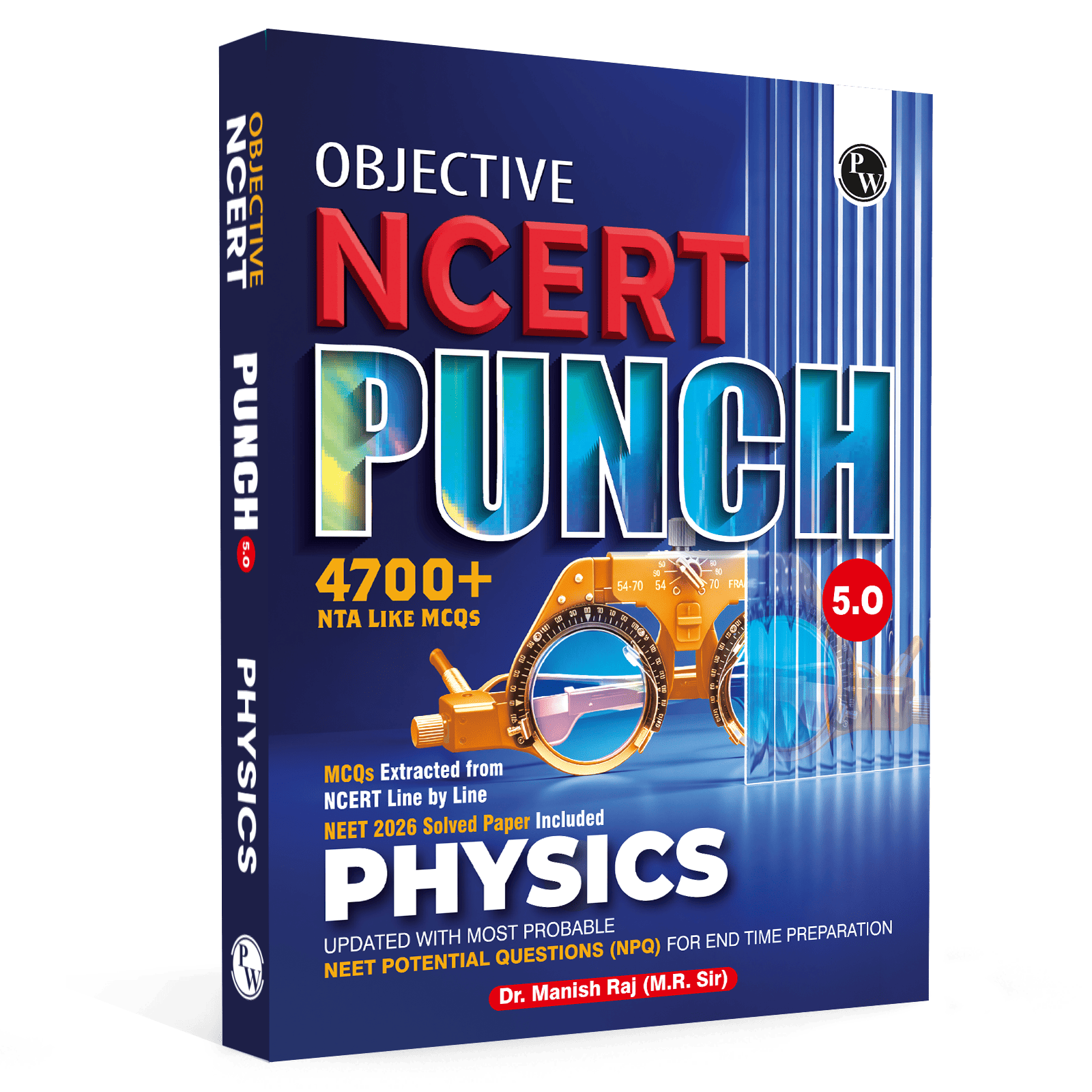
PW Objective NCERT Punch 5.0 Physics for NEET 2027 by Dr. Manish Raj (MR Sir) features NCERT-based questions and most probable NEET Potential Questions (NPQs) for focused practice, revision, and end-time preparation.
Study Strategy Plan for NEET 2027 Physics Numerical Practice
A well-defined study plan transforms chaotic preparation into a streamlined journey towards high scores. Structured resources provide a comprehensive study plan covering the entire syllabus with questions categorized into different difficulty levels. Balanced daily routines allocate separate hours for theory revision and numerical problem-solving.
-
Trend analysis reviews previous year papers to identify high-weightage topics and recurring question types.
-
Mock simulation practices under strict time limits to build robust exam temperament.
-
Milestone setting helps maintain momentum without causing burnout during long study hours.
-
Performance tracking helps identify weak chapters long before official test dates arrive.
-
Time-bound revision sessions ensure steady adaptation to strict exam conditions.
Common Mistakes to Avoid While Practising NEET 2027 Physics
Avoiding typical pitfalls during preparation saves crucial hours and prevents negative marking. Many candidates rush through calculations without verifying unit conversions or dimensional consistency, leading to avoidable errors. Relying solely on passive reading without solving adequate practice problems leaves conceptual gaps unaddressed.
-
Skipping unit conversions during intermediate calculation steps leads to incorrect final answers.
-
Relying exclusively on passive reading without active problem-solving leaves deep conceptual gaps.
-
Ignoring previous year question trends causes students to miss high-weightage topics.
-
Failing to log and review test errors allows recurring mistakes to persist in final evaluations.
-
Rushing through complex calculations increases the likelihood of silly mathematical blunders.
-
Neglecting regular formula revisions weakens retention over long preparation cycles.
Read More - NEET Physics Formulas With Explanation
Practice Plan for NEET 2027 Physics Numericals
Implementing a consistent daily practice schedule solidifies conceptual understanding and boosts confidence. Allocating specific time blocks for solving diverse questions ensures balanced coverage of mechanics, electronics, and electrostatics.
-
Daily scheduling ensures consistent exposure to NEET physics numericals without feeling overwhelmed.
-
Balanced topic allocation covers mechanics, electronics, and electrostatics systematically.
-
Milestone tracking maintains steady progress across the entire two-year study timeline.
-
Solved example reviews establish reliable frameworks before attempting independent practice.
-
Timed self-assessments build mental resilience for high-pressure examination environments.
-
Regular revision windows prevent knowledge decay across previously mastered physics modules.
NEET Physics Numerical Preparation FAQs
What makes a book effective for NEET 2027 physics preparation?
The best books comprehensively cover the syllabus, covering all essential topics and concepts while providing accurate and up-to-date content curated by subject-matter experts.
How do study materials assist in achieving a high score in NEET physics numericals?
They offer in-depth explanations of concepts and structured practice questions, aiding students in understanding the subject thoroughly and managing exam time efficiently.
What types of questions do comprehensive NEET physics practice guides typically include?
They include level-categorized practice questions, assertion-reason statements, matching types, and previous years' papers with detailed solutions to help students understand exam trends.
Why is time-bound practice essential for NEET physics questions?
Practicing questions in a time-bound manner helps enhance speed and accuracy, reducing anxiety and building confidence for the actual exam environment.
How can students avoid getting stuck on difficult problems in a NEET physics question bank?
Students can overcome blocks by breaking down problem statements, understanding formula applications thoroughly, and reviewing detailed solutions from reliable practice resources.