How to Use NEET PYQs During the First Revision?

Stepping into your first revision cycle without feeling overwhelmed by the sheer volume of topics left to cover. Reading through textbook chapters again can feel unproductive when you do not know how concepts will appear on the actual exam paper.
This is where solving a reliable NEET PYQ collection becomes essential. Integrating past questions into your post-mid-term review bridges the gap between understanding basic theory and solving complex, timed questions. It grounds your preparation in real data, keeping your focus aligned with actual test patterns.
Importance of NEET PYQ
Entering the post-mid-term phase means your focus must shift from basic syllabus completion to test performance. Practicing authentic past papers ensures that your study hours yield measurable score improvements.
-
Understanding Exam Trends: Solving real questions reveals exact examiners' preferences and recurring question formats.
-
Real-time Assessment: Attempting past paper sets offers an immediate, objective evaluation of how well you retain theoretical concepts.
-
Targeted Practice: Working directly with NEET PYQs keeps your attention on high-yield topics rather than spending endless hours on low-weightage chapters.
-
Curriculum Alignment: Engaging with genuine NEET previous year questions ensures your preparation strictly adheres to current NTA guidelines.
Why Use NEET PYQ During the First Revision?
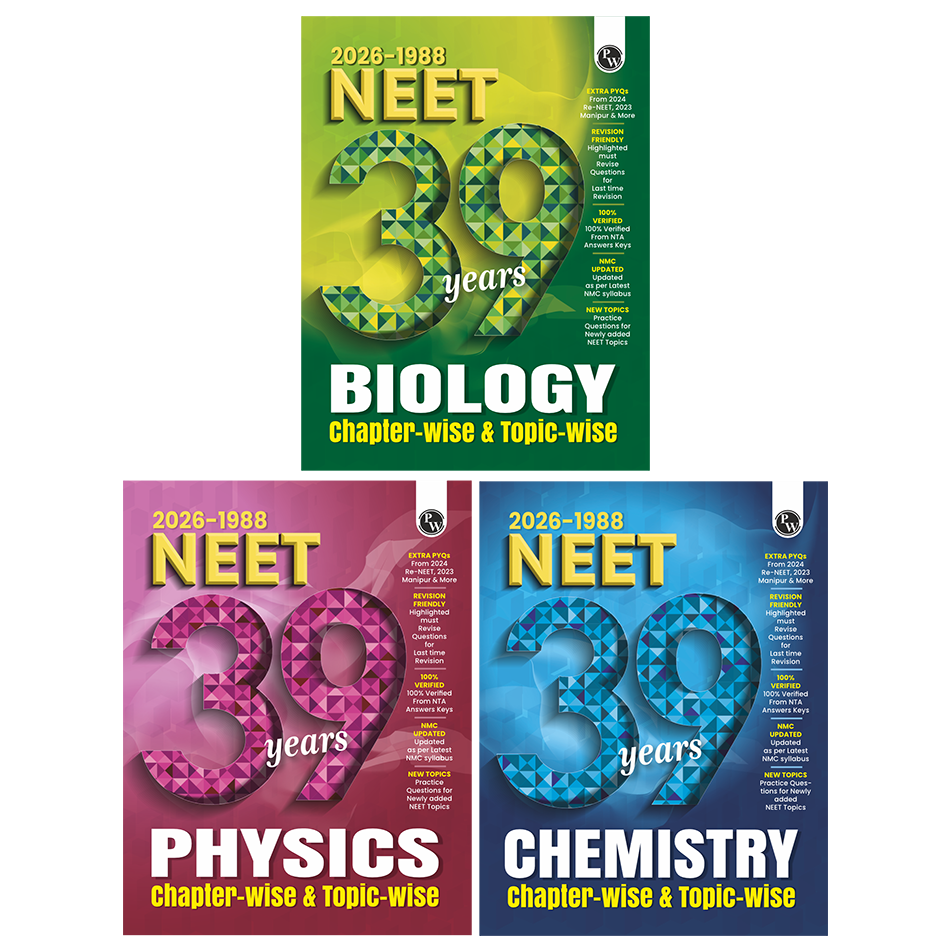
Your mid-term results likely highlighted a common student dilemma: understanding a topic during class does not always translate into answering questions accurately under exam conditions. Using 39 year NEET previous year questions during your first revision fixes this issue immediately.
-
Focused Learning: Targeted practice prevents passive reading, ensuring every study session directly improves your problem-solving ability.
-
Instant Error Identification: Attempting questions right after reviewing notes uncovers conceptual misunderstandings before they turn into permanent habits.
-
Enhanced Recall: Active problem-solving strengthens memory retention far better than simply re-reading highlighted notes.
Establishing a structured first revision NEET schedule right after mid-terms keeps your momentum strong and prevents pre-exam panic later in the session.
What are the Topics Covered in NEET PYQ?
A comprehensive past paper resource covers the complete medical entrance syllabus, dividing questions systematically across subjects to make your review structured and manageable.
|
Subject Area |
Syllabus Coverage Details |
Strategic Value |
|
Physics |
Mechanics, Electrodynamics, Modern Physics, and Optics across Class 11 and 12. |
Builds numerical solving speed and reinforces fundamental formula applications. |
|
Chemistry |
Physical, Organic, and Inorganic Chemistry modules. |
Helps master reaction mechanisms, trend predictions, and numerical calculations. |
|
Biology |
Botany and Zoology units aligned with standard curriculum frameworks. |
Improves factual recall precision and strengthens diagrammatic concept clarity. |
How to Start Solving NEET PYQ Chapter by Chapter?
Attempting past papers without a clear system can lead to confusion. A chapter-by-chapter strategy breaks the vast syllabus into daily, achievable targets.
-
Review Notes First: Revisit your concise class notes to refresh basic definitions, formulas, and diagrams before touching questions.
-
Attempt Chapter-Wise Sets: Solve past paper sets systematically, utilizing compilations that offer up to 39 years of past exam questions.
-
Verify with Solutions: Check your working against detailed, step-by-step solutions to understand where your logic deviated.
-
Mark Tricky Questions: Highlight problems that took extra time or resulted in mistakes so you can re-attempt them during subsequent reviews.
Adopting a disciplined NEET study plan ensures that every chapter receives thorough evaluation without leaving gaps in your preparation.
Practice Sheet of NEET PYQ for First Revision
Use a simple revision log like the one below to monitor your daily problem-solving progress and track accuracy rates as you move past your mid-terms:
|
Chapter Name |
Target Questions |
Correct Answers |
Needs Review |
Practical Strategy |
|
Cell: Unit of Life |
40 Questions |
34 |
6 |
Revisit organelle structure functions. |
|
Chemical Bonding |
35 Questions |
26 |
9 |
Practice molecular orbital theory questions. |
|
Work, Energy & Power |
30 Questions |
21 |
9 |
Focus on work-energy theorem numericals. |
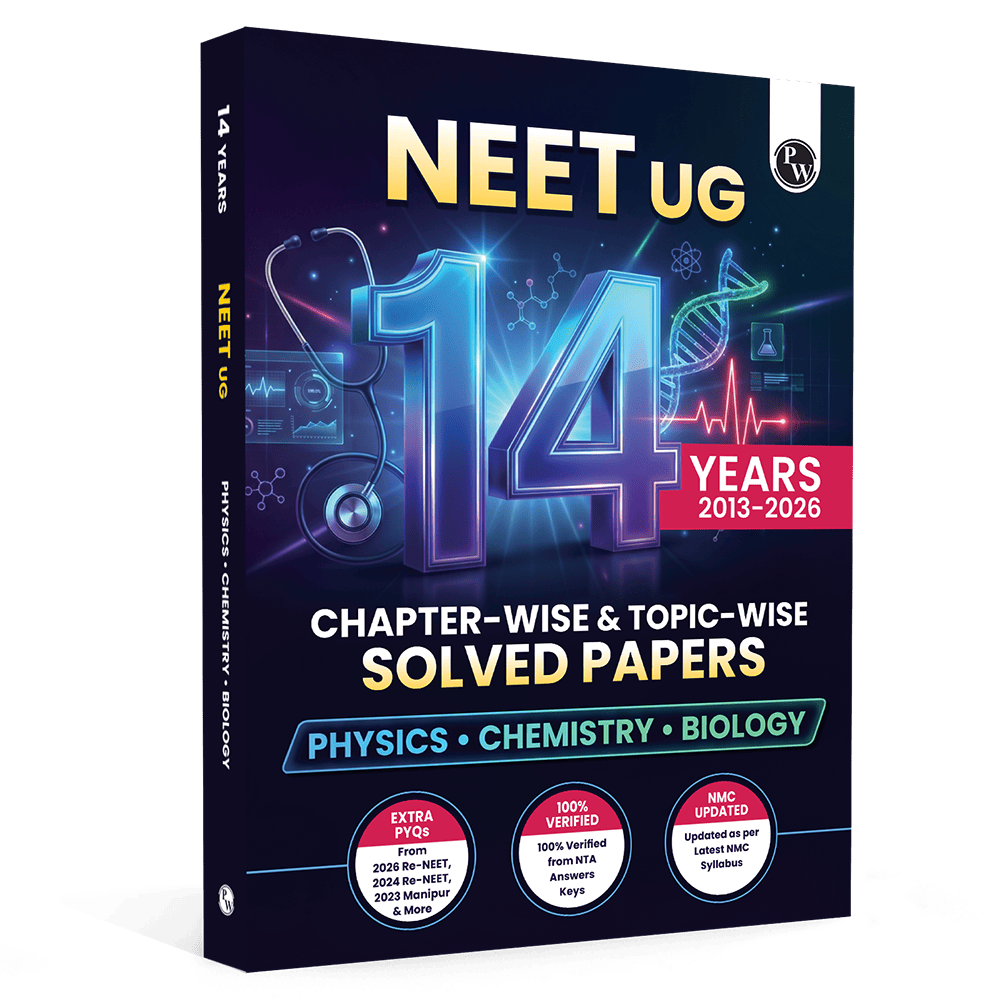
Incorporating structured NEET practice questions into this log turns abstract study time into measurable daily progress. Using the NEET 14 Years PYQ Chapterwise & Topicwise Book alongside your routine can help you practise authentic exam questions, identify weak areas, and track improvement systematically.
Tips to Improve Accuracy Using NEET PYQ
Accuracy determines your final rank. Mitigating negative marking requires deliberate practice techniques during your daily problem-solving sessions.
-
Examine Complete Solutions: Always read verified solution steps, even for questions you answered correctly, to discover faster solving approaches.
-
Bookmark Challenging Items: Maintain a system to tag tough questions for quick reference during final exam preparation.
-
Align with Syllabus Changes: Make sure your practice reflects both old formats and recent syllabus adjustments so your time is spent efficiently.
-
Consistent Question Practice: Strengthen conceptual clarity through repeated exposure to recurring past paper question types.
A well-structured PYQ revision routine refines your time management while reducing simple calculation errors. Using NEET Books alongside regular PYQ practice can further strengthen concepts, provide chapter-wise revision support, and improve accuracy and exam readiness.
Common Mistakes to Avoid While Solving NEET PYQ
Many students waste valuable study hours due to inefficient practice habits. Recognizing these pitfalls early helps you avoid them during your revision.
-
Memorising Option Keys: Learning answers by heart without understanding the step-by-step solution logic renders practice useless when question variables change.
-
Skipping Detailed Analysis: Marking a question as wrong without understanding why the error occurred guarantees you will repeat the same mistake.
-
Delaying Question Practice: Postponing past paper practice until the final months creates overwhelming pressure and limits your time for error correction.
-
Ignoring Current Syllabus Frameworks: Practicing topics that have been removed from the current curriculum wastes energy that could be spent on high-yield chapters.
Read More: NEET Handwritten Revision Notes PDF with Solutions
NEET PYQ FAQs
When is the ideal time to start solving past paper sets?
You should begin practicing past paper sets immediately after finishing your mid-term exams as you start your first structured chapter revision.
How many years of past papers should I practice during revision?
Practicing around 38 to 39 years of past questions ensures complete coverage of question formats, exam trends, and core concepts.
Are past exam questions enough to secure a top score?
Past paper practice builds exceptional concept clarity and familiarises you with test trends, but it should be combined with thorough textbook study and mock tests.
How do step-by-step solutions improve revision efficiency?
Fully solved, reliable answer keys help you identify exact logic mistakes instantly, saving study time and boosting accuracy.
Who benefits most from a chapter-wise past paper strategy?
Class 11 and 12 students post-mid-terms, droppers aiming for score jumps, and any aspirant focusing on smart, trend-based revision benefit significantly.