What is a NEET Test Series and Why the Offline Booklet Format is Still Relevant

Aspiring medical students often struggle to translate their conceptual knowledge into a high score on exam day. Many candidates master their textbooks but face severe anxiety or fail to manage time when confronted with the actual test environment. This is exactly where a NEET test series becomes the most vital tool in an aspirant's preparation strategy. While digital resources are highly popular today, practicing with a dedicated test series for NEET in a physical booklet format bridges the critical gap between passive studying and active exam day execution. Prepare for NEET Exam 2027 with NEET Books designed to strengthen concepts, improve problem-solving skills, and support effective exam preparation.
What is a NEET Test Series?
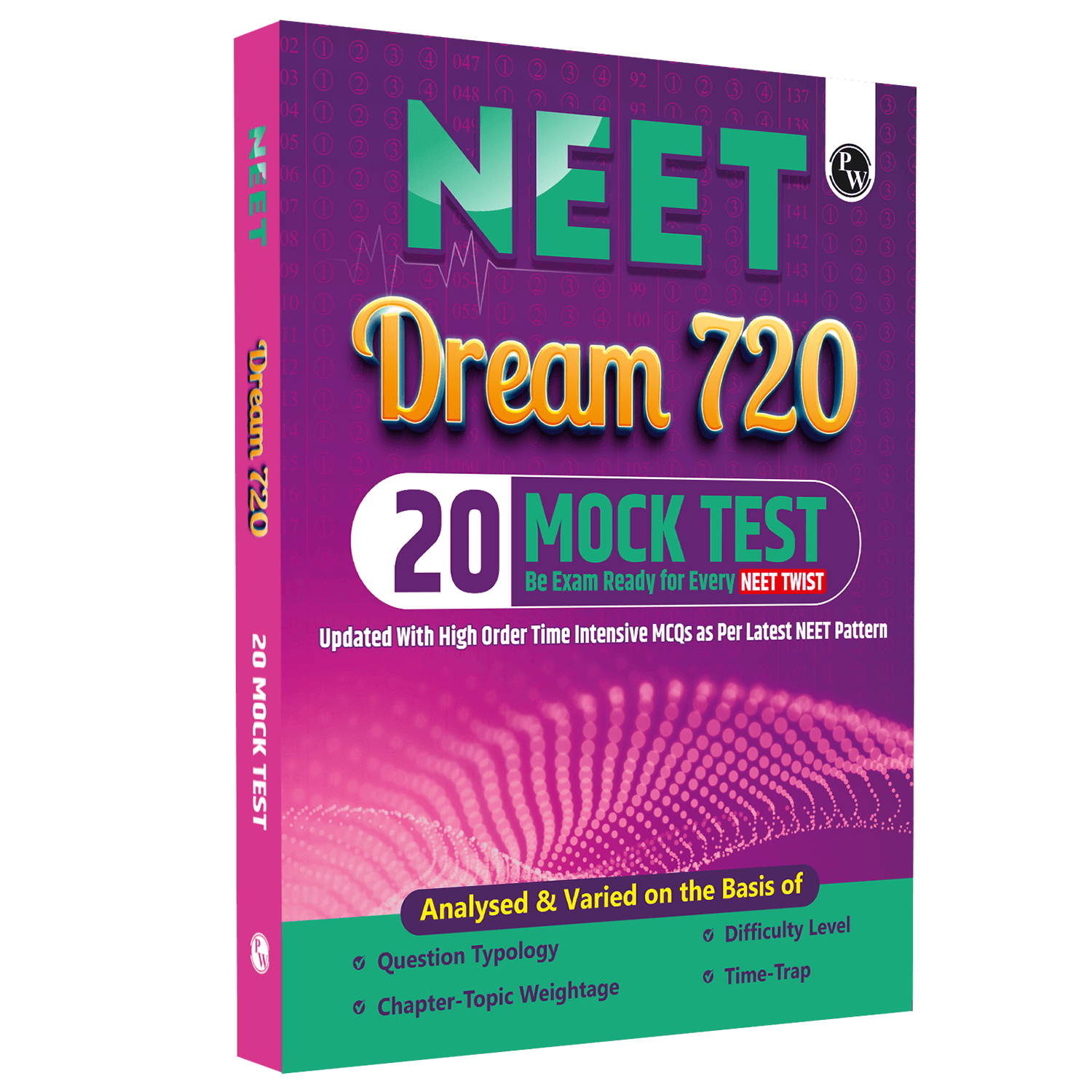
It is a structured program of mock exams designed strictly according to the latest syllabus and guidelines prescribed by the National Testing Agency. It provides students with a simulated competitive environment to test their knowledge across Physics, Chemistry, and Biology. These series are curated by expert faculties who ensure a balanced mix of easy, moderate, and high-order time-intensive questions.
A good sample programme can help the candidate to begin with simple chapter-wise tracking and then go on to complete syllabus testing. For students wishing to join elite medical colleges, these assessments serve as a constant feedback loop to keep track of their progress during months of rigorous training.
Importance of Offline Booklet Format for NEET 2026
National Eligibility cum Entrance Test still remains a classic pen and paper exam. So, just studying on a laptop or smartphone screen might provide an illusion of security. There are several practical reasons why it is very vital to engage with a physical test series book.
Pen-and-Paper Exam
The actual exam does not happen on a digital screen. Sitting continuously for over three hours, physically turning paper pages, and managing rough work in margins are specific physical actions that require muscle memory. Practicing with a NEET mock test 2026 booklet trains your eyes and hands to handle the physical layout of the final paper without feeling disoriented.
OMR Sheet
Marking answers on a sheet is checked by an optical machine, leaving absolutely zero margin for human error. A single marking error or filling the wrong circle can lead to unnecessary loss of marks. Regular NEET OMR practice helps students improve accuracy and minimise such mistakes during the actual exam.
Benefits of Practicing with an Offline NEET Test Series
Utilising a dedicated offline NEET test series offers multiple advantages that go far beyond regular home study. It acts as a full-scale dress rehearsal for the major exam day.
Reducing Exam Anxiety and Nervousness
Many well-prepared students fear during the first hours of a major examination. Their hands shake and they often forget formulas they know well. Working through physical practice test booklets, in a quiet, timed setting, on a regular basis, makes the feeling of pressure feel natural. On the D-day, the student thinks of the paper as just another normal paper.
Improves Time Allocation Across Subjects
A lot of times, it’s the difference between a selection and a drop. The practical pamphlet teaches students how to carefully budget their fixed hours on subjects. Candidates learn to read the paper quickly, start with the easy Biology problems to save time and conserve maximum energy for intense computations in Physics and Chemistry.
NEET Test Series Features
When selecting an ideal preparation resource, such as the NEET test series 2026 editions available on the educational platforms, students must verify that the content meets strict academic standards.
Complete Alignment with NCERT Core Textbooks
The core of the medical entrance paper is deeply rooted in Class 11 and Class 12 NCERT volumes. A reliable mock test must feature questions heavily referenced from these textbooks while matching the modern difficulty standards set by the NTA.
Self-Explanatory Solutions and Performance Trackers
Simply solving questions is not enough. The mock resource must include detailed, step-by-step written solutions. This allows independent learners to identify their weak spots, understand why a specific option was correct, and avoid making identical errors in subsequent tests.
How to Improve Your Score Using NEET Test Series
To get the highest return on investment from a physical test booklet, students should adopt a strict, disciplined strategy during their practice sessions.
-
Replicate True Exam Conditions: Find a completely quiet room, close all doors, set a countdown timer for exactly 3 hours and 20 minutes, and do not get up for water breaks.
-
Analyse Mistakes Immediately: Spend at least two hours reviewing the answer keys after every test. Separate your errors into silly conceptual mistakes, calculation slips, or poor time management.
-
Revise Your Weak Topics: Use the detailed solution booklet to revisit the exact textbook paragraphs where you dropped marks before attempting the next paper in the sequence.
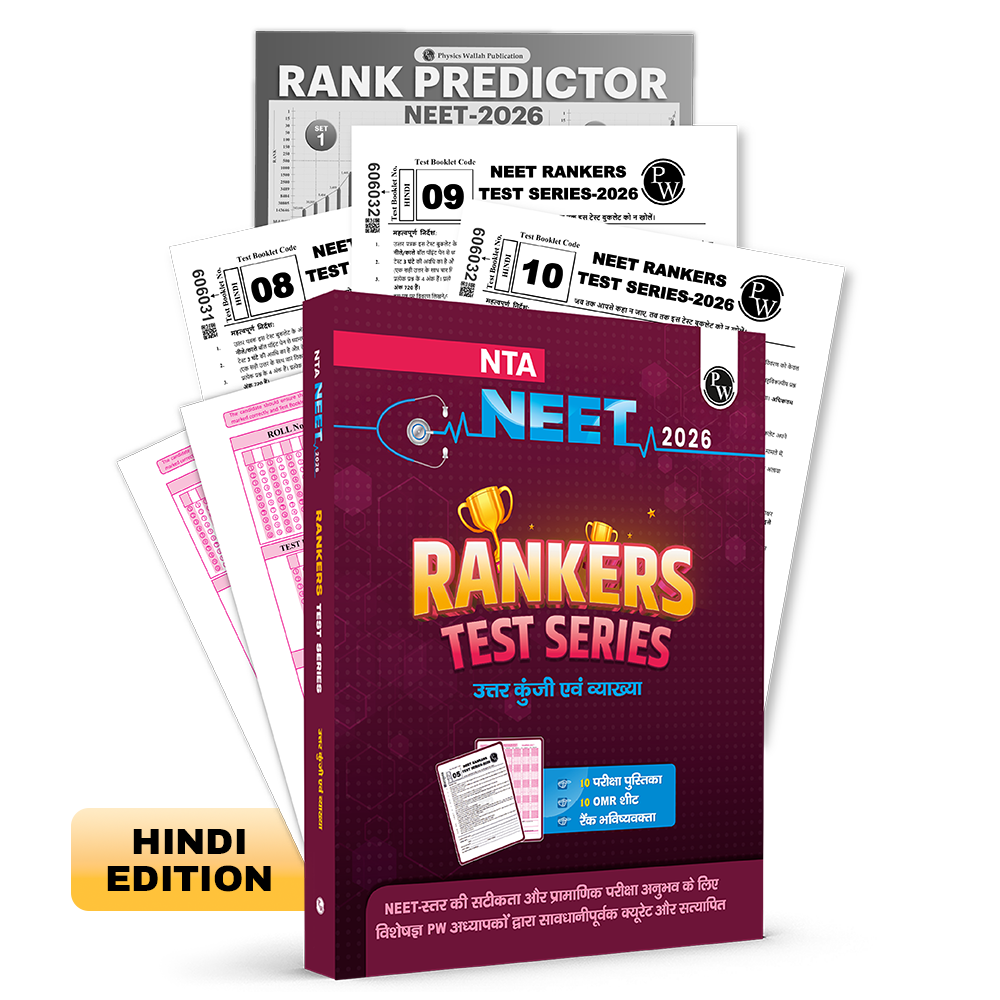
For more structured mock practice and exam-like preparation, students can also refer to the NEET Rankers Test Series 2026 to improve accuracy, performance tracking, and confidence.
How a Test Series Helps Identify Weak Areas
One of the biggest advantages of a test series is its ability to highlight areas that require additional attention. Many students believe they have mastered a topic after reading the theory, but mock tests often reveal hidden conceptual gaps and recurring mistakes. By attempting regular tests, aspirants can gain a clear understanding of their strengths and weaknesses across Physics, Chemistry, and Biology.
A well-designed test series provides detailed performance analysis, allowing students to identify topics where they consistently lose marks. For example, a candidate may perform well in Biology but struggle with numerical questions in Physics or organic reaction mechanisms in Chemistry. Recognising these patterns early helps students focus their revision efforts more effectively.
Regular testing also helps uncover non-academic issues such as poor time management, careless errors, and difficulty handling lengthy questions. Instead of spending equal time on every chapter, students can prioritise weaker areas and create a targeted improvement plan. Along with mock tests, practising with NEET Previous Year Papers helps students understand the actual exam pattern, identify frequently asked topics, and improve question-solving strategies.
Over time, this focused approach leads to stronger conceptual understanding, better accuracy, and improved overall performance. By continuously identifying and working on weak areas, aspirants can steadily increase their scores and approach the actual exam with greater confidence and preparation.
Read More: How PW NEET Modules Help You Improve Your Rank
NEET Test Series FAQs
What is included inside a standard NEET test series book?
A high-quality book contains full-syllabus and part-syllabus mock papers created according to the latest NTA guidelines. It also includes authentic OMR sheets, rank predictors, and step-by-step solution booklets with direct NCERT references for error analysis.
Why is an offline test series better than a purely online one?
Since the official medical entrance exam is a pen-and-paper test, an offline series is superior because it forces you to practice physical page-turning and manual OMR bubbling, which cannot be simulated on an online screen.
How does the NEET mock test help in reducing negative marks?
It provides continuous practice on physical sheets, teaching you exactly when to skip highly uncertain questions and how to fill the answer bubbles accurately without making alignment errors.
Can a dropper student benefit from the NEET test series 2026 booklets?
Yes, droppers can benefit immensely. It provides a structured revision schedule, highlights hidden knowledge gaps from previous attempts, and builds the essential speed and accuracy needed to cross the high cutoff marks.
How frequently should I solve papers from the NTA test series?
During the initial phases of preparation, solving one part-syllabus test every two weeks is ideal. As the main exam approaches, you should scale up to solving two to three full-length offline mock papers every single week.