RRB NTPC Daily Study Plan for Working Students

Balancing a full-time job with exam preparation can be difficult. A clear RRB NTPC daily study plan can help working students use their limited study time in a better way. Instead of spending time deciding what to study each day, candidates can follow fixed study slots for Maths, Reasoning, General Awareness, revision, and tests.
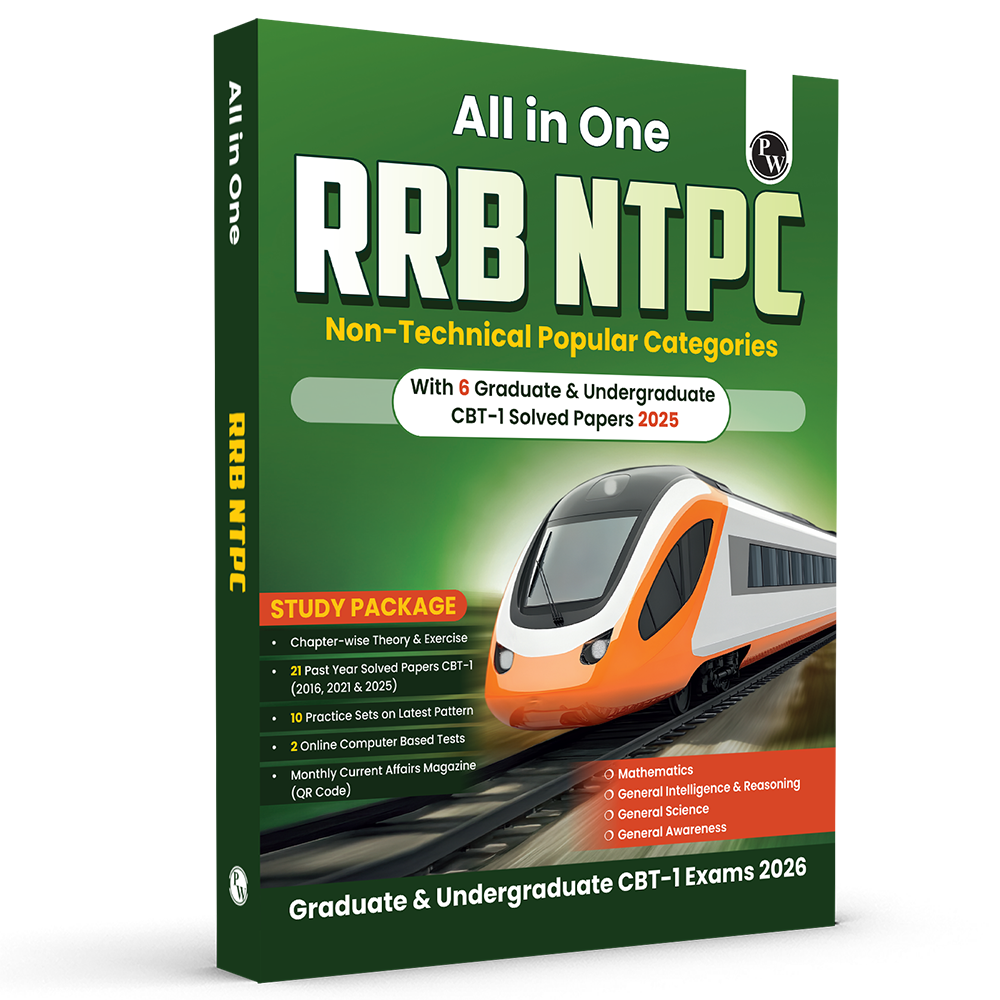
A good RRB NTPC study schedule should also include breaks and rest so that preparation remains consistent. Using organised resources such as the All-In-One RRB NTPC CBT-1 Exam book can make this process easier by bringing theory, previous year papers, practice sets, and current affairs into one place.
Overview of RRB NTPC Daily Study Plan
Before making a timetable, understand the CBT-1 structure. As per the current RRB NTPC notification, CBT-1 has 100 questions to be attempted in 90 minutes. The paper includes General Awareness, Mathematics, and General Intelligence and Reasoning. The indicative distribution is 40 questions for General Awareness, 30 for Mathematics, and 30 for Reasoning. There is also a negative marking of one-third of a mark for each wrong answer.
This pattern can help you decide how much practice each subject needs.
-
General Awareness: 40 questions
-
Mathematics: 30 questions
-
General Intelligence and Reasoning: 30 questions
-
Total: 100 questions
-
Time: 90 minutes
-
Negative Marking: One-third mark for each incorrect answer
The section-wise distribution is indicative, so candidates should always check the latest official RRB notification before the exam.
Features of RRB NTPC Daily Study Plan Book
A structured RRB book can save time by keeping learning and practice material together. The All-In-One RRB NTPC CBT-1 Exam book includes resources for the main CBT-1 subjects.
-
Study the Full CBT-1 Syllabus: Cover Mathematics, General Intelligence & Reasoning, and General Awareness with chapter-wise theory, formulas, short tricks, and practice exercises.
-
21 Solved RRB NTPC Papers: Practise 21 Previous Year Question Papers (PYQs) with solutions to understand the types of questions asked earlier.
-
2 Online CBTs for Exam Practice: Take two online Computer-Based Tests to practise time management and exam-style solving.
-
10 Complete Practice Sets: Solve full-length practice papers to check your preparation and improve speed.
-
Answers With Clear Explanations: Use step-by-step solutions to understand mistakes instead of checking only the final answer.
-
Monthly Current Affairs via QR Code: Access Current Affairs, Railway GK, Static GK, Government Schemes, Awards, Sports, National & International Events, and other useful Railway exam topics.
These features can be used at different stages of your preparation. PYQs can help you understand past questions, while practice sets and online tests can help you check your progress.
How Should Be the RRB NTPC Daily Study Plan for Working Professionals
A working candidate may have only a few free hours on weekdays. Instead of trying to copy the timetable of a full-time student, create a routine that matches your job schedule.
For example, you can divide your weekday preparation into two focused sessions.
-
Morning Slot: Spend 60–90 minutes on Maths or Reasoning when your mind is fresh.
-
Evening Slot: Use 60–90 minutes for General Awareness, current affairs, or revision.
-
Short Breaks: Use lunch or travel time for current affairs, formulas, or short quizzes where practical.
-
Weekend Blocks: Use longer weekend sessions for mock tests, RRB PYQs, and detailed revision.
Even two focused hours can be useful when followed regularly. The main goal is to avoid long gaps in preparation.
How Should Be the RRB NTPC Daily Study Plan for Weekday Preparation
Your weekday routine should focus on small but regular targets. Trying to complete several chapters after a tiring workday can reduce concentration.
A better RRB NTPC preparation strategy is to select one or two clear tasks for each session.
-
Revise One Maths Topic: Choose one topic such as percentage, ratio, profit and loss, or time and work.
-
Practise Reasoning Daily: Solve a short set of reasoning questions to keep your speed consistent.
-
Read General Awareness: Revise a small portion of static GK or current affairs every day.
-
Make Short Notes: Write important formulas, facts, and mistakes in one notebook.
-
Use Daily Quizzes: Solve short quizzes when you have limited time.
Try to measure your progress by questions solved and mistakes reduced, rather than only by study hours.
How Should Be the RRB NTPC Daily Study Plan for Weekend Preparation
Weekends give working students more time for deeper preparation. Your RRB NTPC study schedule can use this time for activities that are difficult to complete during busy weekdays.
A simple weekend routine can include:
-
Full-Length Mock Test: Take a timed CBT-1 mock test.
-
Error Analysis: Check every wrong and doubtful question after the test.
-
Weak Topic Revision: Return to topics where your accuracy is low.
-
General Awareness Revision: Cover static GK and current affairs in longer study blocks.
-
Weekly Review: Revise formulas, notes, and questions studied during the week.
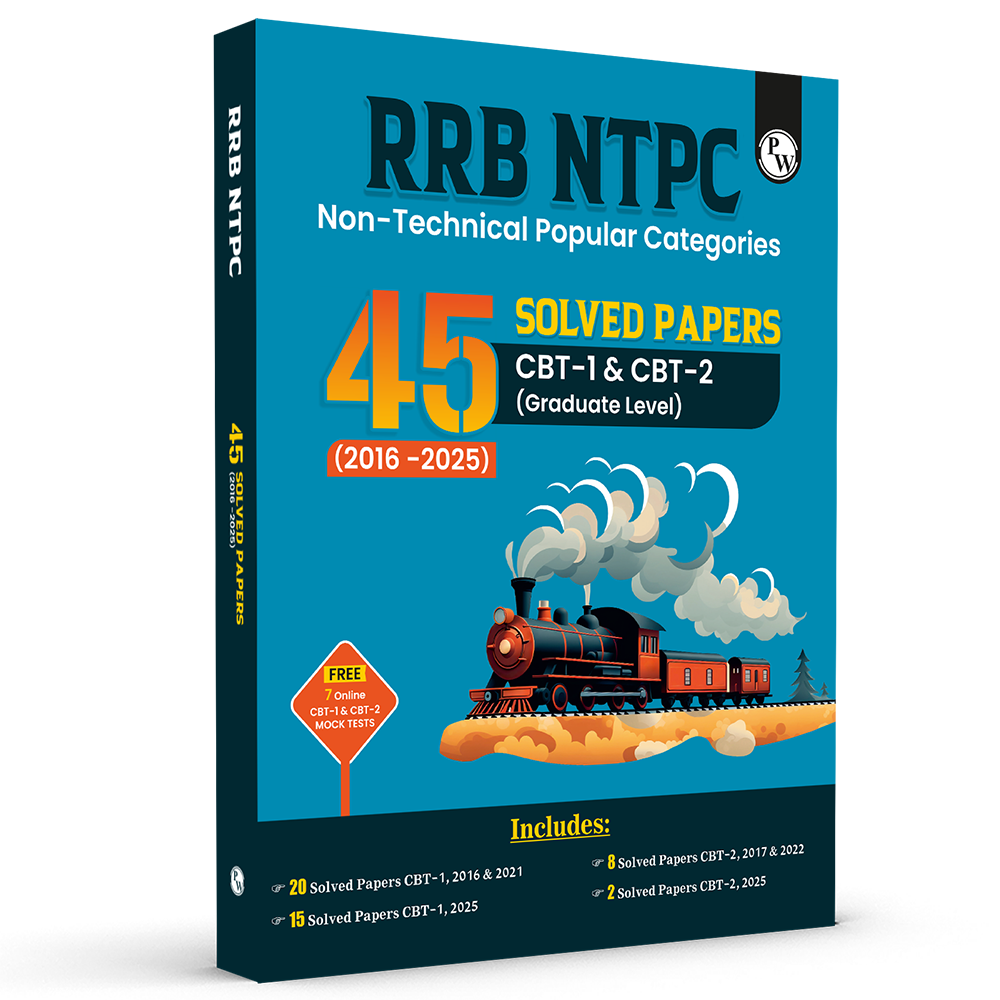
Do not spend the entire weekend only taking tests. Test analysis is equally important because it shows where you are losing marks. Practising RRB NTPC Previous Year Solved Papers and reviewing your answers can help you identify weak areas, understand the correct solutions, and improve your accuracy and time management.
How to Make RRB NTPC Daily Study Plan With Previous Year Questions
Previous year questions should be a regular part of your preparation. They help you understand how concepts are turned into exam questions.
Start with topic-wise PYQs after learning a chapter. Once you become comfortable, solve mixed sets without checking the topic name first.
While reviewing PYQs, note:
-
Questions you answered incorrectly
-
Questions that took too much time
-
Formulas you forgot
-
Question types that feel unfamiliar
-
Topics where accuracy is low
Repeat difficult questions after a few days. This can help you check whether you actually understood the method.
How to Make RRB NTPC Daily Study Plan With Study Resources
Good RRB study material can make preparation more organised. Instead of using many books at the same time, choose a limited set of reliable resources and use them properly.
-
All-In-One Guides: Resources such as the All-In-One RRB NTPC CBT-1 Exam book can combine theory, PYQs, and practice.
-
Previous Year Questions: Use solved papers to understand past question types.
-
Concept Revision: Study the basic method before trying shortcuts.
-
Practice Sets: Use timed sets to improve speed and accuracy.
-
Current Affairs: Revise monthly current affairs regularly instead of collecting large amounts of information at the last moment.
What is the RRB NTPC Daily Study Plan to Avoid Burnout
Working candidates may feel pressure to study late every night. However, a plan that is too difficult to follow may not work for long.
Keep your routine realistic. Take short breaks between study sessions and maintain proper sleep. If you miss one study session because of work, continue with the next planned session instead of giving up on the whole timetable.
You can also keep one lighter study day each week for revision and current affairs. This gives you time to recover while still staying connected with your preparation.
Read More: RRB NTPC Syllabus for CBT 1 and CBT 2 Exam
RRB NTPC Study Plan FAQs
How many hours should working students dedicate daily for RRB NTPC preparation?
There is no fixed number of hours for every working student. Two to three focused hours on weekdays can be useful if you study regularly, while weekends can be used for longer practice sessions. Your available time should decide the final schedule.
Can I clear RRB NTPC CBT-1 while working a 9-to-5 job?
Yes, working candidates can prepare for RRB NTPC by following a realistic routine. Focus on regular study, PYQs, mock tests, and revision instead of trying to study for very long hours every day.
What is the best way to cover General Awareness for RRB NTPC?
Revise current affairs regularly and combine them with static GK, history, geography, science, polity, and other relevant topics. Use short notes and monthly revision to avoid forgetting older information.
How should I structure my RRB NTPC study schedule on weekends?
Use weekends for one or more timed tests, detailed error analysis, weak-topic revision, PYQs, and General Awareness. Keep some time for weekly revision so that weekday learning is not forgotten.
Where can I find reliable study material for RRB NTPC preparation?
You can use official RRB notifications for exam information and reliable preparation books for practice. An organised resource such as the All-In-One RRB NTPC CBT-1 Exam can provide theory, solved papers, practice sets, online CBTs, and current affairs in one place.