10 Exam Preparation Tips Using CBSE Class 10 PYQs

Preparing for board exams often feels like navigating a maze without a map. Many students spend hours reading textbooks, but still feel anxious when facing a blank answer sheet. This stress usually stems from not knowing what to expect.
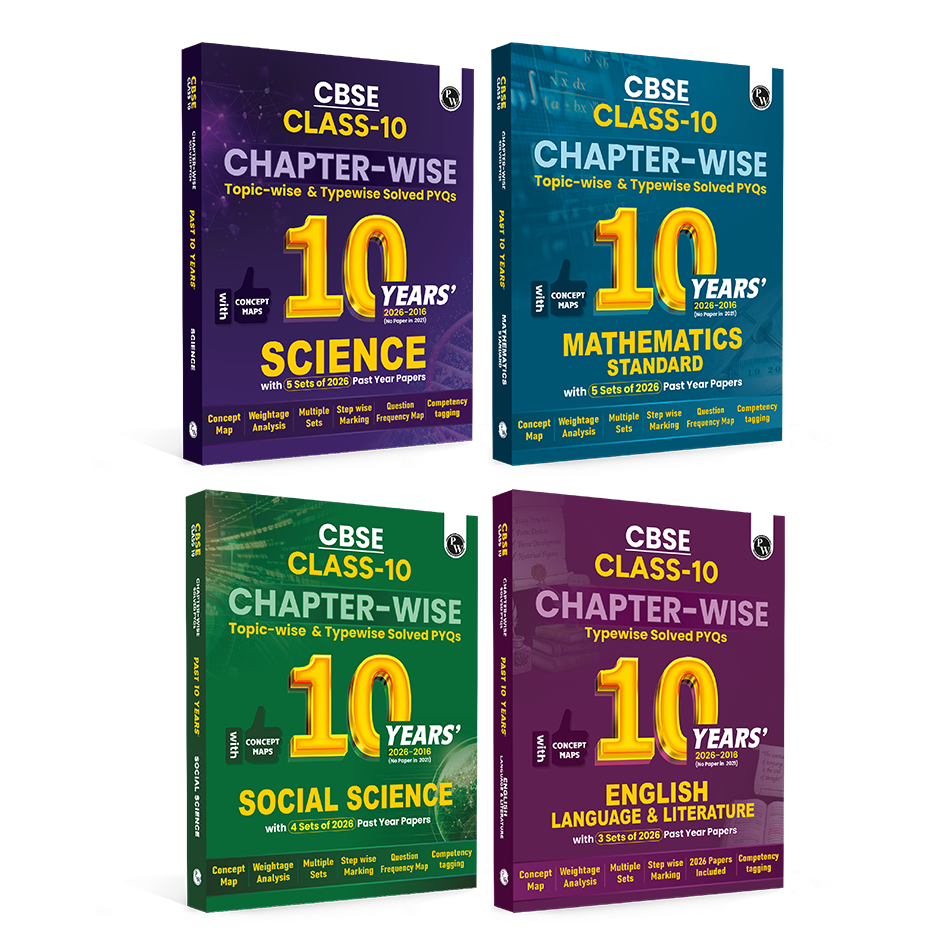
The most effective way to bridge this gap is by practising with a CBSE Class 10 PYQ. By focusing on real exam questions, you move beyond simple rote learning and begin to understand the practical application of concepts.
Importance of Solving CBSE Class 10 PYQ
The board exam is not just a test of your knowledge; it is a test of your strategy. Using a CBSE class 10 PYQ allows you to see the exam through the eyes of the examiner. You begin to notice which chapters carry the most weight and which topics are the favourites of the paper setters.
When you solve the PYQ sets, you familiarise yourself with the language of the questions. Sometimes, a simple concept is phrased in a complex way. Regular practice ensures you are not caught off guard by tricky wording. Furthermore, it helps in identifying your weak areas before it is too late to fix them.
Best Tips for Using CBSE Class 10 PYQ
Previous year questions are more than just practice papers. They help you understand exam patterns, recurring concepts, and answer-writing expectations. By using CBSE Class 10 PYQ Book strategically throughout your preparation, you can improve accuracy, confidence, and time management for the board exams.
-
Start with Chapter-Wise Analysis
Do not wait until you finish the entire syllabus to look at past papers. The best approach is to solve questions right after completing a chapter. This reinforces what you have just learned and shows you how that specific topic appears in the exam.
If you have just finished a topic like Chemical Reactions, immediately find the related questions in a CBSE Class 10 Books. This helps you understand the depth of knowledge required. It also builds immediate confidence because you realise that the board questions are actually manageable once you know the core concepts.
-
Simulate Real Exam Conditions
Practising in a relaxed environment is very different from sitting in a silent exam hall with a ticking clock. To build stamina, you should treat every CBSE Class 10 previous year paper as a mock exam. Set a timer for three hours, put away your phone, and sit in a quiet room.
This habit helps you manage the adrenaline rush of the actual exam. It teaches you when to move on from a difficult question and how to pace your writing so you do not leave the last section incomplete. Testing yourself this way twice a week can drastically improve your performance.
-
Identify Frequently Asked Concepts
While the exact questions might not always repeat, the concepts behind them almost always do. Certain diagrams in Biology or specific theorems in Maths are staples of the board exams. When you go through several years of previous-year question papers for class 10, these patterns become obvious.
Make a list of these recurring themes. If a particular type of numerical has appeared in four out of the last five years, there is a high probability it will show up again. Prioritising these themes ensures that you are prepared for the most likely scenarios.
-
Learn Topper-Style Answer Writing
Knowing the answer is one thing, but presenting it correctly is another. CBSE provides marking schemes that show exactly how marks are distributed for steps, headings, and diagrams. Use the solved CBSE class 10 PYQ sets to learn how to structure your responses.
Instead of writing long, winding paragraphs, try using bullet points and underlining keywords. Examiners have thousands of papers to check; making their job easier by providing a clean, well-organised answer script can often result in higher marks.
-
Improve Time Management
Many bright students lose marks simply because they run out of time. They spend too long on a two-mark question and find themselves rushing through the five-mark sections. Solving a previous 10-year class 10 question paper helps you create a mental timeline.
A good rule of thumb is to allocate specific minutes to each section. For instance, you might decide to finish Section A in 20 minutes. Practising this consistently with past papers ensures that your hand-eye coordination and thinking speed are aligned with the clock.
-
Analyse Your Mistakes
The most critical part of solving past papers is the review process. Simply checking your score is not enough. You must go back and see why you got a question wrong. Was it a silly calculation error, or did you lack conceptual clarity?
Keep a mistake notebook where you write down the questions from the CBSE PYQs class 10 that you found difficult. Revisiting this notebook a day before the exam will prevent you from making the same errors twice. This reflective practice is what separates an average student from a topper.
-
Practise Competency-Based Questions
The modern CBSE curriculum places a heavy emphasis on competency-based and case-study questions. These require a higher level of critical thinking. Using a comprehensive resource like the CBSE Class 10th previous year Solved Paper allows you to practise these modern formats extensively.
Since these questions often involve reading long passages or interpreting data, your reading speed matters. The more you expose yourself to these formats in previous year question papers, class 10, the faster your brain will process the information on exam day.
-
Use PYQs to Reduce Exam Anxiety
Everyone has that one subject they dread, whether it is Social Science dates or Physics numericals. Using CBSE Class 10 PYQ book can demystify these subjects. When you see that the scary subjects follow a predictable pattern, the anxiety begins to fade.
Start with the easiest questions in the past papers to build momentum. Once you feel comfortable, move on to the tougher sections. This gradual exposure therapy using real board questions is the best way to build a positive mindset towards your weakest subjects.
-
Create a Weekly Practice Schedule
Consistency is more important than intensity. Instead of solving five papers in one day, solve one paper every Saturday and Sunday. Integrating CBSE class 10 PYQ into your weekly schedule ensures that you stay in exam mode throughout the year.
A routine might look like studying theory from Monday to Friday and dedicating the weekend to testing that theory using PYQ sets. This cycle of learning and testing creates a feedback loop that constantly sharpens your skills.
-
Prioritise Health and Mental Focus
While solving CBSE class 10 previous year paper sets, do not forget to take breaks. Your brain needs time to consolidate the information you are feeding it. Long study sessions without breaks lead to diminishing returns and burnout.
Use a simple timer or take a ten-minute walk after every hour of solving papers. Staying hydrated and getting enough sleep is just as important as knowing the syllabus. A well-rested mind performs significantly better during high-stakes practice sessions.
Benefits of solving CBSE class 10 PYQ
Below are some of the main benefits of solving the PYQs:
-
Familiarity: You become accustomed to the phrasing and difficulty level of board exams.
-
Confidence: Completing real papers reduces fear of the unknown.
-
Efficiency: You learn to identify which questions to attempt first.
-
Accuracy: Repeated practice reduces the likelihood of making minor calculation or grammatical errors.
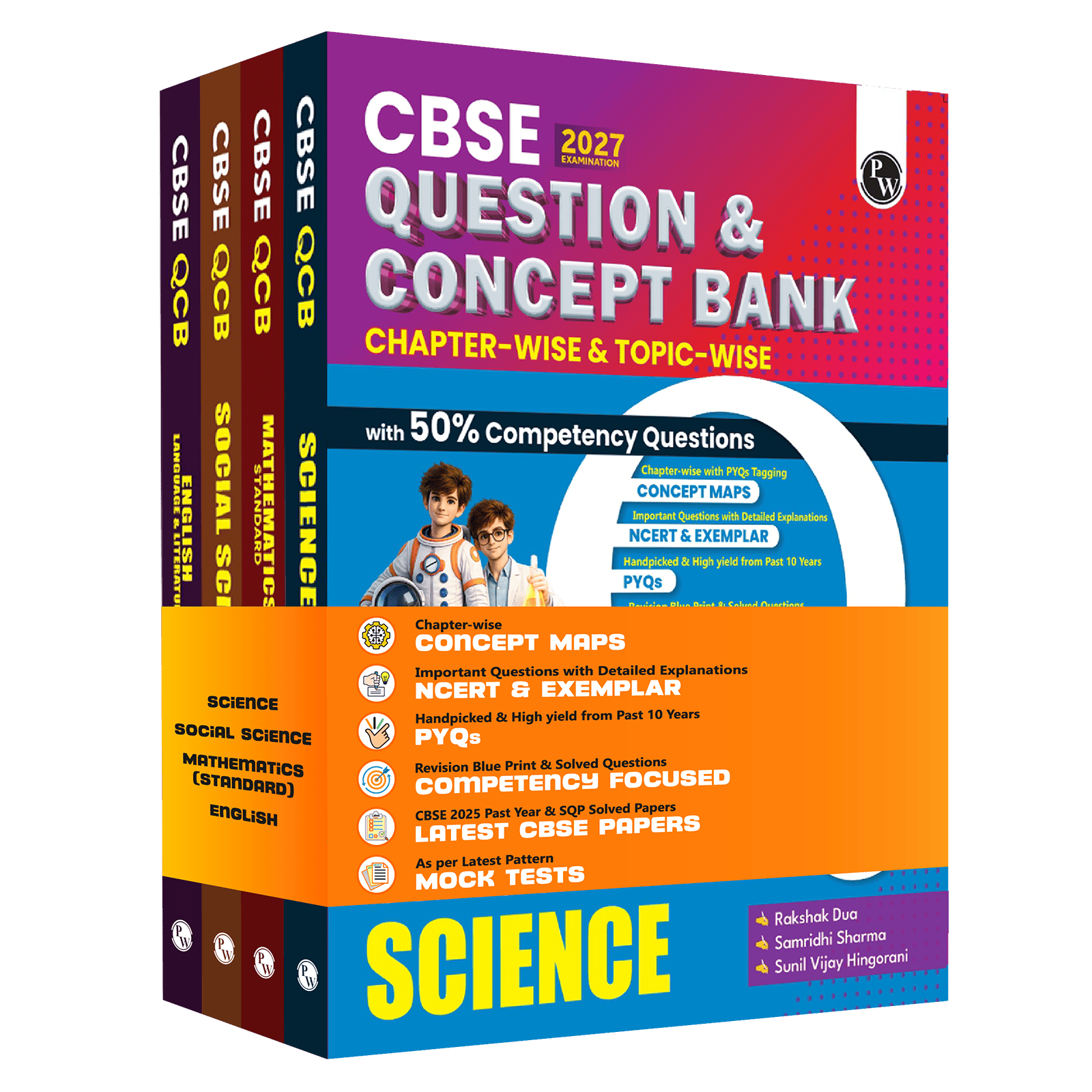
Also Check - CBSE Class 10th Question Banks
Mistakes to Avoid While Solving CBSE Class 10 PYQ
Many students make the mistake of looking at the solutions as soon as they get stuck. This prevents the brain from developing problem-solving skills. Another common error is ignoring the instructions or the choice questions.
Always read the internal choices provided in the CBSE PYQs class 10 to learn which topics you are more comfortable answering under pressure.
Read More: CBSE Previous Year Question Papers Class 10 PDF with Solutions
CBSE Class 10 PYQ FAQs
How many years of papers should I solve for the 2026 exams?
It is best to solve at least the last 10 years of papers. Using a previous 10-year class 10 question paper allows you to see how the board's questioning style has evolved over a decade, providing a broader range of practice.
Are questions repeated from previous years in CBSE Class 10?
Questions are rarely repeated word-for-word, but the underlying concepts and formats are highly consistent. By mastering the PYQ, you prepare yourself for nearly any variation the board might present.
Should I solve papers if the syllabus has been reduced?
Yes, but you should use a guide that filters out deleted topics. Solving a previous year's paper that is updated for the current syllabus helps you focus only on what is relevant for your specific exam year.
How do I manage my time during the actual board exam?
Practising with previous year question papers under a strict three-hour timer is the only way to master this. Aim to finish the paper 15 minutes early to allow time for a final review of your answers.