Why Every CBSE Class 10 Board Student Should Solve Previous Year Papers
Most Class 10 students find themselves stuck between completing half-finished chapters and figuring out how to revise everything they have studied so far. You might be spending hours reading textbooks, yet feeling completely unsure about how questions will actually look on the final exam paper.
This gap between studying concepts and applying them under exam conditions causes unnecessary stress. To bridge this gap efficiently, incorporating CBSE Class 10 previous year papers into your daily routine is the single most effective action you can take right now.
What Are Class 10 Previous Year Papers?
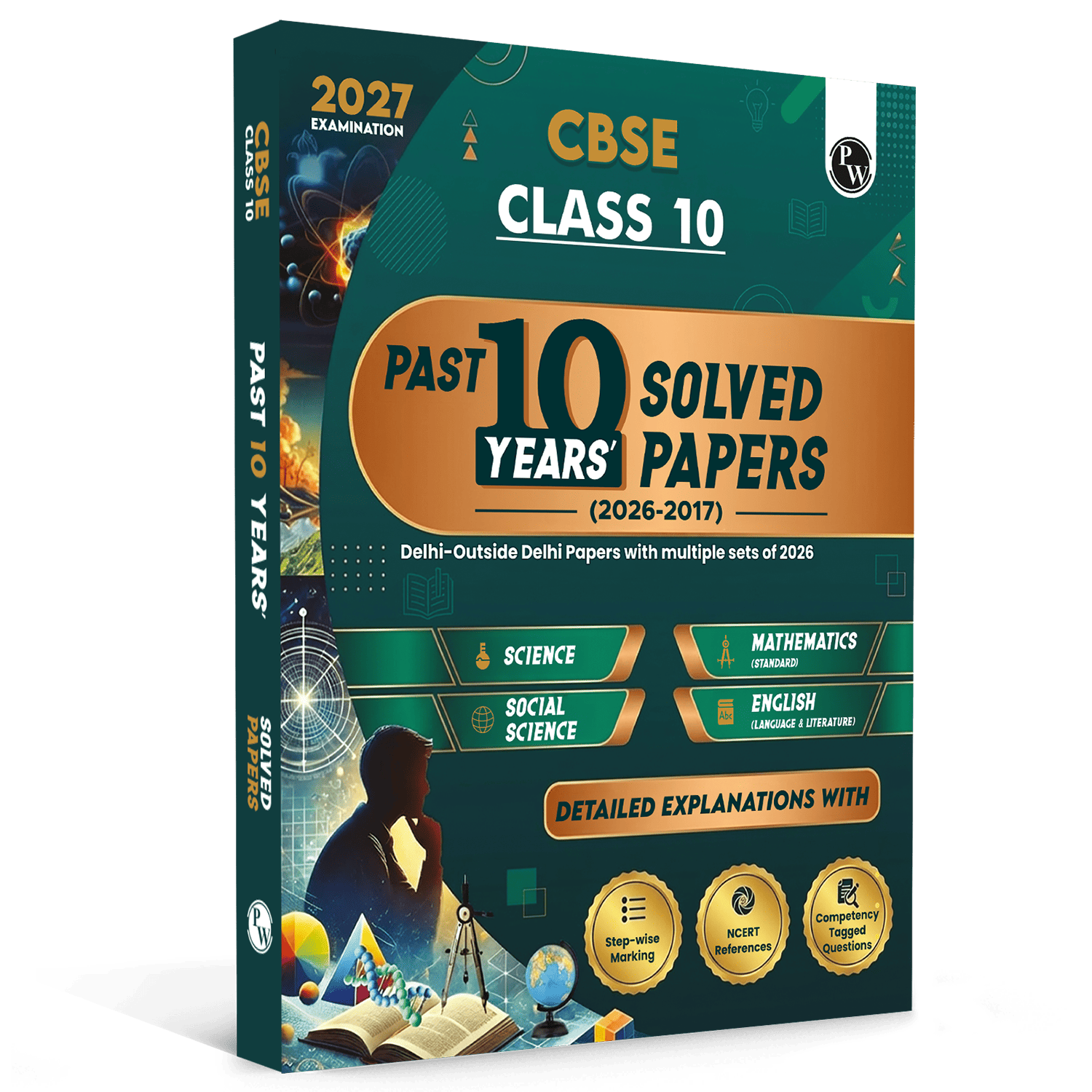
Class 10 previous year papers are official question papers from past board examinations that show the exact format, question styles, and marking criteria used by the board. These resource collections feature past paper sets covering both Term I and Term II examinations, including Delhi and Outside Delhi regions.
Using authentic past papers helps students move away from passive reading to active, structured evaluation.
-
Authentic Questions: Gives you exposure to real past papers, including multiple sets from recent years like 2026.
-
Detailed Solutions: Includes step-by-step solutions aligned directly with official marking schemes to teach exact answer-writing methods.
-
NCERT Mapping: Connects each question to specific NCERT textbook references for quick concept review.
-
Syllabus Clarity: Marks outdated topics clearly as Out of Syllabus (OS) so you never waste time on deleted portions.
How Class 10 Previous Year Papers Make Board Preparation Easier?
Board preparation often feels overwhelming due to the vast syllabus across Science, Mathematics, Social Science, and English. Solving CBSE Class 10 PYQs simplifies your study process by bringing clear structure and direction to your daily schedule.
|
Feature |
How It Helps Your Preparation |
|
Trend Insights |
Highlights question patterns and typology changes over the past 5 years. |
|
Chapter-Wise Analysis |
Shows topic-wise weightage based on 6 years of past papers to prioritize key chapters. |
|
Competency Mapping |
Tracks competency-based, case-based, and application questions across a 10-year span. |
|
Structured Revision |
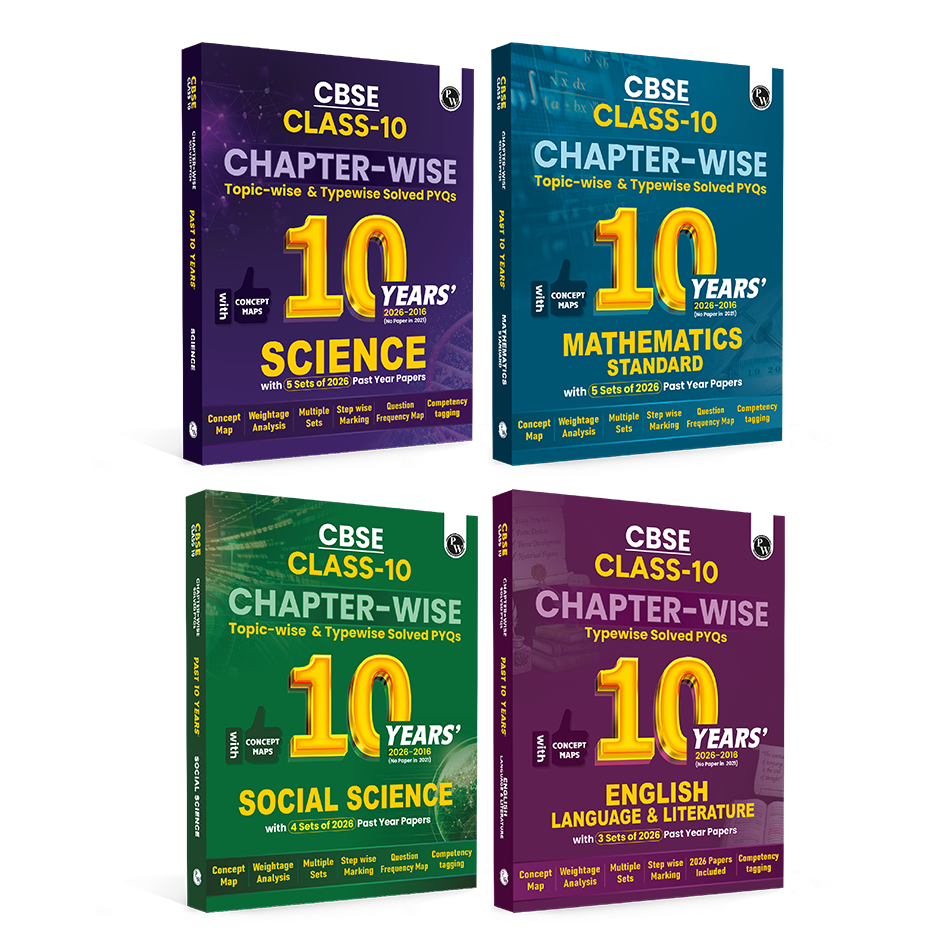
Encourages systematic practice using solved papers Class 10 rather than aimless reading. |
What You Can Learn from Class 10 Previous Year Papers?
Analyzing past papers gives you strategic insights into how exams are designed and evaluated. Instead of guessing which topics are important, working with Class 10 previous year papers offers clear, evidence-based guidance.
1. Understanding Question Distribution
Past paper analysis reveals exactly how marks are distributed across different chapters. Knowing which topics carry heavy weightage lets you allocate your mid-term study hours far more effectively.
2. Mastering Competency-Based Questions
Modern exams feature a strong emphasis on real-world applications and case studies. Practicing competency-focused questions from past paper sets helps you build higher-order thinking skills required for these complex questions.
3. Recognizing Core Themes
Certain core principles and definitions appear consistently across board exams. Relying on a reliable Class 10 PYQ book helps you spot these recurring themes early.
What is the Right Time to Start Solving Class 10 Previous Year Papers?
The mid-term phase is the ideal moment to start working with Class 10 previous year papers. By this point in the academic year, you have already covered a significant portion of the syllabus in school. Starting now gives you enough time to combine subject-wise learning with realistic practice.
Waiting until the final month before board exams creates unnecessary pressure. Initiating board exam practice during the mid-term season allows you to solve papers chapter by chapter alongside your school syllabus.
This dual approach reinforces concepts as you learn them, making final revisions much smoother.
Benefits of Solving Class 10 Previous Year Papers
Working through actual CBSE Class 10 books provides immediate benefits that standard textbook exercises simply cannot match. When you solve Class 10 previous year papers, you actively train your brain to retrieve learned information under timed, exam-like conditions.
-
Boosts Exam Confidence: Practicing authentic previous year questions CBSE removes the fear of the unknown and makes the actual board paper feel familiar.
-
Improves Answer Writing: Detailed solutions with step-wise marking show you how to structure answers to gain full marks.
-
Identifies Weak Areas: Attempting full papers highlights weak topics immediately, allowing you to focus your mid-term revision on what truly needs work.
-
Reduces Exam Stress: Familiarity with the paper length and question styles keeps anxiety under control during the actual test.
Study Plan For Solving Class 10 Previous Year Papers
A structured routine ensures you get maximum benefit from Class 10 previous year papers without feeling overwhelmed. Here is a weekly study plan tailored for the mid-term season:
-
Monday to Wednesday (Topic Practice): Study NCERT chapters and immediately solve relevant CBSE Class 10 PYQs mapped to those exact sections.
-
Thursday & Friday (Analysis & Review): Compare your written answers against the step-by-step solutions to check marking accuracy.
-
Saturday (Full-Length Test): Set a timer for 3 hours and solve a complete regional or national paper set under strict exam conditions.
-
Sunday (Syllabus & Weakness Tracking): Review your mistakes, check for out-of-syllabus errors marked as OS, and revise weak concepts using NCERT references.
Also Check - CBSE Class 10th Question Banks
Revision Tips for Class 10 Previous Year Papers
To get the good results from Class 10 previous year papers, you need a smart revision method. Follow these practical tips to turn every practice session into a step forward:
-
Focus on Step Marking: Do not just check the final answer. Study the step-by-step marking guide to ensure you write step-wise steps correctly in numericals and derivations.
-
Cross-Check with NCERT: Whenever you miss a question, use NCERT concept mapping references to revisit the original textbook topic immediately.
-
Filter Outdated Content: Always pay attention to Out of Syllabus (OS) tags so you avoid wasting precious study time on rationalized content.
-
Simulate Exam Conditions: Solve full papers without opening textbooks, taking breaks, or checking answers midway to build endurance.
Read More: CBSE Class 10 Syllabus 2026-27
Class 10 Previous Year Papers FAQs
1: How many years of Class 10 previous year papers should I solve?
Solving past 5 to 10 years of papers is recommended. This range provides full exposure to evolving question patterns, trend insights, and competency-based questions across all subjects.
2: Are Class 10 previous year papers enough for mid-term preparation?
Past papers are essential for understanding question formats and practice. However, you should always combine them with thorough NCERT reading to ensure complete conceptual understanding.
3: How do solved papers for Class 10 help with answer writing?
They include detailed step-by-step explanations aligned with official marking schemes, showing you exactly how to structure answers to earn maximum marks.
4: How can I tell if a question from past papers is deleted from the current syllabus?
Quality practice collections clearly tag rationalized topics as Out of Syllabus (OS), ensuring you only focus on active syllabus requirements.
5: What makes board exam practice with past papers better than sample papers?
Past papers provide real questions previously asked by the board, offering accurate insights into actual exam difficulty, weightage, and paper distribution.