CBSE Class 8 Geography Chapter 1 Resources Notes
Everything available in our environment that can be used to satisfy our needs is called a resource. However, for something to become a resource, it must be technologically accessible, economically feasible, and culturally acceptable. These class 8 geography chapter 1 resources notes help you understand the different types of resources, their importance, and why we must conserve them for the future. By studying these notes, you will grasp how humans transform natural things into valuable assets through knowledge and skill.
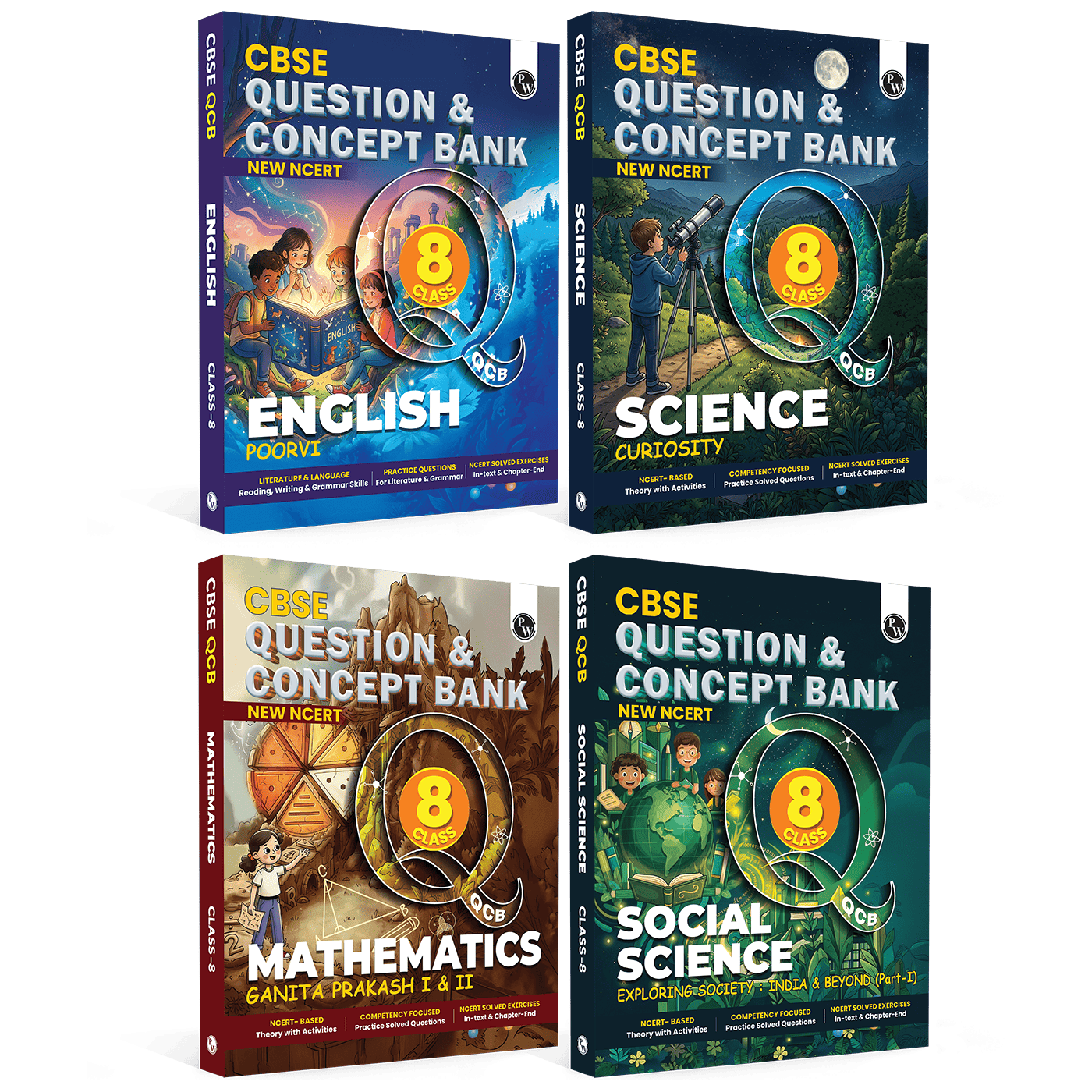
Check Out: Class 8th Books
Short Summary of the Chapter
The primary focus of class 8 geography chapter 1 resources notes is to explain that anything with utility and value is a resource. The chapter describes how substances become resources through time and technology. It categorises resources into three main types: Natural (gifts from nature), Human-made (transformed by technology), and Human (people's skills and knowledge). A key highlight is the concept of Sustainable Development, which teaches us to use resources responsibly so that we meet our current needs without compromising the needs of future generations.
What makes a Resource?
Anything that has Utility or Usability is a resource. Water, electricity, rickshaws, and vegetables all have utility because they are used by us.
-
Value: Value means worth. Some resources have economic value (like metals), while others do not (like a beautiful landscape), but both are important.
-
Time and Technology: These are two important factors that can change substances into resources. For example, the discovery of fire led to the practice of cooking.
-
Patent: It means the exclusive right over any idea or invention.
Types of Resources
Resources are generally classified into three main categories. Understanding this classification is a major part of class 8 geography chapter 1 resources notes.
1. Natural Resources
Resources that are drawn from Nature and used without much modification are called natural resources. These are further divided into:
-
Renewable Resources: Those which get renewed or replenished quickly, like solar and wind energy.
-
Non-renewable Resources: Those which have a limited stock. Once exhausted, they take thousands of years to be renewed, such as coal and petroleum.
2. Human-Made Resources
Sometimes, natural substances become resources only when their original form has been changed. People use natural resources to make buildings, bridges, roads, and machinery. Technology is also a human-made resource.
3. Human Resources
People are the most important resource. It is the ideas, knowledge, and skills of humans that lead to the creation of more resources.
-
Human Resource Development: Improving the quality of people’s skills so that they are able to create more resources is known as human resource development.
Check Out: Umang For Class 8 Combo Set of 5 Books
Classification of Resources Based on Origin
Resources can also be classified based on their origin.
-
Biotic Resources: These come from living organisms, such as plants, animals, and forests.
-
Abiotic Resources: These come from non-living things, such as rocks, air, water, and minerals.
Classification of Resources Based on Ownership
Resources can be grouped based on who owns them.
-
Individual Resources: Owned by individuals, like houses or farms.
-
Community Resources: Shared by a group, like parks and playgrounds.
-
National Resources: Owned by the country, such as forests, rivers, and minerals.
-
International Resources: Found beyond national boundaries, like oceans.
Classification of Resources Based on Distribution
Some resources are found everywhere, while others are limited to certain areas.
-
Ubiquitous Resources: Found everywhere, like air and sunlight.
-
Localised Resources: Found in specific locations, like coal and petroleum.
Classification of Resources Based on Development
Resources can also be classified based on their stage of use.
-
Potential Resources: Present but not fully used yet.
-
Developed Resources: Already surveyed and in use.
-
Stock: Available but cannot be used due to lack of technology.
-
Reserves: Part of stock that can be used in the future.
Check Out: Students Stationery Items
Conserving Resources
Using resources carefully and giving them time to get renewed is called resource conservation. This is a vital topic in class 8 chapter 1 geography notes.
-
Sustainable Development: Carefully utilising resources so that besides meeting the requirements of the present, it also takes care of future generations.
-
The Three R’s:
-
Reduce
-
Reuse
-
Recycle
Principles of Sustainable Development
-
Respect and care for all forms of life.
-
Improve the quality of human life.
-
Conserve the earth’s vitality and diversity.
-
Minimise the depletion of natural resources.
Benefits of CBSE Class 8 Geography Chapter 1 Resources Notes
Using well-prepared notes is the secret to scoring high in your Social Science exams. Here are the main benefits of these class 8 geography chapter 1 notes:
-
Quick Revision: These notes cover all the essential points, making it easy to revise the entire chapter in just a few minutes.
-
Point-wise Format: Information is structured in bullet points to help you remember definitions and classifications easily.
-
Exam-Focused: We have highlighted topics like Sustainable Development and Resource Conservation, which are frequently asked in school tests.
-
Conceptual Clarity: Complex terms like "Patent" and "Utility" are explained in simple language for better understanding.
Read More: NCERT Solutions for Class 8 Social Science Geography Chapter 1
CBSE Class 8 Geography Chapter 1 Notes FAQs
1. What is the difference between a gift of nature and a resource?
As explained in class 8 geography chapter 1 resources notes, a gift of nature becomes a resource only when it has utility and value. Humans use technology to transform natural gifts into resources.
2. Why are human resources important?
Human resources are essential because only humans can use their intelligence and technology to turn natural materials into valuable resources. Without human skill, other resources would remain useless.
3. What do you mean by Sustainable Development?
According to the class 8 resources notes, sustainable development means using resources in a way that meets our current needs without damaging the ability of future generations to meet their own needs.
4. What are non-renewable resources?
These are resources with a limited stock. As highlighted in chapter 1 geography class 8 notes, once they are used up, it takes thousands of years to replace them.
5. How can we conserve resources at home?
We can conserve resources by following the principles mentioned in class 8 geography chapter 1 notes, such as switching off lights when not needed, recycling paper, and avoiding the wastage of water.