How to Complete a Class 10 Science Question Bank Before Pre-Boards?

As the mid-year mark passes, the countdown toward pre-board examinations begins to pick up speed. Many students feel overwhelmed by the vast syllabus, struggling to figure out how to cover every single topic thoroughly before school tests arrive.
Science demands both strong conceptual clarity and structured written practice. Sitting with textbook theories alone often fails to build real examination confidence. Using a dedicated CBSE Class 10 science question bank helps bridge the gap between understanding a concept and writing precise answers under timed conditions.
Finishing your primary practice resources early helps relieve stress and secure top marks.
Importance of Class 10 Science Question Bank
A well-structured Class 10 science question bank acts as a reliable benchmark for students preparing for school and board evaluations. Rather than reading endless pages of theory, solving targeted questions helps you understand exact marking schemes and examiner expectations.
-
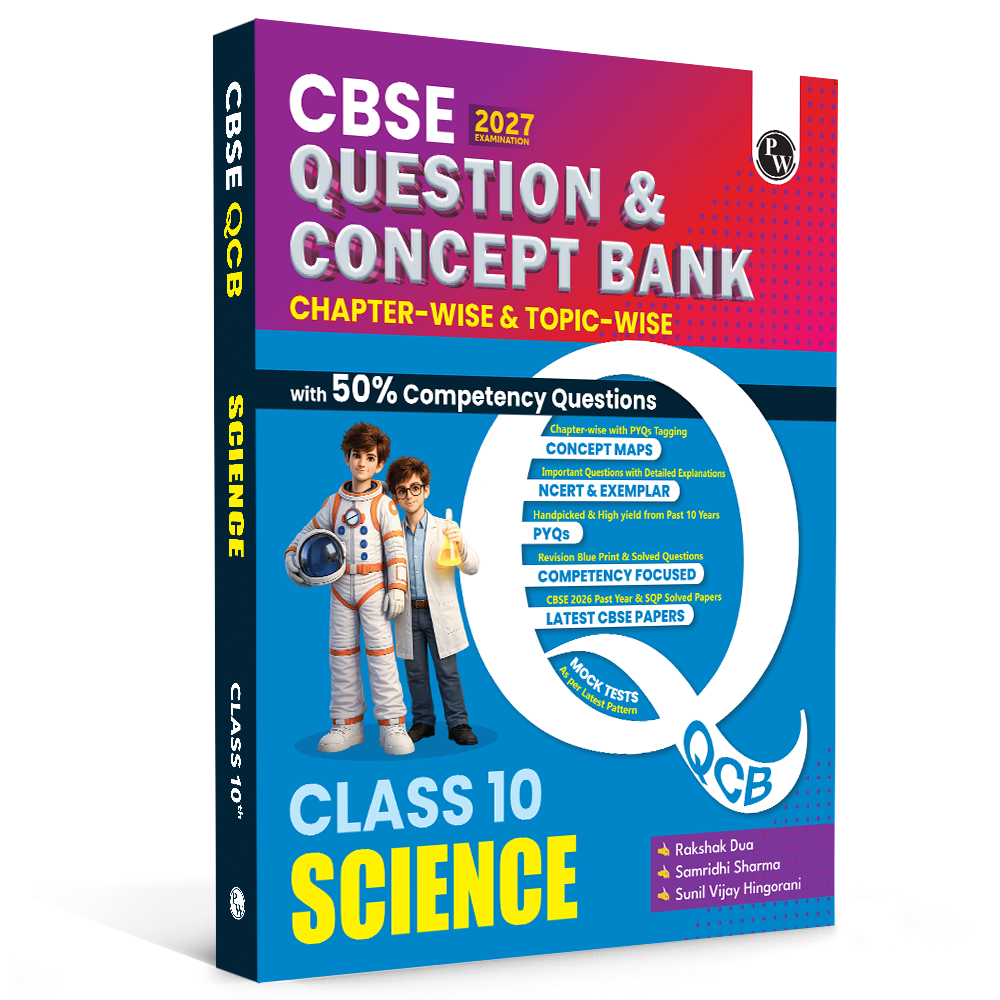
NCERT Foundation: Combines NCERT in-text questions and important textbook exercises to build strong conceptual fundamentals.
-
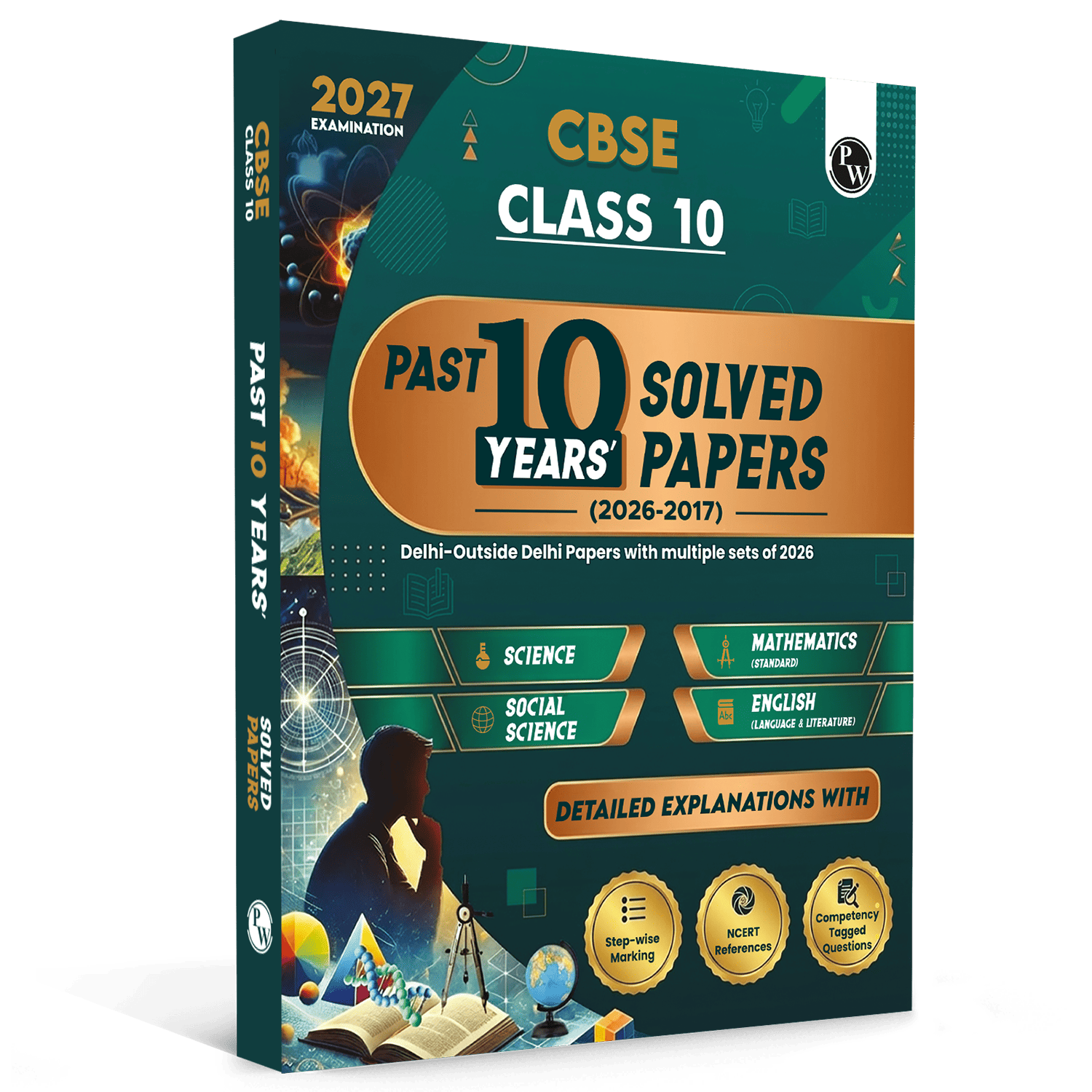
Past Year Insights: Contains handpicked high-yield questions from the last 10 years to focus on topics that feature frequently in board papers.
-
Competency Focus: Offers competency-focused blueprints and case-study questions that test real-world application skills.
-
Visual Tools: Includes chapter-wise concept maps for quick, structured visual revision before tests.
Why Should You Complete Class 10 Science Question Bank Before Pre-Boards?
Completing your Science Question Bank Class 10 CBSE prior to pre-boards provides a massive strategic advantage. Pre-board exams serve as a dress rehearsal for final board papers, and finishing your primary revision book early changes your whole trajectory.
|
Aspect |
Relying Only on Textbooks |
Completing Question Bank Early |
|
Question Familiarity |
Basic exposure to standard end-of-chapter questions. |
Exposure to past 10 years of trend questions and sample papers. |
|
Application Skills |
Theoretical understanding without application practice. |
High competency in solving case-study and assertion-reason items. |
|
Time Management |
Slow writing speed due to lack of timed testing. |
Improved speed and accuracy through practice mock tests. |
|
Revision Efficiency |
Time-consuming re-reading of long chapters. |
Rapid visual revision using structured chapter concept maps. |
By finishing this CBSE Class 10 books before pre-boards, you use school exams as diagnostic tools to fix minor errors rather than struggling through first-time learning.
How to Solve Class 10 Science Question Bank Chapter by Chapter?
To complete a Class 10 science question bank systematically, break down the syllabus into manageable units. Haphazard study habits lead to unfinished topics and last-minute panic.
1. Group Chapters by Discipline
Divide your Science syllabus into Physics, Chemistry, and Biology. Allocate specific days of the week to each discipline so that your study routine stays balanced.
2. Utilize Chapter-Wise Concept Maps
Before diving into questions, spend 10 to 15 minutes reviewing chapter-wise concept maps. These visual tools help recall key definitions, formulas, and diagrams quickly.
3. Tackle NCERT Intext & Important Questions First
Begin each chapter by solving the NCERT in-text questions and fundamental problems provided in your science study book Class 10. This ensures your base is completely solid before moving to complex items.
4. Solve High-Yield Past Year Questions
Move directly to the handpicked high-yield questions from the last 10 years. Focus on understanding why certain answers carry specific step-mark distributions.
How to Revise Using Class 10 Science Question Bank?
Effective CBSE science revision requires active recall rather than passive reading. Using your CBSE Class 10 question bank correctly turns study sessions into active problem-solving drills.
-
Use the Cover-and-Solve Method: Cover the solution panel with a piece of paper, write out your answer fully, and then check your work against the provided detailed solution.
-
Highlight Weak Areas: Place a small mark next to any question you got wrong or found difficult on your first attempt.
-
Focus on Competency Blueprints: Practice competency-focused blueprints and case-study questions to sharpen your analytical reasoning skills.
-
Review Marking Schemes: Pay attention to solved past year papers to learn exact keywords required by examiners.
Study Plan for Using the Class 10 Science Question Bank
A disciplined schedule helps track progress and ensures complete coverage of all units before mid-term evaluations give way to pre-board tests. A structured four-week schedule helps streamline your pre-board preparation Class 10.
-
Week 1 (Chemistry Emphasis): Focus on chemical reactions, acids, bases, metals, and carbon compounds. Review concept maps, solve all NCERT in-text questions, and complete previous year papers.
-
Week 2 (Physics Focus): Dedicate time to ray diagrams, circuit diagrams, and numerical problems. Work through step-by-step solutions to build accuracy and formula application skills.
-
Week 3 (Biology Integration): Work through life processes, control and coordination, and reproduction diagrams. Practice structured short and long answer formats alongside high-yield questions from the last 10 years.
-
Week 4 (Full Mock Evaluation): Take full-length practice mock tests under strict timed conditions to replicate actual examination pressure and improve time management.
Tips to Complete Class 10 Science Question Bank on Time
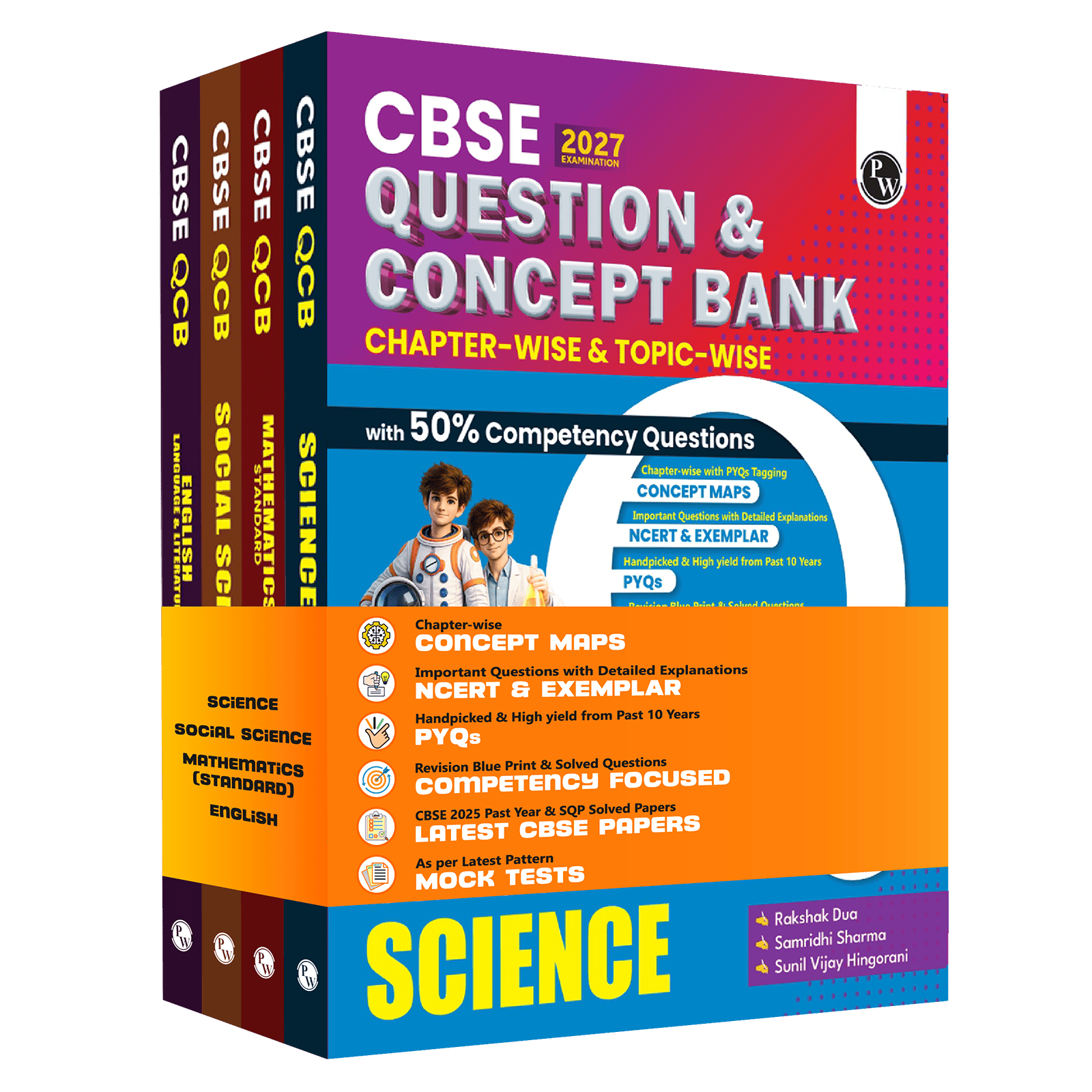
Completing a whole resource demands consistency and smart execution. Incorporating science practice questions into your daily routine prevents backlog from building up. For structured preparation, you can also use the CBSE Class 10 Question Bank Combo Set of 4, which provides chapter-wise practice and helps you revise important concepts systematically for the board examination.
-
Set Daily Question Targets: Aim to solve 15 to 20 quality questions every day rather than attempting massive blocks only on weekends.
-
Time Your Practice Sessions: Use a stopwatch when solving board exam questions to build optimal writing speed.
-
Analyze Sample Papers Early: Study fully solved sample question papers to understand modern exam trends and section-wise distributions.
-
Maintain an Error Notebook: Record every mistake made during daily practice. Reviewing this notebook weekly prevents repeating the same errors during exams.
Common Mistakes to Avoid While Solving Class 10 Science Question Bank
Many students buy great resources but fail to get maximum value due to poor study habits.
-
Skipping Diagrams: Drawing unlabelled or messy diagrams in physics and biology practice leads to unnecessary mark deductions.
-
Ignoring Case-Study Items: Skipping competency-focused questions leaves you unprepared for application-based sections.
-
Neglecting Timed Mock Tests: Failing to solve complete mock papers leads to poor time management during actual pre-board exams.
-
Relying Solely on Theory: Reading theory repeatedly without solving practical questions reduces retention and speed.
Read More: CBSE Class 10 Study Timetable
Class 10 Science Question Bank FAQs
Q1. How many hours daily should I dedicate to a Class 10 science question bank?
Dedicating 1 to 1.5 hours daily to your Class 10 science question bank ensures steady progress without affecting other subjects.
Q2. Are past 10 years' questions enough for pre-board preparation Class 10?
Yes, solving handpicked high-yield past 10-year questions along with competency-based practice provides thorough pre-board preparation for Class 10.
Q3. How do concept maps help in science practice questions?
Chapter-wise concept maps offer visual summaries that help connect key ideas, making it easier to solve science practice questions accurately.
Q4. Can I rely on a science question bank Class 10 CBSE for board sample papers?
A comprehensive science question bank Class 10 CBSE includes fully solved sample question papers based on the latest exam patterns.
Q5. Why is CBSE science revision necessary before pre-boards?
Early CBSE science revision highlights topic weaknesses, improves writing speed, and reduces exam stress before final school evaluations.