How Class 6 Science Question Bank Improves Concept Clarity?
Many students find it challenging when assessments shift from basic recall to analytical thinking. Reading a textbook chapter multiple times often creates a false sense of confidence. When faced with application-oriented questions during mid-term tests, students frequently struggle to express their thoughts accurately.
Using a Class 6 science question bank addresses this learning gap directly. By converting theoretical concepts into structured exercises, students learn how to apply scientific principles systematically. Regular practice encourages active recall, builds logical reasoning, and prepares students for school examinations.
What Is a Class 6 Science Question Bank?
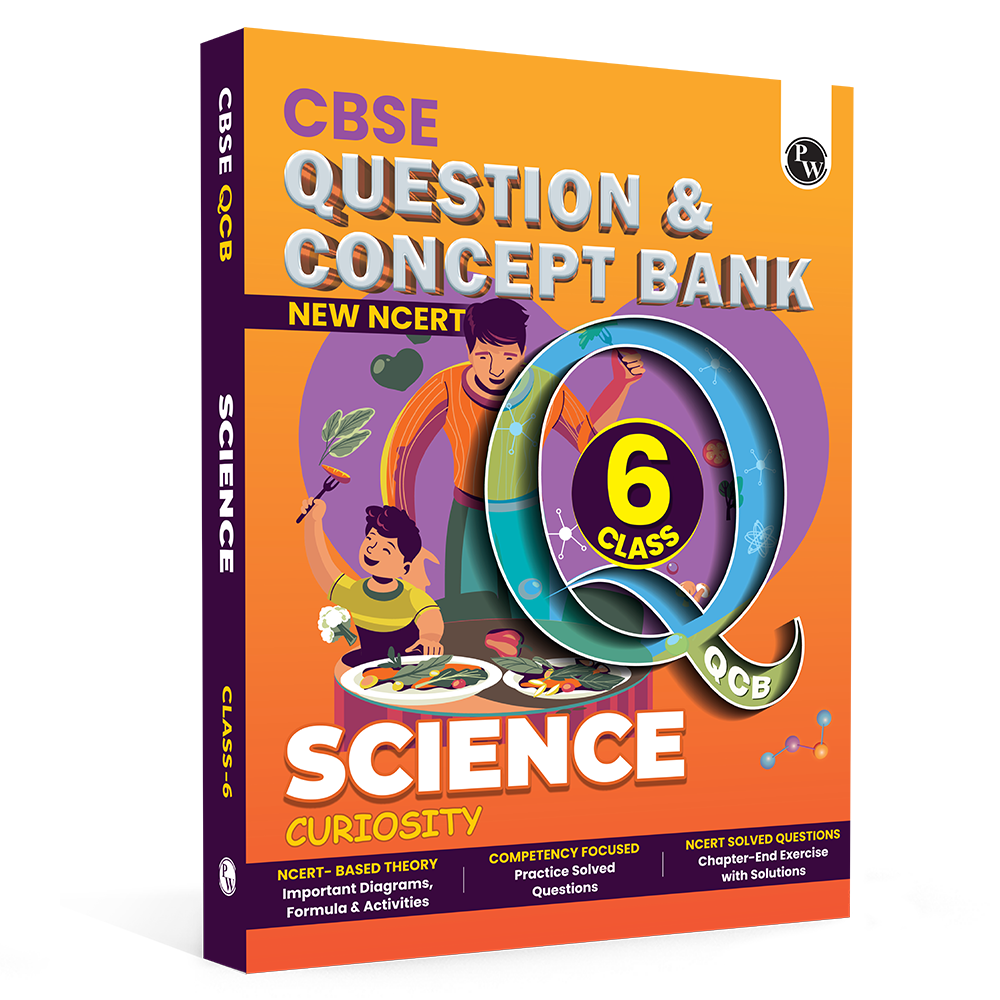
A specialized practice resource organizes the entire curriculum into manageable learning units. Based on the latest curriculum, a chapter-wise science question bank covers concise theory summaries, activity-based explanations, solved textbook questions, and practice exercises.
Key components include:
-
Concise Conceptual Theory: Essential definitions and core principles summarized for quick review before attempting exercises.
-
Activity-Driven Exercises: Practical scenarios that connect textbook definitions to real-world observations.
-
Solved NCERT Questions: Comprehensive answers to textbook problems that demonstrate proper structure and presentation.
-
Skill-Based Problems: Questions designed to evaluate logical understanding rather than simple memorization.
How Class 6 Science Question Bank Improves Concept Clarity?
Understanding scientific concepts requires more than reading through chapters. A well-structured Class 6 science question bank improves comprehension through targeted evaluation techniques.
|
Feature |
Benefit to Learning |
|
Structured Exercise Sets |
Promotes step-by-step progress from basic to complex |
|
Detailed Explanations |
Clarifies the reasoning behind correct answers |
|
Activity-Based Learning |
Connects abstract ideas to real-life observations |
|
Solved Textual Problems |
Improves exam answer formatting and clarity |
Active Recall Over Passive Reading
Reading text continuously can lead to passive absorption. Solving cbse Class 6 science questions requires brain engagement to retrieve information, which strengthens long-term retention.
Application of Theoretical Knowledge
Science relies heavily on practical application. Working through competency-based science questions Class 6 helps students connect abstract principles to practical scenarios.
Step-by-Step Problem Solving
Detailed solutions guide students through logical steps, helping them understand why an answer is correct rather than simply memorizing facts.
Important Chapters Covered in Class 6 Science Question Bank
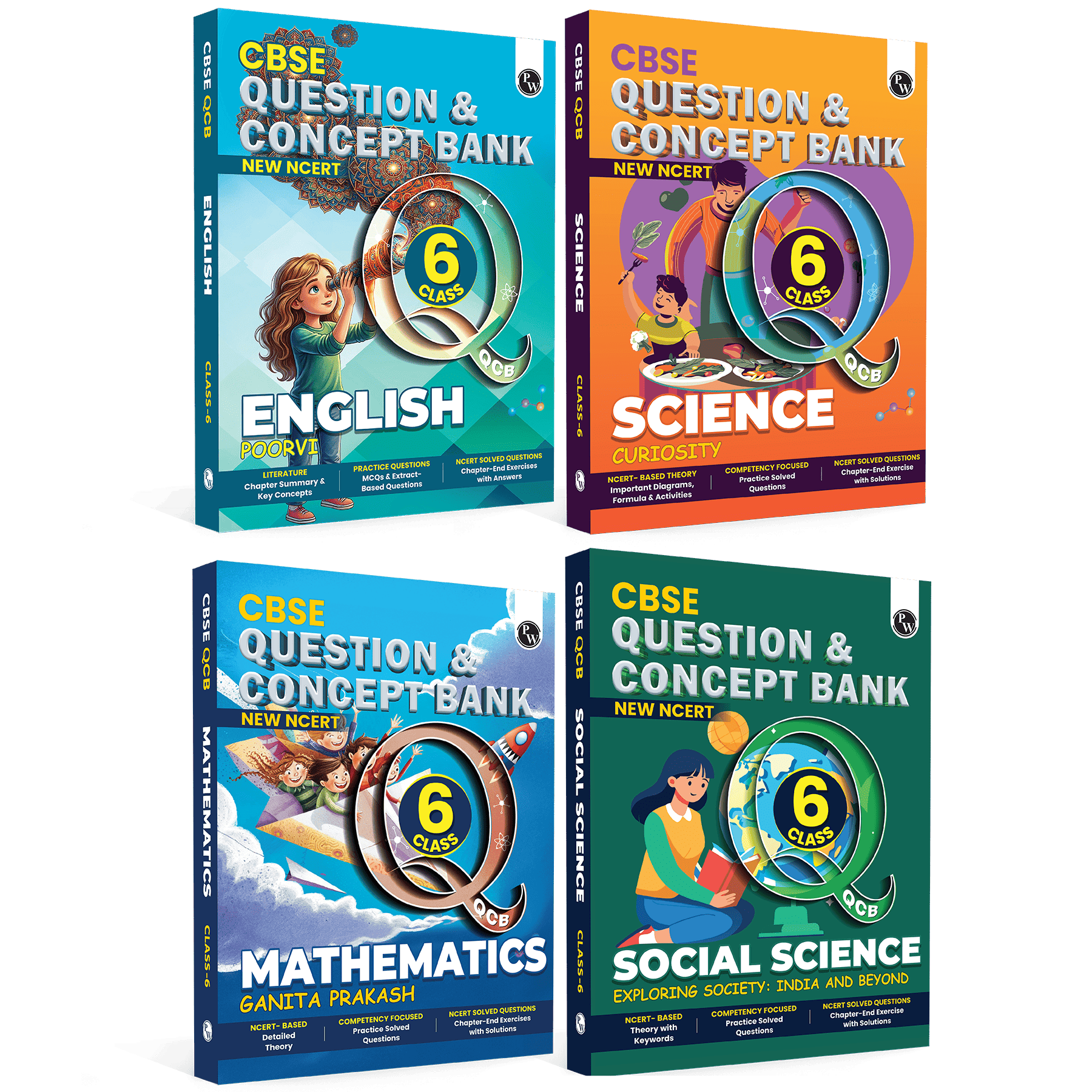
A structured resource aligns with the latest curriculum modules. The CBSE Class 6 Question Bank further supports this approach by providing chapter-wise and exam-oriented questions that target specific learning outcomes across different scientific concepts. This helps students strengthen their understanding and practise a variety of question types systematically.
|
Scientific Focus |
Curriculum Topics |
Question Types Included |
Focus Area |
|
Biological Sciences |
Food, Components of Food, Living Organisms |
Short Answer, Classification, Activity-based |
Understanding life processes and nutrition |
|
Physical Sciences |
Light, Shadows, Electricity, Circuits |
Conceptual, Reasoning, Problem Solving |
Analyzing physical phenomena and basic circuits |
|
Material Sciences |
Sorting Materials, Separation of Substances |
Match the following, Explanation-based |
Identifying properties and separation methods |
Practice Plan with Class 6 Science Question Bank
Consistency is vital when preparing for school assessments. A structured plan ensures thorough coverage without overwhelming young learners. Using the PW Class 6 science question bank effectively fits into a weekly study routine:
Phase 1: Review and Foundations
-
Spend 15 minutes reviewing basic theory and summaries.
-
Go through the solved textbook questions to understand correct response structures.
Phase 2: Self-Assessment and Application
-
Complete practice exercises independently without looking at solution keys.
-
Solve application and activity-focused problems to test depth of understanding.
Phase 3: Revision and Analysis
-
Compare written answers against detailed explanations.
-
Mark topics requiring further review and revisit theory summaries.
How to Study with Class 6 Science Question Bank?
To maximize study efficiency, use structured techniques rather than answering questions randomly.
-
Start with Theory Summaries: Review concept overviews before attempting exercises to ensure core terms are clear.
-
Work Through Activity-Based Questions: Engaging with practical scenarios helps reinforce abstract concepts.
-
Utilize NCERT Solutions: Study solved exercises to learn how to present answers clearly in school exams.
-
Write Out Full Answers: Avoid mentally skimming answers; writing response statements strengthens retention and clarity.
Tips for Using Class 6 Science Question Bank
Implementing proper habits makes regular practice more productive. Using the CBSE Class 6 Question Bank Combo 2027 alongside these habits can help students practise consistently, identify weak areas, revise important concepts, and improve their confidence through structured question-solving.
-
Maintain a Separate Practice Notebook: Keep a dedicated notebook for solving practice problems and reviewing mistakes.
-
Focus on Explanation Quality: Pay attention to how solutions are structured to improve performance in descriptive exam questions.
-
Combine Practice with Self-Study: Use the question resource alongside standard Classroom learning and regular homework.
-
Engage in Regular Revision: Revisit challenging sections weekly using NCERT Class 6 science practice materials to ensure long-term conceptual retention.
Common Mistakes to Avoid While Using Class 6 Science Question Bank
Avoiding common study mistakes leads to better learning outcomes:
1. Checking Solutions Too Quickly
Looking at answer keys before attempting questions limits problem-solving practice. Always try solving exercises independently first.
2. Memorizing Solutions Instead of Understanding Logic
Science requires conceptual understanding. Memorizing answers directly makes it difficult to solve modified questions in exams.
3. Skipping Activity-Based Exercises
Practical and activity-based questions build analytical skills. Skipping them leaves gaps in real-world application.
4. Ignoring Incorrect Answers
Skipping error correction misses valuable learning opportunities. Review every wrong answer against the explanations to correct misunderstandings early.
Read More: How to Prepare for CBSE Class 6 Exams 2026?
Class 6 Science Question Bank FAQs
How does a Class 6 science question bank help in school exams?
It offers targeted exercises, detailed explanations, and solved textbook questions that mirror school test formats, helping students practice structured answer writing.
Are competency-based questions included in the practice sets?
Yes, modern question banks feature competency-focused questions that test analytical thinking and real-world application rather than simple memorization.
Should students use the question bank daily?
Using the question bank for 20 to 30 minutes alongside regular Class topics reinforces daily learning and prevents last-minute exam stress.
Does the question bank cover activity-based learning?
Yes, it includes activity-driven understanding exercises that connect practical observations with underlying scientific theory.
Is a chapter-wise approach useful for revision?
A chapter-wise structure allows students to focus on specific topics, assess individual strengths, and address weak areas efficiently.