How 10 Years of English PYQs Help Class 10 Students Predict Board Trends

If you are struggling to understand how questions are framed or how the marking scheme rewards points, analyzing previous papers is the solution. Reviewing a reliable CBSE Class 10 English PYQ set bridges the gap between learning and scoring, turning your midterm preparation into a highly strategic revision plan.
What Is CBSE Class 10 English PYQ?
A CBSE Class 10 English PYQ is a compilation of previous-year questions that have appeared in the official Central Board of Secondary Education examinations over the past decade. These papers serve as the most authentic resource for students to understand the exact structure, format, and layout of the final test.
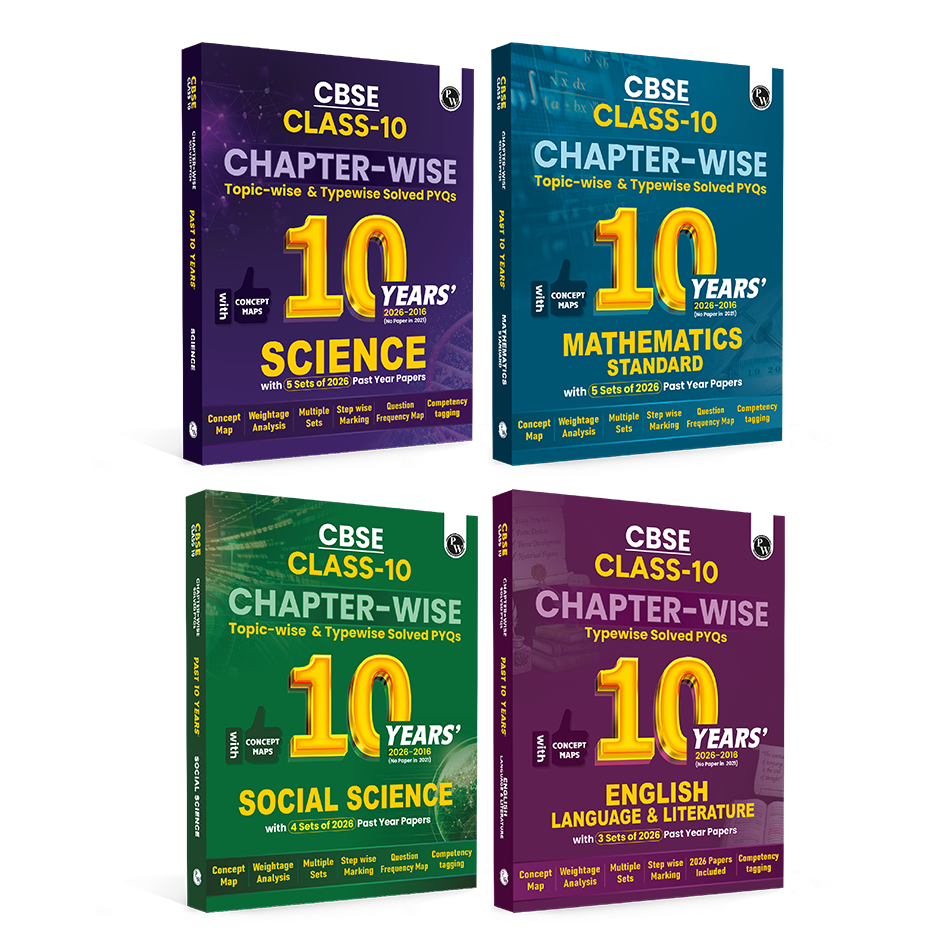
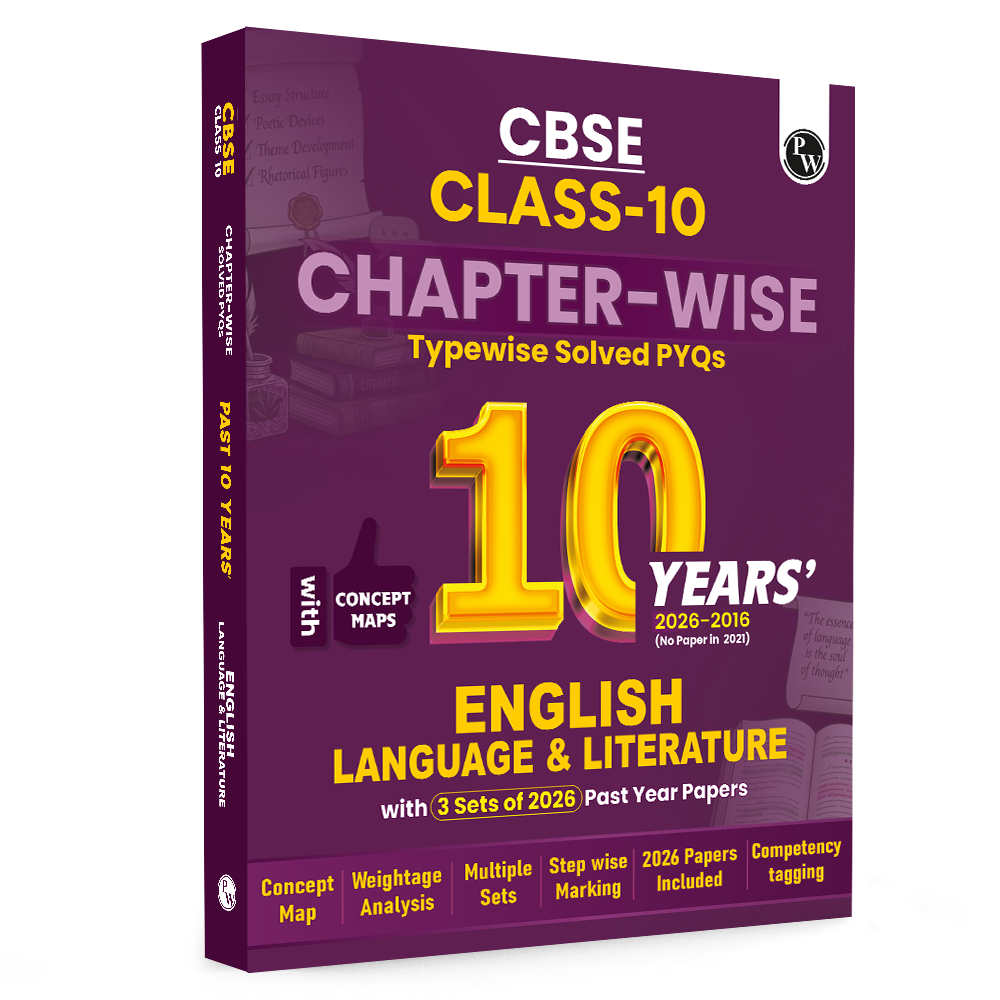
A comprehensive preparation resource covers 10 years of solved CBSE Board questions from 2016 to 2026. This extensive range provides students with a complete overview of how questions have shifted over a decade. It includes five multiple-choice sets from the 2026 exams, giving a realistic view of contemporary assessment styles.
Why is CBSE Class 10 English PYQ Important for Board Preparation?
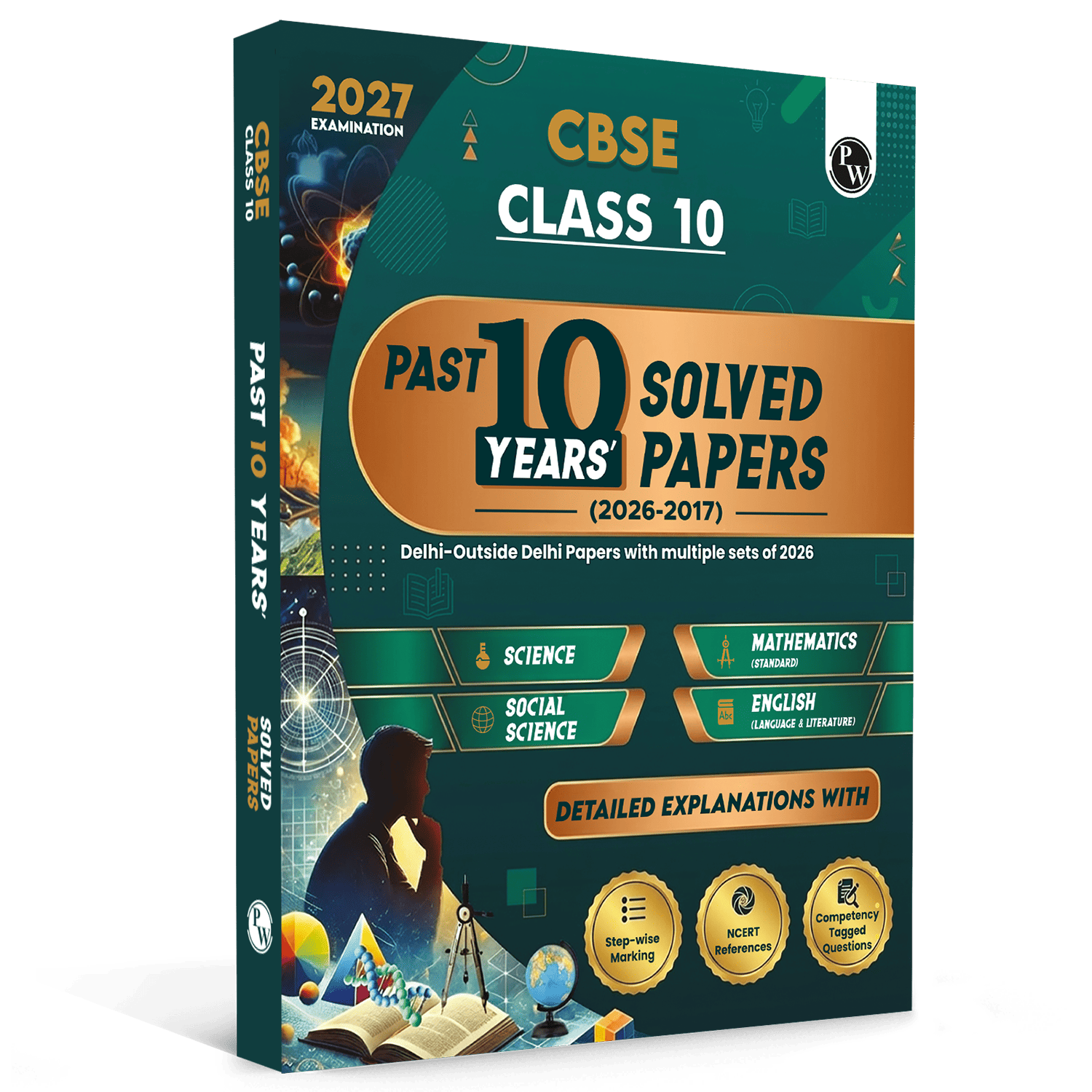
Practicing with a CBSE Class 10 English PYQ collection is essential because it reveals the structural patterns of the board examination. Reading textbooks helps you learn literature and grammar, but solving previous year papers teaches you how to apply that knowledge under real exam conditions. Resources like the CBSE Class 10 PYQ Combo 2027 provide subject-wise previous year questions in a structured format, making revision more focused and exam-oriented.
1. Understanding Evolving Board Exam Trends
The central board updates its evaluation methods regularly, and reviewing 10 years of English PYQs is the only way to track these shifts. The papers highlight the changing board exam trends and the evolving exam pattern. By tracking these patterns, you can see how the focus has shifted toward analytical and critical thinking.
2. Alignment with the Latest Blueprint
The latest resources are based on the latest CBSE Class 10 Board Exam Pattern for 2027. This alignment ensures you do not waste time on deleted chapters or outdated question formats.
-
Smart Exam Analysis: Provides chapter-wise weightage and tracks the question typology used by examiners.
-
Concept Maps: Help prioritize high-weightage topics visually before you begin solving papers.
-
Question Frequency Analysis: Shows exactly which questions or themes appear year after year.
-
Bloom's Taxonomy Classification: Organises questions across six cognitive learning levels to strengthen analytical thinking.
How does CBSE Class 10 English PYQ help in High-Weightage Topics?
The English Language & Literature paper is divided into distinct sections: Reading Skills, Writing Skills with Grammar, and Literature. Each section requires a completely different approach, and using a CBSE Class 10 English PYQ set helps you target these high-weightage areas effectively.
-
Cracking the Literature Section
The literature text contributes a massive chunk of marks to your final score. Using chapter-wise and topic-wise PYQs from 2016 to 2025 allows you to see every possible question that can be framed from a single chapter. You can check the question frequency map to see if a particular poem or prose piece dominates the long-answer section.
-
Polishing Writing and Grammar Skills
Writing formal letters, analytical paragraphs, and solving complex grammar clauses requires regular CBSE English practice. By analyzing official solutions, you learn how to structure your thoughts.
-
Delhi & Outside Delhi Sets: Include multiple question sets from different regions to offer a wider variety of writing prompts.
-
Competency Tagging: Marks questions that test real-world application, which is a major focus in recent years.
-
Detailed Explanations: Offers step-by-step marking breakdowns so you know where marks are scored or lost.
Who Should Use CBSE Class 10 English PYQ?
Every student aiming for an excellent score should incorporate previous papers into their daily routine. Whether you are starting your midterm revision or putting the final touches on your preparation, a dedicated CBSE PYQ book class 10 provides immense value.
-
For Students Seeking Conceptual Clarity
If you find yourself confused about how to write an analytical paragraph or how to extract deeper meanings from poetry, these papers are ideal. The step-by-step solutions are linked directly to NCERT concepts, which improves clarity, accuracy, and overall writing style.
-
For Board Aspirants Planning Revision
This combo set is ideal for school examinations, focused revision, and score improvement. It serves as a unified reference point for multiple student types:
|
Student Group |
How It Helps |
Expected Outcome |
|
Early Learners |
Understands the syllabus structure and checks chapter-wise weightage early on. |
Builds a strong, exam-oriented foundation. |
|
Mid Term Revision |
Identifies weak areas and clears doubts using detailed solutions. |
Improves regular school exam percentages. |
|
Final Term Aspirants |
Practices with 2022 Term-I & Term-II papers and Official Sample Papers (SQPs) for 2023, 2024, and 2025. |
Enhances time management and speed. |
How to Use CBSE Class 10 English PYQ
Simply buying an English previous year papers collection will not increase your scores; you must learn to use it strategically. To get the maximum benefit out of your previous papers, you should integrate them systematically into your study schedule.
Step 1: Analyze Before You Solve
Before diving into the questions, look at the smart exam analysis and question frequency maps. Identify which chapters in your literature textbooks carry the highest marks and which type of grammar questions appear most frequently.
Step 2: Solve Chapter-Wise First
Do not attempt full-length papers at the very beginning of your preparation. When you finish a chapter from your textbook, immediately open your CBSE Class 10 English PYQ book and solve all the past questions related to that specific topic. This reinforces what you have just read.
Step 3: Match with Official Marking Schemes
After writing an answer, compare it with the detailed solutions provided in the book. Check if you included the essential keywords that examiners look for. Pay close attention to the step-by-step marking indicators to understand how marks are allocated for content, expression, and grammatical accuracy.
Study Strategy Plan with CBSE Class 10 English PYQ
A structured study plan ensures that you cover all ten years of papers without feeling overwhelmed. Below is an organized methodology to help you distribute your preparation across your study cycle.
Phase 1: Topic Isolation and Review
Spend your initial weeks focusing on type-wise question segregation. Dedicate specific days to different sections of the paper to build deep contextual familiarity.
-
Mondays and Tuesdays: Focus on Reading Comprehension. Solve at least two unseen passages from older papers each day to improve your reading speed.
-
Wednesdays and Thursdays: Work on Writing and Grammar. Practice formal letters and analytical paragraphs, then check your format against the official solutions.
-
Fridays and Saturdays: Take up Literature chapters topic-wise. Write out short and long answers to see if your writing style aligns with the NCERT references.
Phase 2: Full-Length Exam Simulation
Once you have covered the individual chapters, switch to full-length simulations. Set a timer for three hours, sit in a quiet room, and open one of the official sample question papers or the 2026 multiple sets. Avoid looking at the answers until your timer goes off to build true exam-level endurance and speed.
Check Out: CBSE Class 10th Question Banks
Tips to Score Higher with CBSE Class 10 English PYQ
To convert your practice sessions into a high score on exam day, you need to follow proven, disciplined testing techniques.
-
Focus on Step-Wise Marking
CBSE evaluators award marks based on specific components like format, content, and expression. When using your revision guides, look at how the detailed explanations break down these elements. Ensure your letters always have the correct alignment and your literature answers start with a clear contextual introduction.
-
Correct Mistakes Using NCERT References
If you consistently get a grammar question wrong or lose marks in poetry analytical questions, do not ignore it. Go back to the step-by-step solutions linked with NCERT concepts. Reread the textbook chapter to fix the gap in your understanding before moving on to the next paper.
-
Review Frequently Asked Themes
Certain character sketches, central themes of poems, and moral lessons repeat in cycles over the years. Use the question frequency tracking tools to make a list of these high-probability areas and review them thoroughly before your board examinations.
Read More: NCERT Solutions for Class 10 English
CBSE Class 10 English PYQ FAQs
How do previous papers help in predicting 2027 exam trends?
Reviewing past papers highlights the exact chapters, question frequencies, and weightage distributions that examiners prefer. This data makes it easy to spot recurring themes and see how the style of assessment changes over time.
Are the solutions in these books aligned with official guidelines?
Yes, the provided answers feature detailed solutions linked with NCERT concepts and follow official step-by-step marking patterns. This ensures your writing style matches what board evaluators expect.
Should I practice regional sets along with Delhi papers?
Yes, practicing both Delhi and Outside Delhi sets exposes you to a wider variety of questions, writing prompts, and literature themes, making your preparation more versatile.