How to Prepare Reading Comprehension Using Class 12 Question Bank
The reading element in board exams is a hit or miss for many students. Passages can seem long, vocabulary difficult, time short. This stress is eliminated by the use of a structured practice instrument. A dedicated study resource lets you get direct exposure to real exam pattern passages and question forms. Early analysis of learning passages develops speed and accuracy This article discusses how you can read passages successfully utilizing a Class 12 question bank to obtain maximum marks in your board exams.
Why Use a Class 12 Question Bank for Reading Passages?
Regular practice is needed for the reading sections and not just memorization. A focused resource with many sections meant to match board exam difficulty.
Here is why practicing with a dedicated book is essential:
-
Exposure to variety of themes: The passages encompass literature, science, social issues and case studies. Regular practice avoids surprises on exam day.
-
Learn about Question Trends: You learn about multiple choice questions, short answer questions and inference questions.
-
Vocabulary Building: You see new terms rather regularly in passage practice, which helps you develop a contextual vocabulary bank organically.
-
Structured Progress: Books organized by topic allow you to track accuracy over time.
Relying on a standard English practice book gives you a clear baseline to measure improvement across different passage types.
How Class 12 Question Bank Covers Types of Reading Questions
Board exam passages contain specific question patterns. Recognizing these formats allows you to search for answers systematically within the text.
|
Question Type |
Primary Focus |
Practical Tip |
|
Direct Factual |
Specific facts, data, or explicit statements |
Locate key terms in the passage and match the surrounding text. |
|
Inference-Based |
Logical conclusions not explicitly stated |
Read between the lines and identify underlying tones or implications. |
|
Vocabulary in Context |
Synonyms, antonyms, or phrase meanings |
Substitute options back into the passage sentence to test contextual fit. |
|
Main Idea/Title |
The overall theme or purpose of the passage |
Focus on the introductory and concluding paragraphs of the text. |
|
Case-Based/Data |
Graphs, charts, or statistical passages |
Analyze provided visuals carefully before reading the detailed text. |
Learning these formats through focused comprehension questions ensures you do not waste time figuring out what a question is asking during the actual test.
How to Solve Passages with a Class 12 Question Bank
Approaching a passage systematically reduces errors and saves valuable time. Follow a step-by-step strategy whenever you practise. Along with regular practice, CBSE Class 12 Books can help strengthen your concepts, revise important topics, and improve your understanding of the syllabus. Combining conceptual study with consistent passage-based practice can make your preparation more structured and effective.
1. Read the Questions First
Before reading the main text, glance through the attached questions. This highlights key words and topics to watch out for.
-
Underline key terms in the question stems.
-
Keep the main goal of each question in mind while scanning.
-
Avoid reading options initially; focus strictly on the core questions.
2. Skim the Passage for Structure
Read through the passage quickly to understand its general flow. Pay attention to paragraph transitions and main ideas.
-
Note shifts in perspective or arguments.
-
Identify where data, quotes, or examples are located.
-
Avoid getting stuck on difficult vocabulary during the first pass.
3. Detailed Reading and Scanning
Return to the passage with the questions fresh in mind. Scan for the specific sections containing relevant information.
-
Underline lines that directly address a question.
-
Pay close attention to transition words like however, therefore, and in contrast.
-
Cross-check your answers against the exact wording in the text.
4. Solve Multiple-Choice and Short Answer Items
Apply process of elimination for multiple-choice questions.
-
Eliminate options that are overly broad, too extreme, or unsupported by text.
-
Ensure short answers are precise and directly address the prompt without unnecessary filler.
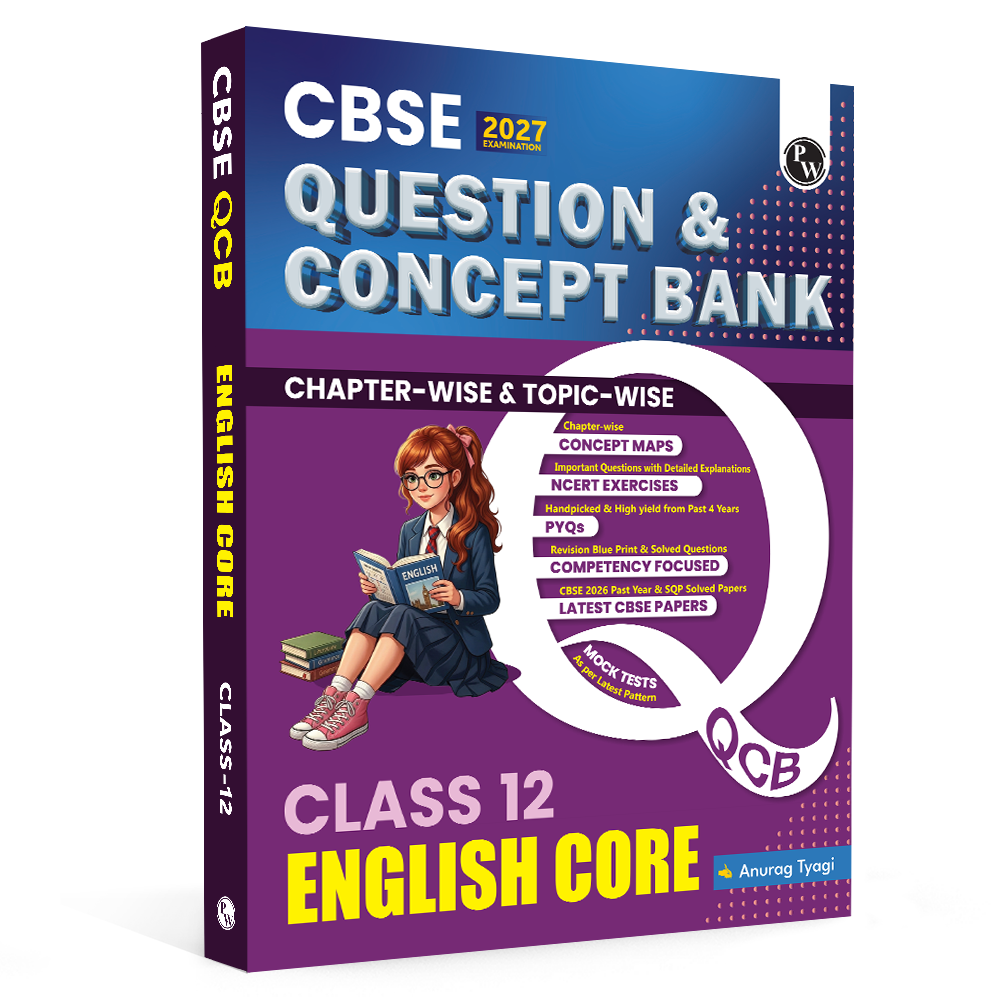
Using a comprehensive CBSE Class 12 English question bank allows you to apply this process repeatedly until it becomes automatic.
Time Management Tips Using a Class 12 Question Bank
Time management is often the main hurdle in the reading section. Allocating specific minutes to each task prevents panic near the end of the paper.
Recommended Time Distribution
-
First 2 Minutes: Read the questions quickly to set scanning targets.
-
Next 5–7 Minutes: Read and skim the passage thoroughly.
-
Final 8–10 Minutes: Draft concise, accurate answers and re-check data-based questions.
How to Build Speed During Practice
-
Set a strict timer of 15 to 18 minutes per passage during self-study sessions.
-
Avoid re-reading entire paragraphs unless necessary for an inference question.
-
Track how long different passage types take you (e.g., factual vs. case-based) to identify areas needing improvement.
Integrating timed practice into your overall CBSE English preparation ensures you handle exam pressure comfortably.
Common Reading Mistakes to Avoid with Class 12 Question Bank
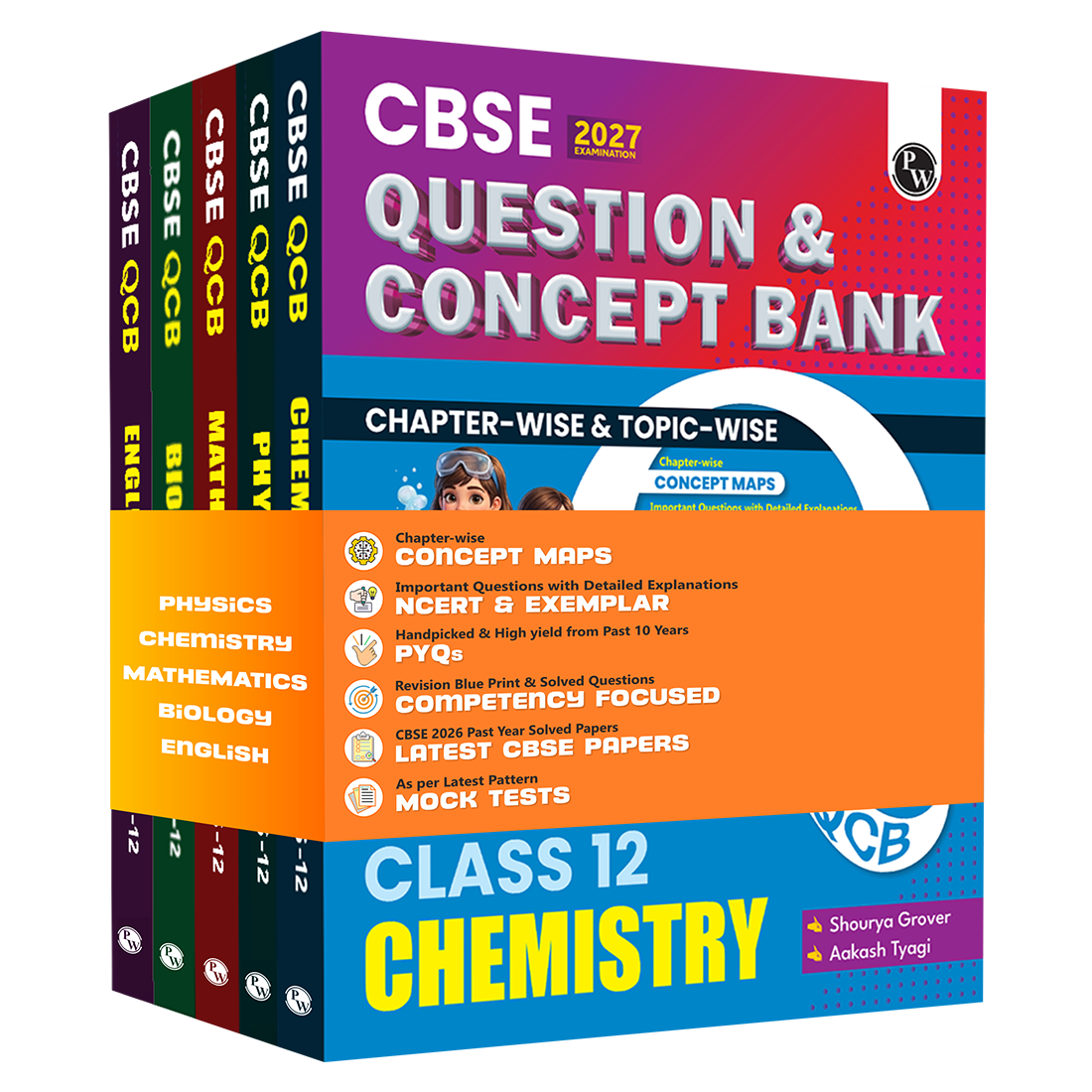
Even well-prepared students can lose marks due to simple errors. Avoid these common traps by practising regularly with the CBSE Class 12 Question Bank Set of 5. It provides structured chapter-wise practice that helps you identify recurring mistakes, improve accuracy, and become more confident with different question types before the final examination.
-
Bringing Outside Knowledge: Always answer strictly based on the provided text, even if you personally know extra facts about the topic.
-
Over-writing Answers: Short-answer questions require clear, concise points. Extra writing wastes time without earning extra marks.
-
Ignoring Contextual Meaning: Vocabulary questions test word meanings within the passage, which may differ from standard dictionary definitions.
-
Skipping Visual Data: Case-based passages rely heavily on graphs or tables. Ensure you read labels and axes carefully.
-
Copying Lines Verbatim: Frame answers in your own words whenever possible to demonstrate genuine comprehension.
Regular sessions with a dedicated reading comprehension Class 12 practice guide help eliminate these habits long before the final exam.
How to Combine Reading Practice with Class 12 Question Bank
Reading comprehension should not be practiced in isolation. Aligning it with your broader study schedule makes preparation efficient.
-
Daily Micro-Sessions: Practice one passage every day rather than doing ten passages in a single sitting.
-
Review Wrong Answers: Review why an answer was wrong. See if it is a scanning error, a misconception, or a vocabulary deficiency.
-
Integrate Literature and Grammar: Use insights from passage analysis to improve your overall vocabulary and sentence construction in writing tasks.
Consistent evaluation using a reliable English revision strategy keeps your reading skills sharp alongside literature preparation.
Read More: CBSE Class 12 English Syllabus
Class 12 Question Bank FAQs
How many passages should I practice weekly using a class 12 question bank?
Better practice 4 to 5 passages a week. Going through multiple passages just before tests is not as useful as consistency.
How can I improve my score in case-based reading passages?
Focus on interpreting charts, graphs, and trends accurately. Practice connecting visual data points directly with the surrounding text explanations.
What is the best way to handle difficult vocabulary in a passage?
Read the complete sentence surrounding the unknown word. Use the context and general topic to infer the most logical meaning.
Should I answer factual or inference questions first?
Answer direct factual questions first. Locating specific facts familiarizes you with the passage layout, making inference questions easier to solve afterward.
Can a question bank help improve writing skills too?
Yeah. You will automatically improve your overall writing quality by being exposed to different sorts of passages, coherent sentence structures, and sophisticated terminology.