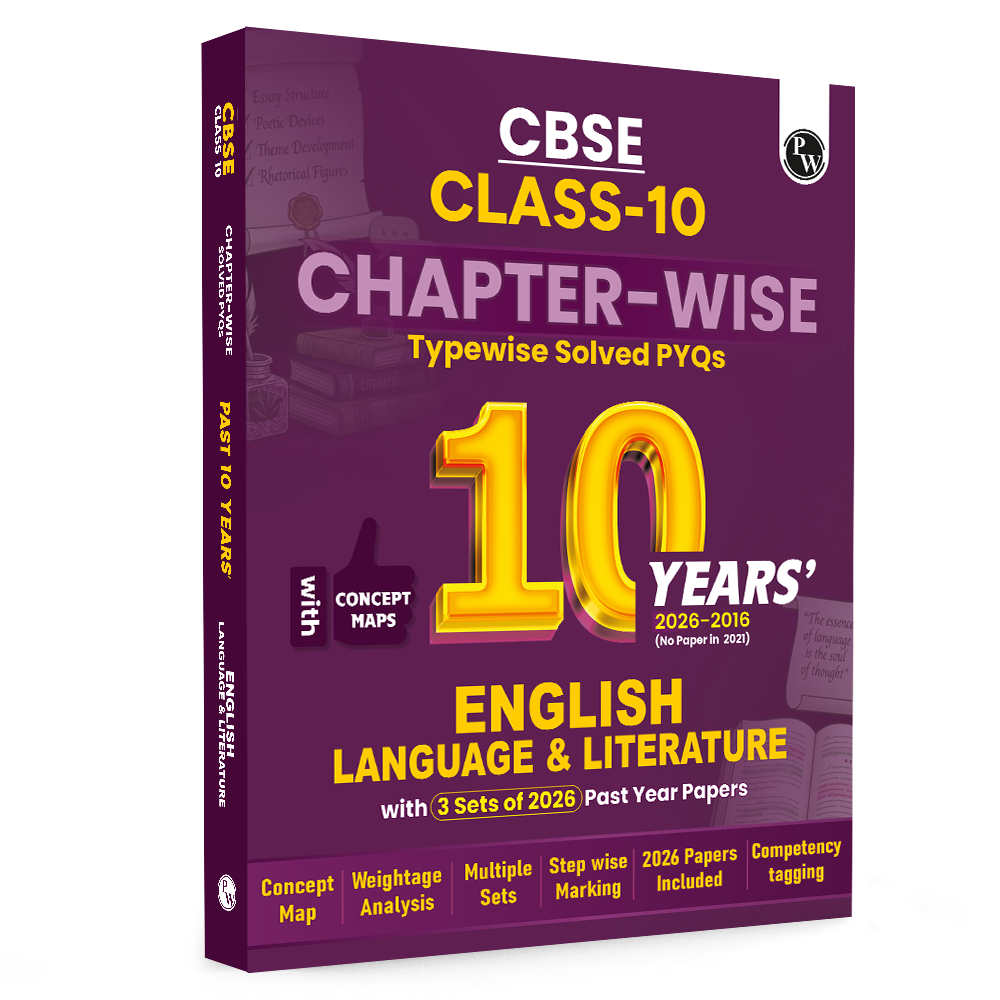
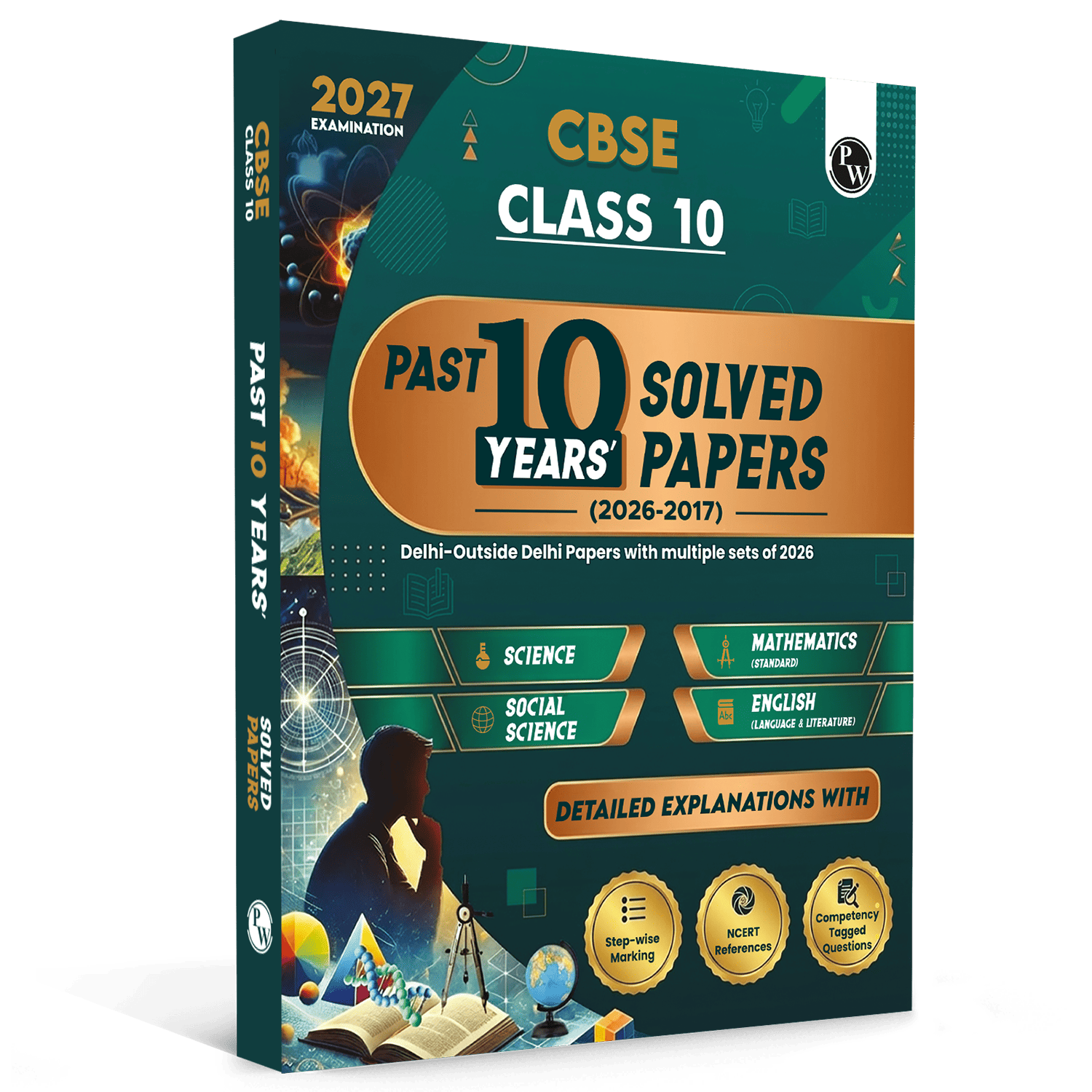
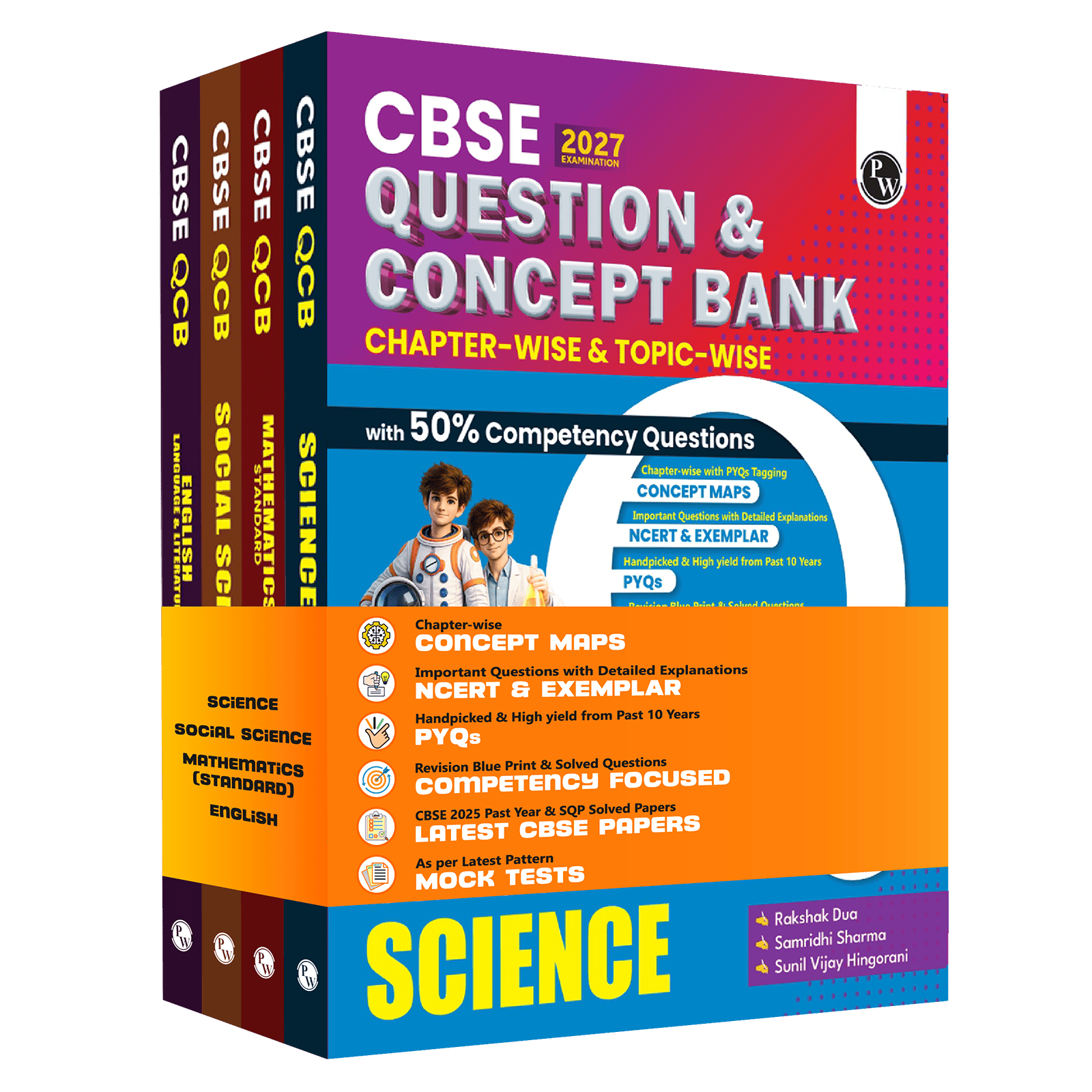
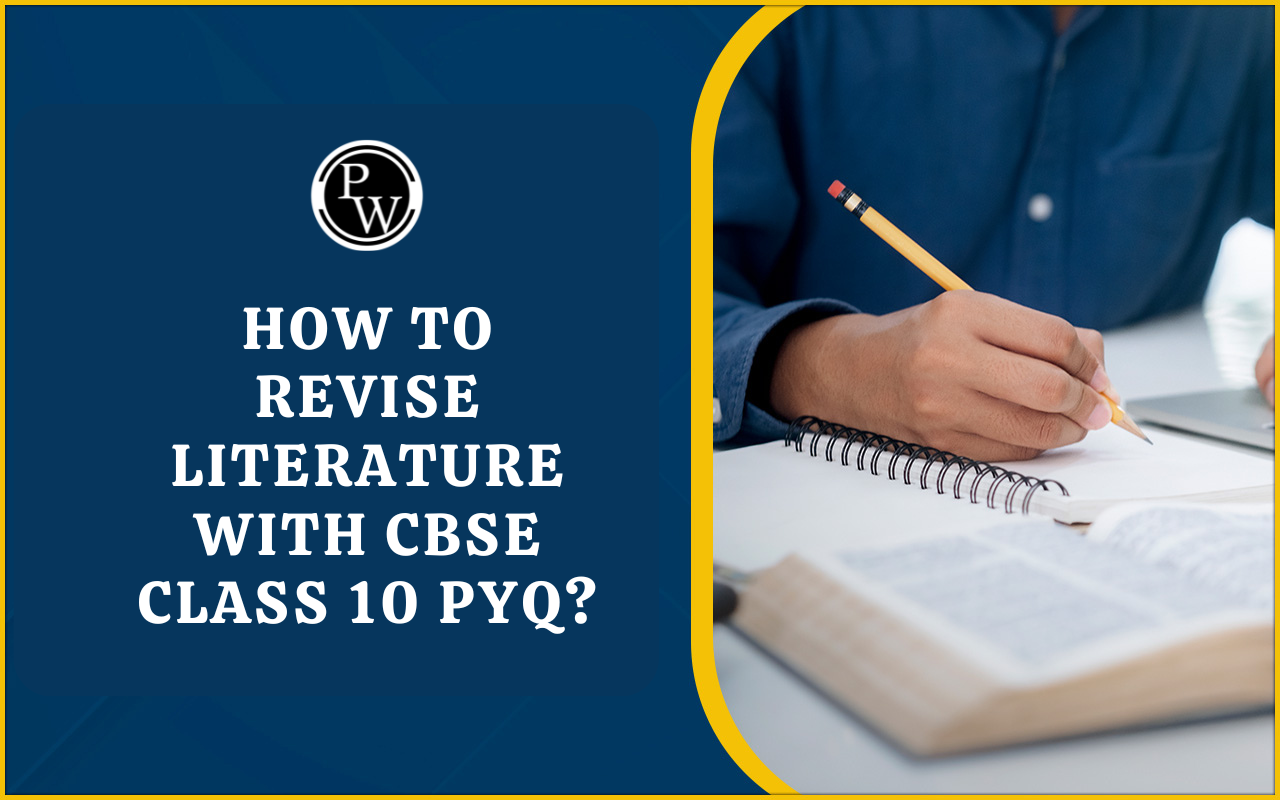
How to Revise Literature with CBSE Class 10 PYQ?
Students frequently struggle to identify which chapters carry maximum weight or how to structure long-form responses for prose and poetry. Without a focused strategy, literature revision becomes unstructured and stressful.
A CBSE Class 10 PYQ collection solves this problem by directing attention toward actual question patterns, marking schemes, and recurring themes. Practising real questions builds the analytical skills needed to score well in school tests and final papers.
What Is CBSE Class 10 PYQ?
A CBSE Class 10 PYQ resource is a comprehensive collection of authentic past year papers designed to help students prepare effectively for board examinations. It gathers real exam papers across multiple years, including Delhi, Outside Delhi, Term I, and Term II sets, providing broad exposure to board paper trends.
These collections are structured to strengthen conceptual clarity, problem-solving skills, and overall exam confidence. Instead of randomly flipping through textbook pages, students gain access to well-organised materials that highlight exactly how questions have been framed over time.
Key elements included in a structured past paper collection:
-
Chapter-wise Analysis: Categorises 6 past years of papers to highlight topic-wise weightage and question distribution across important chapters.
-
Trend Insights: Provides detailed question typology and trend analysis from the past 5 years to highlight evolving exam patterns.
-
Detailed Step-by-Step Explanations: Supports every answer with clear explanations and step-wise marking guidance aligned with board marking schemes.
-
Rationalised Syllabus Clarity: Marks questions from rationalised topics clearly as Out of the Syllabus (OS) for focused study.
-
NCERT Concept Mapping: Links each question directly to relevant NCERT references for quick textbook review.
-
Competency-Based Distribution: Maps case-based, application-based, and competency-focused questions across 10 years of papers.
How CBSE Class 10 PYQ Helps in Literature Revision?
Literature revision demands more than simple memorisation of plotlines. Board markers evaluate clarity of thought, thematic understanding, and precise character analysis. Integrating a CBSE Class 10 PYQ book into a mid-term study routine systematically transforms passive reading into active exam preparation.
Here is how past papers enhance literature study:
-
Understanding Question Typologies: Students learn to distinguish between direct factual questions, character evaluations, and theme-based analysis, preventing unexpected surprises on exam day.
-
Mastering Answer Structuring: Clear step-by-step guidance demonstrates how to frame answers according to official marking patterns, ensuring every mark-yielding point is included.
-
Identifying Important Chapters: Chapter-wise distribution analysis helps students pinpoint high-weightage chapters and focus energy on recurring themes.
-
Refining Exam Confidence: Exposure to real board papers reduces pre-exam anxiety and helps students manage their time effectively during mid-term tests.
What are the Important Literature Questions in CBSE Class 10 PYQ?
Literature sections test a variety of writing styles and critical thinking abilities. Studying past papers allows students to categorize questions based on their format and target skills.
|
Question Category |
Literature Focus |
Revision Objective |
|
Extract-Based Questions |
First Flight Questions (Prose & Poetry) |
Tests line-by-line comprehension, context identification, and poetic devices. |
|
Short Answer Questions |
Footprints Without Feet PYQs |
Evaluates core plot points, character motives, and key events concisely. |
|
Long Analytical Questions |
Comparative character studies and theme analysis |
Checks deep understanding of central messages, values, and literary techniques. |
|
Competency-Based Items |
Real-world scenario application |
Assesses critical thinking using real-world contexts and character decisions. |
When to Use CBSE Class 10 PYQ?
Timing plays a significant role in getting the good results from past papers. Using a CBSE Class 10 PYQ set at the right stage of mid-term preparation keeps revision organised and productive.
-
Immediately After Chapter Completion: Solve related past questions right after reading an NCERT chapter to check retention and understanding.
-
During Mid-Term Revision Weeks: Work through chapter-wise collections to identify weak areas that require extra reading.
-
Before School Tests: Review step-by-step solutions to align writing style with official board marking guidance.
-
During Final Revision Sessions: Attempt full-length papers from multiple sets to build speed, accuracy, and overall paper-solving stamina.
How to Use CBSE Class 10 PYQ Before the Board Exam?
Using past papers effectively requires an active study method. Simply reading through questions and solutions leads to passive learning, which rarely translates into high scores during actual tests.
Follow this systematic routine to maximize retention:
-
Read NCERT First: Always study the chapter or poem directly from the NCERT textbook before opening past papers.
-
Attempt Questions Independently: Write answers on paper without checking the provided solutions to test genuine recall and writing ability.
-
Compare with Step-by-Step Solutions: Check your written responses against official step-wise marking guidance to spot missing key points or structural gaps.
-
Filter Rationalised Topics: Pay close attention to questions marked as Out of the Syllabus (OS) so you do not waste time studying deleted material.
-
Practice Competency-Based Items: Focus specifically on case-based and application-focused questions to build strong analytical skills.
Check Out: CBSE Class 10th Question Banks
Study Plan For Solving the CBSE Class 10 PYQ
A well-planned revision schedule breaks down long study sessions into manageable tasks, helping students stay on track without feeling overwhelmed.
Phase 1: Concept Mapping & Chapter Review
Begin by reading primary literature texts carefully. Connect core textbook topics directly with past paper references to understand how theoretical lessons translate into board exam questions.
Phase 2: Targeted Practice & Skill Building
Focus on writing answers for various question typologies. Practise short-answer questions, extract-based problems, and character analysis items separately to build consistent writing habits.
Phase 3: Evaluation & Final Refinement
Self-evaluate your responses using detailed marking guidance. Identify recurring errors, check for correct vocabulary, and ensure answers follow the recommended structure.
Tips to Score Better with CBSE Class 10 PYQ
Scoring well in English literature requires a balance of strong content, proper formatting, and time management. Practising with CBSE English PYQs helps refine these skills ahead of time.
-
Use Direct Key Terms: Incorporate central themes, character traits, and literary devices directly from NCERT texts into your responses.
-
Adhere to Word Limits: Keep short answers crisp and focus long answers on logical development to manage exam time efficiently.
-
Master Step-Wise Marking: Align your answer structure with official marking schemes to capture all allocated marks for a question.
-
Strengthen Competency Responses: Spend time on CBSE Class 10 PYQ competency questions to build confidence for application-based items.
Common Mistakes to Avoid While Solving CBSE Class 10 PYQ
Steering clear of common study traps keeps your mid-term revision focused and effective.
-
Rote Learning Solutions: Memorising answers word-for-word makes it hard to adapt when questions appear with slight variations on tests.
-
Studying Out-of-Syllabus Questions: Failing to check OS markings can lead to unnecessary time spent on topics removed under the rationalised syllabus.
-
Reading Without Writing: Browsing through papers passively does not build the physical writing speed or sentence construction skills needed in exams.
-
Ignoring Evolving Trends: Skipping trend insights means missing out on recent shifts toward competency-focused and application-based questions.
Also Check - CBSE Class 10 Books
CBSE Class 10 PYQ FAQs
What makes past year papers essential for an English board revision?
They reveal key chapter weightage, recurring question typologies, and exact step-wise marking criteria needed to score high marks.
How do solved past papers assist with literature questions?
They provide structured step-by-step solutions aligned with board standards, helping students write clear, well-organised answers.
Should students solve questions marked as Out of the Syllabus?
No, questions clearly flagged as OS should be skipped to keep revision strictly aligned with the current rationalised syllabus.