How to Practise CBSE Class 11 Chemistry Questions with PW Book
Class 11 Chemistry introduces physical, organic, and inorganic concepts that require regular practice and clear understanding. Students often find it difficult to apply textbook concepts to numerical problems, chemical equations, and conceptual questions. Practicing CBSE class 11 chemistry questions with a structured question bank helps strengthen fundamentals, improve problem-solving skills, identify weak areas, and prepare more confidently for school exams.
How to Practise CBSE Class 11 Chemistry Questions Effectively
Tackling cbse class 11 chemistry questions requires a systematic approach that moves beyond rote memorisation. Chemistry includes different types of concepts, so students need to adjust their practice method according to the chapter. Physical Chemistry requires calculation-based practice, Organic Chemistry needs reaction and structure-based understanding, while Inorganic Chemistry requires regular revision of concepts, trends, and properties.
Learners should break chapters into manageable segments, starting with fundamental definitions and concepts before moving on to multi-step numerical problems. Using a dedicated CBSE class 11 chemistry question bank provides exposure to different difficulty levels, from direct formula-based questions to analytical and application-based problems.
-
Read NCERT Thoroughly: Use the textbook to understand definitions, concepts, reactions, examples, and important explanations before starting question practice.
-
Maintain a Formula Log: Note important formulas, constants, relationships, and conditions used in numerical chapters for quick revision.
-
Create a Reaction List: Record important reactions, reagents, products, and conditions while studying Organic and Inorganic Chemistry.
-
Focus on Active Recall: Attempt questions independently before checking the answer or solution.
-
Revise Mistakes: Mark questions that were answered incorrectly and solve them again after a few days.
Consistent daily practice helps students become familiar with different question patterns. It can also improve time management because students gradually learn which formulas, concepts, and methods should be applied to specific problems.
Using a Question Bank for CBSE Class 11 Chemistry Questions
A structured chemistry question bank organises problems chapter-wise and topic-wise, saving valuable revision time. Instead of searching for questions from different sources, students can follow a planned sequence and practise immediately after completing a topic.
Physical Chemistry demands rigorous calculation practice, while Organic Chemistry requires familiarity with reactions, nomenclature, structures, and concepts such as isomerism. Inorganic Chemistry involves periodic trends, properties, bonding, and reactions that require repeated revision. Having a curated set of CBSE Class 11 chemistry practice questions allows students to test their understanding after completing each topic.
|
Chemistry Branch |
Focus Area |
Recommended Practice Strategy |
|
Physical Chemistry |
Numerical calculation, Mole concept, Thermodynamics |
Solve step-by-step calculations and verify units. |
|
Organic Chemistry |
Reaction mechanisms, IUPAC nomenclature |
Practice conversion reactions and structural formulas. |
|
Inorganic Chemistry |
Periodic trends, Chemical bonding, Coordination compounds |
Focus on structural exceptions and regular revisions. |
Using dedicated resource CBSE Class 11 books ensures that learners do not miss out on vital competency-based problems introduced in recent board guidelines.
Planning CBSE Class 11 Chemistry Questions Practice
Thorough chemistry preparation relies on building steady momentum throughout the academic year instead of cramming before examinations. Students should divide their preparation into learning, practice, revision, and testing stages.
Start by clearing basic concepts such as the mole concept, atomic structure, and chemical bonding before moving to chapters that depend on these foundations. Understanding earlier concepts can make later topics easier to approach.
-
Attempt Chapter-Wise Exercises: Solve structured problems soon after completing a chapter or topic to check whether the concepts are clear.
-
Start With Basic Questions: Begin with direct questions before moving to multi-step numerical and competency-based problems.
-
Analyse Mistakes: Maintain a separate log for calculation errors, incorrect formulas, reaction mistakes, and conceptual misunderstandings.
-
Revise Difficult Topics: Return to questions that caused difficulty instead of leaving them for the final revision period.
-
Simulate Exam Conditions: Set a timer while attempting selected practice sets to improve speed and concentration.
-
Track Progress: Record the chapters completed and note areas where accuracy needs improvement.
Regular assessment with a CBSE Class 11 Question Bank helps identify weak spots early, giving students enough time to clear their doubts and re-read difficult segments.
Solving Difficult CBSE Class 11 Chemistry Questions
Encountering unfamiliar chemistry exam questions can be intimidating, particularly when a problem combines concepts from different topics. Structured practice can help students become more comfortable with such questions. Competency-based problems may require learners to interpret information, identify relevant principles, and apply them to a new situation.
A useful approach is to avoid immediately looking at the solution. Students should first identify what the question is asking and list the information provided.
-
Deconstruct the Question: Identify the given values, chemical species, reactions, conditions, and what needs to be calculated or explained.
-
Choose the Right Concept: Determine whether the question involves a formula, reaction, chemical property, periodic trend, or another concept.
-
Check Balancing: Ensure chemical equations are correctly balanced before performing stoichiometric calculations.
-
Maintain Unit Consistency: Convert values into suitable units before substituting them into formulas.
-
Review the Final Answer: Check whether the calculated value, chemical equation, structure, or explanation is logically correct.
For numerical problems, students should write the formula first and then substitute the values. For reaction-based questions, identifying the reactant, reagent, reaction condition, and expected product can make the problem easier to solve.
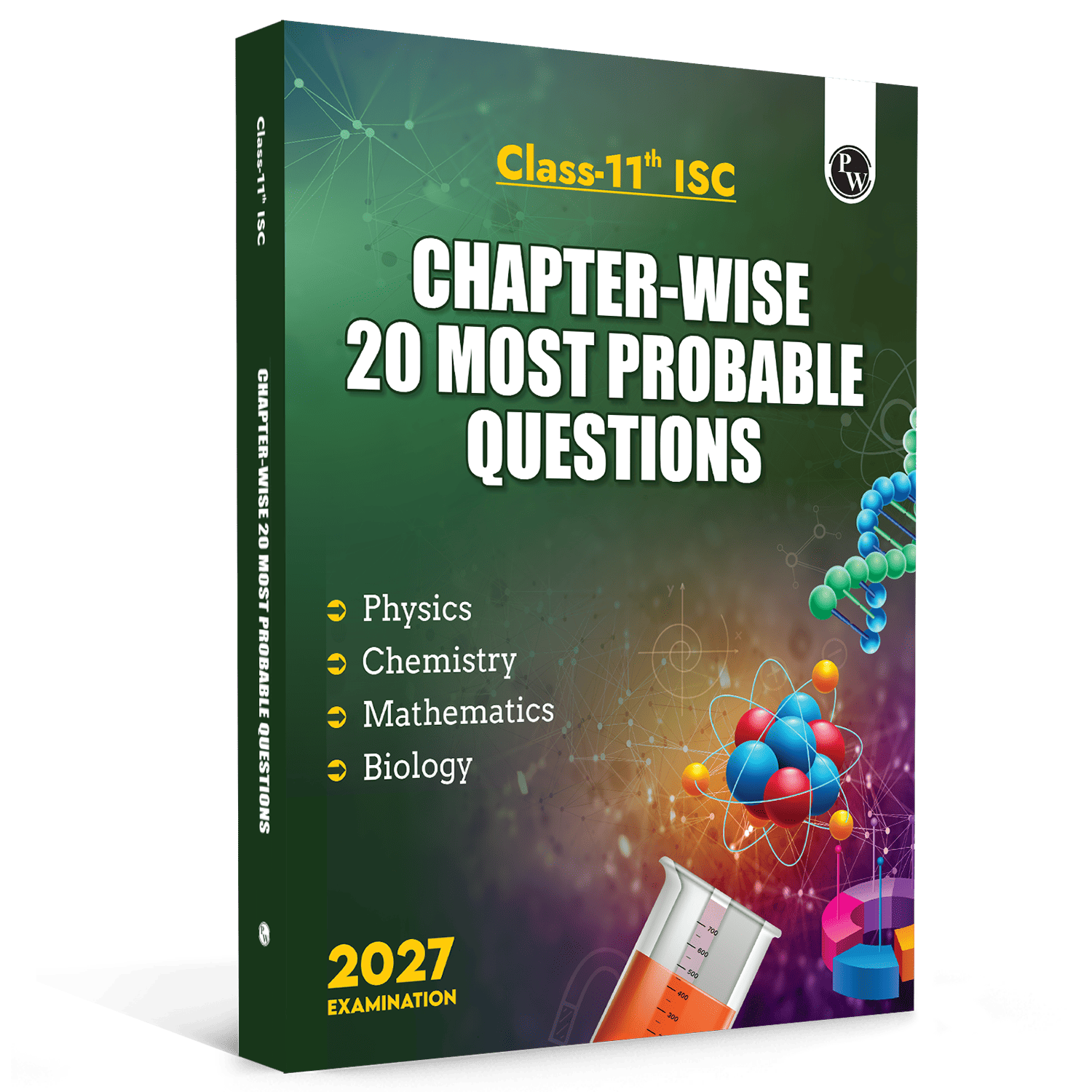
Also Check - Class 11 Chapter-wise 20 Most Probable Questions
Revising CBSE Class 11 Chemistry Questions for Better Accuracy
Maximising the value of practice questions requires more than completing a large number of problems. Students should focus on understanding why an answer is correct and learning from incorrect attempts.
A useful revision cycle is to revisit questions after a short gap. Questions that were difficult or incorrectly answered can be marked for additional practice. This approach helps students identify whether the problem was caused by a conceptual gap, calculation error, or misunderstanding of the question.
-
Timed Drills: Solve short sets of questions within a fixed time to improve speed and accuracy.
-
Mixed Practice: Combine questions from different chapters after completing individual chapter-wise practice.
-
Peer Discussions: Discuss difficult reaction pathways, numerical methods, or alternative approaches with classmates.
-
Utilise Detailed Solutions: Review explanations after attempting questions independently to understand the correct method.
-
Repeat Incorrect Questions: Solve previously incorrect questions again without looking at the earlier solution.
-
Take Chapter Tests: Attempt a short test after completing each chapter to measure progress.
Students should avoid judging preparation only by the number of questions completed. Accuracy, conceptual understanding, and the ability to solve unfamiliar questions are equally important.
Regular practice throughout Class 11 can also create a stronger foundation for future academic and entrance examination preparation. Developing good habits early makes it easier to manage more advanced Chemistry topics later.
Read More: CBSE Class 11 Question Bank PDF Download
CBSE Class 11 Chemistry Questions FAQs
What makes the PW question bank ideal for CBSE Class 11 chemistry questions?
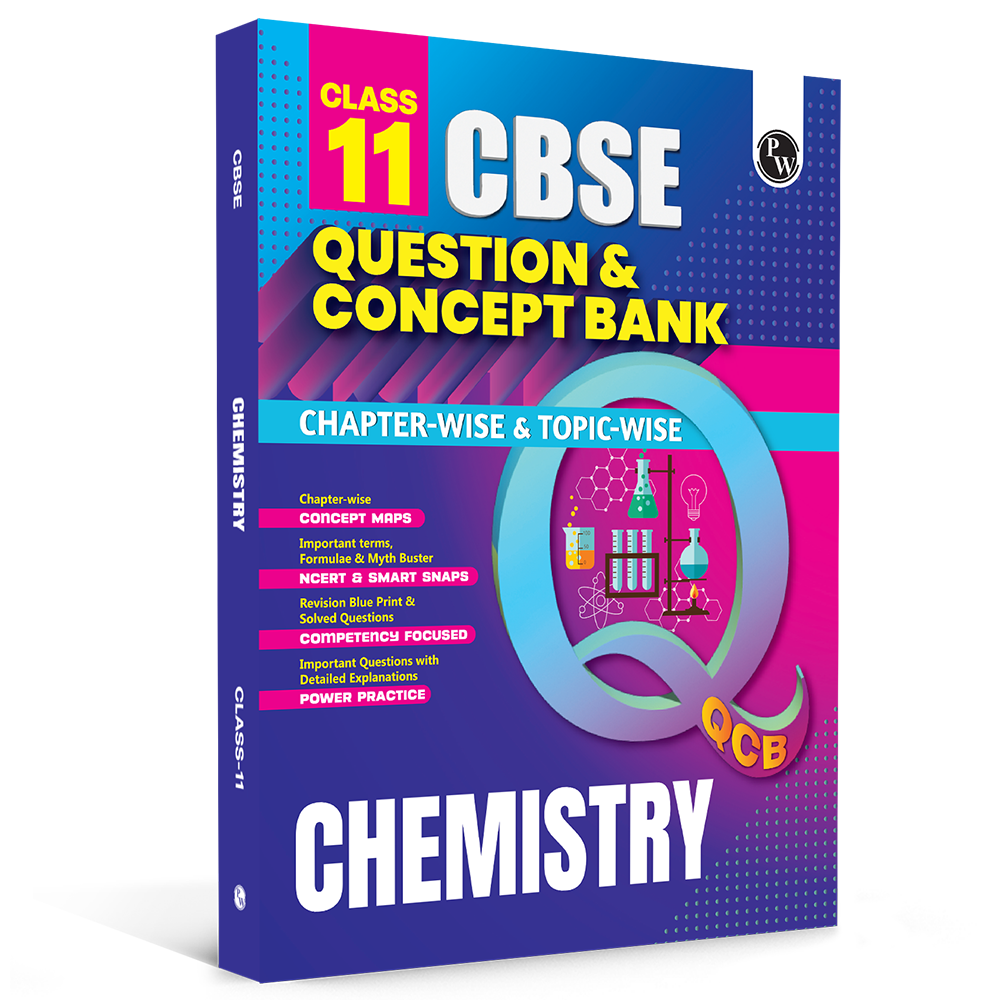
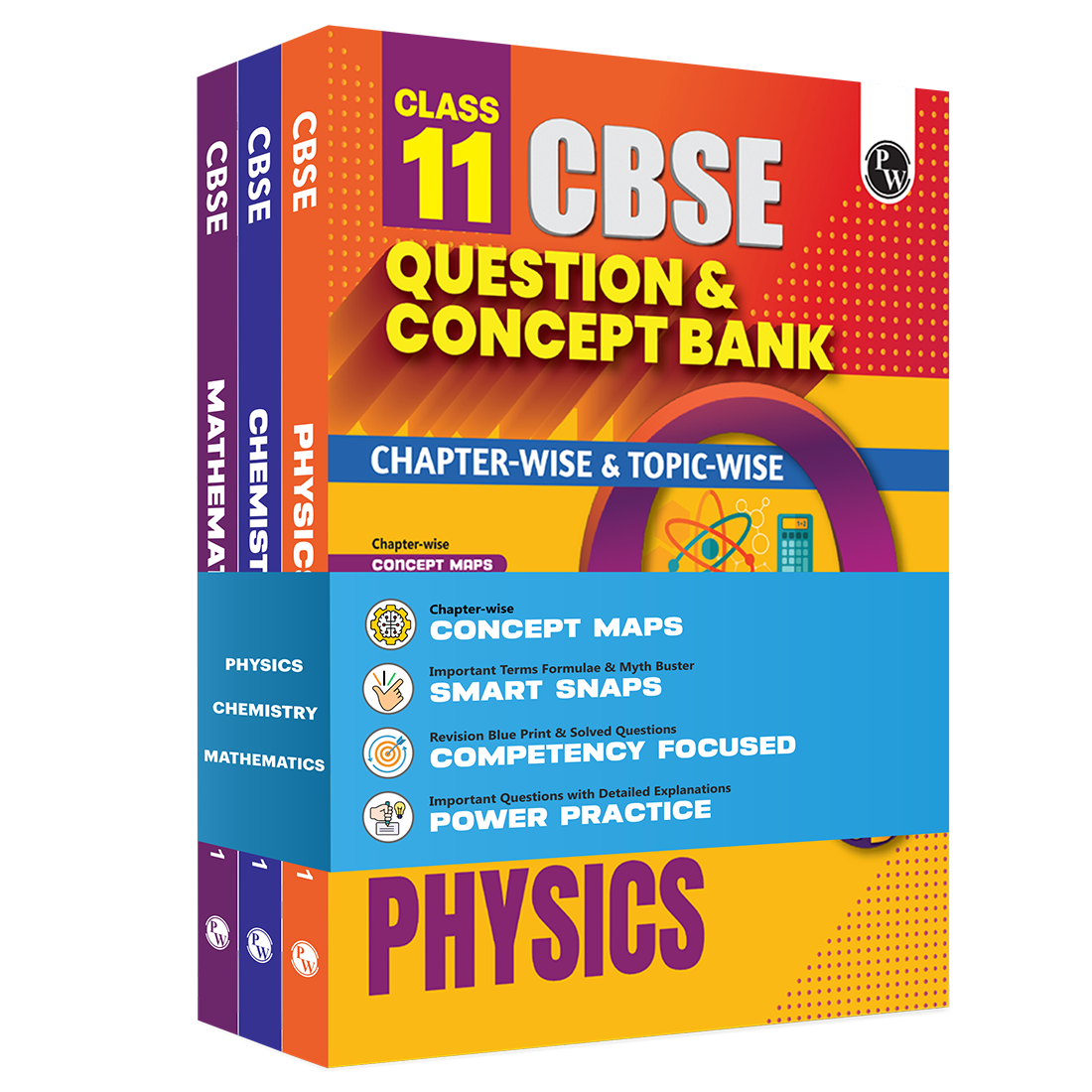
The Physics Wallah Question and Concept Bank offers chapter-wise and topic-wise solved exercises along with updated competency-based questions tailored specifically for modern board requirements.
How many CBSE Class 11 practice questions should I solve daily?
Solving ten to fifteen varied questions daily across physical, organic, and inorganic branches helps maintain steady academic momentum without causing burnout.
Can a chemistry question bank help with competitive exam foundations?
Yes, practicing analytical problems from a structured question bank strengthens core reasoning skills required for engineering and medical entrance tests.
What is the best way to approach class 11 chemistry preparation during school terms?
Pairing your NCERT reading sessions with immediate topic-wise problem solving ensures strong conceptual clarity and reduces pre-exam revision pressure.
How do I handle tricky numericals while practicing class 11 chemistry exam questions?
Break down the problem into known parameters, write down the relevant formula, maintain strict unit consistency, and double-check your arithmetic steps.