How to Practise Writing and Literature Answers Using Class 10 English PYQ Book
Scoring high marks in the board exam requires more than just reading the textbook chapters. Many students understand the stories and poems well but struggle to frame structured answers within the official time limit. This is where practising with a reliable CBSE Class 10 English PYQ book makes a massive difference to your final results.
This article details how to use previous year papers to master your writing skills, manage your time effectively, and secure maximum marks in both writing sections and literature chapters.
Overview of CBSE Class 10 English PYQ
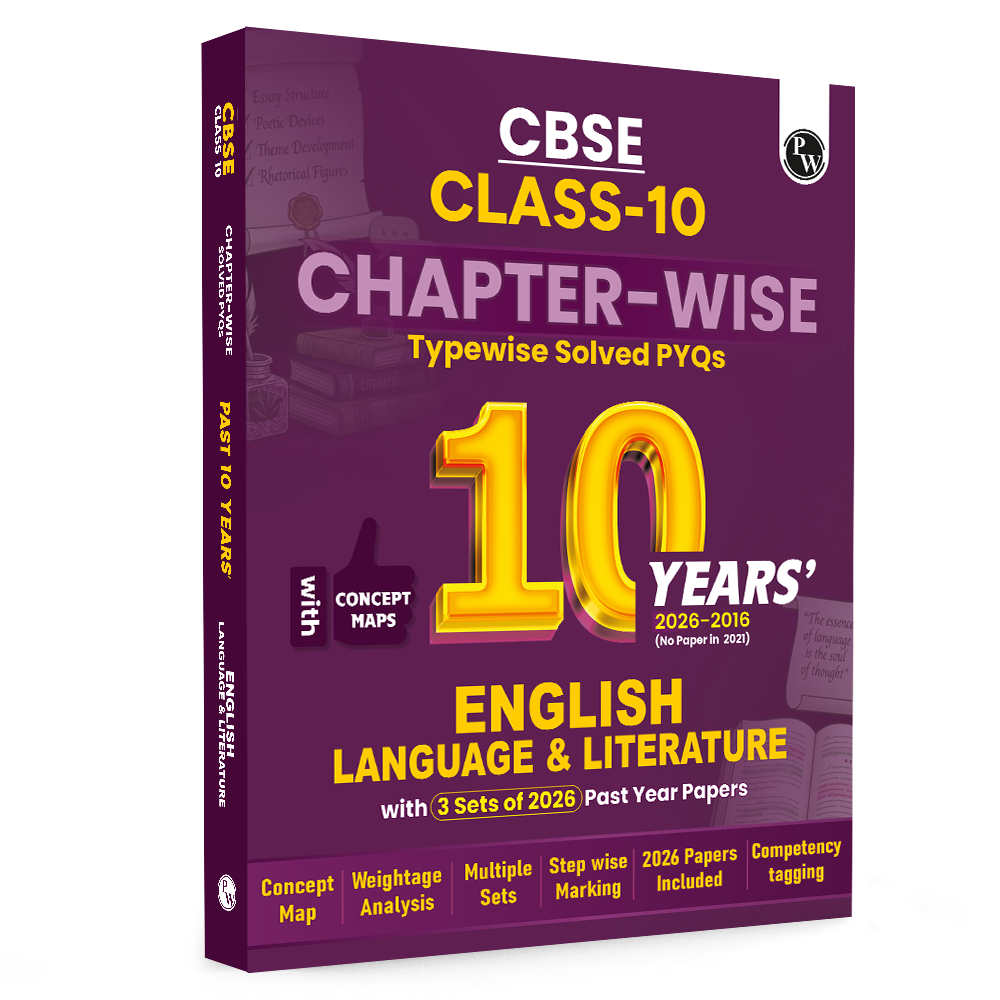
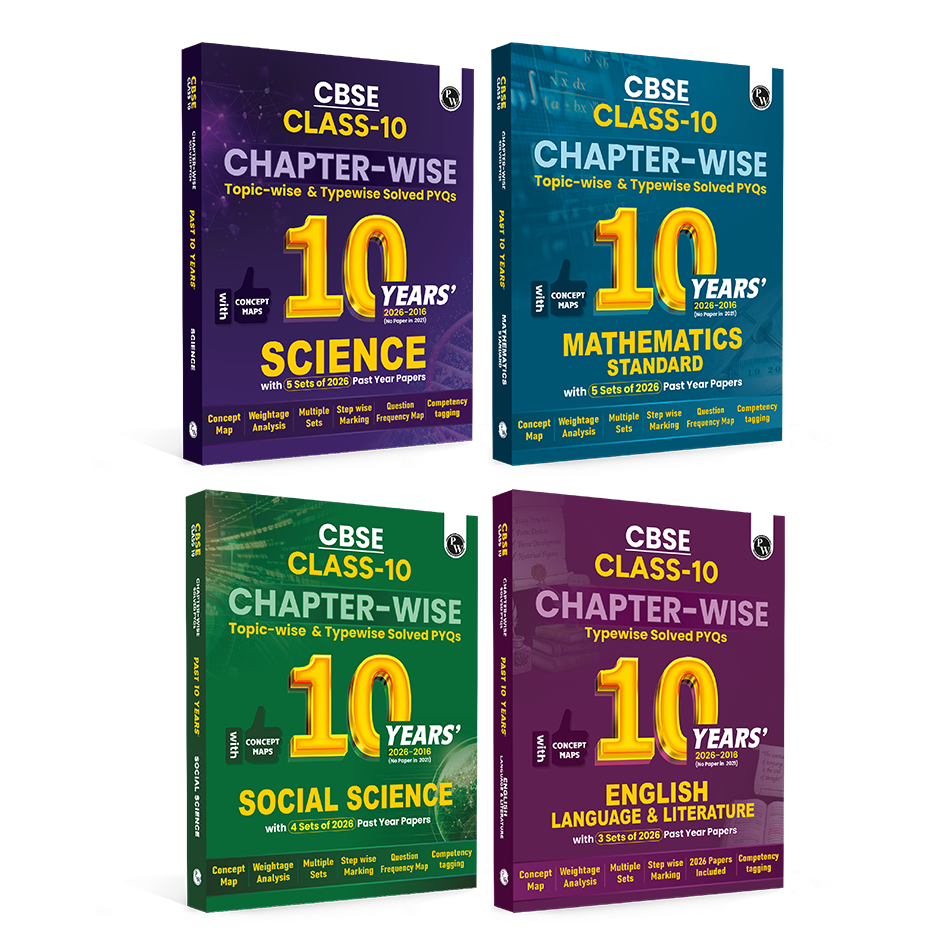
A proper CBSE Class 10 English PYQ collection is a structured compilation designed to help students prepare strategically. A comprehensive book covers 10 years of solved CBSE Board questions spanning from 2016 to 2026. The book is structured into multiple learning segments to ensure efficient revision:
-
Chapter-wise, Topic-wise & Type-wise Segregation: Questions are arranged according to the current syllabus structure, allowing you to focus on specific chapters or grammar topics individually.
-
Multiple Paper Sets: Books include multiple sets from both Delhi and Outside Delhi regions, providing a broader look at different paper variants.
-
Official Sample Papers: Features CBSE Class 10 previous year papers alongside Official CBSE Sample Question Papers (SQPs) to keep practice aligned with current expectations.
Why is the CBSE Class 10 English PYQ Effective for Writing and Literature Practice?
The literature and writing sections carry significant weight in the final examination. Practising with a CBSE Class 10 English PYQ guide is highly effective because it goes beyond simple rote learning to help build critical exam skills.
-
Accurate Answer Presentation
These books provide step-by-step, detailed solutions linked directly with NCERT concepts. This teaches you how to reference the text correctly, choose strong vocabulary, and construct structured arguments for character sketches or thematic explanations.
-
Insight into Marking Dynamics
The resources highlight that these past books contain detailed explanations with step-wise marking schemes. Reviewing these papers shows you how marks are allocated for content, expression, and grammatical accuracy, helping you write more targeted responses.
How to Use CBSE Class 10 English PYQ
Simply reading through past questions and answers is not enough; you need an active strategy to get the most out of your CBSE Class 10 English PYQ book.
Step 1: Set Up an Active English Writing Practice Routine
Do not just skim the solutions provided in the book. Sit down with a notebook and dedicate time to focused English writing practice. Draft formal letters, analytical paragraphs, and analytical essays fully before checking the book's solutions to spot areas for improvement.
Step 2: Conduct Targeted Literature PYQs Sessions
When reviewing the literature section, focus on literature PYQs from various chapters. Focus on how the answers integrate specific quotes and character motivations from the NCERT text, then try to replicate that depth in your own writing.
Step 3: Match the Marking Criteria
After drafting your answers, grade your work strictly against the provided detailed solutions. Pay close attention to the step-wise marking guidelines to see if your answer satisfies the content requirements or falls short on structural layout.
Benefits of CBSE Class 10 English PYQ Regularly
Consistent engagement with previous year papers builds exam confidence and refines your test-taking style. Incorporating a CBSE Class 10 PYQ 2027 resource into your daily study routine offers several key operational advantages:
-
Better Time Management: Writing answers under timed conditions helps you learn how much time to spend on a long-form story or letter versus a short literature question.
-
Understanding Question Trends: Smart exam analysis tracks evolving trends and question typologies, showing you which themes are revisited most often.
-
Tracking Common Topics: Visual tools like a question frequency map or concept maps help you prioritize high-weightage chapters.
-
Self-Assessment: Comparing your practice answers against the official marking schemes allows you to find and correct recurring mistakes independently.
Who Should Use CBSE Class 10 English PYQ?
This exam tool is built for a wide range of academic needs throughout the school year. Anyone aiming to improve their presentation and language skills can benefit from using a CBSE Class 10 English PYQ book.
-
Students Seeking Focused Revision: Excellent for anyone looking for a reliable Class 10 English revision tool to reinforce chapters read earlier in the year.
-
Learners Perfecting Their Style: Ideal for those who want structured answer writing practice to learn how to present long answers clearly.
-
Candidates Preparing for Finals: A vital asset for comprehensive English board preparation to help reduce exam anxiety through realistic exam practice.
-
Educators and Tutors: A useful reference guide for teachers looking to set realistic mock tests based on historical CBSE trends.
Practice Sheet of CBSE Class 10 English PYQ
To help structure your study sessions, use this sample tracker based on past paper trends. It outlines key question types found in a CBSE Class 10 English PYQ book along with focal points for your practice.
|
Exam Section |
Question Typology |
Source / Coverage |
Focus Area for Practice |
|
Section B: Writing |
Formal Letter (Editor/Order) |
10 Years Solved Papers (2016–2026) |
Perfecting formal layout, tone accuracy, and clear concise expression. |
|
Section B: Writing |
Analytical Paragraph |
Recent Sets & Sample Papers |
Analyzing chart or graph trends accurately without adding personal bias. |
|
Section C: Literature |
Short Answer (Extract-Based) |
Chapter-wise & Topic-wise PYQs |
Extracting contextual meaning and answering directly in 30–40 words. |
|
Section C: Literature |
Long Answer (Theme/Character) |
Competency Tagged Questions |
Building structured 100–120 word arguments with clear text references. |
Check Out: CBSE Class 10th Question Banks
Study Plan with CBSE Class 10 English PYQ
To maximize your results, follow this organized four-week study plan. It integrates your CBSE Class 10 English PYQ book into a structured schedule to ensure comprehensive coverage before your final exams.
Week 1: Diagnostic Review and Trend Identification
Start by reviewing the smart exam analysis and question frequency maps in your book. Identify which chapters and writing formats appear most often. Take a complete paper from CBSE English previous papers and solve it without a timer to assess your current baseline skill level.
Week 2: Topic-Wise Writing and Grammar Focus
Dedicate this week to targeted writing practice. Work through the past questions for formal letters and analytical paragraphs type-by-type. Review the step-wise marking schemes to ensure your layouts perfectly match official CBSE guidelines.
Week 3: Chapter-Wise Literature Reinforcement
Go through your literature chapters one by one using the chapter-wise segregation in your past papers book. Solve both extract-based short questions and extended long answers, focusing on incorporating key terms and thematic insights from the text.
Week 4: Full-Length Exam Simulations
Treat this final week as a live exam dress rehearsal. Sit in a quiet room, set a timer for three hours, and solve an entire multi-set paper from the recent 2026 collections. This practice helps build real-time endurance and sharpens your pacing for the actual exam.
Read More: CBSE Class 10 English Previous Year Question Paper with PDFs
CBSE Class 10 English PYQ FAQs
Q1: Can studying a CBSE Class 10 English PYQ book replace reading the main NCERT textbook?
No, past papers should complement your textbook rather than replace it. Use your textbook to understand the core stories and poems, then use past papers to learn how to frame and structure your answers correctly for the exam.
Q2: Why are step-wise marking schemes in previous year books so important?
Step-wise marking schemes show you exactly how points are awarded for layout, content coverage, and grammar. This insight keeps you from writing overly long answers and helps you focus on the specific details examiners look for.
Q3: How does practicing past analytical paragraphs improve my writing skills?
Practicing past analytical paragraphs helps you interpret charts, maps, or data tables objectively. This practice teaches you how to summarize complex information clearly and concisely using formal language.
Q4: What makes competency-tagged questions different from standard past questions?
Competency-tagged questions test your higher-order thinking, inference skills, and real-world application of themes. Working through them prepares you for modern, analytical evaluation styles that go beyond simple factual recall.