How to Start Class 10 Preparation Right After Class 9
Start your Class 10 preparation after Class 9 by mastering basic concepts early. Focus on a balanced Class 10 study timetable for students, use high-quality Class 10 study material, and maintain consistency to reduce exam-season stress while securing high marks. In this article, we will break down exactly how to bridge the gap between these two grades. By focusing on a structured approach, you can turn that initial anxiety into a productive routine. We’ll look at everything from mindset shifts to selecting the right study material to ensure you stay ahead of the curve from day one.
Check out: CBSE Class 10th Books
Why Start Class 10 Preparation Early
Most students wait until the school term is in full swing to get serious. By then, coaching classes, school assignments, and extracurriculars often pile up. Starting your Class 10 preparation after Class 9 during the summer break or the very first week of the new session gives you a "buffer zone". This time allows you to understand complex chapters in maths and science without the pressure of an upcoming weekly test.
Class 10 Preparation After Class 9 Strategy
Class 10 is essentially an extension of the concepts you learnt in Class 9. If your foundations in topics like algebra, motion, or atoms are shaky, you might struggle with the advanced versions in the board year.
Identifying Core Weaknesses
Before diving into new textbooks, take three days to look back. Were there chapters in Class 9 that you found difficult?
-
Mathematics: Check your grip on polynomials and geometry.
-
Science: Review the periodic table basics and the laws of motion.
-
Language: Ensure your grammar basics are solid.
Fixing these small gaps now makes your exam preparation much smoother later on.
Check Out: CBSE Class 10 Question Banks
Timetable for Class 10 Preparation After Class 9
A common mistake is creating a "perfect" timetable that is impossible to follow. A 14-hour study day is a myth and leads to burnout. Instead, aim for a CBSE Class 10 timetable that prioritises consistency over intensity.
|
Time Slot |
Activity |
Focus Area |
|
6:00 AM – 7:30 AM |
Early Bird Session |
Difficult subjects like Maths or Physics |
|
8:00 AM – 2:00 PM |
School Hours |
Active listening and note-taking |
|
3:00 PM – 4:30 PM |
Rest & Refresh |
Nap, snack, or light exercise |
|
5:00 PM – 7:00 PM |
Self-Study Block 1 |
Science or Social Science |
|
7:30 PM – 8:30 PM |
Language/Revision |
English, Hindi, or finishing HW |
|
9:00 PM onwards |
Relax |
No screens, light reading, sleep |
Class 10 Preparation Tips After Class 9
Your Class 10 preparation tips should be divided into phases. You cannot finish the whole syllabus in a month, and you shouldn't try to.
Phase 1: The Concept Building Phase (Months 1-4)
Focus entirely on NCERT. Read every line of your textbooks. This is the stage where you build the "skeleton" of your knowledge. Don't worry about sample papers yet; just ensure you can explain every concept in your own words.
Phase 2: The Application Phase (Months 5-8)
Once you are familiar with the chapters, start practising questions. This is where high-quality study material becomes vital. Look for books that offer solved examples and practice problems that match the latest board patterns.
Phase 3: The Revision & Mock Test Phase (Months 9-10)
This is the final stretch of your CBSE Class 10 exam preparation. Solve at least 10 years of previous question papers. This helps you understand the "language" of the board exams and how marks are distributed.
Check Out: CBSE Class 10 Previous Year Papers
Class 10 Preparation Tips for Beginners
If you are just starting, keep these simple rules in mind:
-
Don’t Ignore Social Science: Students often obsess over maths and science and leave history or geography for the last minute. This ruins your overall percentage. Give them two hours a week from the start.
-
Make Your Own Notes: Reading from a book is passive. Writing down summaries in your own words is active learning. Use highlighters and flowcharts.
-
Understand the Marking Scheme: Not all chapters are created equal. Some carry more weight than others. Prioritise the high-weightage sections first.
-
Stay Healthy: You can’t study if you are burnt out. Drink plenty of water and get at least 7–8 hours of sleep.
CBSE Class 10 Study Material
CBSE Class 10 Study Material 2026–27 helps students build strong concepts and prepare effectively for exams. It includes updated syllabus content, chapter-wise notes, practice questions, sample papers, and previous year papers. This study material supports better understanding, regular revision, and improved performance, making exam preparation more structured, clear, and result-oriented for students.
| Products | Links |
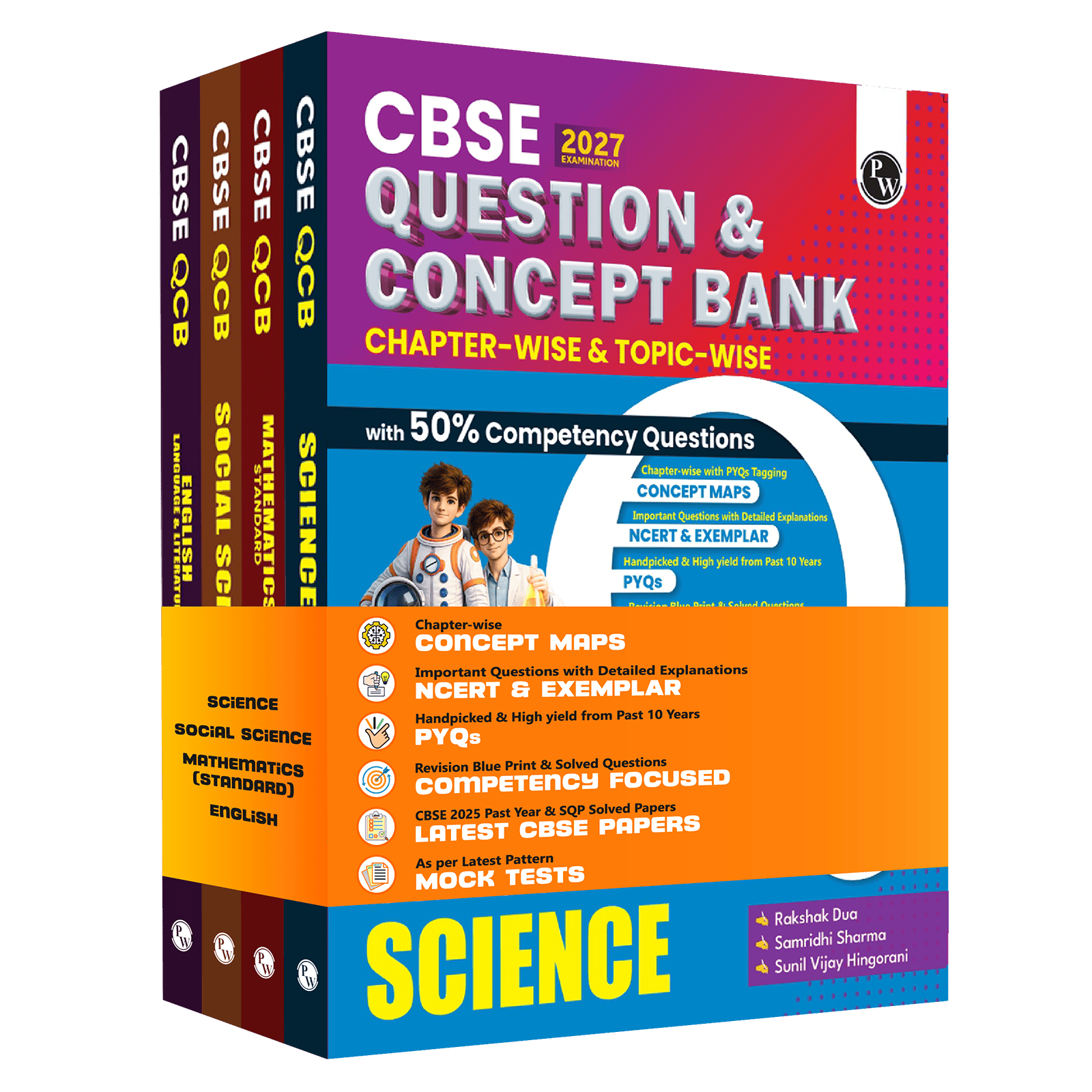
| CBSE Class 10 Question Bank Maths (Standard), Science, Social Science, English Combo Set of 4 Books | Link |
| CBSE Class 10 Past 10 Years Solved Papers For 2027 Board Exams | Link |
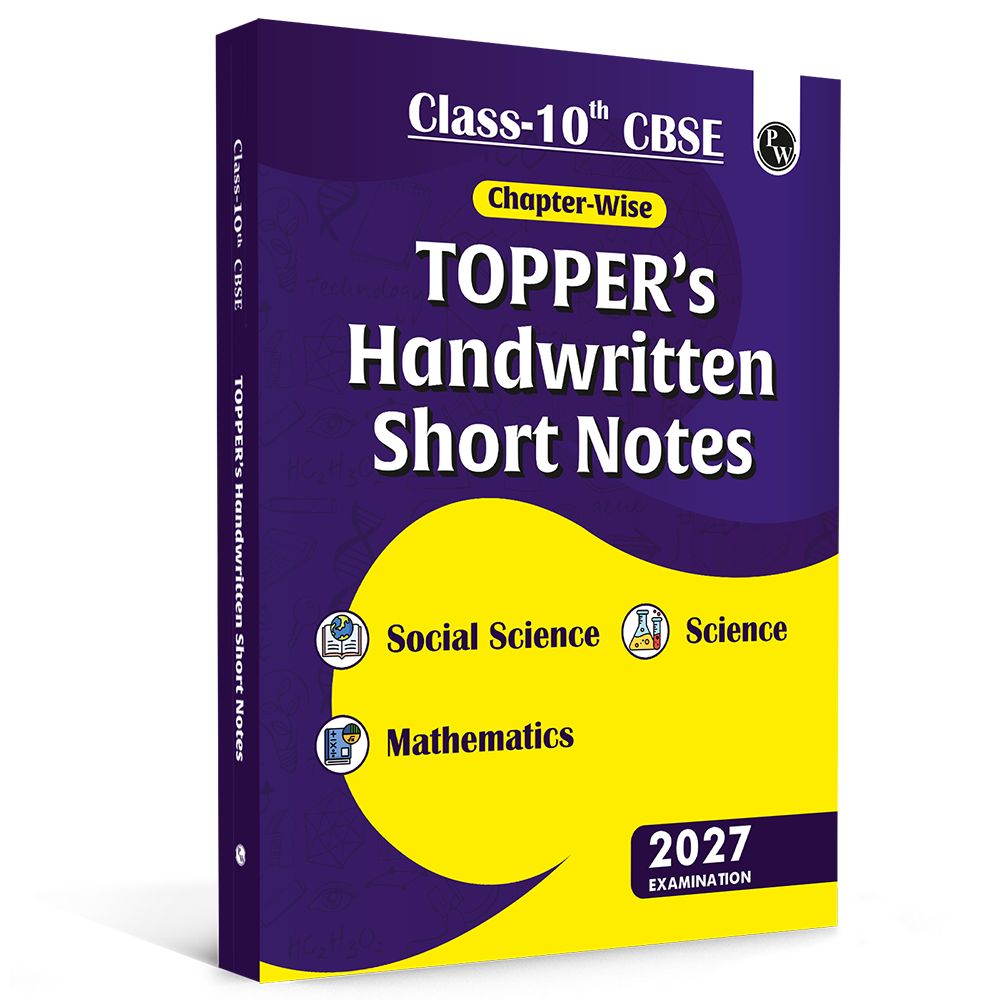
| CBSE Class 10th Chapter-wise Topper’s Handwritten Short Notes for 2027 Board Exams | Link |
| CBSE Improvement Score Class 10 Combo Set of 4 Books For 2026 Exams | Link |
Science and Maths Preparation for Class 10 After Class 9
These two subjects often cause the most stress. Here is a quick breakdown of how to handle them:
Mathematics
Maths is a skill, not a memory task. Solve at least 10–15 problems a day. If you get stuck, don't look at the solution immediately. Try three different ways before seeking help.
Science
Science is split into physics, chemistry, and biology.
-
Physics: Focus on numbers and ray diagrams.
-
Chemistry: Practice balancing equations and learn the properties of elements.
-
Biology: Diagrams are your best friends. Practise drawing neat, labelled diagrams for better marks.
Importance of Class 10 Preparation After Class 9
The difference between a topper and an average student isn't necessarily IQ; it's the ability to show up every day. Even on days when you don't feel like studying, spend 30 minutes just reviewing what you did the day before. This keeps the momentum alive.
When you start your class 10 preparation after class 9, you are giving yourself the gift of time. Time to fail, time to learn from mistakes, and time to perfect your presentation skills for the final answer sheet.
Read More: CBSE Class 10 Syllabus 2026-27
Start Class 10 Preparation Right After Class 9 FAQs
When is the best time to start class 10 preparation after class 9?
The best time is immediately after your Class 9 exams or at the start of the new academic session to stay ahead of the syllabus.
Which CBSE Class 10 study material is the most important?
NCERT textbooks are the most critical, followed by quality practice books and question banks for extra practice.
How many hours should I include in my study timetable for students?
Consistency is key; 3 to 4 hours of focused self-study daily is usually sufficient for beginners to maintain a high score.
What are some effective class 10 preparation tips for beginners?
Start with NCERT, make your own handwritten notes, and ensure you balance all subjects, including social science and languages.
How does a CBSE Class 10 study plan after Class 9 help in exams?
A structured plan helps cover the syllabus early, leaving ample time for multiple revisions and solving mock papers during CBSE Class 10 exam preparation.