How to Use Class 10 Basic Maths Question Bank for Better Scores
You might find yourself staring at complex equations, wondering which topics deserve more of your time or how to tackle the new competency-based questions. Balancing daily classes with revision can feel like an uphill battle, especially when you are unsure if your practice matches the actual board exam pattern.
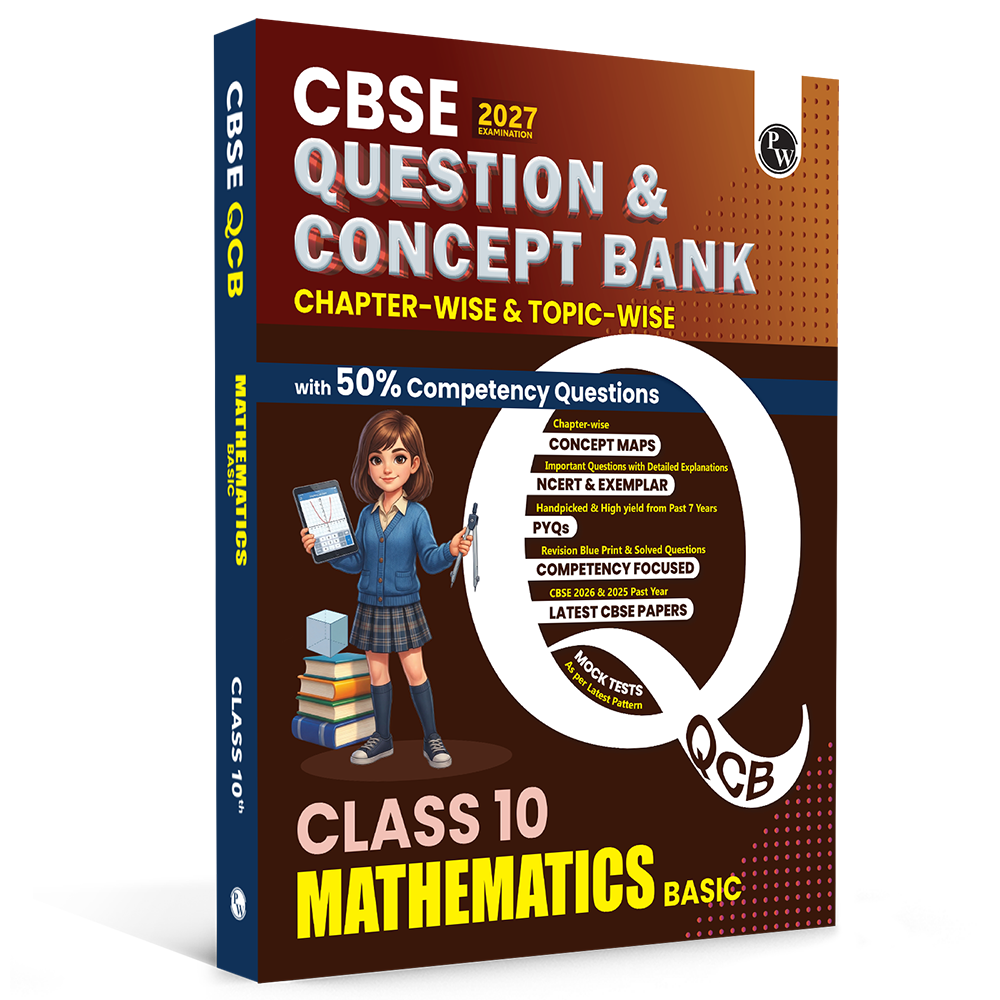
This is where a dedicated CBSE class 10 question bank maths basics becomes your most valuable asset. By using a structured resource tailored specifically for the Basic Maths curriculum, you can turn your confusion into confidence
Check out - CBSE Class 10 Books.
Importance of Class 10 Question Bank for Maths
Choosing the right study material is the first step toward academic success. For students who have opted for the Basic version of Mathematics, it is essential to practice with a resource that aligns with the specific difficulty level and marking scheme of that paper.
A CBSE class 10 question bank provides a curated selection of problems that mirror what you will actually face in the exam hall.
Using a specialised class 10 maths basic question bank with solutions ensures that you are not just solving problems, but also learning the correct methodology. These books often include step-by-step explanations, which are crucial for understanding the logic behind a solution.
How to Use Class 10 Question Bank for Maths
To get the most out of your class 10 maths question bank, you should treat it as a roadmap rather than just a collection of sums. Start by identifying the chapters that carry the highest marks in the midterm syllabus.
-
Review Concept Maps: Before diving into questions, look at the chapter-wise concept maps. These visual aids help you connect different formulas and theories quickly.
-
Solve NCERT & Exemplar Questions: These form the foundation of the CBSE board. Ensure you complete every NCERT-based question provided in the bank.
-
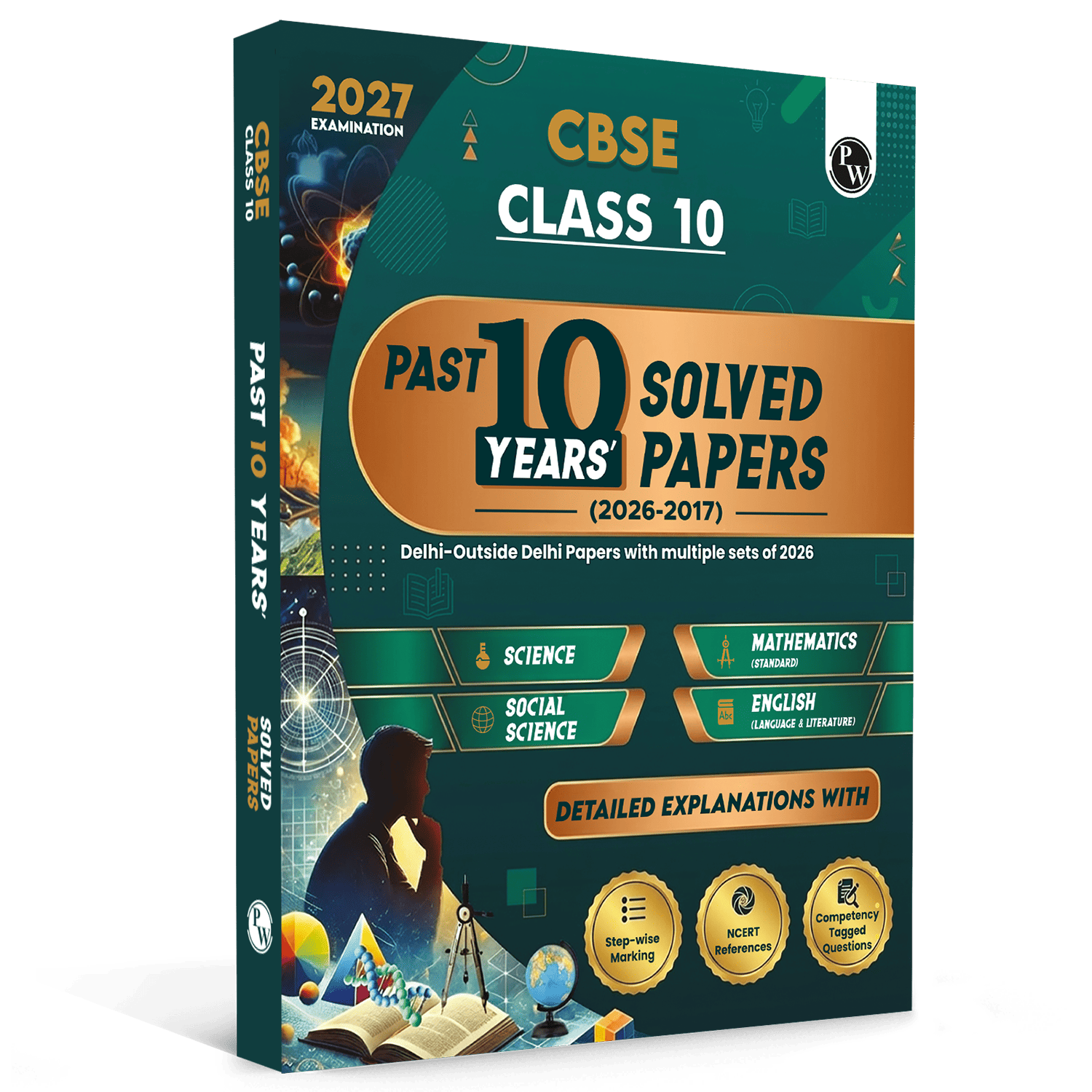
Practice Previous Year Questions (PYQs): Solving actual questions from the past 10 years gives you a realistic sense of the exam's "tone" and frequently asked topics.
-
Check Solutions Immediately: Use the Class 10 Maths Basic Question Bank with Solutions to verify your steps. If you make a mistake, identify exactly where the logic failed before moving to the next problem.
Study Plan for Class 10 Question Bank for Maths
A study strategy is only effective if it is consistent. During the mid-term season, your time is limited, so you need a plan that maximises output. Systematically using the class 10 maths question bank can streamline your revision.
-
Phase 1: Concept Strengthening: Spend the first few days purely on understanding definitions and basic formulas. Use the structured theory sections in your question bank to fill any gaps in your knowledge.
-
Phase 2: Topic-wise Practice: Instead of jumping around, finish one topic completely. Solve the Multiple Choice Questions (MCQs), then move to short answers, and finally long-form questions.
-
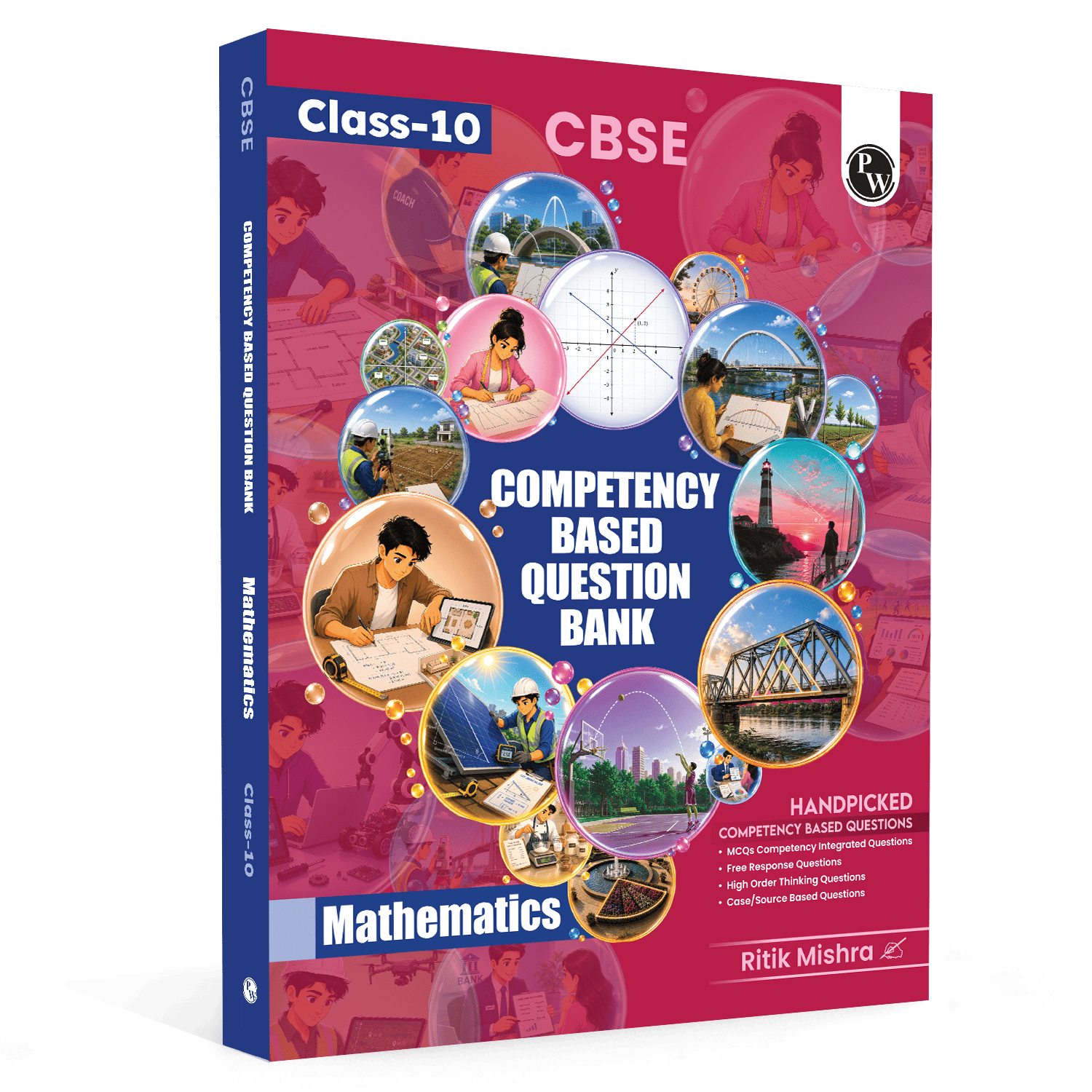
Phase 3: Competency Focus: The latest CBSE pattern includes 50% competency-based questions. Dedicate specific sessions to these to build your analytical skills.
-
Phase 4: Time-Bound Mock Tests: Use the mock tests at the back of the class 10 maths question bank 2026 editions. Set a timer for three hours to simulate the actual exam environment and improve your speed.
Benefits of Using Class 10 Question Bank for Maths
Staying up to date with the latest exam trends is non-negotiable. The Class 10 Maths question bank 2026 versions are specifically designed to meet the revised CBSE guidelines. These books include:
-
Targeted Blueprints: Revision blueprints help you understand the weightage of each section, so you know exactly where to put more effort.
-
High-Yield Questions: These are handpicked problems that have a high probability of appearing in the exams based on historical data.
-
Solved Sample Papers: These provide a comprehensive view of the paper's structure, including the distribution of easy, moderate, and difficult questions.
-
Digital Compatibility: Often, a CBSE Class 10 Maths question bank PDF or online supplement is available, allowing you to study on the go and access extra resources.
Mistakes to Avoid with Class 10 Question Bank for Maths
Even with a great maths basic question bank class 10, certain habits can hinder your progress. Being aware of these common pitfalls will help you stay on track.
-
Skipping the Theory: Many students jump straight to the questions. However, without a strong grasp of the theory provided in the CBSE class 10 question bank, you might struggle with "tricky" or indirect questions.
-
Ignoring the Solutions: Do not just look for the final answer. The process of reaching that answer is what earns you marks in a step-wise marking system.
-
Avoiding "Hard" Topics: It is tempting to practice what you already know. Instead, use your class 10 maths basic question bank with solutions to tackle your weakest areas first.
-
Over-reliance on Calculators: During your practice sessions, perform all calculations manually to build the mental stamina required for the exam.
Tips for Using Class 10 Question Bank for Maths
To truly excel, you must go beyond basic solving. Here are some expert-level tips to use your class 10 question bank for maths effectively:
-
Mark Important Questions: As you solve, highlight questions that you found difficult or those that covered multiple concepts. Return to these during your final revision.
-
Focus on Presentation: Observe how the solutions are written in the question bank. Notice the use of "Given," "To Find," and the final conclusion. Mirroring this format in your exam can help you score full marks in long-form questions.
-
Self-Assessment: After completing a mock test from your maths basic question bank class 10, grade yourself strictly. Identify whether your errors were due to a lack of knowledge or simple calculation mistakes.
-
Regular Revision: Maths is a subject of practice. Even if you have finished a chapter, revisit its concept map in the question bank every few days to keep the formulas fresh in your mind.
Read More: Class 10 Science Mnemonics PDF
CBSE Class 10 Question Bank Maths FAQs
Q1: How is the CBSE class 10 question bank maths basics different from the standard version?
The Basic Maths question bank focuses on fundamental concepts and direct applications, avoiding the high-level complex problems found in the Standard version. It is perfectly aligned with the difficulty level of the Basic Mathematics board paper.
Q2: Can I rely on a CBSE class 10 maths basic question bank PDF for my final revision?
A PDF version is excellent for quick reference and last-minute formula checks. However, practising on paper using a physical book is recommended to build the writing speed and accuracy needed for the actual exam.
Q3: Does the Class 10 Maths question bank 2026 cover the latest CBSE changes?
Absolutely. The 2026 editions are updated with the latest weightage for competency-focused questions (50%) and reflect the most recent syllabus changes introduced by the board.
Q4: How many times should I solve the maths basic question bank class 10 before exams?
Ideally, you should go through the entire question bank at least once before your midterms and then revisit the "marked" or difficult questions at least twice before the final board exams.