How to Use PW Class 11 PCB Question Bank After Finishing a Chapter
Many students finish reading a textbook chapter and feel confident, only to struggle when faced with actual examination questions. Reading a theory section provides passive familiarity, but active application is what solidifies learning.
When tackling complex scientific concepts, having a structured practice strategy immediately after completing a topic prevents information decay and builds self-reliance. Utilizing a targeted practice set like the PW class 11 PCB question bank helps bridge the gap between reading theory and mastering question application.
What Is PW Class 11 PCB Question Bank?
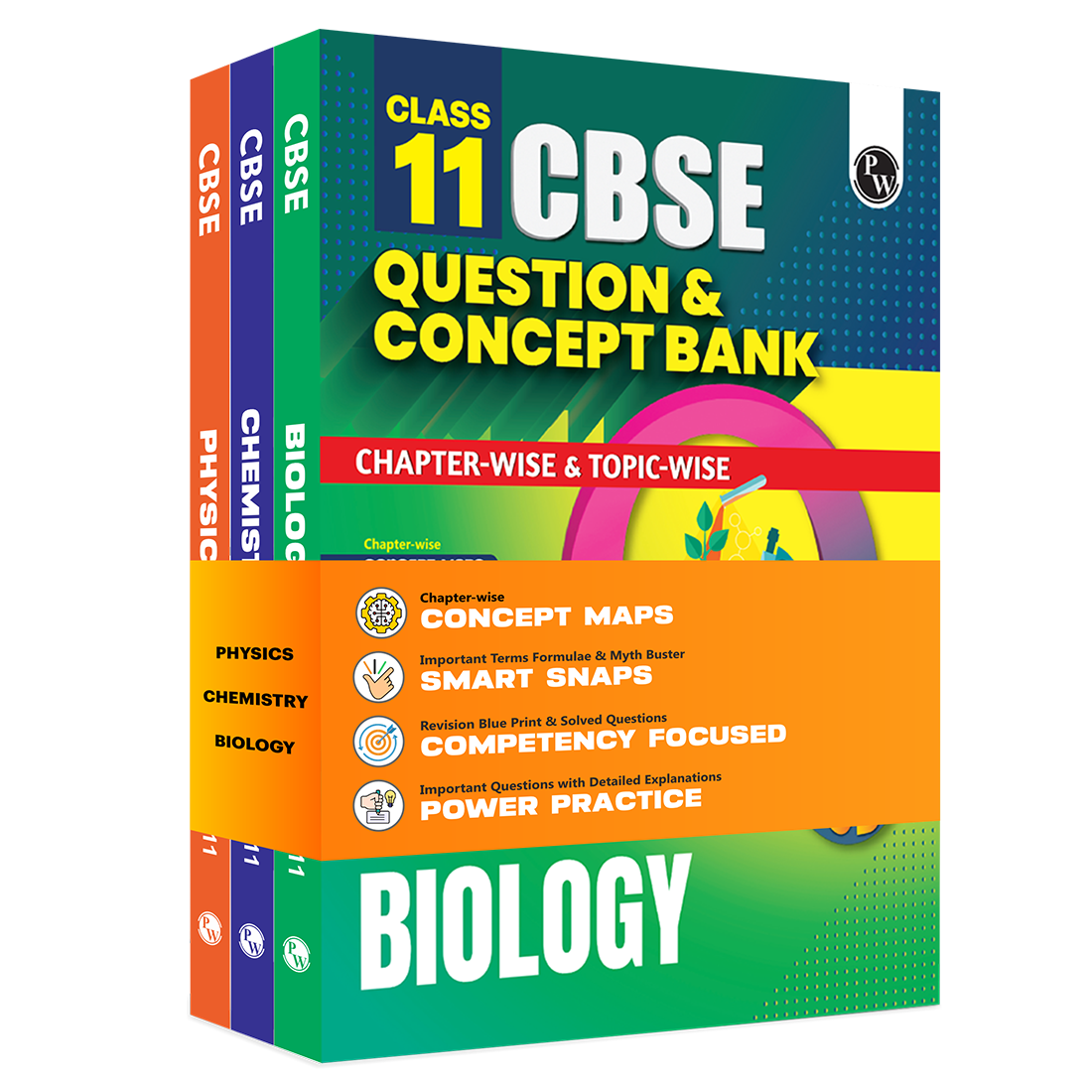
The PW class 11 PCB question bank is a comprehensive set of 3 books covering Physics, Chemistry, and Biology designed strictly according to the latest CBSE curriculum. Crafted specifically for CBSE Class 11 students, this resource transforms complex topics into structured practice sets.
Key components included in the collection:
-
Chapter-wise Concept Maps: Visual blueprints that map out entire chapters to connect ideas and boost retention.
-
Smart Snaps: Quick-revision sections highlighting definitions, key terms, main formulas, chemical reactions, and common misconceptions.
-
Revision Blueprint & Solved Questions: Structured guidance to prioritize vital topics alongside step-by-step solved examples that build application confidence.
-
Power Practice Sets: High-yield practice containing class 11 chapter-wise questions, competency-based questions, assertion-reason items, and case-based questions with detailed explanations.
Why Use PW Class 11 PCB Question Bank After Each Chapter?
Solving questions immediately after finishing a topic ensures that knowledge moves from short-term memory to long-term conceptual understanding. Using a CBSE Class 11 Question Bank alongside textbook reading provides additional practice, helps identify hidden learning gaps, and strengthens conceptual understanding before major assessments.
Benefits of immediate post-chapter practice:
-
Strengthens Conceptual Clarity: Helps students apply theoretical rules to practical problems, building a solid base for Class 12 Boards and competitive entrance foundation.
-
Highlights Misconceptions: Features designated sections like Smart Snaps that call out common errors before they become ingrained habits.
-
Improves Retention: Engaging with varied question types reinforces active recall, making final exam revision faster and more effective.
-
Builds Exam Readiness: Exposure to assertion-reason and case-based formats ensures familiarity with modern CBSE assessment patterns.
What to Do Before Solving PW Class 11 PCB Question Bank?
Jumping directly into problem-solving without adequate preparation can lead to frustration. A systematic warm-up ensures you extract maximum learning value from every practice session.
Essential pre-practice steps:
-
Review Chapter Theory: Complete your primary textbook readings or class notes thoroughly before opening the question sets.
-
Study the Concept Maps: Scan the dynamic visual blueprint at the start of the chapter to organize main topics visually.
-
Go Through Smart Snaps: Read through the quick-revision highlights to refresh formulas, definitions, and key reactions.
-
Analyze Solved Examples: Work through the step-by-step solved questions to understand the logic and required presentation format.
How to Use PW Class 11 PCB Question Bank After Finishing a Chapter?
To maximize your performance across all three science disciplines, tailor your practice routine using the PW class 11 PCB question bank based on subject-specific demands.
|
Subject |
Practice Focus |
Strategy with Question Bank |
|
Physics |
Numerical problem-solving & conceptual application |
Start with step-by-step solved class 11 physics questions, then solve formula-based practice problems before moving to competency questions. |
|
Chemistry |
Equations, mechanisms & numerical calculations |
Use Smart Snaps for quick formula/reaction checks, then attempt solved class 11 chemistry questions and practice sets. |
|
Biology |
Terminology, processes & structured reasoning |
Review concept maps for visual flow, then attempt diagram-free descriptive and assertion-reason class 11 biology questions. |
Recommended workflow following chapter completion:
-
Step 1: Immediate Review: Right after finishing a chapter, spend 10 minutes analyzing the visual concept maps.
-
Step 2: Practice Graduated Questions: Begin with direct objective questions, progress to short answer types, and finish with competency-based or case-based scenarios.
-
Step 3: Timed Attempt: Practice questions in blocks without looking at solutions to simulate real exam pressure.
How to Check Your Answers With PW Class 11 PCB Question Bank?
Self-assessment is where actual learning occurs. Using CBSE Class 11 Books alongside regular practice can help students check their understanding, reinforce key concepts, and prevent repeating the same mistakes during official examinations.
Effective evaluation methodology:
-
Attempt First, Verify Later: Never look at solutions while working through questions. Complete an entire section before opening answer keys.
-
Compare Step-by-Step Logic: For numerical subjects, verify whether your methodology matches the step-by-step solved explanations.
-
Identify Root Causes: When an answer is incorrect, determine whether it was due to a calculation error, a missed formula, or a fundamental conceptual misunderstanding.
-
Annotate Your Book: Circle missed questions and write short notes beside them explaining why the correct answer is right.
Common Mistakes to Avoid While Using PW Class 11 PCB Question Bank
Using practice resources inefficiently can waste time and lead to a false sense of security.
Avoid these common pitfall habits:
-
Reading Solutions Passively: Simply reading a solution and assuming you understand it without re-solving it independently on paper.
-
Skipping Misconception Alerts: Ignoring the Smart Snaps section that specifically highlights frequent student errors.
-
Selectively Practicing Easy Questions: Focusing only on simple direct questions while skipping assertion-reason or case-based sets.
-
Delaying Practice: Waiting several weeks after completing a chapter before opening the class 11 PCB question bank, which reduces active recall benefits.
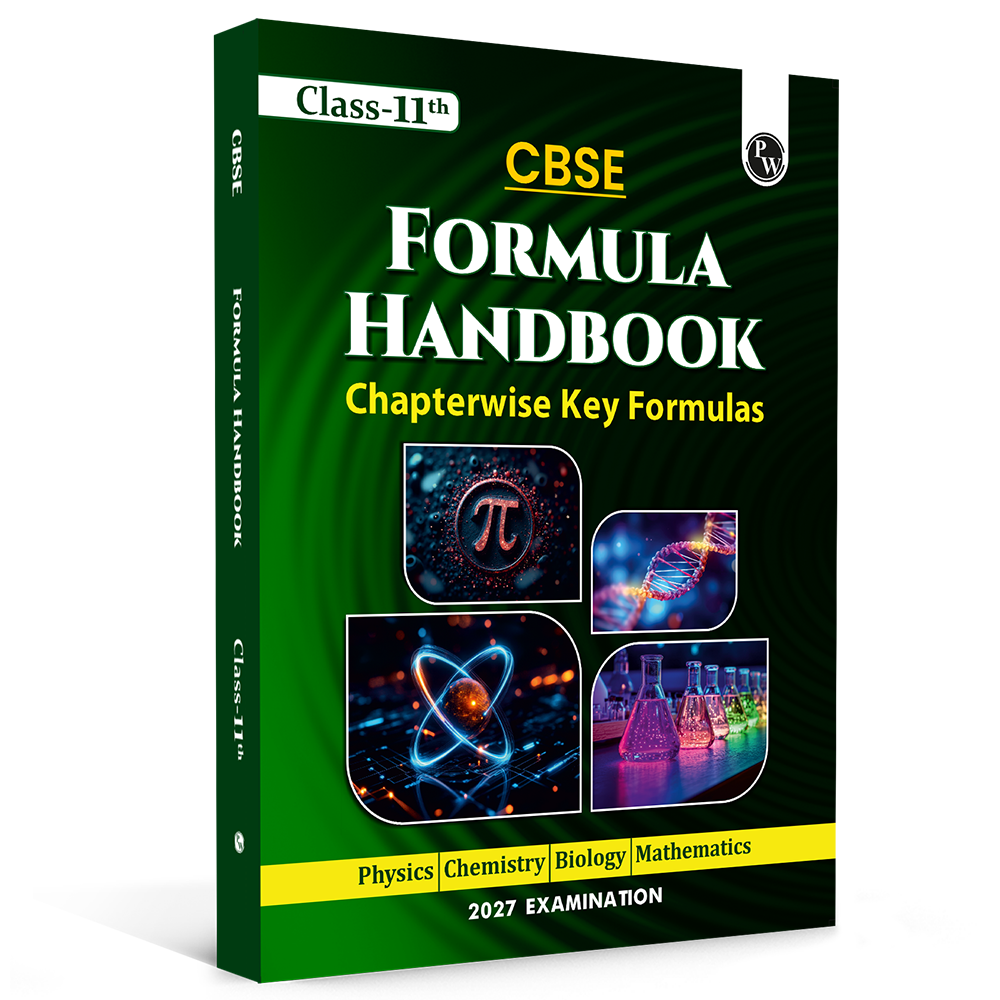
Also Check - PW CBSE Class 11 Formula Handbook
Tips to Get Better Results From PW Class 11 PCB Question Bank
Consistent habits turn practice sets into powerful tools for academic achievement. Applying focused strategies ensures long-term benefits across your academic journey.
Actionable performance tips:
-
Maintain an Error Log: Keep a dedicated notebook to record tricky questions, missed formulas, and recurring mistakes across all three subjects.
-
Use for Spaced Revision: Revisit the chapter concept maps and marked difficult questions after 15 and 30 days to solidify memory retention.
-
Simulate Test Conditions: Set a timer when working through Power Practice sets to build speed and time-management skills for school exams and entrance preparation.
-
Integrate with Olympiad Prep: Utilize the higher-level competency questions to build foundation skills for competitive exams and Olympiads.
Read More: CBSE Class 11 Syllabus for All Subjects
PW Class 11 PCB Question Bank FAQs
Q1: How does the PW class 11 PCB question bank assist in competitive exam preparation?
It builds conceptual depth and problem-solving skills through structured practice, supporting school assessments, annual exams, Olympiads, and NEET foundation preparation.
Q2: Are detailed solutions provided for the practice problems?
Yes, the collection includes step-by-step solved questions along with detailed explanations for competency and practice sets.
Q3: What makes concept maps effective after completing a chapter?
Concept maps offer visual blueprints that connect complex ideas, turning extensive chapter content into easily digestible insights for better retention.
Q4: Can this collection be used for quick revision before school tests?
Yes, the Smart Snaps section specifically highlights key terms, essential formulas, definitions, and common misconceptions for rapid pre-exam review.
Q5: Does the question bank follow the latest CBSE syllabus?
Yes, the entire 3-book combo is designed according to the latest CBSE curriculum to ensure aligned study.